Bringing the 90s Back to the Digital Age: How "Flipcorder" is Redefining iPhone Videography
Main Facts: The Rise of Nostalgic Videography and the Introduction of Flipcorder
In an era dominated by hyper-crisp 4K resolutions, sixty frames-per-second slow-motion, and aggressive artificial intelligence enhancements, a counter-movement is taking shape in the pockets of smartphone users worldwide. Consumers are increasingly seeking imperfection, warmth, and authenticity in their digital media. Enter Flipcorder, a clever new entry in the independent iOS application ecosystem that trades clinical digital clarity for the nostalgic, tactile charm of late-20th-century home video cameras.
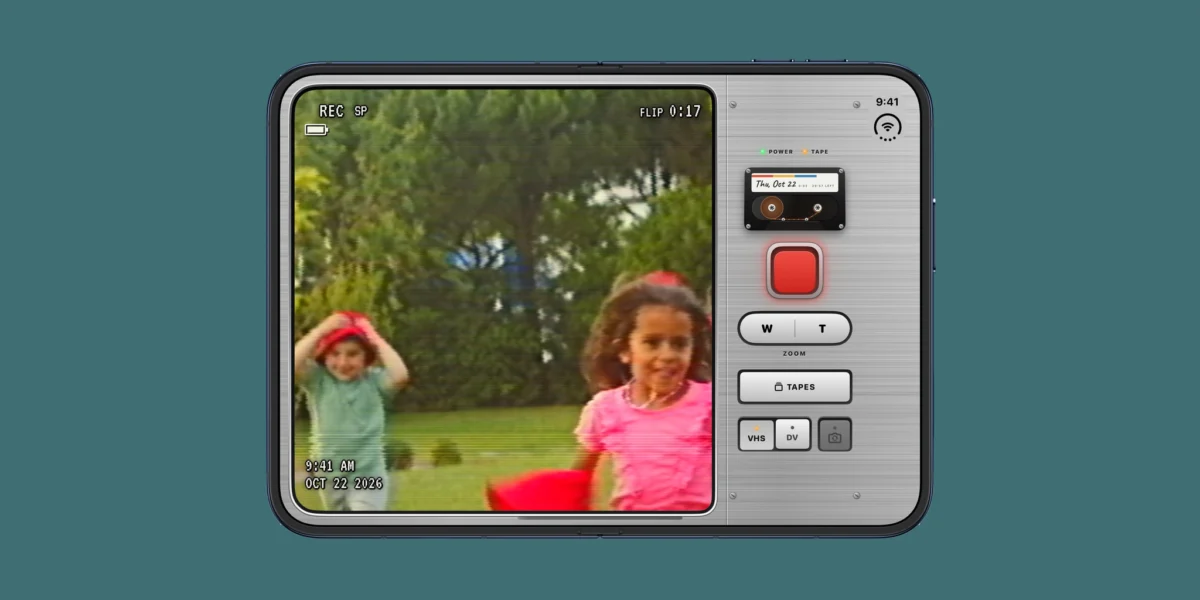
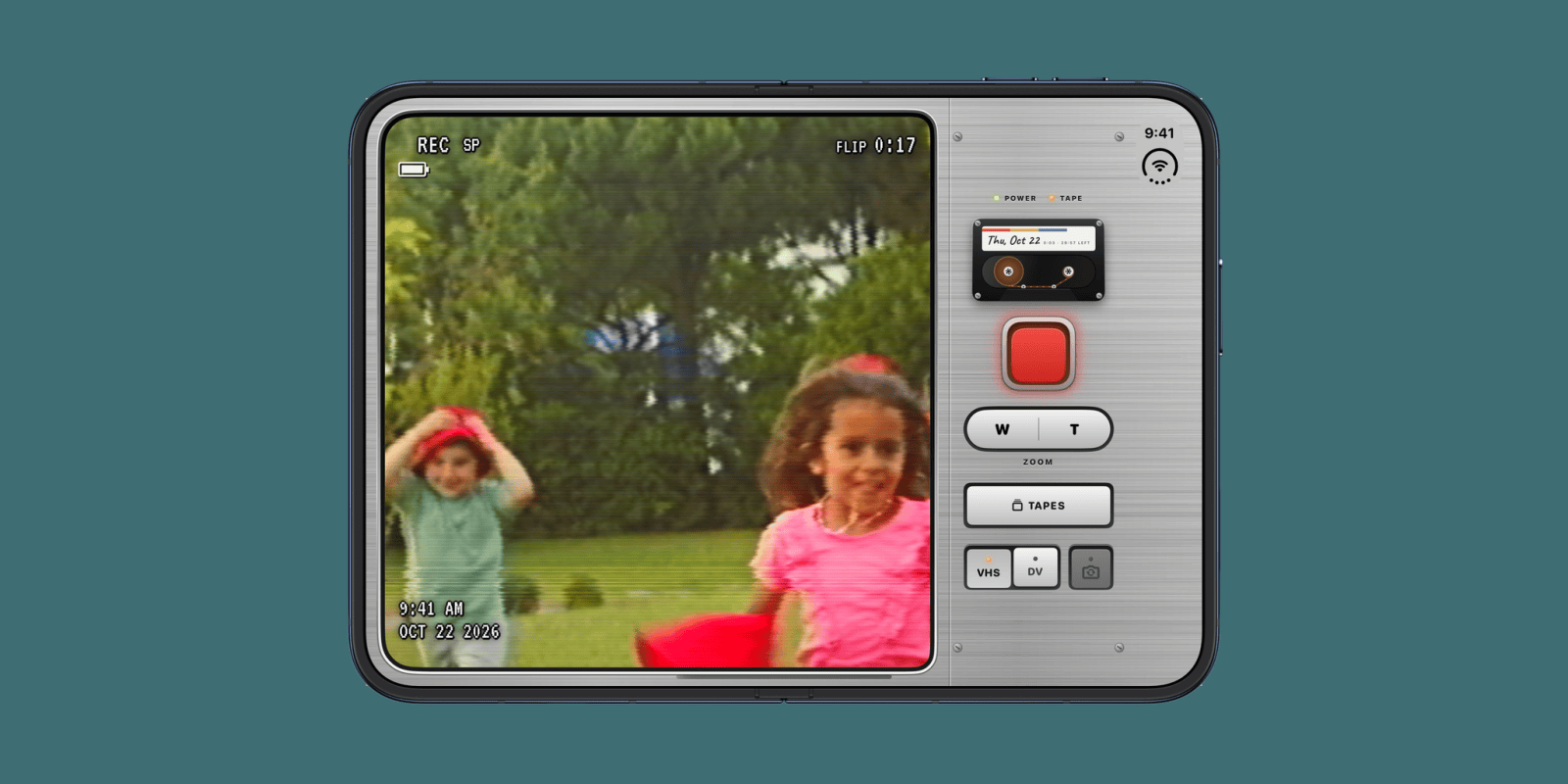
Featured prominently in the latest installment of the Indie App Spotlight, Flipcorder is a retro-styled camcorder simulation designed primarily for Apple’s hardware ecosystem. While the application is compatible across a wide array of modern iPhone models, it has been meticulously optimized to take advantage of the unique form factor of the iPhone Duo, leveraging dual-screen real estate to deliver a fully immersive, retro-inspired user experience.
Unlike traditional camera apps that encourage endless recording, multi-clip editing timelines, and massive file management burdens, Flipcorder imposes creative constraints. It mimics the mechanics of physical analog media. Users do not shoot individual video files; instead, they record directly to a virtual "tape." Every fleeting moment captured throughout the day compiles onto this single cassette, which has a strict capacity limit of 30 minutes of footage. Furthermore, clips are captured in punchy 20-second increments, encouraging spontaneity, unedited authenticity, and a return to the "point-and-shoot" ethos of 90s family vacations and skate videos.
Priced straightforwardly as a $4.99 one-time purchase on the App Store with zero third-party advertisements or hidden subscription models, Flipcorder represents a refreshing breath of fresh air in an app marketplace increasingly dominated by recurring micro-transactions.
Chronology: From Analog Nostalgia to Modern iOS Integration
To understand the cultural and technological significance of Flipcorder, it is helpful to trace the timeline of how digital video consumption and creation have evolved over the decades, leading up to this moment.
The Analog Era (Late 20th Century)
Before smartphones revolutionized personal media, recording memories was an intentional, physical act. Families relied on bulky camcorders utilizing VHS, VHS-C, or MiniDV tapes. Recording capacity was finite, developing or reviewing footage required rewinding physical media, and aesthetic flaws—such as tape tracking lines, color bleed, and low-light grain—were simply part of the medium. These limitations inadvertently created a distinct aesthetic style that modern generations now associate with comfort, memory, and authenticity.
The Rise of Computational Photography (2010s–Early 2020s)
As smartphone cameras improved exponentially, tech giants like Apple focused heavily on computational photography. iPhones transformed into pocket-sized cinema studios capable of capturing Dolby Vision HDR and cinematic-grade depth maps. While undeniably impressive from a technical standpoint, this perfection triggered a psychological fatigue among users. Videos began to feel overly sterile, processed, and staged.
The Low-Fidelity Renaissance (Mid 2020s)
Recognizing a growing cultural fatigue with clinical perfection, indie developers began experimenting with retro aesthetics. Dedicated apps mimicking disposable film cameras, vintage polaroids, and 8mm film formats saw a massive surge in popularity on social media platforms like TikTok and Instagram.
The Launch of Flipcorder (October 2026)
Building on this momentum, independent developer Michael and the broader indie app community welcomed Flipcorder to the App Store. Tailored for devices running iOS 26 and later, the app bridged the gap between modern smartphone ergonomics and analog workflow constraints. By restricting users to tape-based recording limits and introducing hardware-specific UI enhancements for devices like the iPhone Duo, Flipcorder carved out a unique niche in the retro-photography market.
Supporting Data: Understanding the Shift Toward Retro Utility
The market reception of apps like Flipcorder is not an isolated anomaly; it reflects broader shifts in consumer psychology regarding digital consumption, attention spans, and software monetization.
1. The Death of the Endless Roll
According to mobile usage analytics, the average smartphone user hoards thousands of unorganized, unedited video clips on their device storage, rarely looking back at them. Flipcorder’s design philosophy directly combats this phenomenon. By limiting tapes to 30 minutes and enforcing a 20-second clip cap, the app forces curation at the point of capture. Users are left with a cohesive, easily digestible digital artifact rather than a digital dumpster fire of raw footage.
2. Monetization Fatigue
Consumer advocacy reports consistently highlight widespread subscription fatigue among app users. The decision by Flipcorder’s developers to opt for a clean, single $4.99 upfront fee—devoid of recurring subscription tiers, paywalled filters, or ad banners—resonates strongly with a consumer base increasingly wary of micro-transaction models.
3. Hardware Synergy
The app’s optimization for the iPhone Duo highlights a growing trend among indie developers: treating hardware form factors as canvas opportunities rather than standardized display targets. Utilizing the secondary display of folding or dual-screen devices to render a retro viewfinder UI demonstrates how software can breathe new life into innovative hardware architectures.
Official Responses and Developer Insights
While independent developers often operate outside the massive press circuits of corporate tech giants, the reception from the indie developer community and tech journalism spaces has been overwhelmingly positive.
Michael, curator of the Indie App Spotlight, emphasized the cultural appeal of apps that strip away complexity:
"If you want more of a nostalgic video feel from your iPhone footage, apps like this offer a necessary escape from the pressures of modern production tools. You aren’t spending hours tweaking color grading or managing timelines; you just press the red record button and let the moment speak for itself."
Early user feedback on social media platforms and developer forums has similarly praised the hybrid approach of the app. While users can embrace the authentic degradation of VHS and MiniDV simulation filters, the option to record clean, high-resolution video while maintaining the cassette-compilation workflow has been cited as a major selling point. It grants users the best of both worlds: crisp modern optics married to nostalgic structural storytelling.
Implications: What Flipcorder Means for the Future of Mobile Media
The success and design philosophy of Flipcorder carry several profound implications for the future of mobile app development, content creation, and human-computer interaction.
1. The Value of Artificial Constraints in Software Design
In an era where software constantly promises "limitless possibilities," Flipcorder proves that limitations can be liberating. By reintroducing physical media constraints—such as tape capacity and time caps—into a digital environment, the app reduces cognitive load. Users do not suffer from "blank page syndrome" or decision paralysis regarding editing tools. The framework dictates the medium, making the act of recording fun and frictionless once again.
2. A Shift in Social Sharing Dynamics
Modern social media platforms thrive on highly polished, heavily edited, algorithm-optimized video content. However, younger demographics are increasingly migrating toward "photo dumps," unedited video snippets, and "real life" updates. Flipcorder fits neatly into this cultural zeitgeist. Videos captured on a virtual tape feel less like commercial productions and more like genuine slices of life, perfectly suited for sharing raw memories with close friends rather than curating an immaculate public brand.
3. Empowerment of Indie Developers in the iOS Ecosystem
As major tech conglomerates push deeper into subscription-based ecosystems and heavy-handed AI tooling, indie developers are finding massive success by filling emotional and creative gaps. Apps like Flipcorder demonstrate that there is a thriving, economically viable market for hyper-focused, beautifully designed utilities that prioritize user experience and aesthetic joy over corporate optimization metrics.
Looking Ahead
As iOS continues to evolve and hardware form factors like the iPhone Duo mature, we can expect to see even more creative experiments at the intersection of modern technology and retro nostalgia. Whether Flipcorder becomes a permanent fixture in your daily carry or serves as a weekend novelty for capturing trips with friends, it serves as a timely reminder: sometimes, looking backward is the most innovative way to move forward.