In the modern digital economy, relying on a single traffic source or communication channel is an increasingly risky business model. Algorithm changes, shifting platform policies, and fluctuating ad costs can destabilize an enterprise overnight. However, for media entrepreneurs and high-ticket service providers, building an interconnected ecosystem of platforms can create a resilient, self-sustaining lead generation machine.
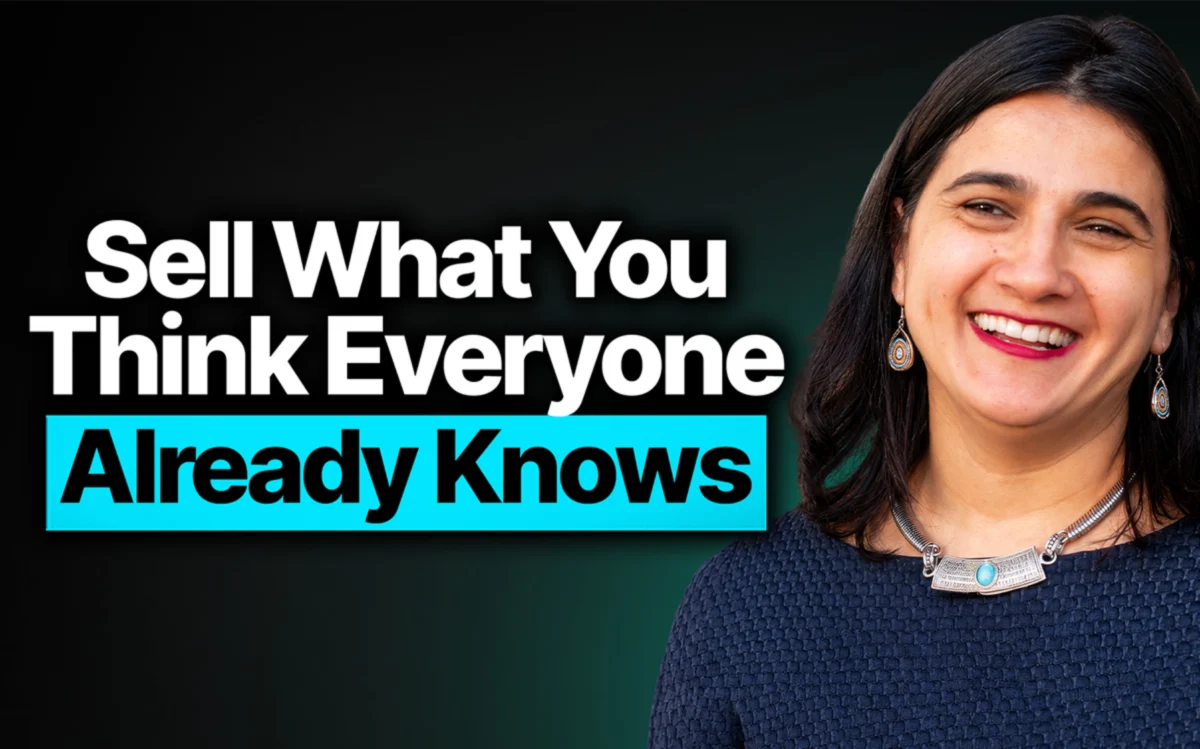
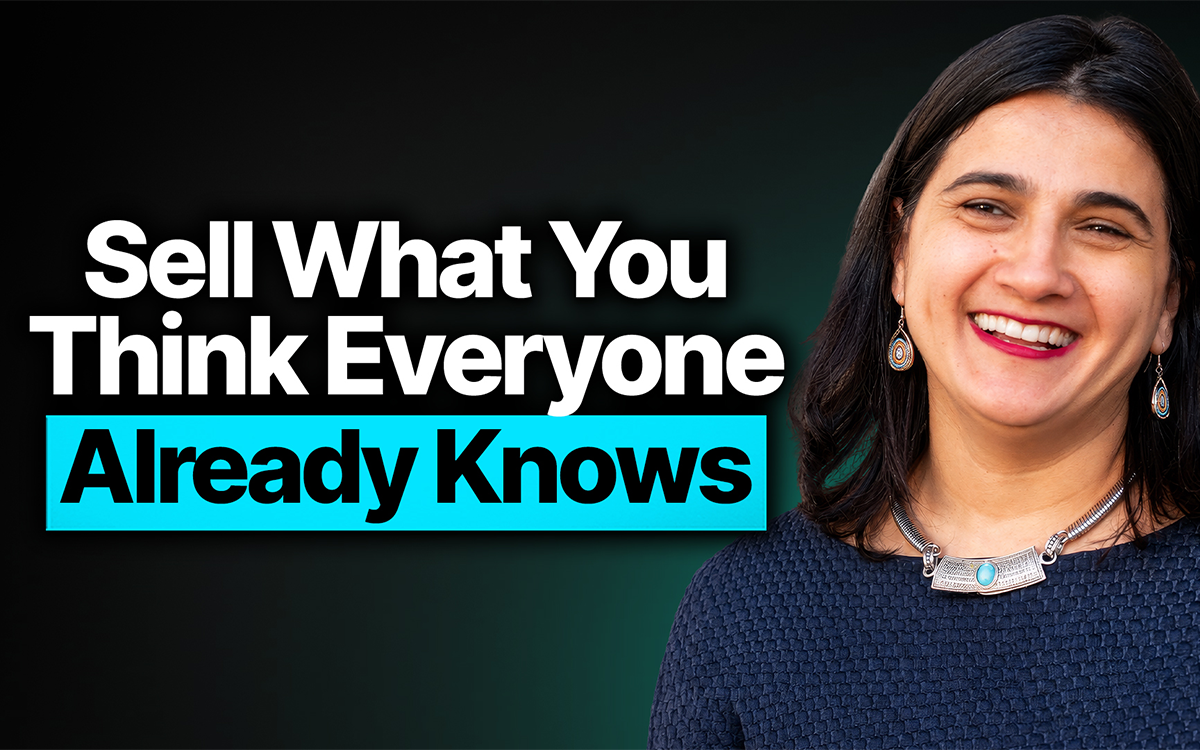
On a recent episode of the Niche Pursuits podcast, veteran journalist, author, and media consultant Natasha Tynes sat down to unpack how she leverages her 25 years of experience in writing and journalism to run a thriving media and consulting business. Rather than spreading herself thin chasing vanity metrics, Tynes has engineered a deliberate, multi-channel inbound funnel. By strategically integrating Substack, LinkedIn, YouTube, and an upcoming paid community, she has created a framework that turns casual readers into high-paying clients without relying on paid advertising.
Main Facts: The Anatomy of a Modern Media Funnel
At the core of Tynes’ business model is a simple philosophy: authority breeds trust, and trust drives high-ticket service sales. With approximately three decades of industry experience, Tynes translates her deep expertise in journalism, publishing, and content creation into high-value consulting, coaching, and ghostwriting services.
Rather than funneling every prospective client through a rigid, single-pathway funnel, Tynes allows leads to enter her ecosystem from multiple entry points.
- Substack serves as her direct-line email audience builder, currently hovering around 3,000 organic subscribers. It balances free accessibility with paid subscriber tiers.
- LinkedIn acts as her primary professional discovery engine, bridging the gap between content consumption and real-time business conversations.
- YouTube functions as a top-of-funnel video discovery channel, allowing prospective clients to experience her communication style and voice on a deeper level.
- A Paid Community is currently in development to bridge the gap between free content consumers and high-ticket individual coaching clients.
Crucially, Tynes’ system does not rely on paid acquisition. Every single lead, subscriber, and client has been acquired organically through consistent publishing and cross-platform synergy.
Chronology: From Traditional Journalism to Digital Inbound Ecosystem
Tynes’ journey to building her current lead system spans over two decades of adaptation, mirroring the broader evolution of the digital publishing and media landscape.
Phase 1: Building Foundational Authority (The Journalism Years)
Before transitioning into independent digital media and consulting, Tynes spent roughly 25 years in traditional journalism, writing, and corporate media. This era established her foundational authority, teaching her how to research deeply, write compelling narratives, and understand what audiences and editors demand. This traditional background later provided the high-caliber raw material needed to attract premium clients.
Phase 2: Embracing Digital Publishing and Newsletters
As the creator economy matured, Tynes recognized the necessity of owning her audience. Moving away from rented land on social media algorithms alone, she adopted Substack as a foundational infrastructure. By implementing a dual-track content strategy—offering robust free articles alongside exclusive paid tiers—she organically scaled her email list to approximately 3,000 subscribers. This database quickly transformed from a simple publishing outlet into the core engine driving her ghostwriting and coaching pipeline.
Phase 3: Expanding Discovery via LinkedIn and YouTube
Recognizing that different platforms serve different psychological intents, Tynes expanded outward. She optimized her presence on LinkedIn to target decision-makers, professionals, and brands seeking high-level writing and media guidance. Simultaneously, she integrated YouTube into her mix. Video allowed prospective clients to build a parasocial relationship with her, hearing her voice, observing her demeanor, and gaining confidence in her expertise before ever booking a discovery call.
Phase 4: Closing the Loop with Community and High-Ticket Services
Today, Tynes is finalizing the integration of a paid community tier. This addition creates a multi-layered commitment ladder. Instead of forcing a binary choice between free content and expensive one-on-one consulting, her ecosystem now accommodates casual readers, dedicated community members, newsletter subscribers, and premium corporate clients alike.
Supporting Data & Ecosystem Mechanics
To understand how Tynes successfully converts attention into revenue, it is necessary to examine how her individual channels interact with one another.
The Power of the Organic Substack List
With roughly 3,000 subscribers, Tynes proves that list size is secondary to list quality and engagement. Her Substack monetization strategy relies on two distinct pillars:
- Free Content: Acts as a low-friction entry point for new followers to sample her insights without financial commitment.
- Paid Tiers: Delivers advanced, behind-the-scenes access for highly committed community members who want deeper insights into her processes.
Because professional writing and media services are high-consideration purchases, potential clients rarely buy on impulse. They often read Natasha’s newsletter for weeks, months, or even longer. This repeated exposure builds familiarity, ensuring that when the reader finally faces a writing or media crisis, Tynes is the first person they think to hire.
LinkedIn: The Shortest Distance to a Professional Conversation
While Substack nurtures long-term relationships through direct inbox delivery, LinkedIn excels at immediate professional networking. Tynes treats LinkedIn as a real-time discovery and conversion tool. A prospective client can encounter a post on their feed, visit her profile, interact via direct message, and transition into a paid consulting inquiry without ever leaving the platform environment.
YouTube: Deepening the Parasocial Connection
Video introduces a sensory dimension that text-based platforms cannot replicate. Through YouTube, Tynes showcases her communication style and professional demeanor. Even if a YouTube viewer does not immediately buy a service, they frequently migrate to her newsletter or LinkedIn profile, feeding the broader ecosystem over time.
Official Perspectives: Platform Priority and the "Single Channel" Dilemma
When content creators and entrepreneurs look at a multi-channel strategy like Tynes’, an inevitable question arises: Do you need to be everywhere to succeed?
According to Tynes, the answer is a nuanced no. While utilizing multiple platforms creates overlapping nets to catch prospective clients, platforms do not require equal operational bandwidth. Creators should evaluate what each channel uniquely contributes to their revenue goals.
In fact, when asked which platform she would keep if she were forced to choose just one, Tynes unhesitatingly pointed to LinkedIn.
This preference highlights a crucial lesson for service providers: Audience size matters less than audience proximity to revenue. While YouTube or a massive social media following can generate raw impression volume, LinkedIn places Tynes directly in front of business professionals, founders, and executives who possess both the budget and the immediate need for high-level writing and media services. For a service-based business, one high-ticket client relationship yielded through a targeted professional network can easily outperform thousands of passive views that never convert into a sales conversation.
Implications for Modern Content Creators and Service Providers
Natasha Tynes’ multi-channel lead system offers a masterclass for freelancers, consultants, authors, and agency owners navigating the modern digital landscape. Several key takeaways emerge from her playbook:
1. Optimize for the "Commitment Ladder"
Not every prospective client is ready to buy on day one. A healthy business model provides multiple rungs on a ladder of engagement:
- Stage 1 (Low Commitment): Free content, YouTube videos, and LinkedIn posts that build brand awareness.
- Stage 2 (Medium Commitment): Substack newsletter subscriptions and upcoming paid community participation.
- Stage 3 (High Commitment): High-ticket ghostwriting, coaching, and advisory services.
2. Prioritize Intent Over Impression Count
Creators often obsess over algorithmic reach and subscriber counts. Tynes’ strategy demonstrates that depth beats breadth. A highly targeted audience of 3,000 engaged subscribers and professional connections can easily out-monetize a sprawling, unengaged audience of hundreds of thousands.
3. Build Attribution Flexibility
In a multi-channel ecosystem, customer journeys are rarely linear. A client might discover Tynes on YouTube, read her Substack for six months, interact with a LinkedIn post, and finally reach out via her website contact form. Business owners must accept that attribution is often messy and design their content to reinforce trust across every touchpoint rather than tracking a single "silver bullet" marketing channel.
Conclusion
Natasha Tynes’ transition from a seasoned 25-year journalism veteran to a modern multi-channel media entrepreneur proves that foundational writing expertise, when paired with a deliberate distribution strategy, creates a resilient business. By leveraging Substack for direct communication, LinkedIn for professional networking, YouTube for discovery, and community for retention, she has built a lead generation engine that withstands platform volatility and consistently attracts high-value clients.