










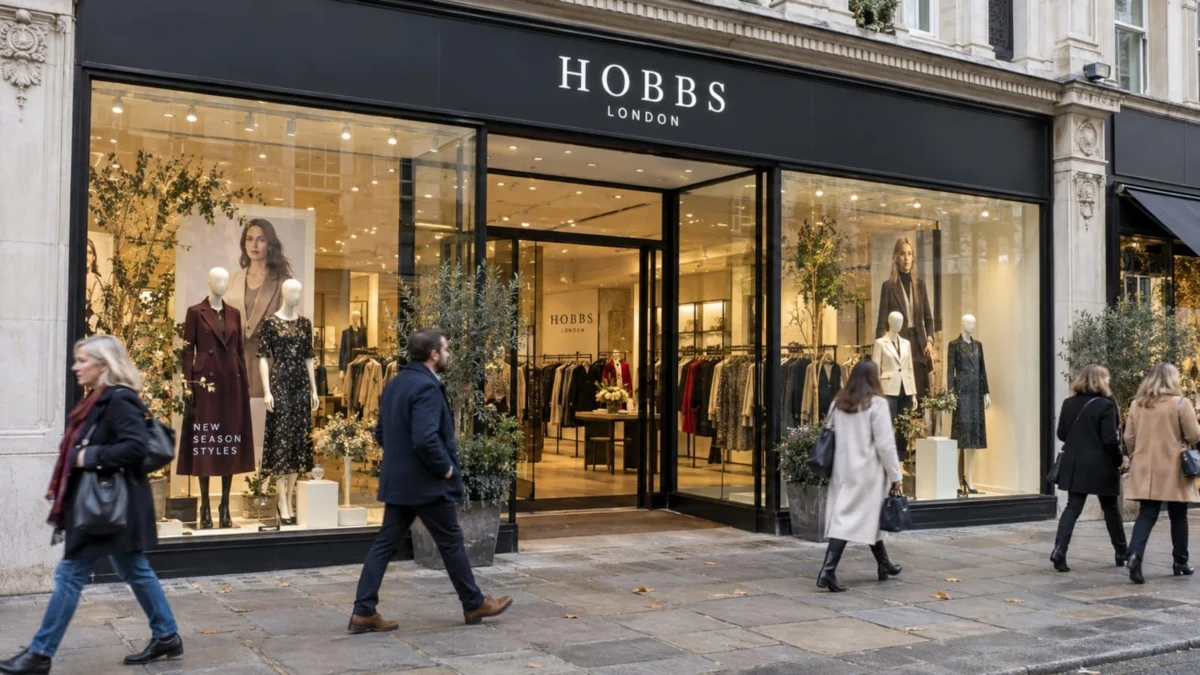
In a significant escalation of cybersecurity threats facing the retail sector, TFG London—the UK subsidiary of the South African retail giant The Foschini Group—has confirmed a major cyberattack that has crippled several of its primary IT systems. The incident has caused widespread operational disruption for three of the company’s flagship premium fashion brands: Phase Eight, Hobbs, and Whistles.
As of mid-October 2026, the company is working under emergency protocols to contain the threat and assess the potential exposure of sensitive data. While the physical storefronts remain operational, the digital infrastructure supporting these brands has been severely hampered, raising urgent questions about data security for thousands of customers across the United Kingdom and beyond.
The Core Incident: A Breach of Digital Infrastructure
On October 11, 2026, TFG London identified an unauthorized intrusion into its internal network. By the time the breach was publicly acknowledged on October 13, the impact was already being felt across the organization’s supply chain and digital sales platforms.
TFG London serves as the UK headquarters for a massive global retail footprint. The parent company, The Foschini Group (TFG), is a powerhouse in the fashion and homeware industry, operating 649 retail locations globally as of June 2026. With annual sales reported at approximately £488 million ($646M), the organization is a high-value target for sophisticated cyber-criminal syndicates.
The breach has specifically targeted the IT systems managing the Phase Eight, Hobbs, and Whistles brands. According to initial disclosures, the disruption is limited to these specific entities, with the group’s other brands—Inside Story and White Stuff—remaining unaffected. Furthermore, the company has confirmed that its operations in Australia and Africa continue to function normally, suggesting the attack was either highly targeted at the UK infrastructure or successfully contained before spreading to global satellite offices.
Chronology of the Incident and Response
The timeline of the attack highlights the speed at which modern enterprise security environments can be compromised and the subsequent rapid response required to mitigate long-term damage.
- October 11, 2026: TFG London detects the unauthorized activity within its network. The security team immediately triggers incident response protocols.
- October 11–12, 2026: In the immediate aftermath of detection, the company activates its business continuity plans. External cybersecurity experts are brought in to conduct forensic analysis and assist in the containment of the malicious actors.
- October 13, 2026: TFG London releases an official statement confirming that a cybersecurity incident has occurred. The company admits that several IT systems remain unavailable, complicating logistics, e-commerce, and administrative functions.
- October 13, 2026 (Ongoing): The investigation continues. TFG London is currently engaged in a comprehensive review to determine if personal customer data has been exfiltrated. The company has pledged to provide transparent updates to any individuals or organizations affected should the investigation confirm a data breach.
Supporting Data: The Scale of TFG London’s Operations
To understand the gravity of this incident, one must look at the scope of the organization involved. TFG London operates as a cornerstone of the broader South African-based Foschini Group.
Global Footprint and Financial Stakes
The group is not merely a regional retailer; it is a multinational entity with a complex digital supply chain. As of June 5, 2026, the group reported:
- Total Retail Locations: 649 globally.
- Annual Revenue: £488 million ($646M).
- Operational Scope: Diverse portfolios ranging from high-end fashion (Phase Eight, Hobbs, Whistles) to home goods.
The fact that the attackers were able to penetrate the IT systems of three major brands suggests that the threat actor either possessed advanced lateral movement capabilities or targeted a centralized management system that governs the UK-based brands specifically.
Industry Context: A Trend of Targeted Retail Attacks
The attack on TFG London does not exist in a vacuum; it is part of a broader, troubling trend within the retail sector. The industry has become a primary target for ransomware operators and data thieves due to the sheer volume of PII (Personally Identifiable Information) and financial data stored within retail databases.
The ASOS Precedent
Just prior to the TFG London incident, the UK fashion giant ASOS faced a high-profile security crisis. In that instance, the breach was not the result of a massive, complex network hack but rather a targeted social engineering campaign. Attackers successfully stole an employee’s login credentials, which allowed them to gain unauthorized access to the company’s backend. Once inside, they sent fraudulent push notifications to the mobile app users, leading to the compromise of names, contact details, and account information.
The H&M Allegations
Simultaneously, the global retail landscape was rattled by rumors surrounding Swedish giant H&M. A threat actor claiming to represent the notorious "ShinyHunters" hacking group threatened to leak data allegedly stolen from the company. While H&M has responded by stating they are investigating the claims and have found no evidence of a breach, the environment of fear remains palpable.
These incidents, taken together, indicate that the retail sector is currently under a coordinated, aggressive campaign of digital intimidation and theft.
Implications: What This Means for Consumers and Stakeholders
The Risk of Social Engineering
While TFG London has yet to confirm the theft of specific customer records, the history of such attacks suggests that caution is paramount. Customers of Phase Eight, Hobbs, and Whistles should be hyper-vigilant regarding their digital security.
Security analysts advise that if an organization’s internal systems are compromised, there is a high probability that attackers have at least attempted to scrape database information. Customers should:
- Monitor Financial Statements: Look for unauthorized transactions, even for small amounts, which are often used as "testers" by criminals.
- Exercise Caution with Communications: Be wary of unexpected emails, SMS messages, or phone calls claiming to be from these retailers, especially those requesting password resets or payment updates.
- Password Hygiene: If you use the same password for these retail accounts that you use for banking or email, change the passwords for those other services immediately.
The Financial and Reputational Toll
For TFG London, the costs will be substantial. Beyond the immediate forensic costs of bringing in external experts, the company faces potential regulatory scrutiny under the UK’s Data Protection Act and GDPR, should a data breach be confirmed. The loss of customer trust—a critical asset for premium brands like Hobbs and Whistles—is arguably the most difficult metric to recover.
The "AI-Speed" Threat Landscape
As the retail industry grapples with these breaches, the security community is pivoting toward new defensive strategies. As highlighted by cybersecurity experts, modern attacks are increasingly moving at "machine speed." The ability for an attacker to use AI to craft convincing social engineering lures or to identify vulnerabilities in seconds has rendered traditional, manual defense methods obsolete.
The upcoming "Validation Summit 2026" underscores this shift, bringing together security leaders from major organizations to discuss how to defend against AI-powered threats. The central question for retailers is no longer "if" they will be targeted, but how they can validate and fix their security posture at a pace that matches the adversary.
Conclusion: A Turning Point for Retail Security
The cyberattack on TFG London is a sobering reminder of the vulnerability of modern retail giants. While the company has taken the correct steps by activating its incident response plans and engaging expert assistance, the disruption to Phase Eight, Hobbs, and Whistles serves as a warning to the entire sector.
As the investigation continues, the focus will shift from containment to recovery and, inevitably, to the question of accountability. For now, the priority for all stakeholders is to remain vigilant. The digital age has brought convenience to the fashion industry, but as TFG London is currently experiencing, it has also brought a persistent and evolving threat that requires constant, proactive defense.
The industry remains in a state of high alert, waiting for further information from TFG London regarding the extent of the damage. Until then, customers are encouraged to practice heightened digital hygiene, ensuring that their personal information remains protected while the company works to restore its systems to full, secure functionality.



