










By: Tech & Automotive Desk
Published: November 2023 / Updated for Immediate Release
Main Facts
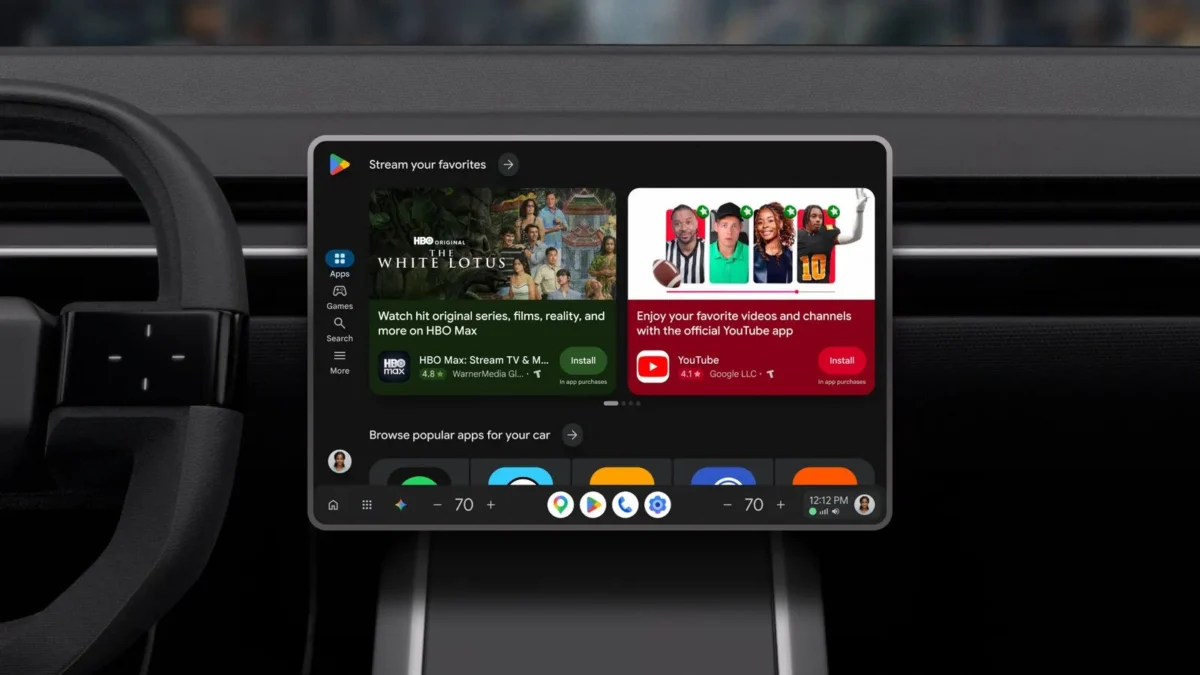
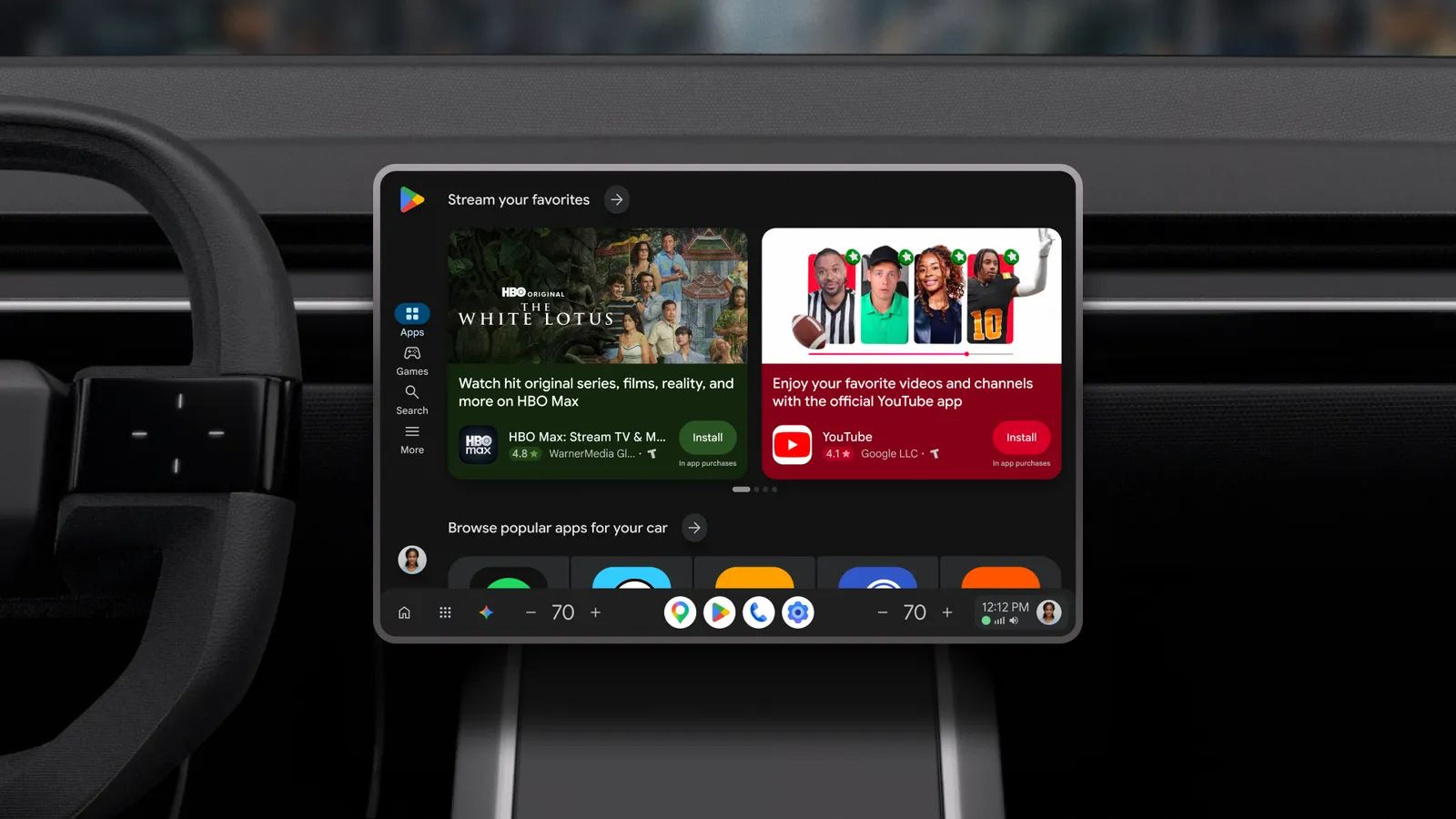
Google is rolling out a comprehensive software update designed to transform the in-car entertainment experience for vehicles equipped with Google built-in (running Android Automotive). The centerpiece of this update is a completely redesigned Google Play Store, engineered specifically for the unique demands of automotive hardware. In addition to a more responsive and adaptable app marketplace, the tech giant is introducing new third-party applications—including STARZ, Firefox, Ludo King, and JioHotstar—and a highly anticipated upgrade to YouTube that bridges the gap between parked downtime and active driving.
Unlike traditional software updates that require manual downloads or visits to a dealership, these enhancements will be pushed automatically over the air (OTA) to eligible vehicles over the coming weeks. The update targets vehicles with native operating systems powered by Google, distinguishing it from standard phone-projection systems like Android Auto.
Chronology: The Evolution of In-Car Google Ecosystems
To understand the significance of this latest rollout, it is helpful to look at how Google’s automotive footprint has evolved over the past several years:
- The Early Days (Android Auto): Google initially entered the automotive space with Android Auto, a projection-based software that mirrored a user’s smartphone apps onto the car’s infotainment screen. While popular, it was bound by the processing power and connectivity of the connected mobile phone.
- The Shift to Native OS (Android Automotive): Recognizing the limitations of screen mirroring, Google developed Android Automotive OS—a full, standalone operating system built directly into the vehicle’s hardware. Prominently adopted by brands like Volvo, Polestar, Renault, and General Motors, this platform allowed for deeply integrated vehicle controls, native Google Maps, and a dedicated Google Play Store.
- Growth of the Catalog: Over the past few years, the ecosystem expanded steadily. By late 2023, the compatible vehicle app catalog surpassed 700 applications, spanning audio streaming, navigation, and casual gaming.
- The 2023 UI Overhaul Announcement: Google began teasing adaptive UI designs and context-aware storefronts to address user complaints regarding clunky, phone-ported interfaces on wide, portrait, or unorthodox dashboard displays.
- The Current Rollout: Google officially confirmed the global deployment of the redesigned Play Store interface, the introduction of high-profile entertainment and browser apps, and the transition of YouTube into a smart, audio-safe driving companion.
Supporting Data & Technical Features
The transition from a one-size-fits-all mobile layout to a purpose-built automotive interface addresses several long-standing user experience (UX) hurdles in modern connected cars.
1. The Adaptive, Context-Aware Play Store
With over 700 apps currently available in vehicles with Google built-in, discovery was becoming increasingly difficult. The updated Play Store layout features:
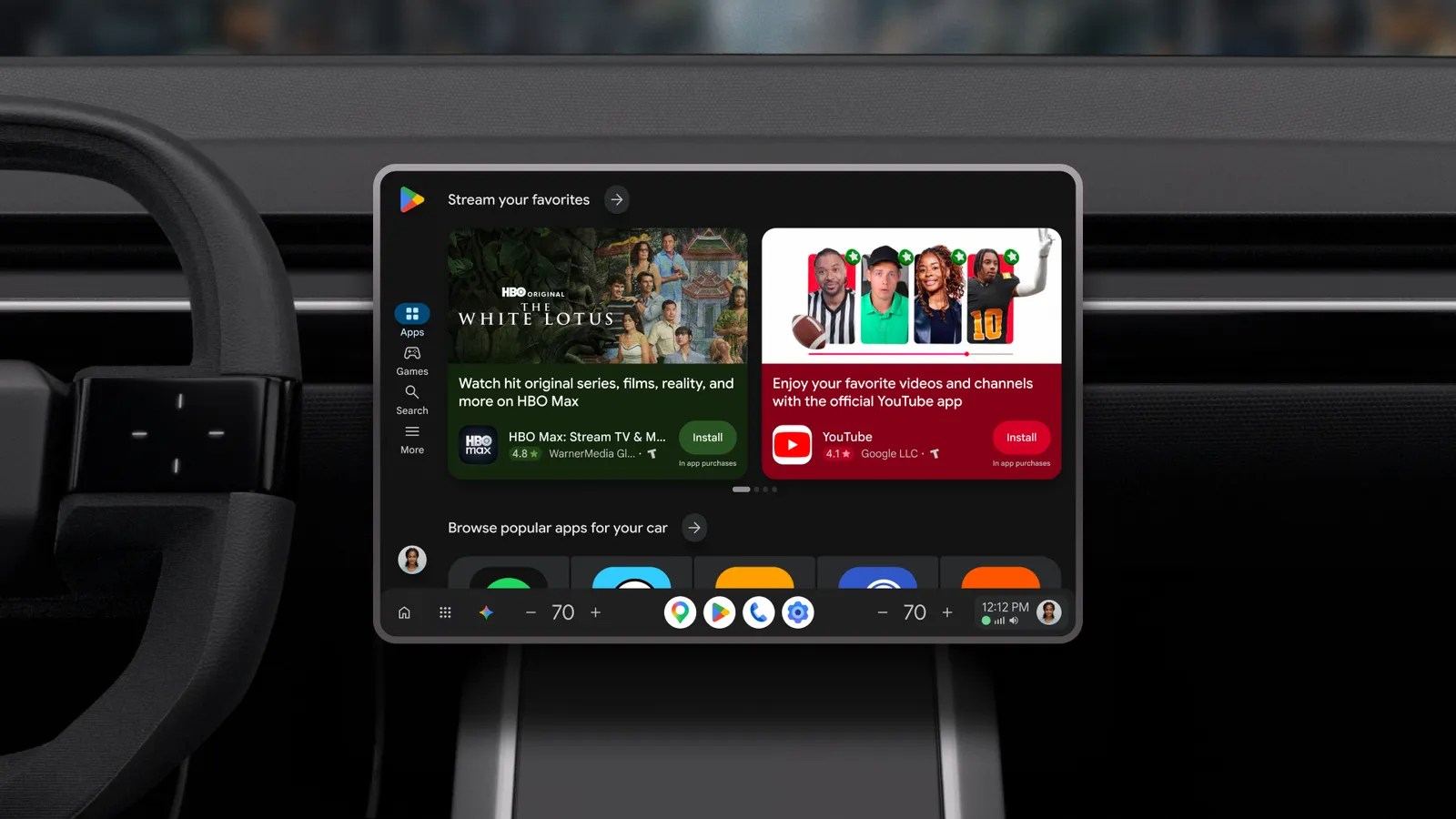
- Dynamic UI Adaptation: The storefront automatically scales to fit varying screen dimensions, aspect ratios, and orientations—whether a vertical Tesla-style tablet or a wide, horizontal luxury dashboard layout.
- Curated Collections: Apps are now intelligently categorized based on vehicle status. Drivers and passengers will see distinct recommendations depending on whether the car is parked (e.g., video streaming, browsing, gaming) or in motion (e.g., audio, navigation, productivity).
- One-Tap Downloads: Reducing friction is critical for safety and convenience; the new architecture enables streamlined, single-tap installations directly from the dashboard.
2. Expanding the App Ecosystem
While navigation and music were the primary focus of early automotive software, the modern EV charging stop requires new forms of engagement. Google is expanding its partnership network to include:
- STARZ: For premium movie and television streaming while parked.
- Firefox: Bringing independent web browsing directly to the dashboard.
- Ludo King: Adding casual multiplayer gaming for waiting passengers or resting drivers.
- JioHotstar: Expanding regional streaming content availability for international markets.
3. The Mechanics of YouTube’s Background Playback
One of the most friction-heavy aspects of in-car video consumption has been abrupt interruption. Previously, shifting a vehicle out of "Park" and into "Drive" would instantly terminate active YouTube video playback, frustrating users who were in the middle of a long-form podcast or interview.
The new update solves this through seamless context-switching:
- Parked State: Occupants can watch full video content on the central display while the vehicle is stationary.
- Drive Transition: The moment the driver shifts into drive, the system automatically transitions the stream from audio-visual to audio-only background playback.
- The Subscription Caveat: This feature is tied directly to a YouTube Premium subscription, marking another push by Google to bundle its premium cloud services with automotive hardware packages.
Official Responses and Industry Context
While Google has not held a formal live-streamed press conference for this minor point release, official statements via the Google Developers and Platforms Blog emphasize the company’s long-term vision for the "software-defined vehicle."
"Our goal is to make the car an extension of your digital life without compromising safety," noted a Google spokesperson in the accompanying platform documentation. "By tailoring the Google Play Store to fit the unique form factors of modern dashboards and bridging the gap between parked entertainment and driving utilities, we are ensuring that time spent in the vehicle—whether moving or charging—is more intuitive and enjoyable."
Industry analysts point out that as electric vehicles (EVs) become more mainstream, charging times averaging 20 to 45 minutes have turned the car cabin into a "third living space." Automakers and software providers are under immense pressure to replicate living room entertainment ecosystems safely and legally. By updating Android Automotive independently of phone-based protocols like Android Auto, Google is solidifying its B2B relationships with major automotive manufacturers who prefer a deeply integrated, white-label software stack over smartphone mirroring.
Implications for Drivers, Automakers, and Competitors
The rollout of these features carries significant implications across the automotive and tech sectors:
For Drivers and Passengers
- Enhanced Utility During Charging: Long road trips in electric vehicles will become less tedious, as passengers can stream high-end content via STARZ or browse the web through Firefox while fast-charging.
- Reduced Distraction: The automated shift from video to audio on YouTube drastically lowers the temptation for drivers to glance at moving images on the center console, reinforcing road safety.
- Frictionless Updates: Because the updates occur automatically over the air (OTA), users do not need to worry about manual firmware flashes or visiting service centers.
For Automakers
- Automotive brands partnering with Google (such as Volvo, Polestar, GM, and Honda) gain access to a world-class app ecosystem without needing to invest billions in proprietary software development. This allows traditional car manufacturers to compete directly with software-first companies like Tesla and Rivian.
For Competitors (Apple CarPlay and Android Auto)
- This update underscores the widening gulf between Android Auto (and Apple CarPlay) and Android Automotive OS. While phone-projection systems remain popular, they are ultimately limited by the operating system of the connected smartphone. By controlling the native vehicle OS, Google can offer deep vehicle integrations—such as battery-level routing in Google Maps and native background media transitions—that projection software simply cannot replicate. Google has not yet confirmed whether the automatic background playback feature will eventually trickle down to Android Auto users.
Summary
Google’s latest software push for Android Automotive represents a mature step forward in the battle for dashboard dominance. By refining the Google Play Store with responsive design layouts, expanding vital media and gaming apps, and solving the nuisance of interrupted YouTube streams, Google is making the connected car feel less like a machine with a computer attached, and more like a smart, living digital environment. Eligible vehicle owners can expect these updates to appear automatically over the next few weeks.



