










Main Facts
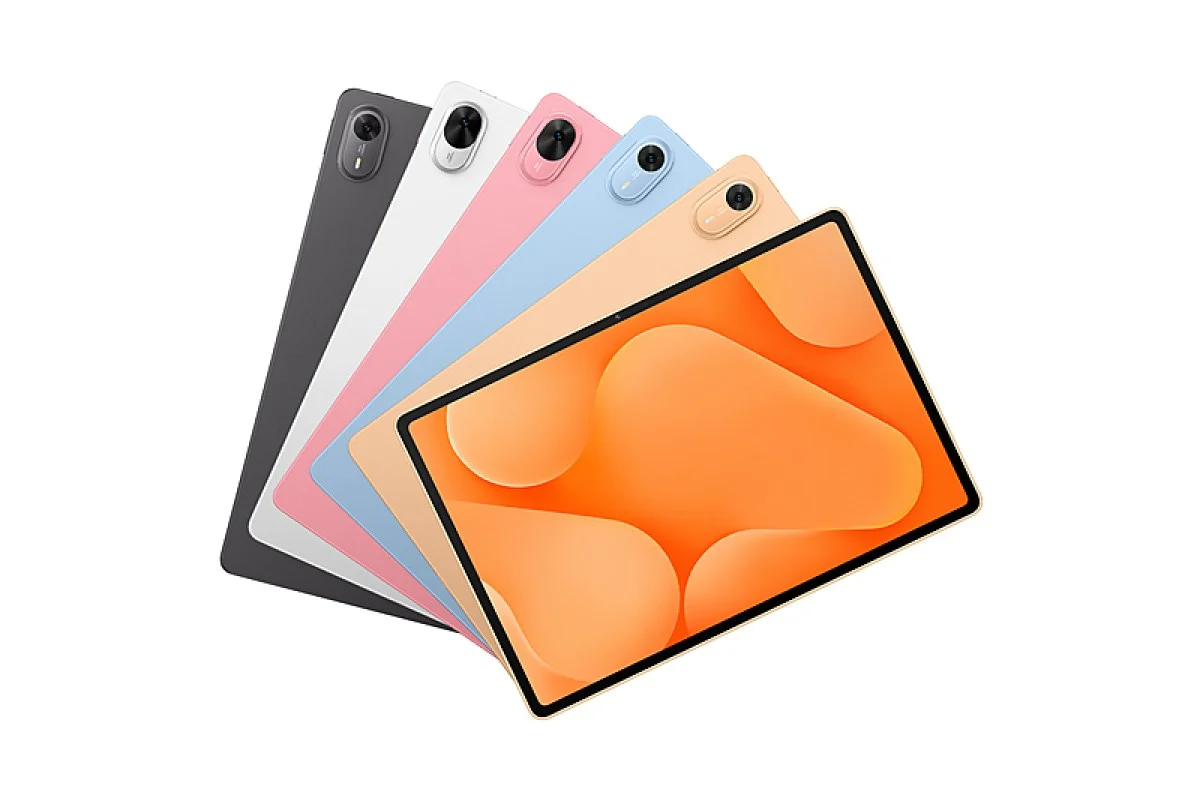
Huawei has officially announced the expansion of its tablet lineup with the launch of the brand-new MatePad Air Z series in the Chinese market. Designed to cater to a diverse segment of consumers ranging from enterprise professionals and digital creators to students and multimedia enthusiasts, the MatePad Air Z introduces a bifurcated approach to the company’s upper-mid-range tablet portfolio.
The new lineup comprises two primary configurations: the Standard Edition and the Enjoy Edition. While both devices share a foundational design philosophy and key engineering pillars, subtle yet impactful differences define their respective target audiences, particularly concerning display technology, internal processing power, and charging capabilities.
At the core of all MatePad Air Z variants is a sweeping 12-inch IPS LCD panel, engineered with a crisp resolution of 2800 x 1840 pixels. Deviating from the standard cinematic 16:9 or 16:10 aspect ratios frequently seen in consumer tablets, Huawei has opted for a productivity-focused 3:2 aspect ratio. This geometry provides more vertical screen real estate, making the device exceptionally well-suited for document editing, web browsing, and multi-window multitasking. Furthermore, all models in the series boast a fluid 144Hz refresh rate, ensuring that scrolling, pen-based navigation, and high-frame-rate content consumption remain seamlessly responsive.
Under the hood, the series leverages Huawei’s proprietary silicon architecture, featuring the Kirin T93SD and Kirin T93S chipsets, paired flexibly with 8GB or 12GB of RAM and internal storage configurations spanning 128GB to 256GB. Imaging capabilities are anchored by a high-resolution 50-megapixel primary rear camera, complemented by an 8-megapixel front-facing camera tailored for video conferencing and facial authentication. Powering the entire ecosystem is a robust 10,100mAh battery, backed by modern connectivity suites including Wi-Fi 7 and Bluetooth 6.0, all orchestrated by Huawei’s proprietary HarmonyOS 7.
Chronology of the Launch and Market Rollout
The rollout of the MatePad Air Z series marks a significant milestone in Huawei’s late-year product cadence. The journey to the device’s public debut began circulating through supply chain whispers and regulatory filings earlier in the third quarter, teasing a performance-oriented tablet designed to bridge the gap between premium flagship devices and budget-friendly alternatives.
- Early September 2026: Industry insiders and regulatory databases in China began picking up certifications for mysterious new Huawei hardware bearing model numbers consistent with the MatePad Air lineage. Speculation centered around an upcoming refresh aimed at countering aggressive domestic competition.
- Mid-September 2026: Huawei officially initiated a targeted teaser campaign across Chinese social media platforms, including Weibo, highlighting the tablet’s productivity metrics, notably its 3:2 aspect ratio and fluid display mechanics.
- Today: Huawei officially took the wraps off the MatePad Air Z series in China via a digital product showcase. Pre-orders immediately went live on official sales channels such as VMall, alongside brick-and-mortar experiential stores across major Chinese metropolitan areas.
- Upcoming Weeks: Initial consumer shipments are slated to begin shortly. Market analysts are closely monitoring initial sales velocities to determine whether Huawei will expand the MatePad Air Z availability to international markets, a strategy the company has increasingly selectively deployed depending on regional demand for HarmonyOS-driven hardware.
Supporting Data, Pricing, and Hardware Specifications
To fully understand the market positioning of the MatePad Air Z series, a granular examination of its specifications, tiering, and pricing strategy is required.
Display and Visual Technology
While the baseline display dimensions remain uniform across the lineup—featuring a 12-inch IPS LCD panel operating at 2800 x 1840 pixels with a 144Hz refresh rate—Huawei has introduced a specialized variant that sets a new benchmark for reading and digital note-taking:
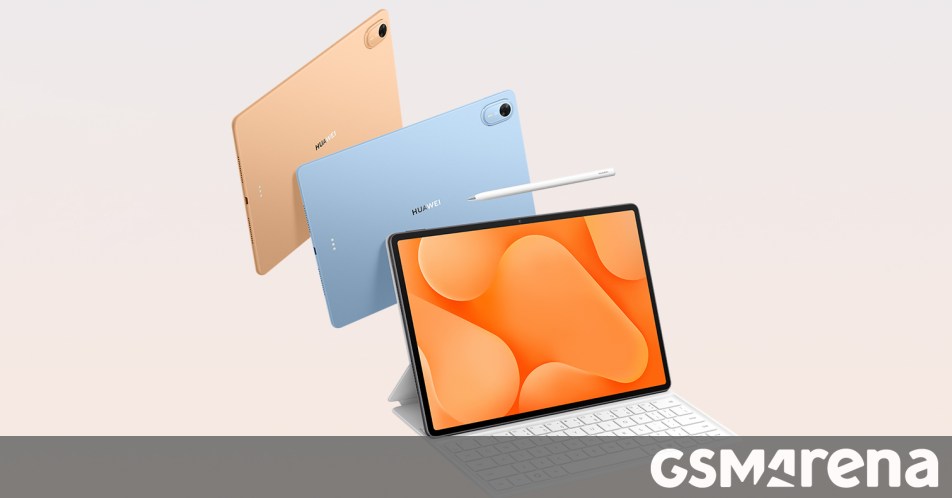
- Standard & Enjoy Editions: Feature standard high-grade IPS LCD panels optimized for color accuracy and media consumption.
- PaperMatte Edition: Available as a specialized configuration of the Standard Edition, this model incorporates nano-etching anti-glare technology designed to eliminate ambient reflections and mimic the tactile friction of real paper. This makes it an ideal canvas for the M-Pencil stylus, significantly reducing eye strain during extended reading and writing sessions.
Processing Power and Memory Architecture
Performance metrics vary slightly depending on the exact tier chosen by the consumer:
- Standard and Enjoy Editions: Powered by the octa-core Huawei Kirin T93SD chipset, delivering reliable processing power for multitasking, productivity suites, and casual gaming.
- PaperMatte Edition: Steps up to the optimized Kirin T93S System-on-Chip (SoC), specifically tuned to manage the intensive rendering demands associated with anti-glare matte display layers and complex stylus input latency reduction.
- Memory & Storage: All versions offer flexible configurations, allowing users to select between 8GB or 12GB of RAM, coupled with either 128GB or 256GB of onboard non-volatile storage.
Optics and Imaging
Tablet photography has historically played a secondary role to core computing performance, but Huawei has equipped the MatePad Air Z with a versatile camera array:
- Rear Camera: A high-resolution 50-megapixel primary sensor capable of capturing crisp document scans and detailed imagery. Crucially, the Standard Edition (and PaperMatte variant) includes an integrated LED flash, a feature omitted from the more cost-conscious Enjoy Edition.
- Front Camera: An 8-megapixel front-facing ultra-wide shooter positioned along the landscape bezel, optimized for video calls in professional and educational environments.
Power, Battery, and Charging Mechanics
Energy infrastructure is a critical selling point for modern productivity tablets:
- Battery Capacity: All models house a dense 10,100mAh battery, engineered to comfortably clear a full day of intensive usage under mixed office and multimedia workflows.
- Charging Speeds: A clear differentiator emerges in energy replenishment. The Standard and PaperMatte Editions support rapid 66W wired charging, minimizing downtime. Conversely, the Enjoy Edition is capped at 40W charging speeds, reflecting its position as the entry-level offering.
Software and Connectivity
- Operating System: The tablets run out of the box on HarmonyOS 7, bringing deeply integrated cross-device collaboration features, advanced multi-window management, and seamless file sharing with Huawei smartphones and MateBook laptops.
- Connectivity: Next-generation standards are fully embraced, featuring Wi-Fi 7 for ultra-fast, low-latency wireless networking and Bluetooth 6.0 for stable peripheral connections.
Comprehensive Pricing Breakdown
Huawei has structured the pricing tiers to capture a wide economic swath of the Chinese consumer electronics market:
- MatePad Air Z Enjoy Edition: Starts at CNY 2,999 (~$447). To stimulate immediate adoption, Huawei has launched a promotional CNY 200 discount, effectively lowering the entry barrier to CNY 2,799 (~$417).
- MatePad Air Z Standard Edition: Commands a baseline starting price of CNY 3,699 (~$551).
- MatePad Air Z PaperMatte Edition: Positioned as the premier productivity offering, this configuration carries a CNY 600 premium over the standard edition, reflecting the advanced manufacturing costs associated with the specialized anti-glare display and upgraded Kirin T93S chipset.
Official Responses and Corporate Strategy
Huawei’s executive team and product managers have positioned the MatePad Air Z series as a direct response to the evolving demands of mobile professionals and students who require uncompromised productivity tools without the prohibitive cost overhead associated with ultra-premium flagship devices like the MatePad Pro series.
During the introductory briefings in Shenzhen, Huawei representatives emphasized that the creation of the "Enjoy Edition" alongside the "Standard" and "PaperMatte" models was driven by extensive consumer feedback. The company noted a surging demand for large-screen devices optimized for remote work and digital education, areas where ergonomics, display clarity, and battery endurance are paramount.
Furthermore, the integration of HarmonyOS 7 across the new tablet series underscores Huawei’s long-term corporate strategy: the total consolidation of its proprietary software ecosystem. By ensuring that devices ranging from budget-tier enjoy editions to high-end paper-texture variants operate on the same unified OS infrastructure, Huawei aims to strengthen consumer retention within its proprietary device web. The company highlighted that features like cross-device clipboard sharing, seamless multi-screen collaboration, and deep AI-driven task management are no longer exclusive to its highest-priced hardware, thereby democratizing the ecosystem experience for everyday users.
Market Implications and Future Outlook
The launch of the Huawei MatePad Air Z series carries significant implications for the highly competitive Chinese tablet market, while also offering broader signals regarding the trajectory of consumer technology hardware.
1. Intensifying Domestic Competition
The Chinese tablet landscape is fiercely contested by domestic heavyweights, including Xiaomi, Lenovo, Honor, and vivo, alongside global players like Apple. By introducing a granular tiered strategy—offering a feature-rich standard model, an eye-friendly paper-matte variant for creatives, and an aggressively priced Enjoy Edition—Huawei is effectively blanketing the mid-to-high-end pricing brackets. The promotional discount on the Enjoy Edition ($417 equivalent) places immense pressure on rival brands offering similarly sized displays in the sub-$450 category.
2. Mainstreaming of Specialized Display Technology
The inclusion of a PaperMatte edition as a core configurable tier (rather than an afterthought accessory) highlights the mainstreaming of paper-like, anti-glare display surfaces. As digital note-taking, e-reading, and stylus-based artistic workflows continue to displace traditional paper, consumers increasingly expect matte, glare-free options directly from the factory. Huawei’s aggressive pricing and push into this segment may force competitors to accelerate their own developments in nano-etched glass and specialized LCD coatings.
3. Ecosystem Resilience and Software Maturity
Despite ongoing geopolitical and supply chain hurdles, the continued refinement and deployment of homegrown silicon—such as the Kirin T93SD and T93S processors—demonstrates Huawei’s remarkable supply chain resilience. Paired with HarmonyOS 7, these hardware launches prove that the company’s operating system ecosystem is not only surviving independently of Western software dependencies but is actively evolving to deliver sophisticated multi-device synergy.
4. Global Market Considerations
While the MatePad Air Z is currently a China-exclusive release, successful domestic performance often serves as a precursor to broader international distribution. Should Huawei decide to export the MatePad Air Z series to European, Southeast Asian, or Middle Eastern markets later in the product lifecycle, it could provide a potent weapon in the company’s ongoing efforts to recapture global market share in the post-PC productivity segment. For now, however, all eyes remain on how domestic consumers respond to this versatile, well-calibrated new entrant in Huawei’s hardware catalog.



