










Ranking at the top of Google’s organic results has long been the primary objective of SEO professionals. However, in the modern search landscape, reaching "Position One" is no longer the pinnacle of success. The true "holy grail" is now Position Zero—the coveted Google Answer Box (also known as a Featured Snippet).
Securing this space means your content is elevated above all other search results, providing users with an immediate, authoritative answer. As search technology shifts from simple keyword matching to complex, AI-driven synthesis, understanding how to win this space is essential for any brand looking to dominate its niche.
What Is a Google Answer Box?
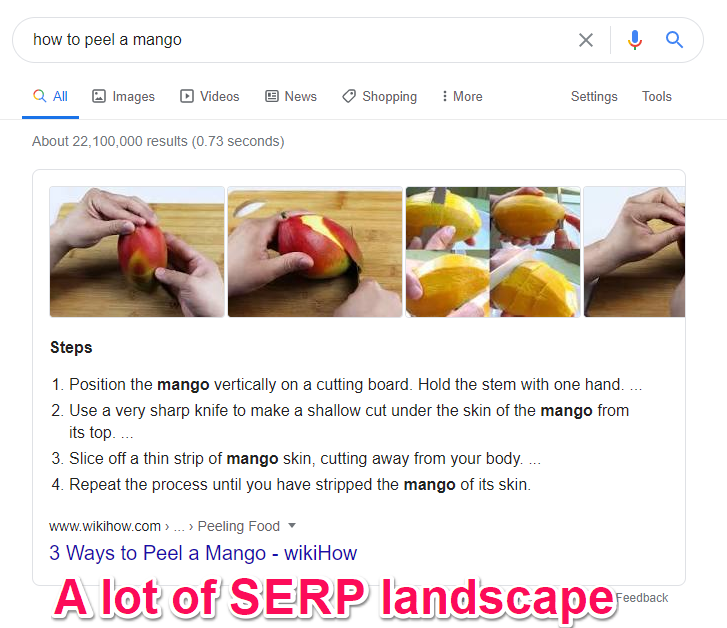
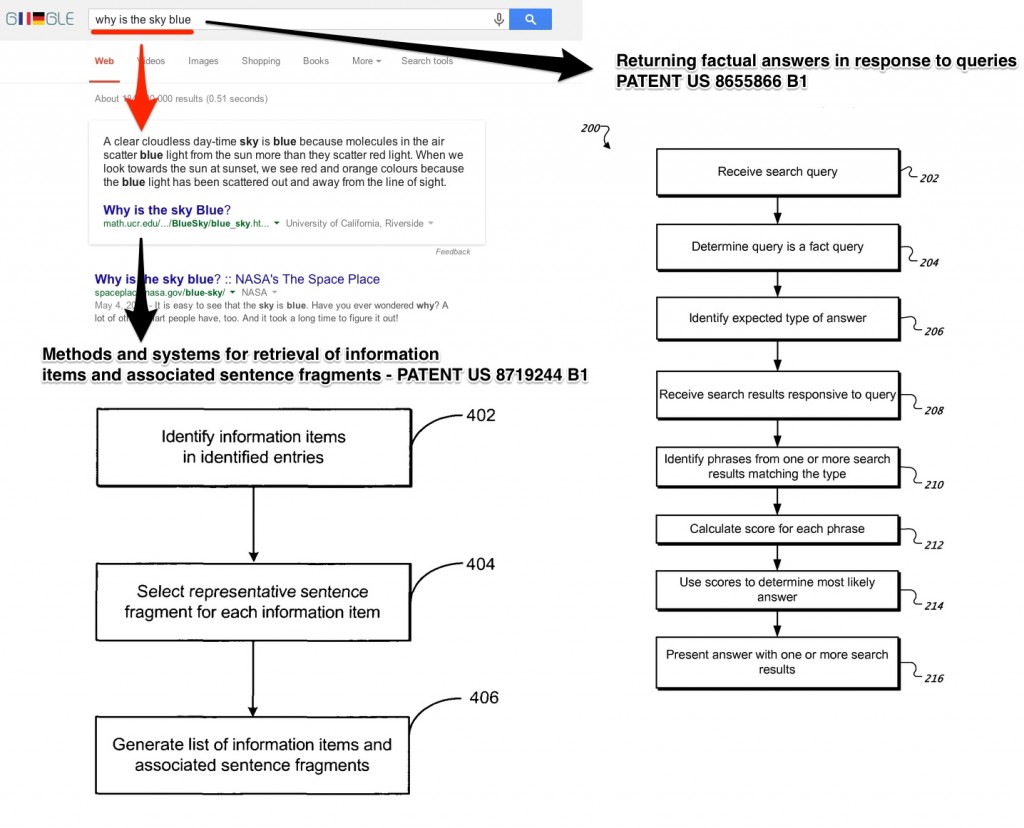
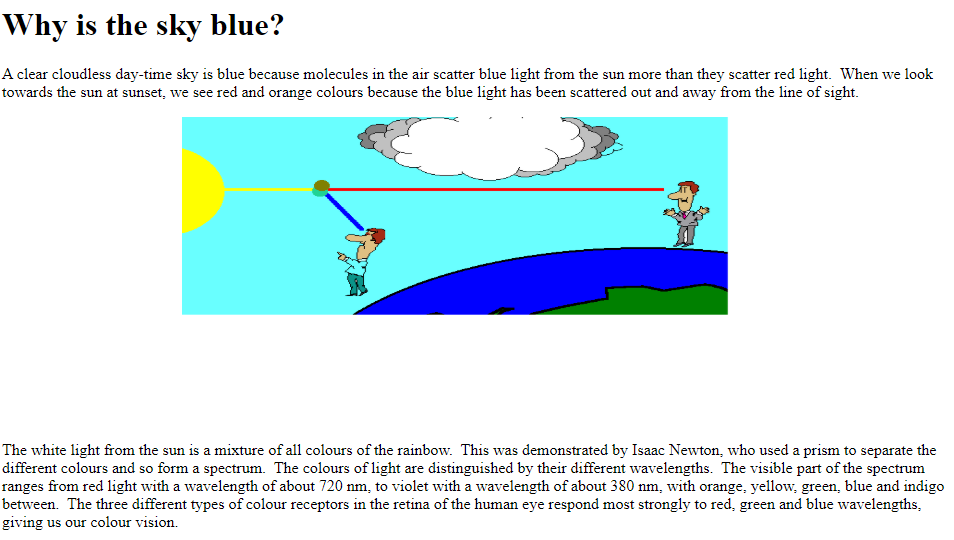
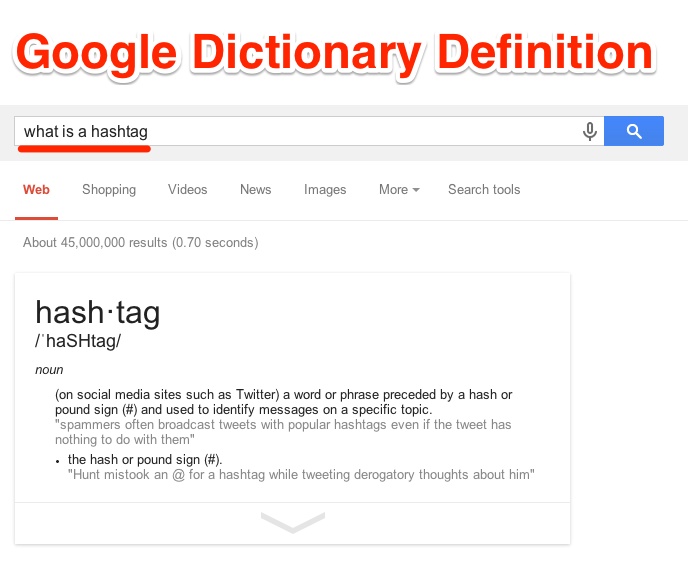
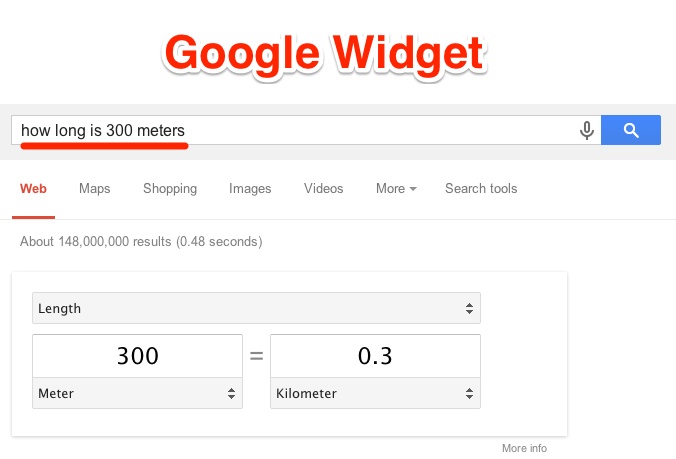
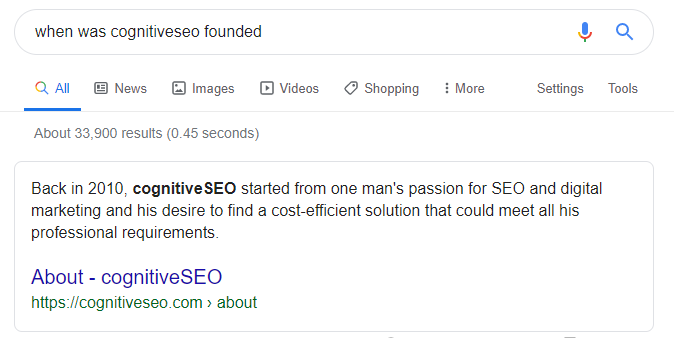
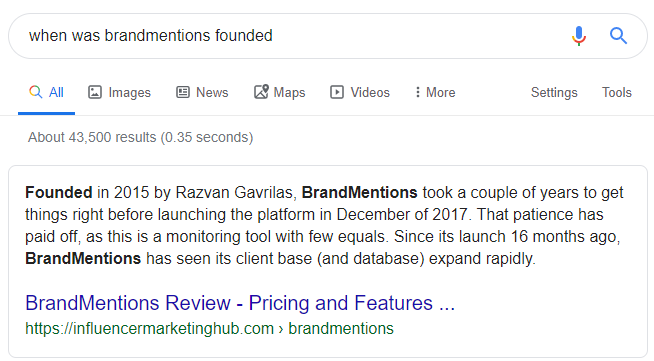
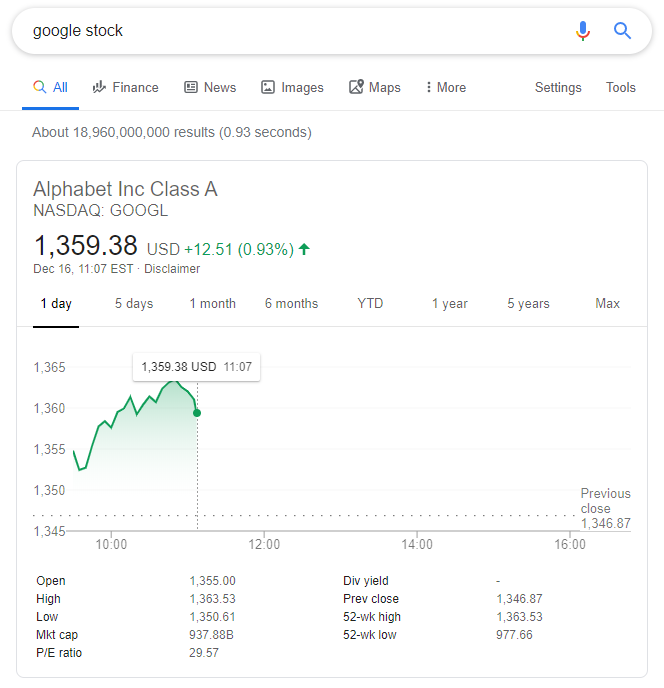
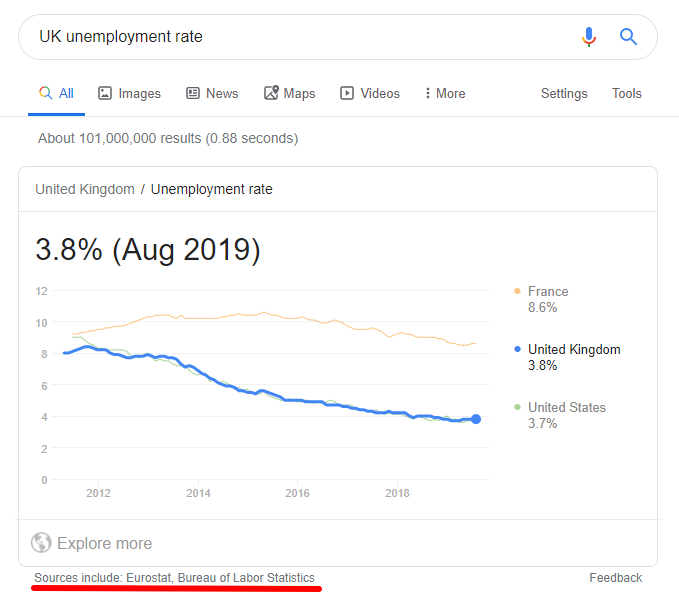
Google’s Answer Box is a specialized search result displayed at the top of the Search Engine Results Page (SERP). Unlike standard links, these boxes are designed to provide direct, instant answers to user queries, often pulling information from the Knowledge Graph or scraping high-authority websites.
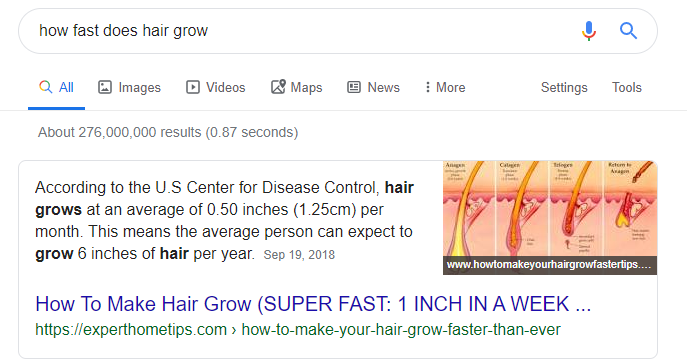
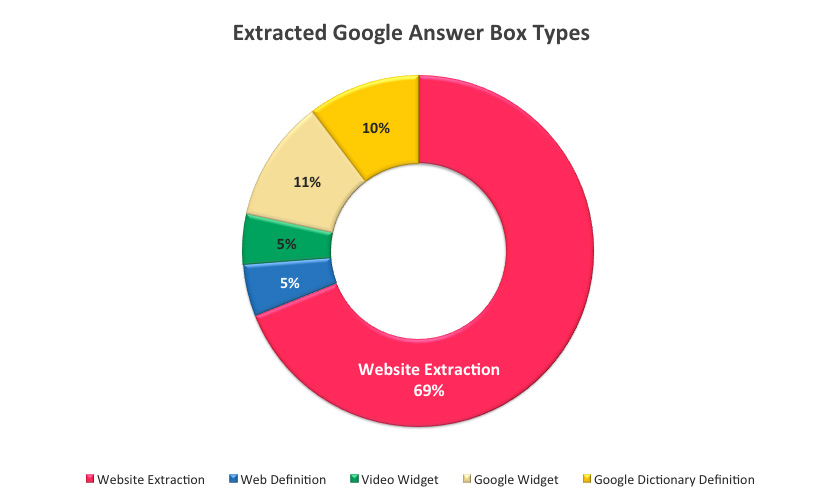
Whether you call them "featured snippets," "instant answers," or "position zero," their purpose remains the same: to minimize the time a user spends searching for an answer. These boxes can take various forms, including:
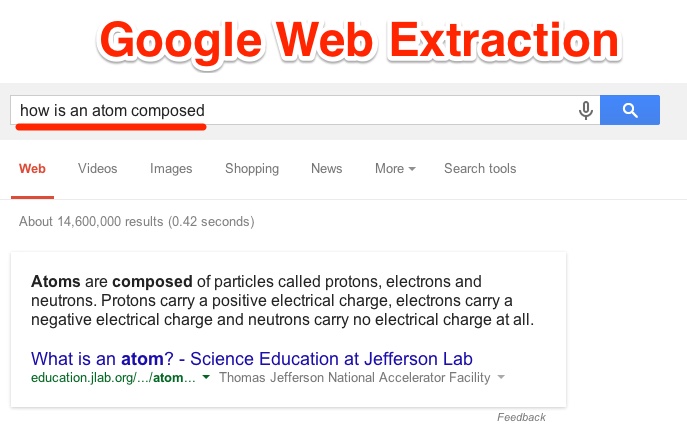
- Paragraphs: Short, concise summaries of a topic.
- Lists: Bulleted or numbered steps for "how-to" queries.
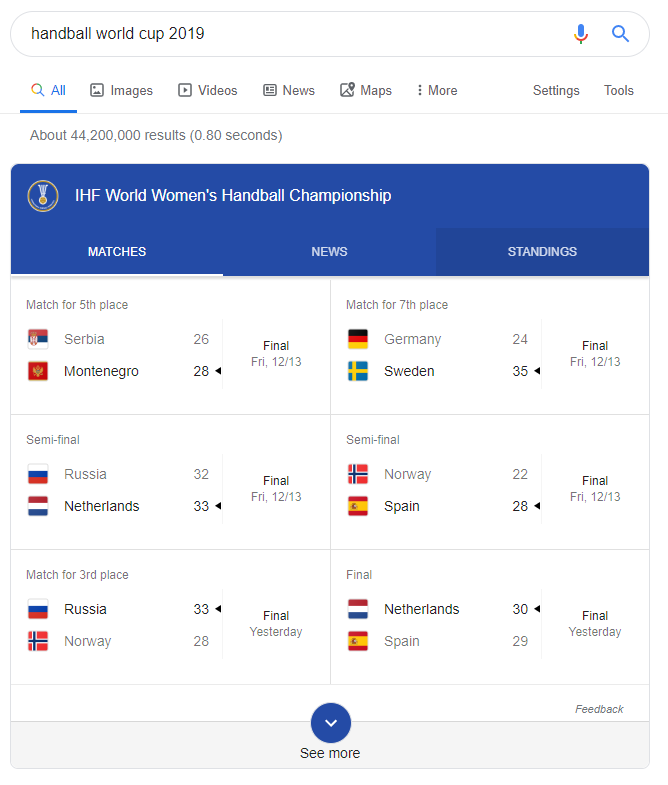
- Tables: Structured data comparing variables.
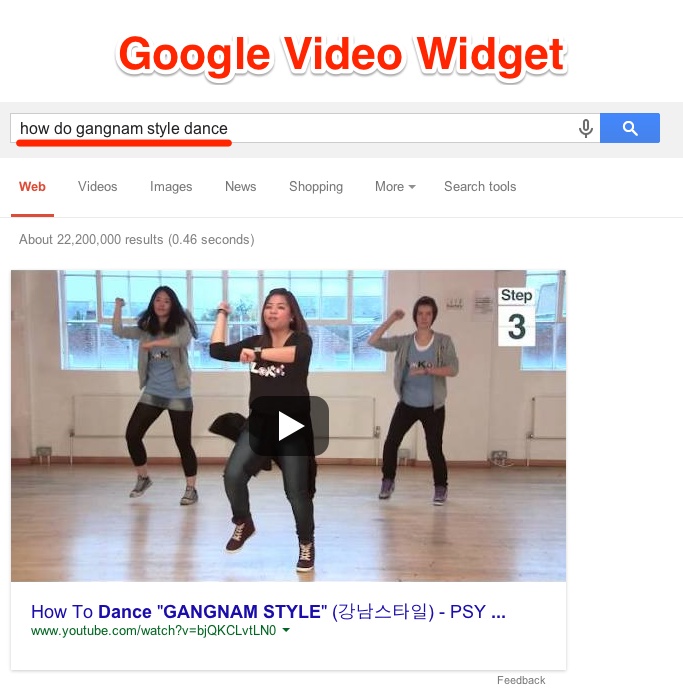
- Media: Integrated images, graphs, or videos.
The rise of this feature is rooted in Google’s evolution toward a "semantic" search engine. With the introduction of the Hummingbird algorithm in 2013 and the transformative BERT update in 2019, Google became far more adept at understanding the context behind a user’s intent rather than just identifying keywords.
The Chronology of Search: From Blue Links to AI Overviews
The journey of the Google search experience has been one of constant refinement.
- The Early Era (1998–2012): Search was primarily a list of "ten blue links." Success was defined by keyword density and backlink volume.
- The Knowledge Graph Era (2012–2019): Google began shifting from a "search engine" to an "answer engine." Features like the Answer Box and Knowledge Panels emerged, allowing Google to synthesize facts directly on the results page.
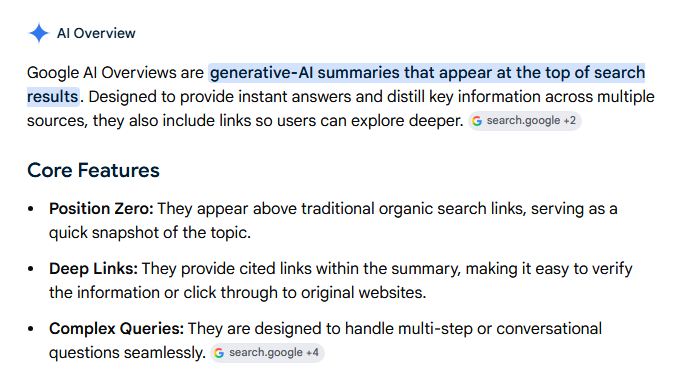
- The AI Era (2020–Present): With the advent of large language models and Generative AI, we are witnessing a pivot toward AI Overviews. Today, Google doesn’t just extract a snippet from one page; it analyzes multiple sources across the web to generate a conversational, synthesized response.
In 2026, the challenge has grown. AI systems now evaluate a brand’s entire digital footprint—including social media sentiment, industry forum discussions, and third-party mentions—to determine if a source is trustworthy enough to be cited in an AI-generated summary.
The Strategic Importance of Position Zero
From an SEO perspective, "owning" an answer box is a massive competitive advantage. It effectively expands your "SERP landscape," ensuring your brand occupies the most valuable real estate on the page.
Why Rankings Alone Are No Longer Enough
In a saturated market, even the number-one ranked site can be overshadowed by a well-structured answer box. Because these boxes occupy the top of the screen—often pushing standard results below the fold—they are the first thing users see. While some critics argue that answer boxes might decrease click-through rates (CTR) by providing the answer immediately, the trade-off is often a significant increase in brand authority and trust. When Google chooses your content to answer a user’s question, it implicitly endorses your brand as the expert in that niche.
How Google Selects Winners: The Mechanics of Extraction
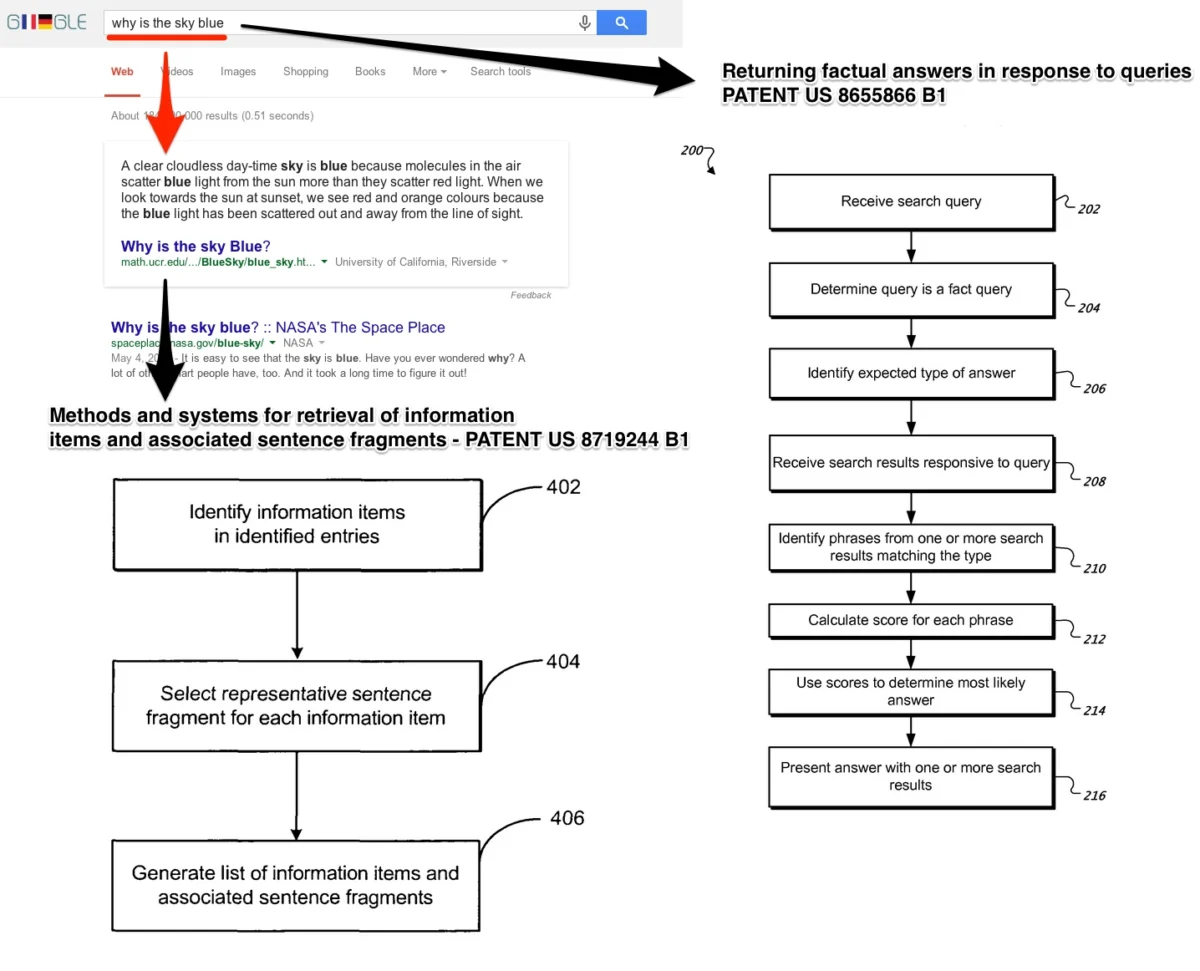
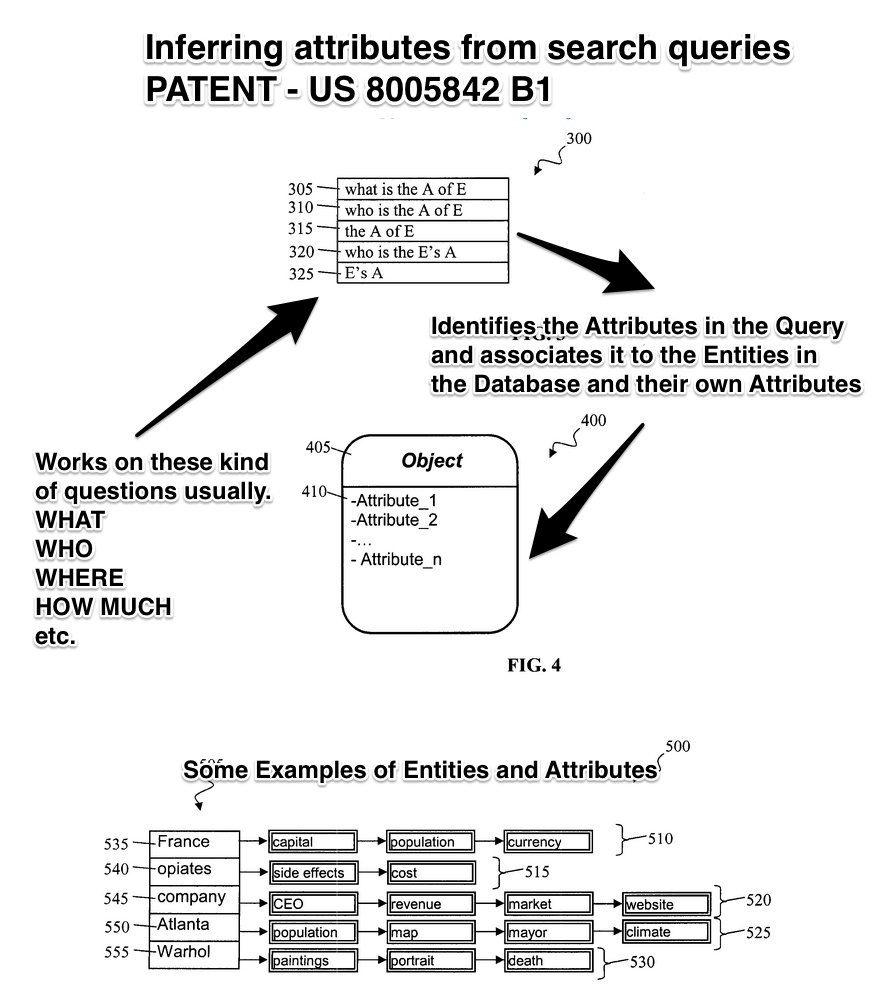
Google’s algorithm operates on a sophisticated scoring system. It assumes that a search query consists of an Entity (the subject) and an Attribute (the specific piece of information being requested).
The "E’s A" Logic
For a query like "Ukraine’s GDP," Google identifies "Ukraine" as the entity and "GDP" as the attribute. It maintains a database of these entities and attributes, pulling data from sources it deems "authoritative."
Key Ranking Factors for Snippets:
- Structure: Content must be formatted in a way that is machine-readable. This includes clear H2/H3 headings, bulleted lists, and concise, 40-to-60-word paragraphs.
- Topical Authority: Google prefers sites that demonstrate deep, multi-faceted knowledge of a subject. A single article on a topic is less likely to win than a site with a robust library of interlinked, authoritative content.
- Directness: The answer must be prominent. If a user asks "How fast does hair grow," the answer should ideally appear in the very first paragraph of the content, avoiding unnecessary preamble.
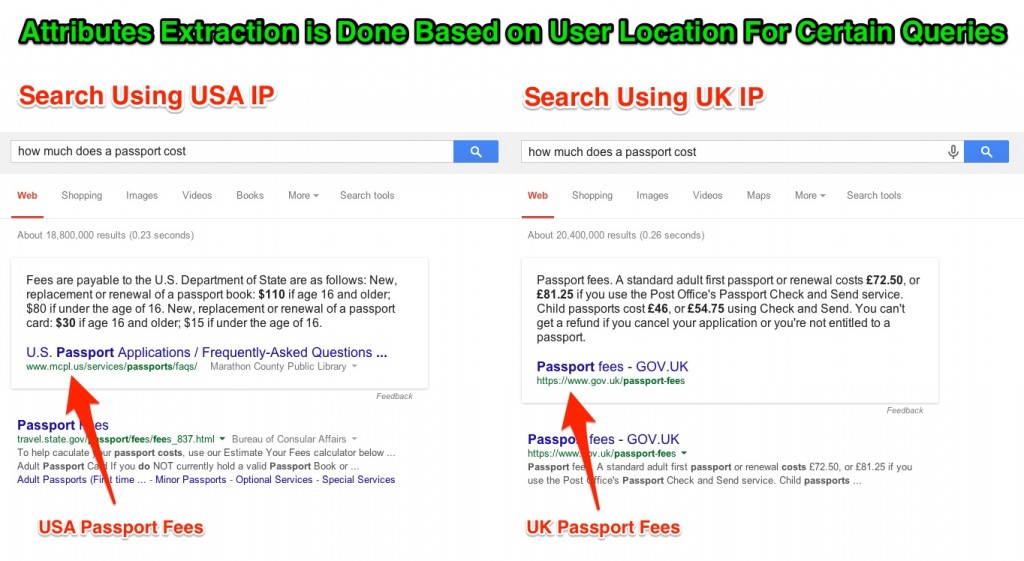
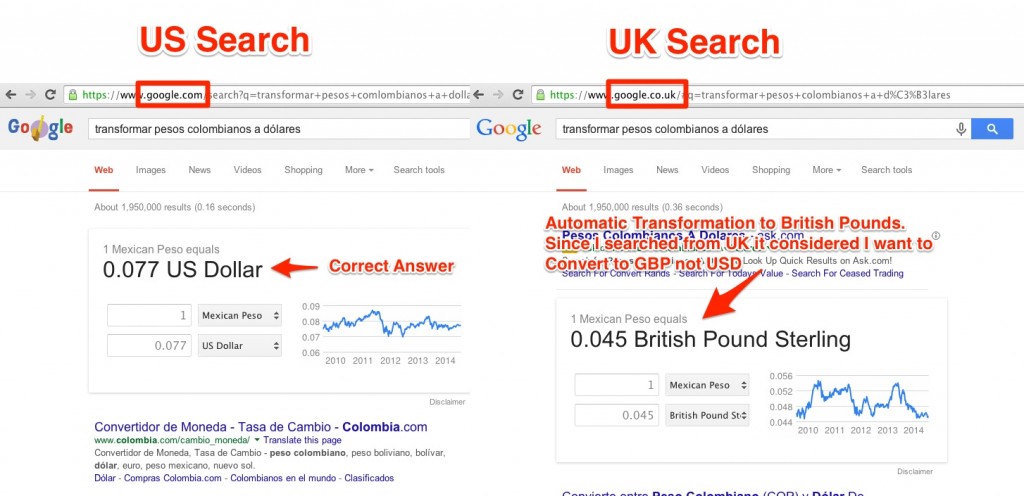
- Location Sensitivity: For many queries, such as "how much does a passport cost," Google tailors results based on the user’s IP address. This reinforces the need for brands to account for local intent.
Optimizing for the Future: A Four-Step Tactic
To earn your place in the AI-driven search ecosystem, follow these four pillars of optimization:
1. Identify "Answerable" Keywords
Use keyword research tools to find questions your audience is asking. Focus on "long-tail" keywords that are phrased as direct questions (e.g., "Why does my organic traffic drop?" rather than just "SEO traffic").
2. Perform Gap Analysis
Search for your target keywords and identify where current answer boxes are incomplete or inaccurate. If a competitor is ranking for a query but the answer is vague, you have a prime opportunity to create a more comprehensive, better-structured resource.
3. Structure for Clarity
Google loves order. Use numbered lists for sequential processes and tables for comparative data. Keep your sentences crisp and avoid marketing jargon. The goal is to make it as easy as possible for the AI to "read" your answer.
4. Build Digital Reputation
As AI systems shift toward synthesizing multiple sources, your brand’s presence across the web matters more than ever. Encourage mentions in industry publications, engage on social media, and ensure your brand is active in relevant forums. AI engines are increasingly influenced by the "collective voice" of the web.
Implications: The Ethics and Economics of Answer Boxes
The rise of the Answer Box and AI Overviews is not without controversy. Many publishers are concerned about the "theft" of traffic—when Google provides the answer, the user has no incentive to click through to the source.
Can You Advertise in the Answer Box?
According to Google, the answer is a firm "no." The company maintains that Answer Boxes are strictly informational, not commercial. John Mueller, a Search Advocate at Google, has stated that Google actively tries to avoid making these boxes look like advertisements for a specific business.
However, the line is often blurred. For some queries, Google may link to a broker or a third-party review site. This highlights a critical reality: the best way to "advertise" in the answer box is through high-quality, informational content. If you provide the most value, Google is more likely to feature you, regardless of whether you are a government agency, a news outlet, or a corporate blog.
Conclusion: Adapting to the New Reality
The search industry is no longer just about optimizing for a machine; it is about becoming a trusted entity that AI systems choose to reference. While the technical aspects of SEO—such as schema markup and site speed—remain foundational, the future belongs to brands that invest in authority and user-centric content.
As we look toward 2026, the goal is clear: don’t just aim for a link; aim to be the source of truth. By combining structured, high-quality content with a broad, authoritative digital presence, you can ensure that when Google or its AI counterparts go looking for an answer, they find yours first.



