As the digital landscape continues to evolve at a blistering pace, the tools we use to build the web must adapt to meet the changing demands of creators, developers, and businesses alike. Entering the ecosystem with a mandate for absolute versatility, the Twenty Twenty-Four theme has rapidly ascended to become one of the most prominent default themes in content management history. Surpassing an impressive milestone of over 500,000 active installations, this flagship release represents a watershed moment for the WordPress community, signaling a mature, deeply integrated approach to modern site building.
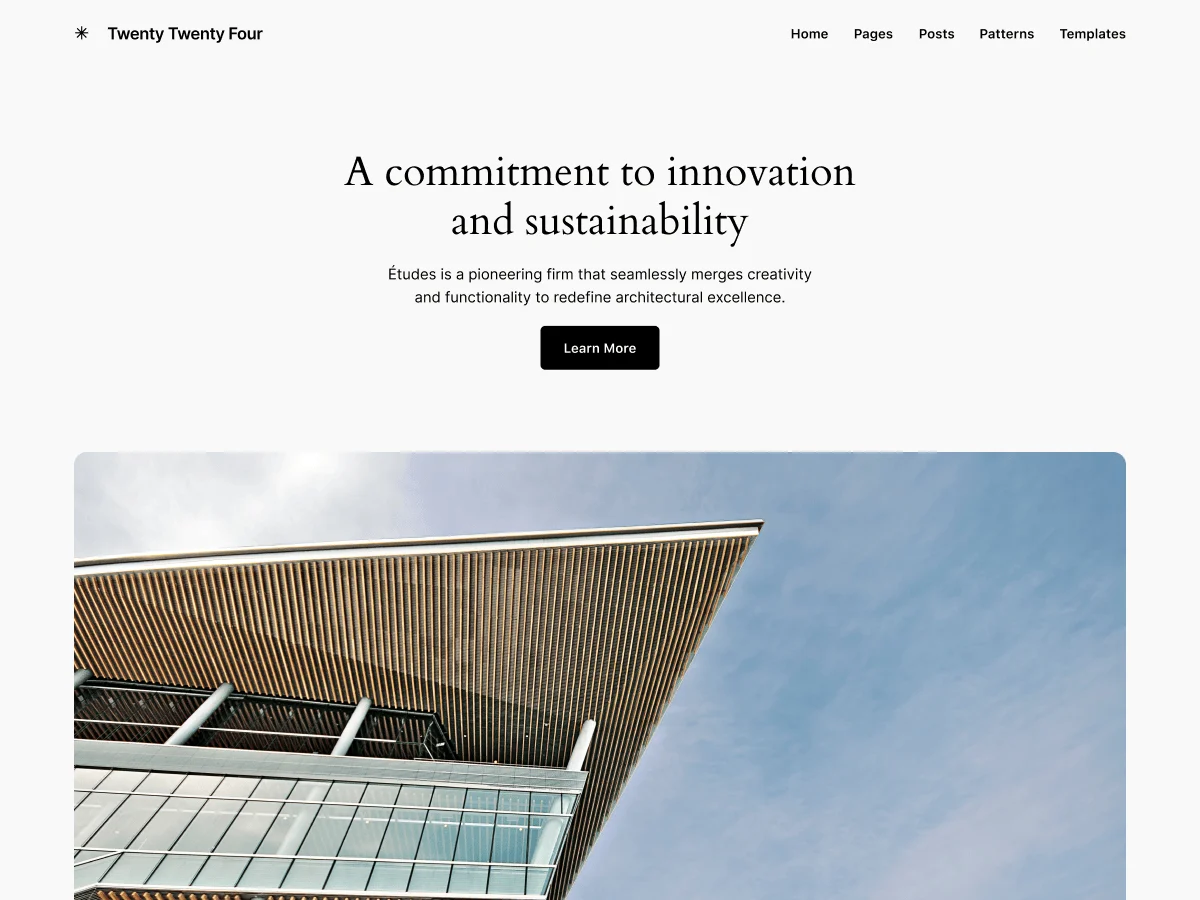
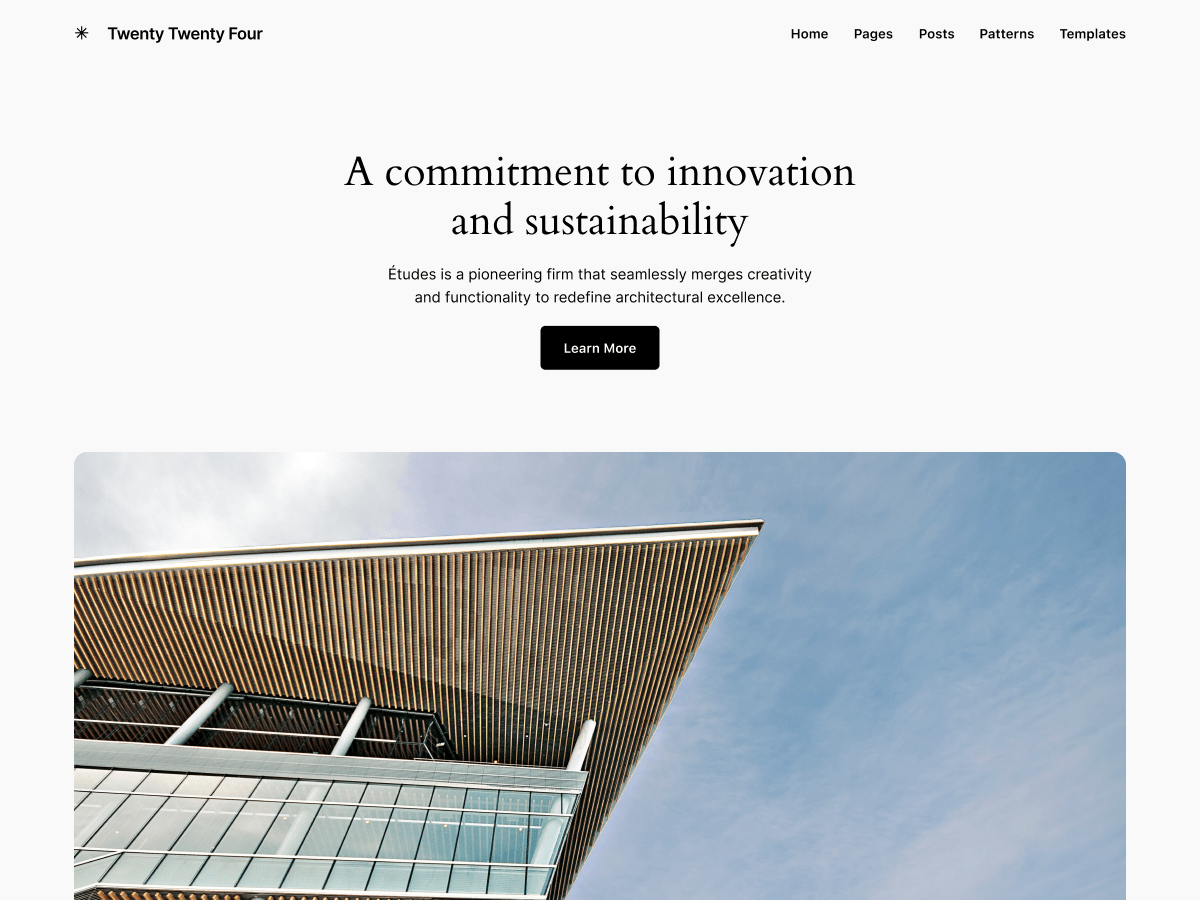
Designed from the ground up to transcend niche use cases, Twenty Twenty-Four was engineered to be flexible, adaptable, and universally applicable to virtually any type of website. Whether powering a high-stakes corporate enterprise, a personal creative portfolio, a fast-paced news publication, or a dynamic blogging platform, the theme provides a robust foundation tailored to diverse digital needs. By leveraging cutting-edge core features and full compatibility with the WordPress Site Editor, Twenty Twenty-Four bridges the gap between sophisticated design capability and everyday usability.
Main Facts: Deconstructing the Twenty Twenty-Four Phenomenon
At its core, Twenty Twenty-Four is much more than a visual skin; it is a comprehensive framework built to harness the full potential of WordPress’s modern editing paradigm. Released alongside major updates to the core software, the theme is explicitly optimized to take full advantage of the advanced design tools introduced in WordPress 6.4.
Key Technical Specifications and Features
- Active Installations: 500,000+ active sites globally.
- Core Compatibility: Fully integrated with the Site Editor (Full Site Editing / Block Themes).
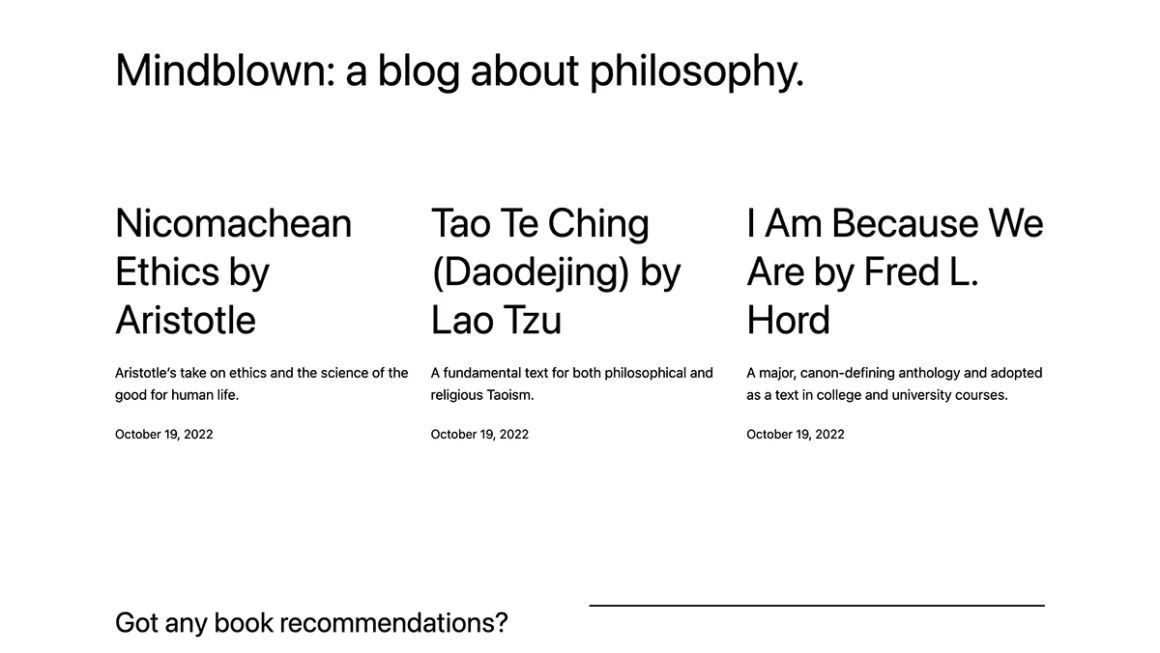
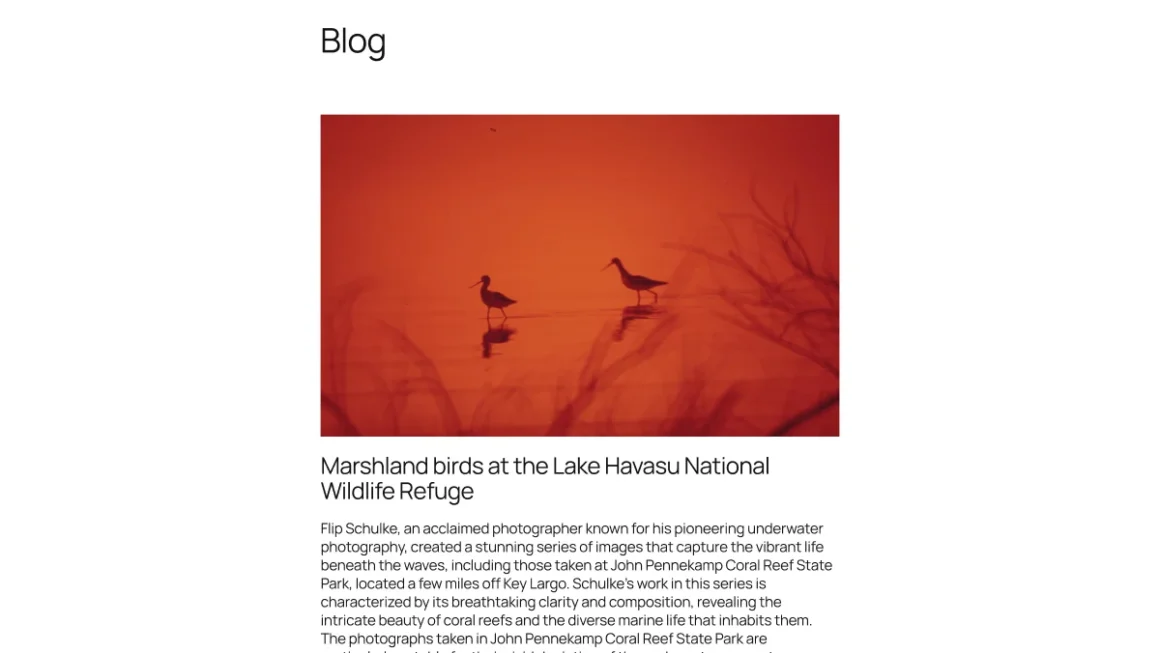
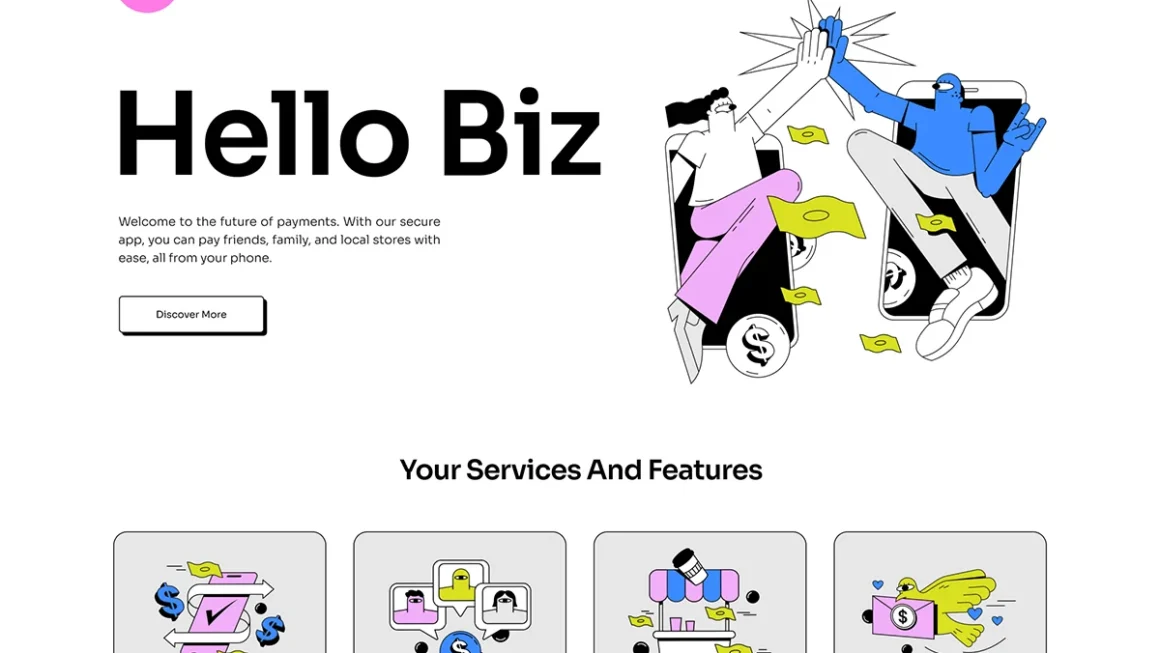
- Design Customization: Features 8 distinct style variations, allowing users to dramatically alter the look and feel of a site with minimal adjustments to color palettes and typography.
- Layout and Patterns: Boasts an extensive collection of templates and block patterns tailored for business presentations, writing, blogging, portfolios, and news distribution.
- Accessibility and Internationalization: Accessibility-ready out of the box, with comprehensive RTL (Right-to-Left) language support and localized translations available in dozens of languages worldwide.
The philosophy behind Twenty Twenty-Four centers on speed and efficiency. By bundling a multitude of full-page designs, style variations, and block-level patterns, the theme dramatically slashes the time required to build, launch, and scale a professional website.
Chronology: The Evolution of WordPress Default Themes
To understand the significance of Twenty Twenty-Four, it is essential to trace the historical trajectory of WordPress default themes and the paradigm shifts that brought the platform to the era of Full Site Editing (FSE).
The Pre-Block Era (Pre-2021)
For the first decade and a half of WordPress’s existence, default themes—such as Twenty Ten, Twenty Fifteen, and Twenty Nineteen—served primarily as clean, dependable showcases for the latest core features. While reliable, these themes were bound by traditional PHP template hierarchies. Customizing headers, footers, or page layouts often required specialized coding knowledge, child themes, or reliance on third-party page builders.
The Gutenberg Revolution and Block Themes (2021–2023)
The introduction of the Gutenberg block editor fundamentally altered the WordPress roadmap. With the rollout of Full Site Editing (subsequently rebranded as site editing), themes evolved from static templates into dynamic canvases controlled entirely by blocks.
- Twenty Twenty-Two introduced the community to block themes, proving that entire layouts could be constructed visually.
- Twenty Twenty-Three focused heavily on minimalism and style variations, giving users a canvas to experiment with typographic pairings and color schemes.
The Arrival of Twenty Twenty-Four (Late 2023–Present)
Building upon the groundwork laid by its predecessors, Twenty Twenty-Four arrived as a synthesis of real-world user feedback and advanced engineering. Rather than leaning toward a specific aesthetic—such as strict minimalism or bold modernism—Twenty Twenty-Four was designed as a chameleon. Released in tandem with WordPress 6.4, it integrated advanced design tools, improved pattern management, and enhanced writing workflows, instantly propelling it into widespread adoption across half a million active domains.
Supporting Data: Adoption, Global Reach, and Community Support
The metrics surrounding Twenty Twenty-Four speak volumes about its reception within the global WordPress ecosystem. Reaching the milestone of over 500,000 active installations places the theme in an elite tier of web design assets.
Usage and Engagement Metrics
- Daily Downloads: Maintained at a remarkably high velocity, reflecting ongoing migrations and new site setups across managed hosting providers and self-hosted environments alike.
- Tag Diversity: The theme’s official repository classification highlights its broad appeal, tagged across critical categories including Block editor patterns, Block editor styles, Custom colors, Portfolio, News, and Wide blocks.
Global Accessibility and Localization
WordPress has always prided itself on being a democratizing platform for the global web, and Twenty Twenty-Four honors this tradition through exhaustive internationalization efforts. The theme is fully translated and accessible in a vast array of languages, ensuring that creators from diverse linguistic backgrounds can deploy it seamlessly.
Supported localized versions include:
- Arabic and Persian variants (
ar,fa,ckb,ug) - European languages spanning French (
fr), German (de,de-at), Spanish (es,es-ar,es-cl,es-cr,es-mx), Italian (it), Catalan (ca), Dutch (nl,nl-be), Swedish (sv), Norwegian (nb), Danish, and Czech (cs). - Asian and South Asian scripts including Chinese Simplified and Traditional (
zh-cn,zh-tw), Japanese (ja), Korean (ko), Hindi (hi), Marathi (mr), Gujarati (gu), Assamese (as), and Vietnamese (vi).
This expansive localization ecosystem is sustained by the vibrant WordPress translation community, with ongoing translation projects open to contributors worldwide via translate.wordpress.org.
Official Responses and Community Reception
The rollout of Twenty Twenty-Four generated substantial dialogue across the WordPress developer community, core contributors, and everyday agency owners.
Core Team Perspectives
During the development phases leading up to the release, core contributors emphasized that Twenty Twenty-Four was conceived not as a designer’s showcase piece, but as a reliable utility belt for the broader web. The goal was to eliminate the friction commonly experienced when transitioning a site from concept to production. By providing pre-configured style variations—ranging from stark corporate layouts to warm, editorial typography—the theme empowers users to make sweeping aesthetic changes with just a few clicks.
Developer and Agency Feedback
Web agencies and freelance developers have largely lauded Twenty Twenty-Four for its clean code architecture and adherence to modern block theme standards. By utilizing native WordPress features rather than proprietary page-builder frameworks, developers find that sites built on Twenty Twenty-Four exhibit superior performance, faster loading times, and enhanced long-term maintainability.
Furthermore, the active support ecosystem—anchored by the official WordPress support forums and dedicated reporting channels for theme issues—ensures that bugs are patched swiftly and user queries receive collaborative input from seasoned community members.
Implications: What Twenty Twenty-Four Means for the Future of Web Design
The success and architecture of Twenty Twenty-Four carry profound implications for the trajectory of content management systems, open-source software development, and the democratization of web design.
1. The Normalization of Full Site Editing
For years, skeptics questioned whether native block themes could truly compete with established third-party page builders like Elementor, Divi, or Beaver Builder. Twenty Twenty-Four serves as empirical proof that native WordPress site editing is not only viable but powerful enough to handle complex, multi-page architectures right out of the box. As more users adopt themes of this caliber, the reliance on bloated external frameworks diminishes, leading to a leaner, more standardized web.
2. Democratizing Professional Design Standards
Historically, achieving a polished, highly professional aesthetic required hiring specialized designers or purchasing expensive premium themes. By embedding sophisticated style variations, refined typography pairings, and versatile block patterns into a free, default theme, WordPress continues to lower the barrier to entry for small businesses, independent journalists, and emerging creators. A local bakery or an independent investigative blog can now project the visual polish of an enterprise-level digital brand with minimal overhead.
3. Sustainable Performance and Core Web Vitals
In an era where search engine optimization (SEO) and user experience are inextricably linked to page speed, Twenty Twenty-Four sets a benchmark for performance. Because it relies on core WordPress blocks and efficient CSS handling rather than heavy JavaScript frameworks, sites built on the theme are inherently optimized for Core Web Vitals. This performance advantage translates into better search rankings, lower bounce rates, and a more sustainable digital infrastructure overall.
Looking Ahead
As WordPress continues its march toward future core releases, Twenty Twenty-Four stands as a testament to what open-source collaboration can achieve. By prioritizing flexibility, global accessibility, and deep integration with modern editing tools, it has redefined what users should expect from a default theme. With over half a million active installations and counting, Twenty Twenty-Four is not merely a temporary template for a single year—it is a enduring foundation for the next generation of the web.