







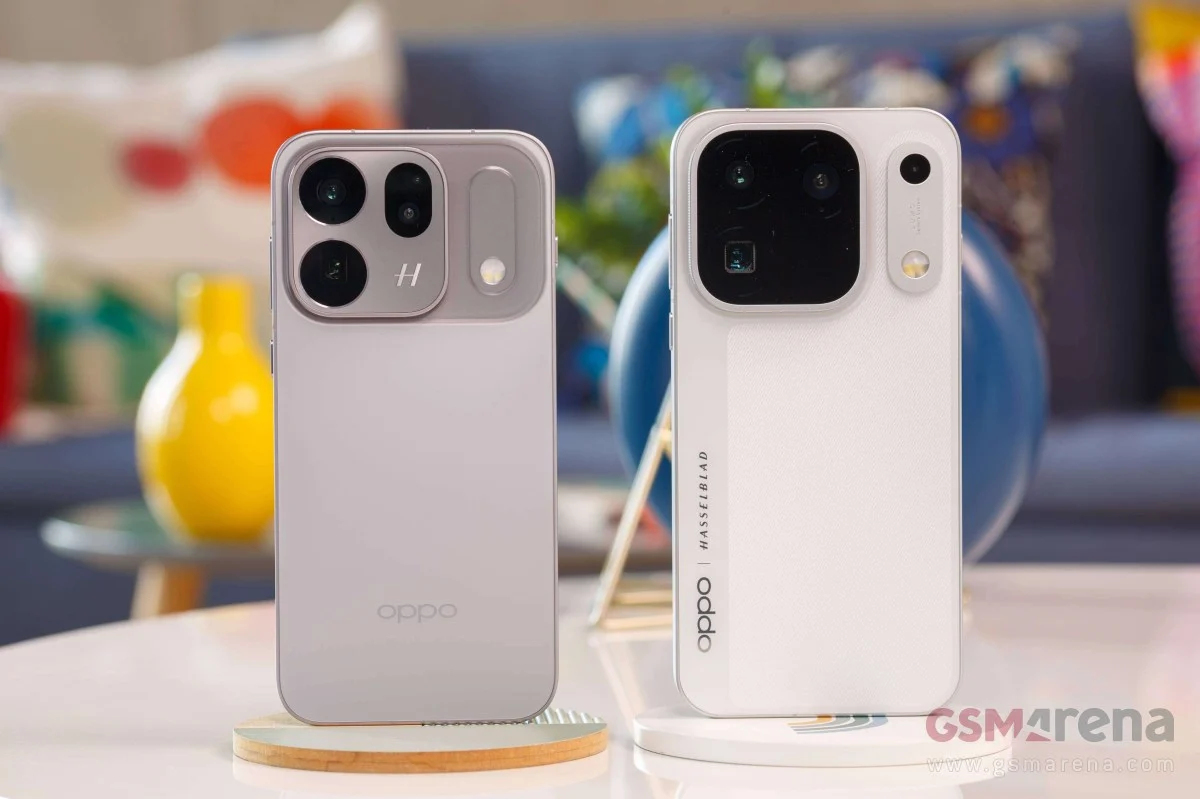
Oppo is aggressively pivoting toward a faster, more streamlined global rollout strategy. Historically, international markets often waited months for Chinese flagship smartphone releases to trickle overseas. However, the tech giant has dramatically accelerated this timeline, bringing the freshly minted Find X10 series to Europe and India just one month after its domestic debut in China.
While this expedited availability is a win for international consumers eager to get their hands on the latest hardware, the launch has also sparked intense debate regarding regional pricing discrepancies, hardware downgrades, and the overall value proposition of Oppo’s most ambitious devices to date.
Main Facts: The Find X10 Lineup Unveiled
The Oppo Find X10 series comprises two primary devices: the standard Oppo Find X10 and the ultra-tier Oppo Find X10 Pro Max. Both smartphones are positioned at the absolute pinnacle of the mobile market, boasting cutting-edge silicon, expansive LTPO displays, and massive battery capacities. However, they cater to slightly different segments of power users and mobile photography enthusiasts.

The Oppo Find X10 Pro Max: An "Ultra" By Any Other Name
The Find X10 Pro Max leaves nothing on the table, featuring an imposing 6.78-inch 1272p+ LTPO display with a fluid 144Hz refresh rate. Under the hood, it runs on MediaTek’s premier Dimensity 9600 Pro chipset—a state-of-the-art 2nm processor built on advanced Arm C2 CPU and Mali G2-Ultra NX GPU architectures. In benchmark testing, this silicon has proven capable of going toe-to-toe with—and occasionally outperforming—Qualcomm’s Snapdragon 8 Elite Gen 5, though reviewers note that sustained thermal management can push the cooling system to its limits.
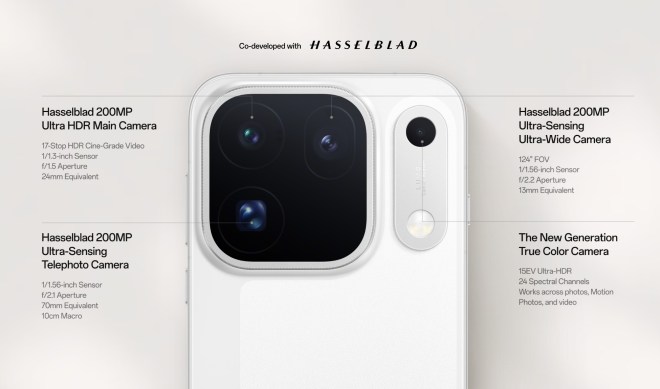
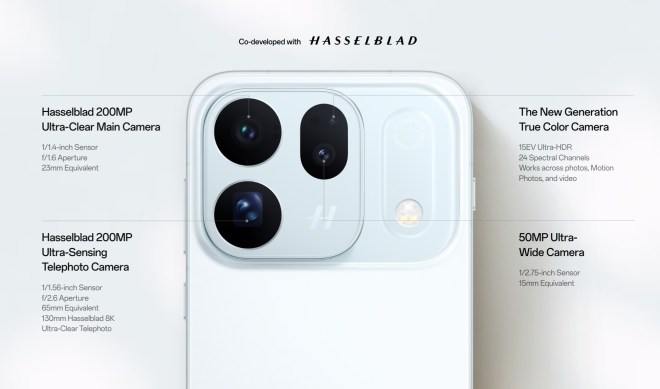
Photography is where the Pro Max truly stakes its claim as an ultra-flagship. It features a powerhouse triple 200MP camera array:
- Main Camera: 200MP with a large 1/1.3-inch sensor.
- Telephoto Camera: 200MP with a 3x optical zoom (70mm equivalent) housed in a 1/1.56-inch sensor.
- Ultra-Wide Camera: 200MP with a 13mm field of view built on a 1/1.56-inch sensor.
- Selfie Camera: 50MP shooter housed in a 1/2.76-inch sensor.
The Standard Oppo Find X10: Streamlined Power
For buyers looking to save some capital without sacrificing core performance, the standard Find X10 offers a slightly more compact footprint with a 6.59-inch 1272p+ 144Hz LTPO display. It swaps the Pro Max’s 2nm processor for the Dimensity 9600M, a 3nm chip rooted in the previous 9500-generation architecture.
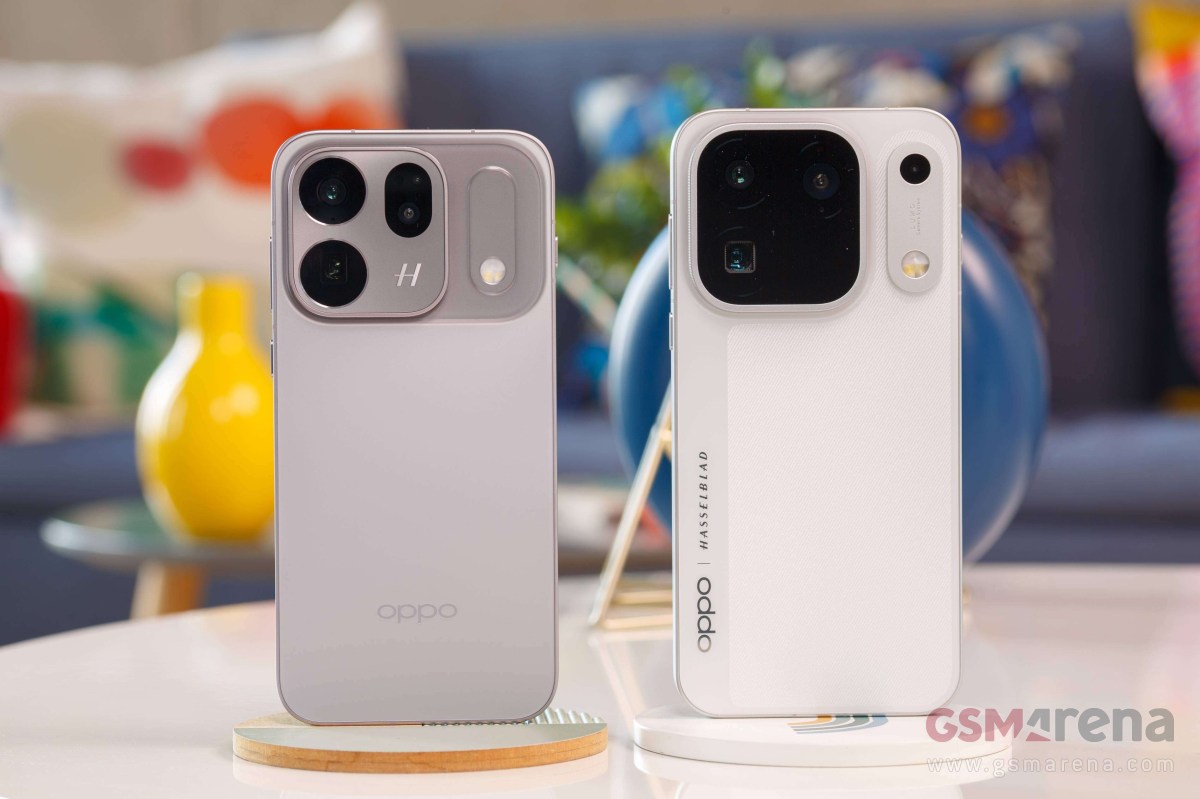
The camera system is also scaled back slightly. The Find X10 features a dual 200MP setup—comprising a 200MP main camera (1/1.4-inch sensor) and a 200MP telephoto lens with a 2.8x optical zoom (65mm equivalent, 1/1.56-inch sensor)—paired with a more conventional 50MP ultra-wide sensor.
Chronology of the Launch and Regional Rollout
The deployment of the Find X10 series marks a distinct shift in Oppo’s operational cadence:
- One Month Ago (Late September): Oppo officially takes the wraps off the Find X10 series in its home market of China, where it receives positive early reception for its camera capabilities and MediaTek performance.
- Early November: Breaking from traditional multi-month delays, Oppo initiates its global distribution pipeline, making the Find X10 and Find X10 Pro Max available for purchase and pre-order in European territories and India.
- Current Phase: Review embargoes lift, initial user feedback rolls in, and retail partners launch pre-order incentive packages designed to offset the steep pricing barriers in Western markets.
Supporting Data: Global Pricing and Specifications
There is no sugar-coating the reality of the Find X10 series: these are exceptionally expensive devices. To contextualize the pricing, the previous-generation Oppo Find X9 Ultra (12GB/512GB) retailed for £1,450 / €1,700 / ₹170,000. The new models maintain—and in some cases exceed—those high financial thresholds.
Official Regional Pricing Breakdown
| Region | Find X10 (12/256GB) | Find X10 (12/512GB) | Find X10 Pro Max (12/512GB) |
|---|---|---|---|
| United Kingdom | £1,110 | £1,250 | £1,500 |
| European Union | €1,300 | €1,500 | €1,800 |
| India | ₹140,000 | ₹170,000 | ₹200,000 |
Current Retail & Partner Offers (Affiliate Pricing Snapshot)
To soften the financial blow, retail partners have introduced bundle deals and pre-order perks:
- Oppo Find X10 Pro Max (12GB/512GB):
- UK (Amazon): ~£1,399.00
- EU (Amazon DE): ~€1,699.00
- Oppo Find X10 (12GB/256GB):
- UK: ~£999.00 | EU: ~€1,199.00
- Oppo Find X10 (12GB/512GB):
- UK: ~£1,149.00 | EU: ~€1,399.00
Official Responses and Regional Hardware Disparities
While tech enthusiasts generally praise the raw specs of the Find X10 series, a wave of criticism has emerged regarding regional hardware discrepancies. Most notably, European units of both the Find X10 and Find X10 Pro Max ship with a 7,150mAh battery, whereas models destined for China and India feature a noticeably larger 8,000mAh battery.
Furthermore, independent testing and hands-on reviews have highlighted a few structural compromises:
- Charging Speeds: Despite boasting an 80W wired charging rating (alongside 50W wireless charging), actual charging times in real-world testing have lagged behind consumer expectations for this wattage tier.
- Audio and Ergonomics: Reviewers have pointed out that the built-in stereo speakers feel somewhat underwhelming given the ultra-premium price bracket. Additionally, the physical "Quick Button" present on previous iterations has been entirely removed.
Oppo representatives have not issued a formal blanket statement regarding the battery capacity discrepancy between Asian and European variants, though industry analysts attribute the variance to regional regulatory compliance, internal component sourcing, and regional weight/thickness optimization targets.
Implications for Consumers and the Smartphone Market
The launch of the Oppo Find X10 series carries significant implications for the upper echelon of the global smartphone market:
1. The Normalization of €1,500+ Flagships
With the top-tier Find X10 Pro Max commanding an €1,800 price tag in Europe and £1,500 in the UK, Oppo is cementing its place in the ultra-luxury bracket previously dominated by Apple’s Pro Max line and Samsung’s Ultra series. For everyday consumers, this places immense financial pressure on upgrades, turning smartphone purchases into multi-year investments comparable to laptop or desktop acquisitions.

2. MediaTek’s Ascendancy in the West
The deployment of the Dimensity 9600 Pro and 9600M chips in Western markets represents a major milestone for MediaTek. For years, Western flagship buyers heavily favored Qualcomm Snapdragon processors. By proving that a 2nm MediaTek chipset can compete at the highest tier, Oppo is helping validate MediaTek as a true performance equal on the global stage.
3. The Regional Disparity Backlash
The decision to downgrade battery capacities in European units (7,150mAh versus 8,000mAh) risks alienating tech-savvy consumers in the UK and EU. In a market where spec-sheet transparency is heavily scrutinized by online communities, regional downgrades coupled with higher price tags can severely damage brand loyalty.
Conclusion: Is the Find X10 Worth It?
If you have the capital and demand absolute cutting-edge mobile photography paired with brute-force MediaTek performance, the Oppo Find X10 Pro Max is a formidable contender that lives up to its "Ultra" moniker. However, for those weighing value against cost, the standard Find X10—or waiting for promotional retail discounts—may prove to be a far more sensible path forward.