










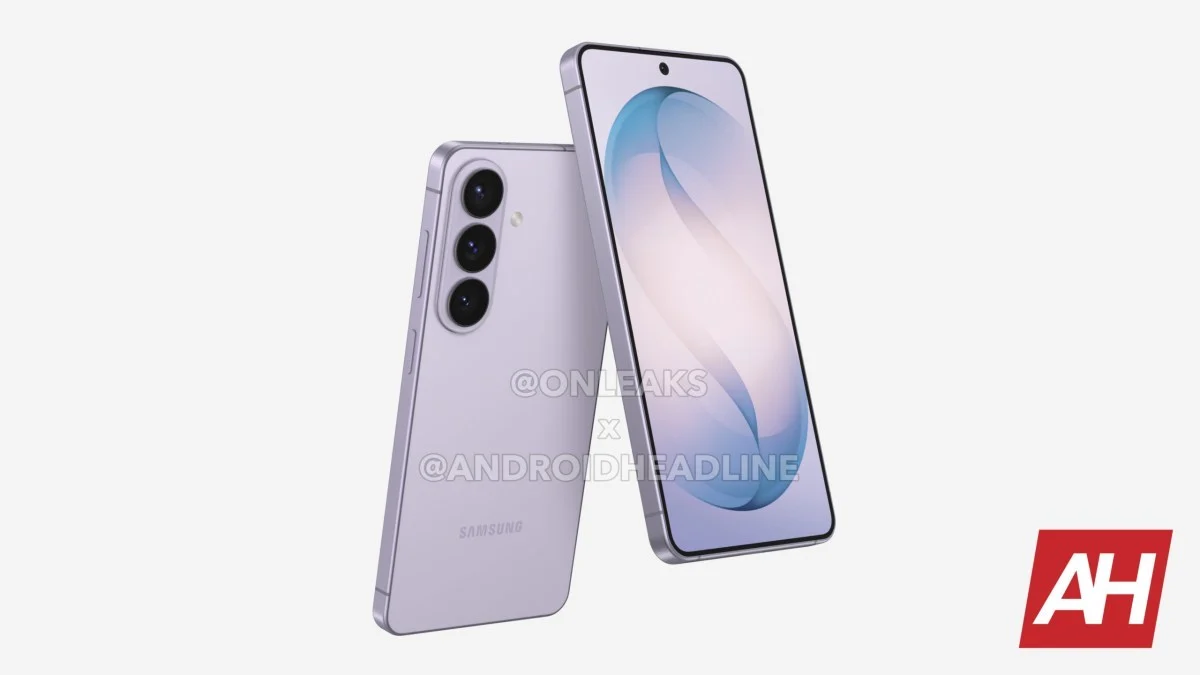
SEOUL — As technology giants race to dominate the generative artificial intelligence landscape, the ripple effects are increasingly reaching the consumer pocketbook. According to fresh industry leaks originating from South Korea, Samsung Electronics’ upcoming flagship smartphone lineup—the anticipated Galaxy S27 series—is projected to carry a substantially heavier price tag than its predecessors. While price adjustments have become an expected annual fixture in the mobile industry, the impending increases for the Galaxy S27 generation point to deeper structural shifts in semiconductor economics, component pricing, and global supply chain pressures.
Industry insiders and supply chain analysts indicate that the base models of the Galaxy S27 series will see a moderate price bump in the domestic South Korean market, while higher storage tiers and ultra-premium configurations face much steeper escalations. With whispers of the top-tier Ultra variants potentially nearing the psychologically significant $2,000 threshold for maximum storage configurations, consumers and market watchers alike are beginning to question how much further flagship smartphone pricing can climb before hitting a ceiling of diminishing returns.
Main Facts
The core revelation from the latest South Korean industry leaks centers on a tiered pricing structure that penalizes higher-capacity storage choices more aggressively than in previous generations.
- Base Model Adjustments: In South Korea, the entry-level Galaxy S27 device is slated to cost at least KRW 130,000 (roughly equivalent to $95 USD) more than the introductory price of the base Galaxy S26.
- Storage Tier Escalation: While a $95 increase for the entry-level model is notable, the pricing strategy for upgraded storage configurations is far more aggressive. For perspective, the previous-generation Galaxy S26 Ultra launched at $1,299 for the baseline 256GB model, while stepping up to the 512GB variant required an additional $200, bringing the price to $1,499. Under the projected S27 pricing models, the base configuration could start at $1,399, with the 512GB variant climbing to $1,549 or higher.
- The $2,000 Ultra Milestone: At the absolute peak of the lineup, the 1TB Galaxy S27 Ultra is widely projected to creep dangerously close to the $2,000 mark. The corresponding S26 Ultra 1TB tier debuted at $1,799, meaning the incremental jump for maximum storage could easily add an extra $150 to $200 to the final bill.
- Primary Drivers: The primary catalyst behind these rising costs is not corporate greed, but rather severe, sustained supply chain constraints. The global explosion in artificial intelligence infrastructure has created an insatiable demand for advanced semiconductors, crowding out consumer electronics fabrication lines. Furthermore, Samsung is widely expected to integrate cutting-edge LPDDR6 RAM into the top-tier variations of the Galaxy S27 Ultra—a new memory standard that commands a steep premium over current LPDDR5X components.
- Geographic Scope: It is crucial to note that these specific leak figures originate from South Korea. While price adjustments rarely happen in a vacuum and historical precedent suggests that similar percentage increases will be localized to international markets like the United States, Europe, and parts of Asia, official global pricing remains unconfirmed.
Chronology of the Leak and Flagship Pricing Trends
Understanding how the Galaxy S27 pricing rumor materialized requires looking at the broader historical timeline of smartphone valuation over the past several product cycles.
The Evolution of Flagship Cost Pressures (2024–2027)
- Early 2024 (Galaxy S24 Era): As the post-pandemic market began to stabilize, Samsung held the line on several pricing fronts in key markets, though component costs began creeping upward due to inflation and shifting logistics expenses.
- Early 2025 (Galaxy S25 Era): Industry analysts noted minor upward corrections in material costs, particularly as Qualcomm and MediaTek rolled out more expensive, highly capable silicon platforms designed to handle on-device machine learning tasks.
- Early 2026 (Galaxy S26 Era): The launch of the Galaxy S26 series solidified the baseline pricing for ultra-tier devices, with the Ultra model anchoring at $1,299 for 256GB and scaling up to $1,799 for the 1TB variant. At this stage, supply chain whispers regarding the AI boom began warning manufacturers of impending silicon shortages.
- Mid-2026 (The AI Infrastructure Bottleneck): Throughout the middle of the year, major enterprise spending on AI data centers consumed massive portions of global semiconductor foundry capacity (primarily TSMC and Samsung Foundry). Memory manufacturers like SK Hynix, Micron, and Samsung itself increasingly prioritized high-bandwidth memory (HBM) for AI accelerators over standard mobile RAM and flash storage.
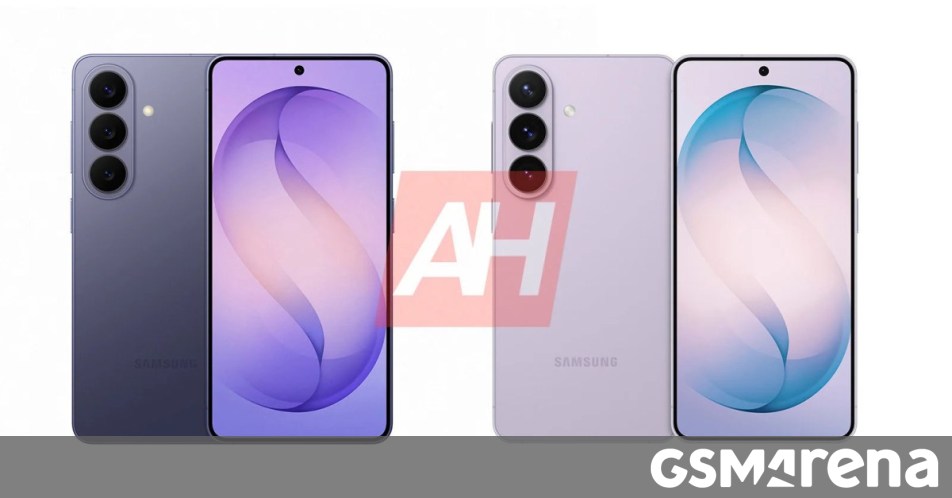
- September 2026 (The S27 Leak Emerges): A prominent and historically reliable insider leaking through Korean blogging platforms (such as Naver user yeux1122) published the initial reports detailing the KRW 130,000 base increase and the disproportionate scaling of higher storage tiers for the upcoming Galaxy S27 series. Simultaneously, CAD-based design renders began circulating, showcasing the physical blueprint of the upcoming devices and keeping public interest high ahead of a traditional early-year launch window.
Supporting Data and Market Analysis
To fully contextualize why the Galaxy S27 series is commanding such high projected price points, one must examine the intersection of raw material costs, manufacturing processes, and the macroeconomic forces governing the semiconductor industry.
The Silicon Squeeze: AI vs. Mobile
The modern semiconductor landscape is undergoing its most radical transformation in decades. Generative AI models—ranging from large language models to complex multi-modal assistants running locally on consumer hardware—require immense computational horsepower and vast amounts of high-speed memory.
Foundries are currently operating near maximum capacity. However, manufacturing facilities are increasingly reallocating wafers away from standard mobile system-on-chips (SoCs) and toward enterprise-grade AI accelerators and High Bandwidth Memory (HBM3e and HBM4). This shift creates artificial scarcity for consumer electronics components. When supply contracts are renegotiated in an environment of high demand and constrained foundry throughput, component costs inevitably rise. For a manufacturer like Samsung, absorbing these costs entirely would severely compress profit margins, making price pass-throughs to the consumer an operational necessity.
The LPDDR6 Premium
Another critical piece of the puzzle is the transition to new memory standards. Rumors strongly suggest that Samsung intends to equip the highest-tier variants of the Galaxy S27 Ultra with LPDDR6 RAM.
LPDDR6 promises dramatic improvements in data transfer speeds and energy efficiency—both of which are vital for running complex, on-device artificial intelligence tasks without rapidly draining the smartphone’s battery. However, early-generation manufacturing yields for new memory architectures are notoriously low. Yield inefficiencies directly translate to higher production costs per unit. By adopting LPDDR6 early in its lifecycle, Samsung is positioning the Galaxy S27 Ultra at the bleeding edge of performance, but consumers will bear the financial brunt of that technological leap.
Storage Tier Economics
The decision to apply a heavier pricing penalty to higher storage tiers (512GB and 1TB) reflects a long-standing industry practice known as price discrimination, augmented by real supply chain pressures. NAND flash memory pricing has experienced cyclical volatility. As enterprise demand for high-capacity solid-state storage surges alongside AI data centers, the cost of raw NAND wafers has climbed.
Historically, smartphone manufacturers have used high-storage tiers as primary profit centers, marking up the cost of larger flash chips significantly relative to base models. With the Galaxy S27, this dynamic is amplified. A user who requires 1TB of onboard storage—increasingly necessary as mobile games balloon in size, 8K video recording becomes standard, and offline AI models require local storage space—will likely find themselves paying a disproportionately higher premium compared to previous upgrade cycles.
Official Responses and Industry Reactions
As is standard corporate policy for unreleased hardware, Samsung Electronics has officially declined to comment on leaked pricing structures or speculative supply chain reports. Representatives from the company reiterated that pricing for upcoming flagship lineups is determined closer to launch based on a complex matrix of global economic factors, market dynamics, and regional competitive landscapes.
Independent industry analysts and financial firms, however, have been vocal. Several prominent tech market research firms have published notes advising investors that smartphone average selling prices (ASPs) are on an upward trajectory globally.
- Analyst Consensus: Financial analysts note that while unit shipments of smartphones have largely plateaued on a global scale, major manufacturers have successfully maintained revenue growth by driving consumers toward higher-priced, premium models. The Galaxy S27 pricing strategy fits neatly into this playbook, ensuring that even if total units sold remain flat or decline slightly, revenue and profit margins remain resilient.
- Competitor Positioning: Industry watchers are also keeping a close eye on how rival manufacturers—most notably Apple with its upcoming iPhone iterations—will respond to the same macroeconomic pressures. If Samsung successfully establishes a higher pricing baseline for the Galaxy S27 Ultra, competitors may feel emboldened to institute similar price hikes, normalizing the $2,000 ceiling for max-spec flagship smartphones.
Implications for Consumers and the Market
The prospect of a more expensive Galaxy S27 lineup carries profound implications for everyday consumers, mobile network operators, and the broader tech ecosystem.
1. The Death of the Affordable Flagship?
With base models increasing by roughly $95 and top-tier units pushing toward the $2,000 threshold, the barrier to entry for top-tier mobile technology is rising. For the average consumer, purchasing a flagship device outright is becoming increasingly financially burdensome. This economic reality is likely to accelerate several shifting consumer behaviors:
- Extended Upgrade Cycles: Consumers who previously upgraded their phones every one to two years are already stretching their device lifecycles to three, four, or even five years. Higher upfront costs will likely cement this trend, as the perceived value proposition of annual upgrades diminishes.
- Reliance on Financing and Trade-Ins: The vast majority of flagship smartphone sales are already subsidized through carrier financing plans, monthly installment agreements, and aggressive trade-in promotions. As retail prices climb, carriers and manufacturers will need to lean even more heavily on lucrative trade-in deals and long-term service contracts to keep devices accessible to the mass market.
2. The Rise of the Mid-Range and "Fan Edition" Alternatives
As flagship prices drift further into luxury territory, the mid-range and upper-mid-range smartphone segments are experiencing a renaissance. Devices offering near-flagship performance, high-refresh-rate displays, and capable multi-lens camera systems at half the price—such as Samsung’s own Fan Edition (FE) lineup or competitive offerings from Chinese manufacturers—stand to capture disgruntled consumers who are unwilling or unable to spend upwards of $1,400 to $2,000 on a pocket computer.
3. The Value Proposition of On-Device AI
Perhaps the most critical implication rests on how well Samsung can justify these price hikes through software and hardware utility. If the Galaxy S27 series delivers revolutionary, genuinely indispensable artificial intelligence capabilities that fundamentally transform daily productivity, communication, and creativity, consumers may be willing to swallow the bitter pill of higher prices.
Conversely, if on-device AI features feel gimmicky or incremental, consumer pushback could be severe. In a marketplace where economic pressures are already straining household budgets, forcing users to pay a heavy AI tax for hardware they may not fully utilize is a risky gamble.
Looking Ahead
As the expected release window for the Galaxy S27 series approaches in early 2027, all eyes will remain locked on supply chain developments, official announcements from Samsung, and potential regional pricing variations. While the current rumors paint a challenging picture for bargain hunters, they also underscore the profound technological transformation currently sweeping the consumer electronics industry—a transformation where the pursuit of artificial intelligence excellence comes with a very literal, and very heavy, price tag.



