










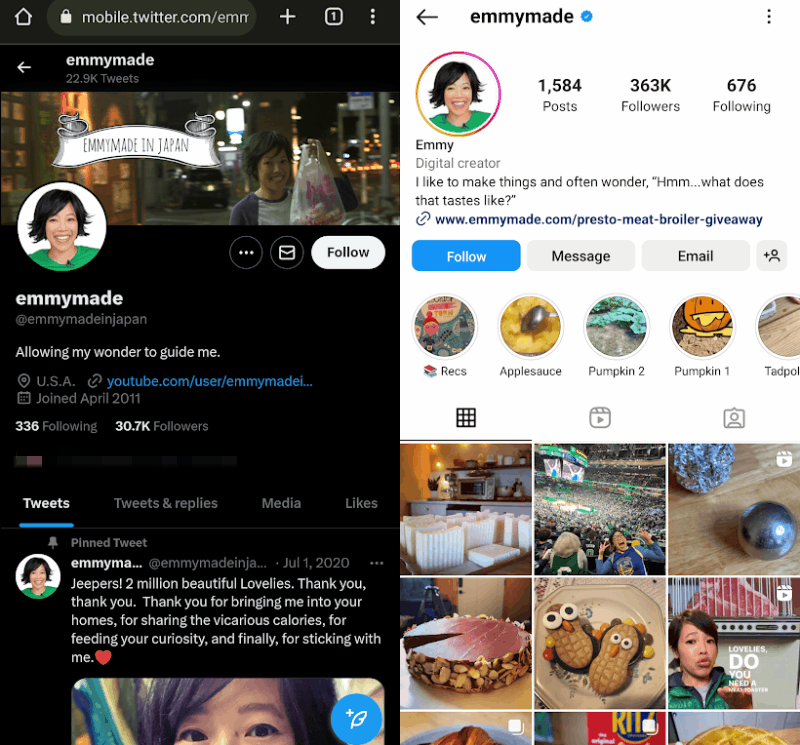
In the modern professional landscape, the question is no longer whether you should have a personal brand—it is whether you will choose to define it yourself or let the internet do it for you. From recruiters scrolling through LinkedIn profiles to potential clients evaluating your expertise before a discovery call, a digital reputation is formed the moment your name is searched.
Personal branding is no longer the exclusive playground of high-profile celebrities or influencers. Today, it is an essential tool for founders, marketing professionals, software engineers, and employees at every level. By curating your professional presence, you earn trust, showcase your unique value proposition, and unlock opportunities long before you ever send an introductory email.
The Evolution of the "Brand Called You"
The concept of personal branding is not a product of the social media era, though the internet has certainly democratized it. In 1997, management consultant Tom Peters published a seminal essay in Fast Company titled "The Brand Called You." Peters argued that we are all CEOs of our own companies—"Me Inc."
For decades, this was a philosophy discussed in boardrooms. Today, it is a daily reality. With the rise of social media, the barrier to entry has evaporated. Anyone with a smartphone can now reach a global audience, transforming their career trajectory through the deliberate cultivation of expertise and personality.
Personal vs. Corporate Branding: A Structural Comparison
Understanding personal branding requires a clear distinction from corporate branding. While both aim to build trust and authority, their mechanics differ significantly:
| Feature | Personal Branding | Corporate Branding |
|---|---|---|
| Focus | The individual’s expertise & values | A company’s products or services |
| Ownership | You (the individual) | Leadership & Marketing teams |
| Voice | First-person, subjective, human | Consistent, brand-led, institutional |
| Goal | Career growth, trust, influence | Revenue, awareness, market share |
| Channels | Social profiles, newsletters, talks | Corporate ads, websites, packaging |
The most common misconception is that personal branding equates to becoming an "influencer." This is fundamentally false. A nurse sharing medical insights, a software developer documenting their coding journey, or an accountant providing tax tips are all building personal brands that function as professional assets—not necessarily as popularity contests.
The Strategic Importance of Professional Identity
Why invest the time to build a brand? In a crowded, noisy digital marketplace, the ability to stand out is your greatest competitive advantage.
1. The Differentiation Factor
We are living in an era where everyone is, by definition, a content creator. Whether you are building a startup or climbing the corporate ladder, the competition for attention is fierce. A compelling personal brand acts as a signal in the noise. It tells your story, displays your work, and allows you to own your narrative rather than leaving it to chance.
2. Authenticity as Currency
According to the 2025 Sprout Social Index, consumers rank authenticity and relatability among the most important traits for digital content. This holds true for individuals as much as for multinational corporations. People connect with humans, not logos. By showing your unique perspective, experiences, and even your sense of humor, you create a layer of trust that polished, sanitized marketing materials simply cannot replicate.
3. Community Over Audience
A strong personal brand doesn’t just attract followers; it builds a community. When you engage with your audience, listen to their challenges, and provide genuine solutions, you shift from being a "content creator" to a "trusted advisor." This transition is vital for long-term career resilience.

4. Career and Business Acceleration
Thought leadership has moved to the forefront of B2B marketing. The 2025 Edelman-LinkedIn B2B Thought Leadership Impact Report highlights that high-quality content builds trust where traditional sales pitches fail. When you establish yourself as an authority in your field, you stop chasing opportunities—opportunities start chasing you.
Anatomy of a Strong Personal Brand
A durable personal brand is built on three pillars: Specificity, Consistency, and Value.
Before publishing a single post, you must distill your brand into a coherent statement. A powerful personal brand statement follows a simple formula: I help [target audience] achieve [specific outcome] by [your unique method/value].
For example: "I help early-stage founders turn complex technical data into customer-facing content that drives sales."
Once you have your statement, use it as a filter. If a piece of content, a speaking engagement, or a partnership doesn’t align with this mission, it’s a distraction.
A Seven-Step Framework for Brand Construction
Building a brand is a marathon, not a sprint. Follow this roadmap to move from obscurity to authority.
Step 1: The Personal Brand Audit
Begin by analyzing where you stand. Ask colleagues, mentors, and peers: "What are three words you associate with my professional expertise?" Compare their answers to your desired perception. The delta between the two is the work you need to do.
Step 2: Selecting Your Theater of Operations
You cannot be everywhere at once. Choose one platform where your target audience spends their time and where your content strengths (writing, video, design) flourish.
- LinkedIn: Ideal for B2B, executives, and recruiters.
- TikTok/Instagram: Best for visual storytelling and reaching broader, younger demographics.
- Substack: Perfect for deep-dive, long-form thought leadership.
Step 3: Providing Radical Value
Follower counts are vanity metrics; value is the only real currency. Ask yourself: Is my content educating, entertaining, or inspiring? Whether you are sharing industry analysis, personal lessons from failure, or how-to guides, your content must serve the audience’s needs, not just your ego.
Step 4: The Discipline of Consistency
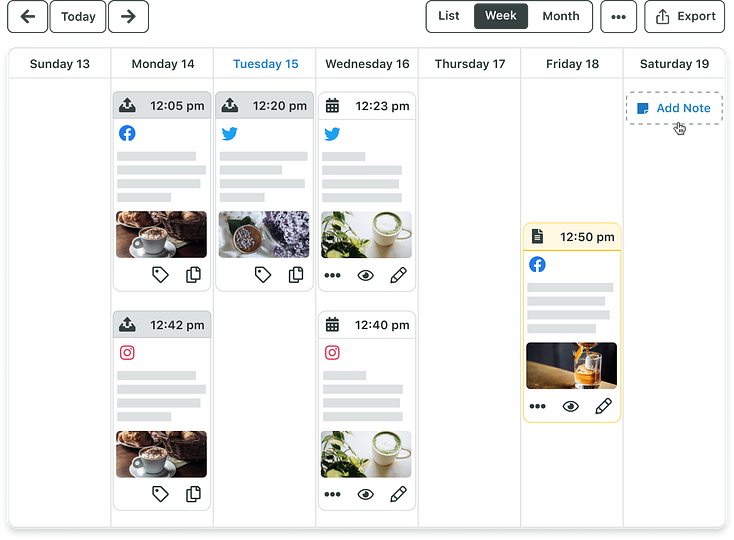
A personal brand is a living entity. If you go silent, the brand fades. Use social publishing tools to maintain a regular cadence. Consistency isn’t just about frequency; it’s about visual and tonal consistency. Ensure your profile, bio, and content style feel like the same person across all channels.
Step 5: Prioritizing Relatability
Do not fall into the trap of over-polishing. Share the "messy middle"—the challenges you faced, the mistakes you made, and the lessons learned. Vulnerability is the fastest way to build rapport.
Step 6: Data-Driven Optimization
Treat your personal brand like a business. Once a month, review your analytics. Which posts drove the most engagement? Where are your followers asking questions? Use social listening tools to monitor conversations in your niche and adjust your content strategy based on what is actually moving the needle.
Step 7: Avoiding the Burnout Trap
The biggest threat to a personal brand is exhaustion. Protect your energy by creating "content pillars"—three or four core themes you rotate between. This prevents the "what should I post today?" paralysis and keeps your content focused.
The Business Implications: When Personal Brands Drive Corporate Growth
The impact of personal branding extends to the companies that employ these individuals. When employees act as brand ambassadors, the organizational benefits are immense.
Data from the 2026 Sprout Social Influencer Marketing Report confirms that 40% of consumers discover new products through employee-generated content. These audiences often trust an employee’s voice more than a corporate account. Companies that foster employee advocacy, such as Infor—which saw $100,000 in earned media value in one month through its internal advocacy program—are recognizing that humanizing the brand is the ultimate marketing strategy.
Conclusion: The Long Game
Personal branding is a perpetual process of refinement. It is not about creating a fake persona; it is about uncovering the most valuable version of your professional self and sharing it with the world.
There is no universal rulebook, which is your greatest advantage. Your experiences are yours alone, and your voice is your differentiator. Start by documenting what you learn, be helpful, and remain consistent. In an increasingly automated world, the most valuable asset you can cultivate is your own authentic, professional identity.
Frequently Asked Questions (FAQs)
Can you build a personal brand for free?
Absolutely. The primary investment is time. Social media platforms, newsletters, and networking are essentially free. Paid tools only become necessary when you need to scale, measure, or automate your efforts.
How long does it take to see results?
Most professionals notice meaningful traction after three to six months of consistent, high-value posting. It is a long-term investment that compounds over time.
Should my personal brand be separate from my employer?
Your personal brand belongs to you and should be portable. While it should ideally align with your current employer’s values and adhere to their social media policies, you must ensure your brand is built around your individual expertise so it remains an asset throughout your entire career.



