











The landscape of modern journalism is shifting beneath our feet. As legacy media outlets continue to navigate a turbulent economic climate—marked by significant, industry-wide staff reductions throughout 2025—the traditional "job for life" model is rapidly becoming a relic of the past. For writers, journalists, and content creators, this volatility presents a daunting challenge, but it also offers a unique invitation: the opportunity to trade corporate instability for the autonomy of the freelance frontier.
Building a career from scratch, using nothing but the ideas in your brain and the keyboard at your fingertips, is more than just a survival strategy—it is an act of professional sovereignty. This week, we explore the essential framework for transitioning into freelance writing, selecting a sustainable niche, and mastering the art of the pitch to ensure your voice remains heard in an increasingly crowded digital ecosystem.

Main Facts: The New Reality of Freelancing
The surge in freelance interest is not merely a reaction to industry layoffs; it is a structural realignment of the workforce. Data from recent industry reports indicates that organizations are increasingly moving toward lean, remote-first editorial teams, preferring to contract subject-matter experts on a project basis rather than maintaining large, permanent staff rosters.
For the aspiring freelancer, this means the barrier to entry is lower than ever, but the barrier to sustainability is higher. Success in 2025 requires a hybrid skill set: one must be a creative writer, a sharp project manager, and a disciplined business operator simultaneously. The core challenge for most writers is no longer "finding work," but rather "finding the right work" that balances financial stability with creative fulfillment.

Chronology: The Evolution of the Independent Writer
The transition to a freelance career typically follows a predictable, yet rigorous, timeline for those serious about longevity:
- The Foundation Phase (Months 1–3): This period is defined by skill assessment and portfolio building. Writers must curate their best clips, establish a professional digital presence, and—most importantly—define their "Value Proposition."
- The Niche Development Phase (Months 3–6): Once the basic infrastructure is in place, writers pivot from generalist work to specialized expertise. This is where market research becomes paramount; identifying high-demand industries such as technical writing or B2B content strategy.
- The Outreach and Pitching Phase (Months 6–12): This marks the transition from reactive work (waiting for job postings) to proactive work (pitching original ideas to editors). This is the stage where the "thick skin" mentioned by industry veterans becomes the most essential tool in the writer’s kit.
- The Scaling Phase (Year 1+): At this stage, the freelancer shifts focus toward high-value clients and long-term contracts, effectively moving away from the "feast or famine" cycle that plagues newcomers.
Supporting Data: Choosing the Right Path
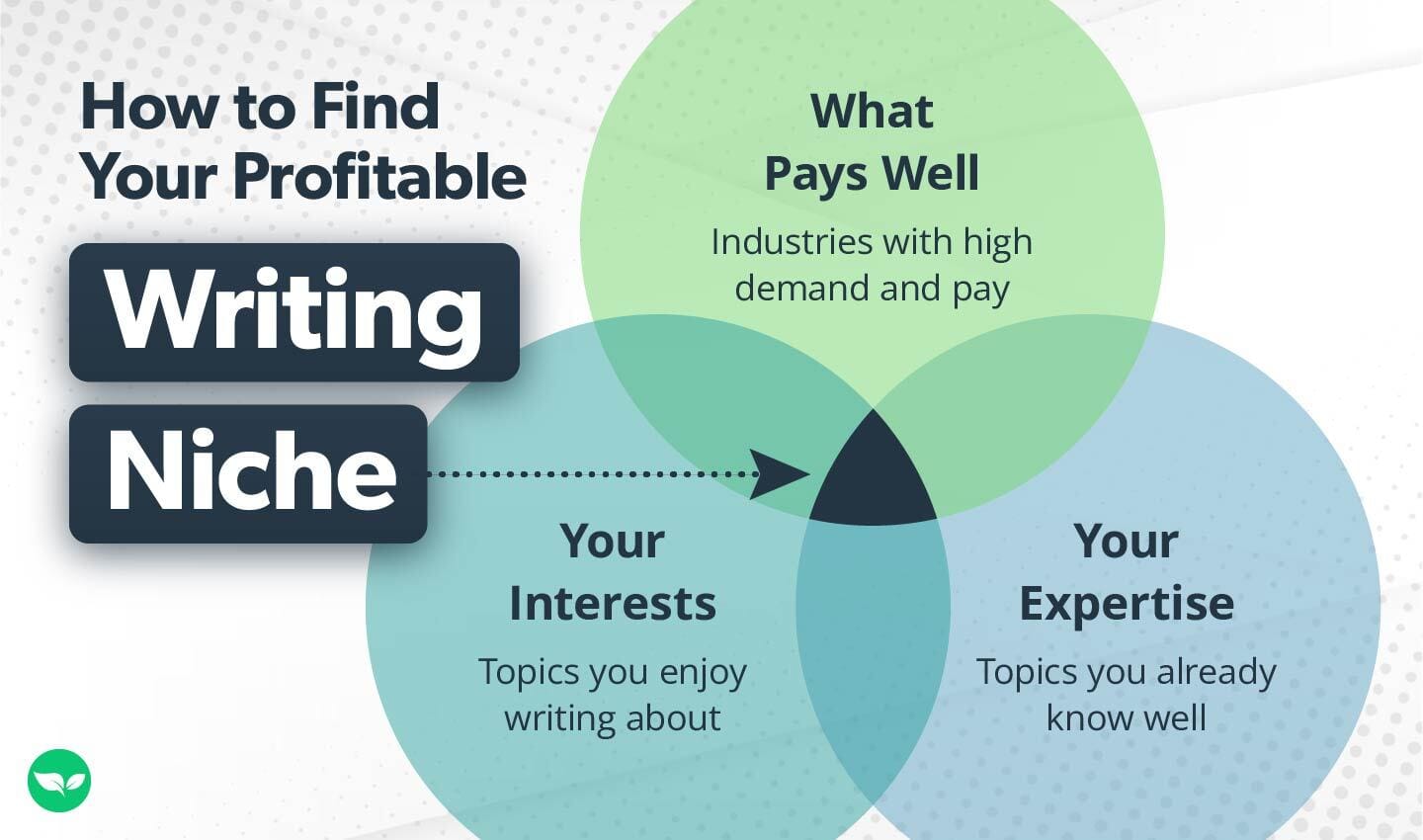
Selecting a niche is arguably the most daunting hurdle for a new freelancer. It is the intersection of passion, market demand, and your unique expertise. According to insights from professional content platforms, the following niches remain the most resilient and lucrative in the current market:

- Technical Writing: As industries become more digitized, the need for writers who can translate complex, jargon-heavy information into digestible, user-friendly content is at an all-time high.
- B2B Blog and Long-form Content: Businesses are prioritizing SEO-driven, authoritative content to build trust. Writers who understand the nuance of search intent and brand voice are highly sought after.
- Copywriting: In a world of short attention spans, the ability to craft high-conversion sales copy for social media and email marketing remains the "gold standard" for freelance ROI.
- Ghostwriting: Perhaps the most underrated path, ghostwriting allows writers to earn a premium by trading their personal brand for a higher fee, writing on behalf of executives and industry thought leaders.
- Resume and Career Services: As the job market fluctuates, the demand for high-quality, professional resume writing remains constant, offering a stable "bread and butter" service for many freelancers.
Official Perspectives: Expert Strategies for Success
To succeed in this field, one must heed the advice of those who have already navigated the stormy seas of freelancing.
The Art of the Pitch
According to industry experts, the "cold pitch" is not a nuisance; it is the lifeblood of the industry. The most successful pitches share several common characteristics:
- Brevity and Clarity: Editors are time-poor. Your subject line should be a headline, and your pitch should be a "taster" of the final article. If they have to guess what you are offering, they will move on.
- The "Why Now" Factor: A great story idea is only as good as its timing. Explain to the editor why this story is relevant to their specific audience at this moment.
- Researching the Outlet: Never send a "spray and pray" email. Target publications whose style, tone, and audience align with your own. Reference their past work to show you have done your homework.
- Professional Follow-up: If you haven’t heard back within two weeks, a polite, single follow-up is not just acceptable—it is expected. It demonstrates professionalism and genuine interest in the publication.
Financial and Mental Management
Freelance journalist Kate Hutchinson emphasizes that professional stability is an active pursuit. "Get thick skin" is the mantra. Rejection is not a reflection of your worth as a writer; it is often a matter of timing, budget, or editorial focus. Managing your money, setting clear boundaries on your working hours, and knowing when to say "no" to low-paying or scope-creeping work are essential to maintaining your mental health.
Implications: The Future of the Freelance Economy
The move toward a freelance-heavy editorial model has profound implications for the future of media. On one hand, it democratizes the industry, allowing voices from diverse backgrounds and geographies to contribute to global conversations without the barrier of a corporate office. On the other, it places the burden of career security entirely on the individual.

The writers who will thrive in the coming years are those who treat their writing as a business. They understand that their "product" is not just the words on the page, but the reliability, expertise, and professionalism they bring to every interaction.
Building a Network
Networking is no longer about attending stuffy conferences; it is about building relationships with the decision-makers. Every editor you interact with is a potential long-term partner. By handling every interaction with grace—even when the answer is "no"—you build a reputation as a writer who is easy to work with. In an industry where reliability is a premium currency, being "easy to work with" is often more valuable than being the most talented prose stylist.

The Responsibility of Independence
While the freedom of being your own boss is intoxicating, it requires a rigid, self-imposed structure. You must be your own HR department, your own sales team, and your own editor. The "Independence Day" you dream of is not a single moment of quitting your 9-to-5; it is the daily, consistent effort of showing up for your own career.
As you embark on this path, remember that you are part of a growing community of creators. Whether you are crafting technical manuals, persuasive ad copy, or long-form investigative journalism, the tools of the trade are within your reach. The industry may be in flux, but the demand for high-quality, thoughtful, and human-led storytelling has never been greater. The ship is yours to steer—make sure you chart a course that reflects the writer you want to be.



