











In the digital landscape, where the barrier to entry for content creation is lower than ever, the competition for attention is fierce. Every creator, publisher, and business owner understands the thrill of watching a subscriber count climb. Yet, there is an inevitable flip side to that growth: the churn. While the loss of a subscriber is a natural part of the lifecycle of any platform, the difference between a thriving business and a stagnating one often lies in how a brand responds to that departure.
The goal isn’t just to accumulate numbers; it is to build a community where every individual feels seen, heard, and deeply valued. When a subscriber clicks "unsubscribe," it is rarely just about the content. It is a signal—a breakdown in the perceived value, the relationship, or the relevance of the offering. To thrive in this ecosystem, creators must pivot from a growth-at-all-costs mindset to a sophisticated retention strategy.
The Anatomy of Churn: Why They Walk Away
To retain your audience, you must first understand the psychology of departure. According to insights from industry leaders like Mozhdeh Rastegar-Panah, Senior Director at Zendesk, retention is not a singular act; it is a cumulative result of a "seamless experience."

1. The Expectation Gap
The most common catalyst for churn is the failure to meet expectations. This often happens at the very beginning of the relationship. If your marketing promises a specific frequency of content or a particular value proposition that isn’t delivered, the subscriber feels misled. Setting clear, honest expectations from day one is the foundational pillar of long-term loyalty.
2. The "Buyer’s Remorse" Phenomenon
Even in free subscription models, there is a "psychological price" paid by the user. When someone signs up, they are making a commitment of time and attention. If they don’t receive an immediate, warm, and helpful welcome, they may second-guess their decision. A high-quality welcome sequence is not just a formality; it is a vital checkpoint to ensure the subscriber feels supported and validated in their choice.
3. The Erosion of Value
The content landscape is transient. A subscriber who found your work indispensable six months ago may find it redundant today. This doesn’t necessarily mean your quality has dipped—it means your subscriber’s needs have evolved. Businesses that fail to innovate or adapt their value proposition to changing market trends are the first to lose their audience to more agile competitors.

4. The Human Element
We often forget that behind every analytics dashboard is a human being. A lack of personalization or an abrasive customer service interaction can undo months of high-quality content. Professionalism, kindness, and responsiveness are not "soft skills"—they are critical business metrics.
A Chronology of Engagement: From Acquisition to Advocacy
Retention is a journey that begins before the first email is sent and continues long after the subscription is confirmed.
Phase I: The First Impression (Days 1–7)
The honeymoon phase is the most critical time to establish habits. During this period, the focus should be on "onboarding." This includes:
- The Welcome Email: A personalized, value-packed introduction that explains exactly what the subscriber should expect.
- Early Wins: Providing immediate, actionable value or a "quick win" that rewards the user for their time.
Phase II: The Relationship-Building Phase (Weeks 2–12)
Once the initial excitement fades, consistency becomes king. This is where you move from being a "stranger with good ideas" to a trusted resource. During this phase, you must start collecting feedback. Surveys, polls, and direct replies are not just for engagement; they are data-gathering tools that tell you exactly what your audience wants next.
Phase III: The Loyalty Inflection Point (Months 3+)
At this stage, the user is either a long-term advocate or a candidate for churn. This is when you should introduce "loyalty incentives." Whether it’s access to a private community, early access to new content, or special recognition, this is the time to reward those who have stood by you.
Supporting Data: What the Statistics Say
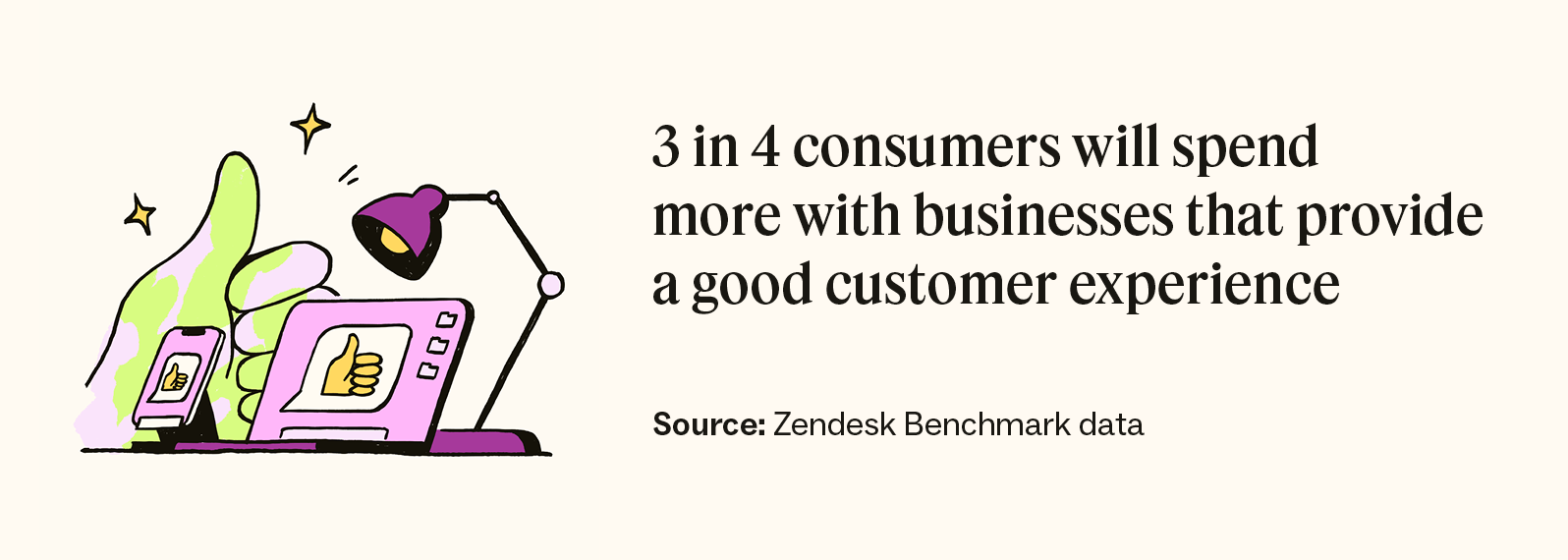
Data from platforms like Customer Thermometer and Zendesk suggest that companies that prioritize the customer experience grow at significantly faster rates than those that don’t.

- The Cost of Acquisition vs. Retention: It is widely recognized in marketing that acquiring a new customer is anywhere from five to 25 times more expensive than retaining an existing one. Every time a subscriber leaves, you are effectively burning your marketing budget to replace them.
- The Power of Feedback: Studies show that customers who feel their feedback is heard are nearly 30% more likely to remain loyal. The act of asking for an opinion creates a psychological sense of "ownership" in the brand.
- The Competitor Factor: In a crowded market, the "switching cost" is low. If your subscribers aren’t seeing the value, they are only a click away from a competitor who is ready to offer it. Being aware of your niche’s trends and peer activities is not about imitation; it is about maintaining a competitive edge.
Official Strategies for Retention
Industry experts recommend a multi-pronged approach to keeping your audience engaged.
Creating a Seamless Experience
A frictionless user experience is non-negotiable. From the ease of unsubscribing (which, ironically, builds trust) to the simplicity of navigating your archives, every click should feel purposeful. If your platform is buggy or confusing, you are providing a reason to leave.
The Power of Personalization
Segmentation is the secret weapon of the modern publisher. Instead of sending the same content to everyone, use data to tailor the experience. Did a subscriber click on a specific series of articles? Send them more of that. Did they open every email but click nothing? Ask them what they’re looking for.
Incentivizing the "Stay"
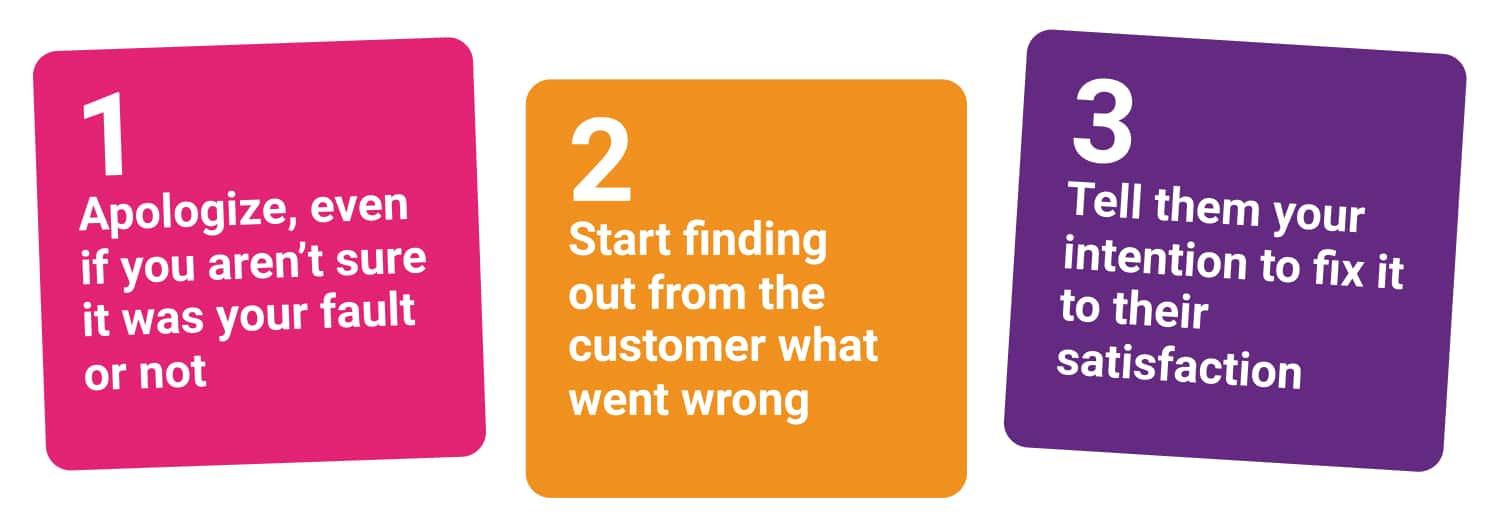
When a user is on the fence, they need a reason to stay. This is where retention offers come into play. A well-timed, thoughtful offer—such as a discount on a premium tier or a complimentary resource—can stop churn in its tracks. However, this should be done with care. Ensure that your retention efforts feel like a genuine appreciation for the customer rather than a desperate attempt to save a metric.
Implications: The Long-Term Impact on Your Brand
The implications of a robust retention strategy extend far beyond your subscriber count.
- Brand Advocacy: Retained subscribers are your loudest cheerleaders. They refer friends, leave reviews, and defend your brand in public forums. This organic growth is the most sustainable way to scale.
- Predictable Revenue: For creators operating paid newsletters or memberships, retention is the foundation of financial stability. It allows you to plan future projects with confidence.
- Content Quality: When you focus on retaining a specific audience, your content becomes more focused and effective. You stop trying to please everyone and start serving the people who truly resonate with your message.
How to Effectively Reward Your Audience
As Brad Davis of Stamp Me highlights, rewarding your customers is about creating a sense of shared success. Here are several unique ways to turn subscribers into long-term partners:

- Collaborative Partnerships: Partnering with other publications allows you to cross-pollinate audiences. By offering your subscribers access to partner content, you provide added value that you don’t even have to create yourself.
- Exclusive Access: Treat your most loyal subscribers like shareholders. Give them a seat at the table by allowing them to beta-test new features, participate in VIP webinars, or get a sneak peek at upcoming projects.
- Community Recognition: Sometimes, the best reward is recognition. Feature your subscribers in your newsletter. Share their stories. When you make your audience the hero of the story, they will rarely leave.
- The "Human" Touch: Never underestimate the power of a genuine "thank you." Whether it’s a handwritten note for a long-time supporter or naming a tier after your most dedicated reader, these human touches create an emotional bond that is impossible for competitors to replicate.
Conclusion: Embracing the Natural Cycle
Ultimately, it is vital to remember that not every subscriber is meant to stay forever. People’s lives change, their interests shift, and their needs evolve. That is perfectly okay. The goal of a successful retention strategy is not to force people to stay against their will; it is to ensure that those who should stay have every reason to do so.
By focusing on clear communication, personal connection, and consistent value, you build a brand that is resilient, respected, and ready for the future. You cannot please everyone, but you can build a community that feels genuinely cared for—and in the digital age, that is the greatest competitive advantage of all.
Keep creating, keep listening, and most importantly, keep treating your subscribers as the individuals they are. If you do that, the numbers will take care of themselves.



