In a rapidly evolving digital landscape, the traditional search engine results page (SERP) is no longer the sole gatekeeper of e-commerce traffic. As artificial intelligence fundamentally alters how consumers discover, research, and compare products, brands are facing a new imperative: mastering the “AI narrative.”
Today, Yoast has launched Yoast SEO AI+ for Shopify, a strategic toolset designed to bridge the gap between traditional technical search engine optimization and the opaque world of AI-driven brand representation. By combining Yoast’s industry-standard SEO infrastructure with new AI Brand Insights, the company is positioning itself at the forefront of what industry analysts are calling the era of "Agentic Commerce."
The New Frontier: Why AI Discovery Matters Now
For years, the gold standard for e-commerce growth was simple: rank on Google, drive traffic to the product page, and convert the sale. However, the rise of large language models (LLMs) like ChatGPT, Claude, Gemini, and Perplexity has introduced an intermediary layer. Modern shoppers are increasingly turning to these conversational agents to conduct product research, compare features, and synthesize brand reputations before they ever visit a merchant’s storefront.
The Shift in Consumer Behavior
The numbers supporting this shift are staggering. According to internal Shopify data from Q1 2026, AI-driven traffic to Shopify stores has surged 8x year-over-year. Even more telling is the conversion data: orders resulting from AI-powered search inquiries have grown nearly 13x in the same period.
While the "instant checkout" features once touted by platforms like OpenAI have faced hurdles—notably, OpenAI’s decision to sunset its ChatGPT Instant Checkout in March—the core function of AI has only grown stronger. AI acts as the "discovery engine." It filters the noise of the internet, providing consumers with curated recommendations. If a brand’s digital footprint is messy, poorly structured, or lacks the necessary context for AI to parse, it risks being ignored by these new digital gatekeepers.
Chronology: From Keyword Optimization to Agentic Visibility
To understand the necessity of Yoast SEO AI+ for Shopify, one must look at the evolution of SEO over the last three years.
- 2023–2024 (The Foundation): The focus remained on classic technical SEO: metadata, schema markup, and site speed. Shopify merchants largely relied on plugins to ensure their product catalogs were "Google-friendly."
- 2025 (The AI Awakening): As chatbots moved from novelty to utility, merchants began to notice "hallucinations" or inaccurate descriptions of their products appearing in AI summaries.
- March 2026: A critical pivot point occurred when OpenAI rolled back specific direct-checkout integrations, signaling that the future of AI commerce would be based on discovery and referral rather than a closed-loop platform ecosystem.
- October 2026 (The Present): Yoast launches the AI+ suite, acknowledging that the "pre-click" experience—what AI says about your brand—is now as vital as the "on-site" experience.
Supporting Data: The Anatomy of a Sale
The transition to "Agentic Commerce" is not merely a marketing buzzword; it is a structural change in the purchasing funnel.
The AI-Led Funnel
- The Query: The consumer asks, "What are the best ergonomic office chairs for back pain?"
- The Synthesis: The AI scans thousands of data points, including product descriptions, user reviews, and brand authority signals.
- The Recommendation: The AI lists three brands, providing a brief summary of why they are selected.
- The Transition: The consumer clicks the link and arrives at the Shopify store to complete the purchase.
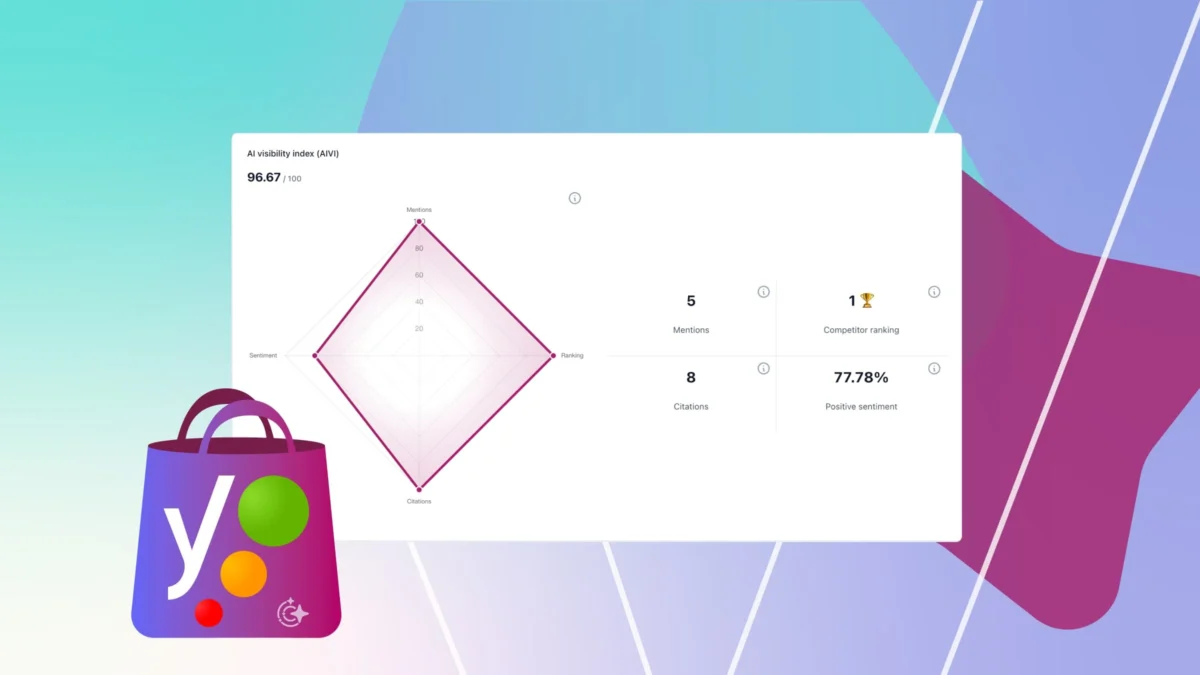
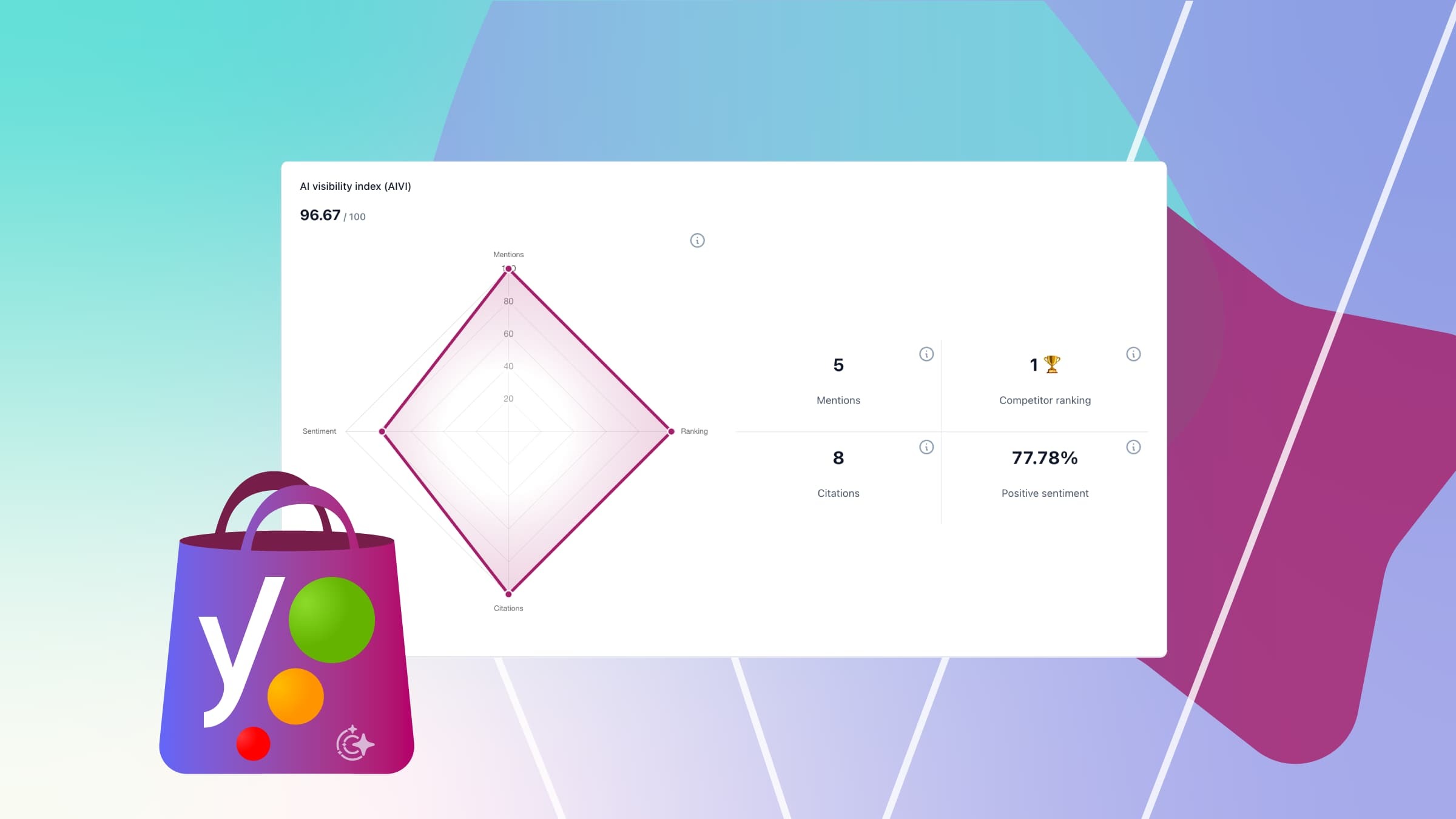
If a store lacks proper structured data, the AI may misinterpret the product’s purpose, price, or availability. Yoast SEO AI+ addresses this by ensuring that the technical "plumbing" of a store is perfectly optimized for AI ingestion, while simultaneously providing a dashboard—AI Brand Insights—that allows merchants to see exactly how their brand is being characterized by the models.
Official Perspective: Shaping the Narrative
Yoast’s strategy with the AI+ rollout is not to automate the brand’s identity, but to give merchants the visibility to manage it. As the company emphasizes, AI Brand Insights does not write the narrative for the merchant; it merely reports it.
"Your store is still the heart of the relationship," notes the company’s product marketing team. "But before that relationship begins, the brand’s reputation is being shaped by AI systems. Our goal is to provide the data that allows merchants to identify where they are being misunderstood and adjust their strategy accordingly."
By combining technical SEO (the "what" of the product) with AI Brand Insights (the "who" of the brand), Yoast is moving beyond the role of a simple plugin provider to become a strategic partner in the AI ecosystem.
Implications for Shopify Merchants
The launch of Yoast SEO AI+ has significant implications for how merchants allocate their marketing budgets and technical resources in the coming year.
1. The Death of Generic SEO
Generic, keyword-stuffed product descriptions are becoming less effective. Because AI models prioritize semantic context and factual accuracy, merchants will need to focus on high-quality, descriptive content that answers specific user questions—the exact kind of content that Yoast’s technical tools facilitate.
2. Monitoring the "Black Box"
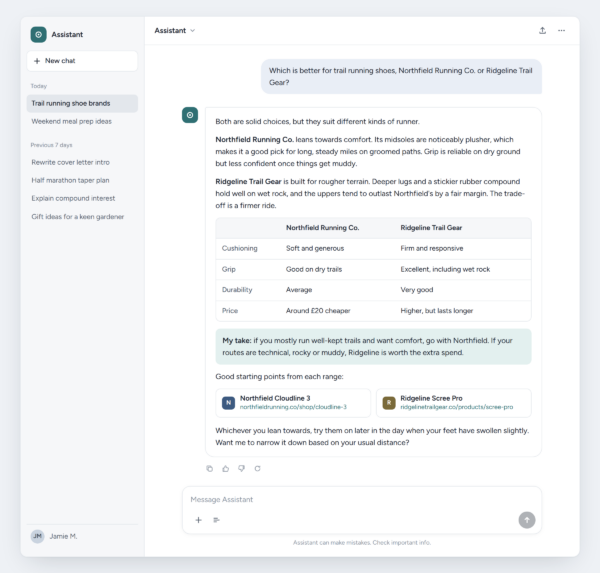
Until now, most merchants have had no idea what a chatbot says when a user asks about their brand. With the new suite, businesses can run recurring scans across ChatGPT, Gemini, Claude, and Perplexity. If a brand finds that an AI model is citing outdated pricing or incorrect features, they can now intervene at the source by updating their structured data and site content to correct the record.
3. The Cost of Doing Business
Priced at $45 per month or $450 per year, the tool is aimed at mid-to-large-scale merchants who recognize that their brand equity is their most valuable asset. With a 14-day free trial, the barrier to entry is low, but the potential ROI—in terms of brand protection and increased organic traffic—is high.
Looking Ahead: The Future of Brand Presence
As we move toward the end of 2026, the digital storefront is no longer a static page; it is a living entity that exists in two places at once: on the merchant’s domain and within the neural networks of the world’s most powerful AI models.
The success of a Shopify store will soon be measured by its "AI-readiness." Those who ignore the way AI interprets their business will likely find themselves pushed to the bottom of the conversational stack, invisible to a new generation of shoppers who prefer to let an agent do the legwork.
Yoast’s new offering is a timely intervention in this space. By providing the tools to audit and manage how a brand is perceived by AI, they are helping merchants reclaim control over their own story. As the industry continues to shift, one thing is clear: the brands that win will be the ones that understand that in the age of AI, your reputation is defined not just by what you say, but by what the machine says about you.
Getting Started
For merchants ready to take the next step, Yoast has provided a comprehensive quick-start guide. The integration process is designed to be seamless, with AI Brand Insights living directly within the MyYoast dashboard. As the digital landscape continues to fragment, these tools provide a much-needed sense of clarity for those navigating the transition to agentic commerce.
Whether this marks the end of traditional SEO or simply its most complex evolution remains to be seen, but for the Shopify ecosystem, the tools for the next chapter are finally here.