By Tech Wire Daily
Published October 23, 2026
Main Facts
The tech world is witnessing a fascinating crossover in hardware and software engineering as an independent developer successfully boots Apple’s macOS operating system onto a non-Apple, ARM-based laptop powered by Qualcomm silicon. Dubbed "Snapintosh," the project represents a significant technical milestone, bridging the architectural gap between Apple Silicon and Qualcomm’s Snapdragon X2 Elite platform.
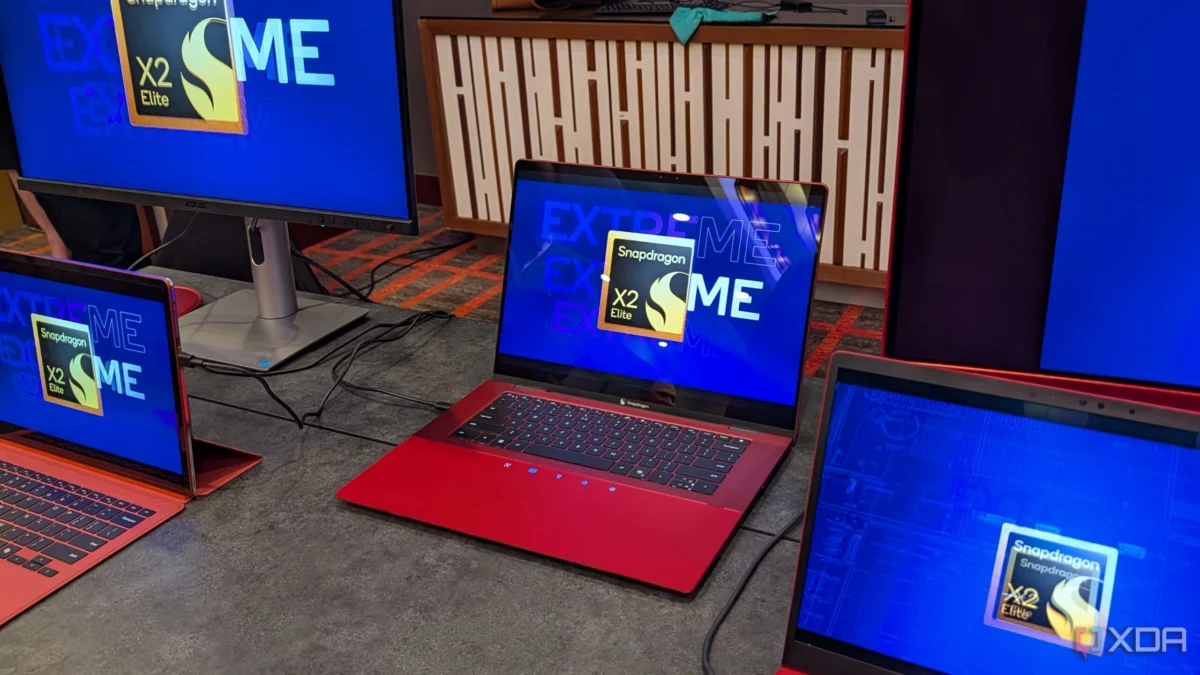
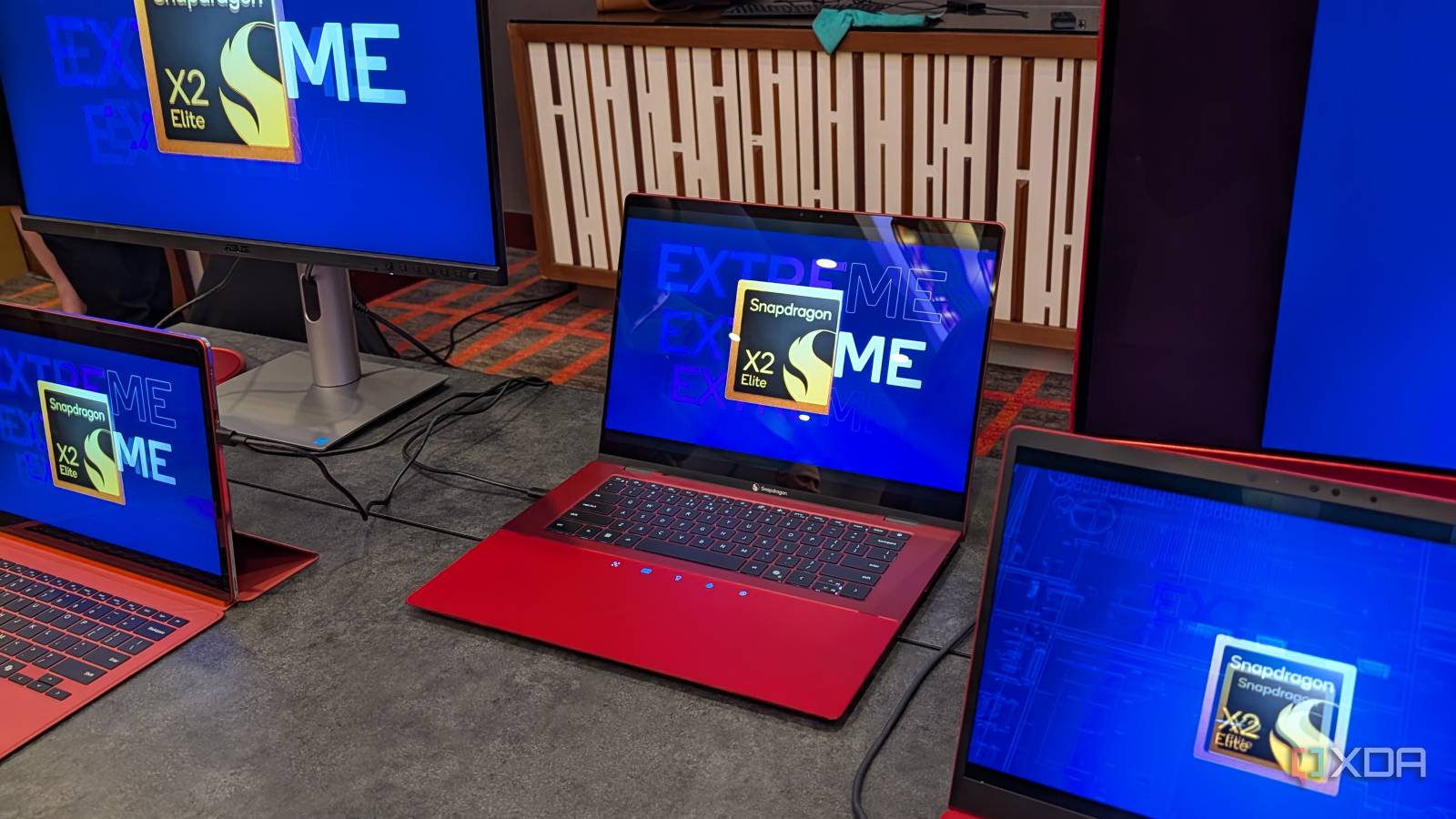
The ambitious undertaking is being spearheaded by developer Miguel Cruz. Using an ASUS Zenbook A16 equipped with Qualcomm’s high-performance Snapdragon X2 Elite processor, Cruz managed to load macOS 27 onto the machine. While initial demonstrations show that the operating system runs with notable choppiness and performance bottlenecks, the mere fact that it boots and functions is capturing the attention of enthusiasts, hardware modders, and operating system developers alike.
Traditionally, the "Hackintosh" community has focused on running macOS on x86-64 architecture using Intel or AMD processors—a practice that grew increasingly complex and eventually phased out as Apple transitioned entirely to its proprietary M-series silicon. However, because both Apple Silicon and Qualcomm Snapdragon processors share the underlying ARM instruction set architecture (ISA), the door has theoretically been opened for cross-platform virtualization and emulation. Cruz’s Snapintosh project moves this theory into practical reality, utilizing a custom hypervisor and low-level translation layers to trick Apple’s stock kernel into recognizing non-Apple hardware.
Chronology of the Project
The journey toward achieving a working ARM-based Hackintosh did not happen overnight. It is the culmination of years of parallel developments in ARM architecture adaptation, reverse engineering of Apple’s secure boot chains, and the rapid evolution of AI-assisted coding tools.
Phase 1: The Rise of Windows on ARM and Qualcomm’s Dominance
In the years leading up to 2026, Qualcomm made massive strides in the laptop market with its Snapdragon X Elite and subsequent X2 Elite processors. Designed to compete directly with Apple’s M-series chips, these processors proved that ARM architecture could deliver exceptional power efficiency and multi-core performance on Windows devices. As laptops like the ASUS Zenbook A16 became widely available, developers gained access to raw ARM compute power that rivaled Apple’s hardware, setting the stage for cross-pollination experiments.
Phase 2: Conceptualizing the Hypervisor
Recognizing that Apple’s macOS relies heavily on specific hardware-software contracts (such as Apple’s proprietary Secure Enclave, custom interrupt controllers, and 16 KiB page table translations), direct booting was fundamentally impossible. Cruz began conceptualizing a specialized EL2 monitor (hypervisor) designed to act as an intermediary layer. This toolchain would sit between the bare metal of the Qualcomm Snapdragon X2 Elite and the macOS kernel, intercepting hardware calls and translating them into formats the operating system understood.
Phase 3: The Breakthrough and Public Demonstration
In October 2026, Cruz shared the first working video proof of the project on social media and developer platforms. The footage, captured running on an ASUS Zenbook A16, displayed the unmistakable user interface of macOS 27 booting up. Although the system suffered from severe frame rate drops and execution latency, the desktop environment loaded, applications could be interacted with, and the foundational architecture proved viable.
Phase 4: Open-Sourcing and AI Integration
Following the initial public reveal, Cruz published the project to GitHub under the name "Snapintosh." Observers analyzing the repository quickly noticed signs of modern development workflows. References within the codebase and .gitignore files hinted at heavy utilization of Anthropic’s Claude AI model. According to statements by Cruz, AI tooling played a critical role in "de-slopifying" the massive, complex codebase required to map foreign hardware registers to Apple’s strict platform expectations.
Supporting Data and Technical Architecture
To understand why running macOS on a Snapdragon X2 Elite is such a monumental engineering feat, one must examine the deep-seated differences in how Apple and Qualcomm implement ARM architecture. While both use ARM instructions, their system-on-chip (SoC) designs diverge wildly past the CPU core level.
The Hardware Foundation
- Target Device: ASUS Zenbook A16
- Processor: Qualcomm Snapdragon X2 Elite
- Target OS: macOS 27
- Virtualization Layer: Custom EL2 Monitor / Hypervisor Toolchain
Overcoming the Architectural Divide
Apple Silicon (such as the M1, M2, M3, and subsequent generations) utilizes tightly integrated proprietary blocks for memory management, interrupt handling, and boot security. Qualcomm’s Snapdragon X2 Elite uses standard ARM System Ready specifications, which differ significantly.
To bridge this gap, Cruz’s hypervisor performs several critical functions:
- Unmodified Kernel Execution: By default, the hypervisor runs Apple’s stock kernelcache (specifically targeting the J700/T8140 kernel) without altering the core binary.
- Platform Contract Emulation: It supplies the specific platform contracts that the macOS kernel expects from Apple Silicon, including Security/Trustlet Monitor (SPTM) and Trust Execution Monitor (TXM) monitor calls.
- Memory Translation: The toolchain handles the crucial translation of the kernel’s 16 KiB page tables to align with the memory management capabilities of the Snapdragon silicon.
- Device Tree Mapping: It fabricates virtual representations of the Apple-specific peripheral devices that the macOS kernel actively searches for during the boot sequence.
Official Responses and Industry Reactions
The tech industry has responded to the Snapintosh project with a mixture of awe, skepticism, and technical curiosity. Because Apple tightly guards its operating system ecosystem, and Qualcomm focuses primarily on Windows on ARM and mobile ecosystems, neither company has issued a formal corporate statement regarding the project. However, independent engineers and operating system developers have weighed in heavily.
Prominent figures in the Windows-on-ARM and Linux development communities have lauded Cruz’s ingenuity. Systems programmers note that while running macOS on non-Apple hardware has historically been viewed as a dead-end due to Apple’s transition away from x86, the pivot to ARM has completely revitalized the concept.

Furthermore, the integration of generative AI in solving low-level kernel translation problems has sparked broader discussions within software engineering circles. Developers are increasingly utilizing advanced Large Language Models (LLMs) to parse dense, undocumented proprietary firmware specifications and generate boilerplate translation code—a task that previously would have taken a team of engineers months to prototype.
Implications for the Tech Ecosystem
While a choppy, early-stage build of macOS running on an ASUS Zenbook is not about to replace standard MacBook purchases or disrupt enterprise IT deployments, the Snapintosh project carries significant implications for the future of computing:
1. The Blurring Lines of Proprietary Hardware
Apple has long maintained that the seamless performance and security of macOS are inextricably linked to its custom-designed silicon. Projects like Snapintosh challenge this narrative by proving that virtualization layers can abstract hardware differences, even when bridging two entirely different vendor ecosystems.
2. The Maturation of ARM Interoperability
As ARM architectures become the standard across Windows, Linux, and macOS, the barriers to cross-platform software execution are lowering. While legal hurdles regarding Apple’s End User License Agreement (EULA)—which restricts macOS to Apple-branded hardware—remain firmly in place, the technical barriers are steadily eroding.
3. AI-Accelerated Systems Engineering
The apparent use of Claude AI to assist in writing hypervisor and translation code highlights a massive shift in how complex, reverse-engineering projects will be conducted moving forward. Tasks that required deep, specialized knowledge of obscure assembly languages and proprietary hardware documentation can now be accelerated using AI agents capable of refactoring and cleaning up experimental codebases at unprecedented speeds.
4. What Lies Ahead for Snapintosh
As Cruz and potentially other open-source contributors continue to refine the Snapintosh repository, future milestones will likely focus on GPU hardware acceleration, audio driver integration, and power management optimization. Whether the project will ever evolve from a proof-of-concept novelty into a daily-driver-capable operating system remains to be seen, but one thing is certain: the definition of what can run on modern hardware is being rewritten.