It is time to pull the ripcord on the industry-wide obsession with "content for content’s sake." For years, the social media playbook has been dominated by a singular, exhausting directive: post more, post faster, and post everywhere. However, the data is now indisputable—the digital landscape is collapsing under its own weight.
With over 5.5 billion active social media users globally, the average person now spends two hours and 20 minutes daily navigating a digital feed that has become increasingly fragmented and noisy. For the brands tasked with occupying this space, the result is a paradox: as production volume hits record highs, audience attention spans are hitting record lows. We are currently witnessing the Great Saturation, a moment where the sheer volume of information has surpassed the human capacity for consumption.
The State of the Feed: How We Arrived at Peak Saturation
The current state of social media is defined by a frantic race to the bottom of the engagement funnel. According to Sprout Social’s 2025 Content Benchmarks Report, the average brand publishes 9.5 posts per day across its various networks. In high-velocity sectors like media and retail, that figure can quadruple, creating a firehose of information that is fundamentally unsustainable.
The Chronology of Decline
- The Early 2000s (The Era of Connection): Social platforms were defined by chronological feeds and tangible social graphs. Content was sparse, meaningful, and deeply tied to real-world relationships.
- The Mid-2010s (The Rise of the Algorithm): As platforms shifted to interest-based recommendation engines, the pressure to feed the algorithm began. This marked the birth of the "content factory" model, where frequency became a proxy for success.
- 2023–2024 (The Attention Crash): Research indicates that human attention spans on screens have plummeted from 2.5 minutes in 2004 to a mere 47 seconds in 2023.
- 2025–2026 (The AI Inflection Point): The democratization of generative AI has flooded the ecosystem with "slop"—low-effort, automated, or derivative content—further diluting the value of organic posts and alienating users.
The Anatomy of the Saturation Crisis
The pressure to remain visible in an overcrowded feed has created a "vicious cycle of noise." Marketers, fearful of being forgotten by the algorithm, increase their output. This adds to the collective volume, which further dilutes engagement rates, prompting marketers to increase output again.
Content Production Pressures
Brands are currently suffering from a crisis of "presence-at-all-costs." A staggering 87% of marketers reported plans to expand their presence to new social networks in 2026. This strategy, intended to capture more market share, often leads to diluted messaging. When a brand prioritizes quantity, the nuance and "humanity" of their storytelling are usually the first casualties.
The AI "Slop" Epidemic
The rapid influx of AI-generated content has fundamentally altered the social contract between brands and followers. Sprout Social Listening data identified over 10.8 million mentions of "AI slop" between December 2025 and August 2026. This isn’t just a linguistic trend; it is a signal of deep-seated audience fatigue. When platforms like LinkedIn introduce "seems like AI slop" buttons—which saw over one million uses in their first month—it serves as a warning: users are no longer passive consumers. They are actively curating their feeds to exclude low-quality noise.

The Fragility of Platform Landscapes
The modern social media ecosystem is no longer a monolith; it is a volatile archipelago of shifting networks. The rapid rise and fall of platforms like BeReal, coupled with the slow-burn growth of decentralized alternatives like Bluesky and Mastodon, forces brands to constantly pivot. This platform instability makes it nearly impossible to build a long-term, stable content strategy, leaving brands at the mercy of opaque, ever-changing algorithms.
Case Study: From Daily Noise to Intentional Storytelling
While many brands are doubling down on volume, some are finding success by moving in the opposite direction. BMC, a leader in the tech space, provides a blueprint for how social intelligence can be used to pivot from volume to value.
BMC’s internal data revealed a critical insight: their audience was largely ignoring one-off, transactional promotional posts. However, their thought leadership content—which tackled industry-wide challenges and provided a unique, contrarian perspective—consistently outperformed everything else.
Instead of continuing to churn out daily updates, BMC launched The BMC Briefing, a monthly LinkedIn newsletter. By packaging product education, customer narratives, and industry analysis into a cohesive editorial experience, they successfully transitioned their strategy from "daily posting" to "intentional storytelling." The result was not just higher engagement, but the cultivation of a loyal, attentive community.
Strategic Pillars for Breaking Through the Noise
How can your brand survive when the "cost of attention" is at an all-time high? The solution lies in four core pillars:
1. The Power of Originality
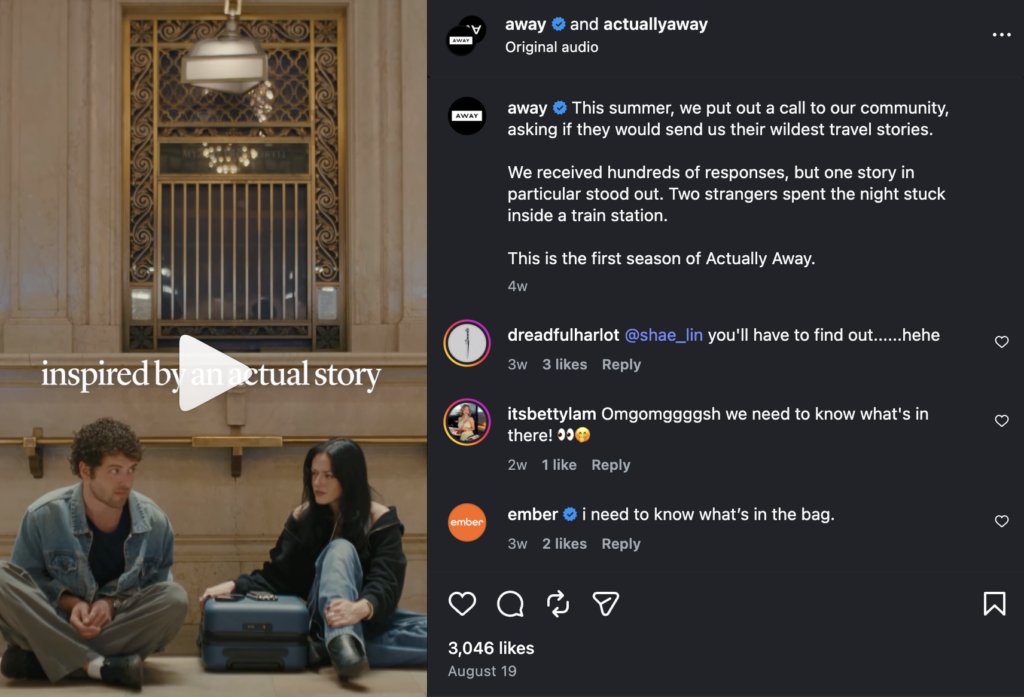
In a world saturated with AI-generated copy, original thought is the only currency that retains its value. Brands like Away and Nuuly have successfully pivoted to "microdramas"—narrative-driven, highly produced short-form content that offers actual entertainment value. By leaning into brand-specific differentiators that AI cannot replicate, these companies stand out as unique voices in a sea of sameness.
2. Precise Audience Calibration
Not every platform requires the same format or length. According to Sprout’s Q1 2026 Pulse Survey, Gen Z audiences are significantly more patient with long-form content than their Baby Boomer counterparts. However, across all demographics, the rule remains: if the first five seconds of a video fail to hook the viewer, the rest of the content is irrelevant. Precision—choosing the right format for the right platform—is more important than a blanket posting schedule.
3. Data-Backed Cultural Participation
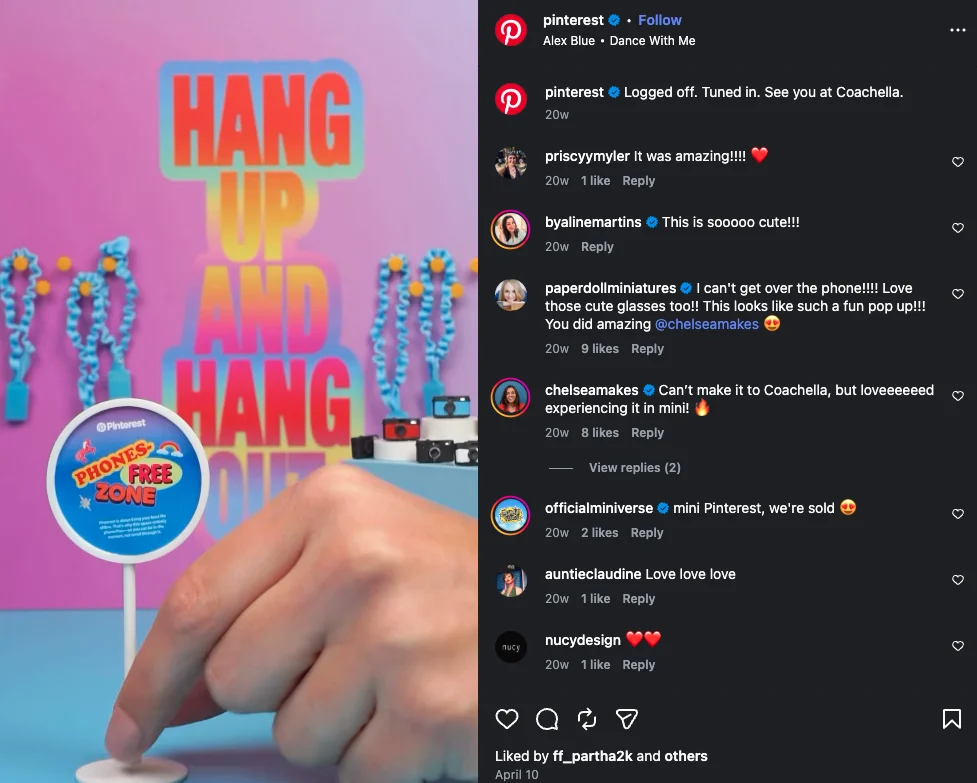
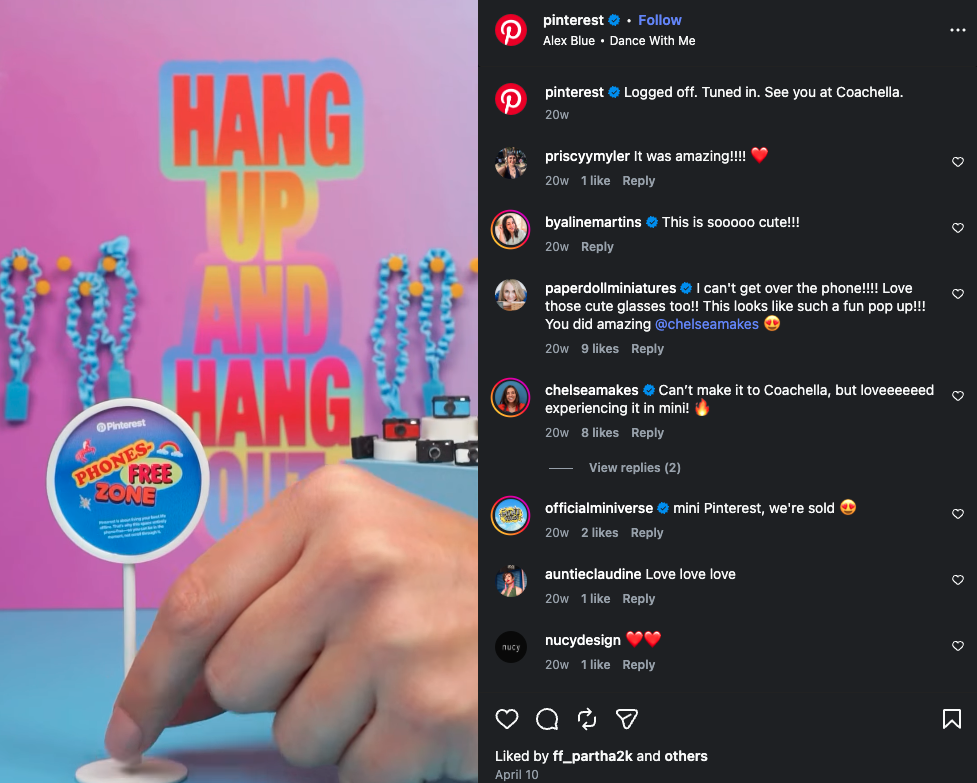
The question of whether brands should "trendjack" is no longer up for debate—84% of consumers expect brands to keep up with online culture. However, the way they participate is critical. Pinterest’s Coachella activation serves as a gold-standard example: they identified a trend toward "analog aesthetics" via their own data and built a physical, phone-free experience that felt authentic to their brand identity. They didn’t just chase a trend; they amplified a cultural moment that was already happening within their own ecosystem.
4. Redefining Metrics of Success
The industry must move away from vanity metrics like "reach" and "impressions." If a thousand people see your post but none of them interact with it, you haven’t succeeded—you’ve simply interrupted them. Marketers should prioritize engagement-based metrics, such as shares, saves, and comments. A community that tags friends in your post is worth more than a thousand passive scrollers.
Implications for the Future of Social Marketing
The era of the "content mill" is nearing its end. As AI continues to commoditize basic information, brands that rely on high-volume, low-effort strategies will find themselves increasingly invisible.
The path forward is paradoxical: to be seen more, you must post less. By prioritizing high-quality, original storytelling over frequency, and by using social intelligence to listen to what your audience truly wants rather than guessing, brands can regain the trust of their followers.
Social media is not dead, but the old, noisy version of it is. The brands that win in the next five years will be those that treat their audience’s time as a finite, precious resource. Success in this new landscape will be defined by one metric above all others: Resonance.
Frequently Asked Questions (FAQs)
What is social media saturation?
Social media saturation occurs when the volume of content published exceeds the capacity and willingness of audiences to consume it. This leads to a degradation in content quality and a significant drop in engagement returns for brands.
Is social media marketing still effective in an oversaturated market?
Yes, but the strategy must change. "Oversaturation" does not mean "ineffective"; it means the cost of attention has increased. Undifferentiated, high-volume content is no longer effective, but high-value, niche, and original content remains highly effective.
How much content should my brand be publishing?
The "magic number" of 9.5 posts per day is an average, not a rule. Brands should look at their engagement data to find their "saturation point"—the frequency at which engagement per post begins to decline. For many, cutting back volume to focus on higher-quality, serialized content is the most effective way to improve ROI.
How can I stop my brand from contributing to the "AI slop" problem?
Focus on human-centric storytelling. Use AI for data analysis, scheduling, and administrative tasks, but keep the creative process—writing, strategy, and design—firmly in human hands. If a post doesn’t offer unique insight, entertainment, or genuine value to your specific audience, it is better left unposted.