As the curtain falls on 2025, the digital landscape finds itself at a fascinating crossroads. For many creators, the past twelve months have been a whirlwind of rapid technological evolution, shifting platform algorithms, and a profound existential debate regarding the role of human creativity in an increasingly automated world. Whether you spent the year scaling new heights, navigating unexpected setbacks, or fundamentally rebuilding your digital identity, the horizon of 2026 offers a blank canvas.
The core question facing every publisher, writer, and entrepreneur today is simple yet profound: In an era defined by AI-generated content, the resurgence of "dumbphones," and the dominance of short-form video, what is the actual value of a blog or a newsletter? The answer, as it turns out, is that they are more vital than ever—provided you are willing to adapt.

The Main Facts: Why Newsletters Remain King
Despite the rise of decentralized social media and AI-powered search, the email inbox remains the final fortress of the internet. It is a direct, permission-based line to an audience that cannot be severed by a fluctuating algorithm or a sudden policy change at a major social network.
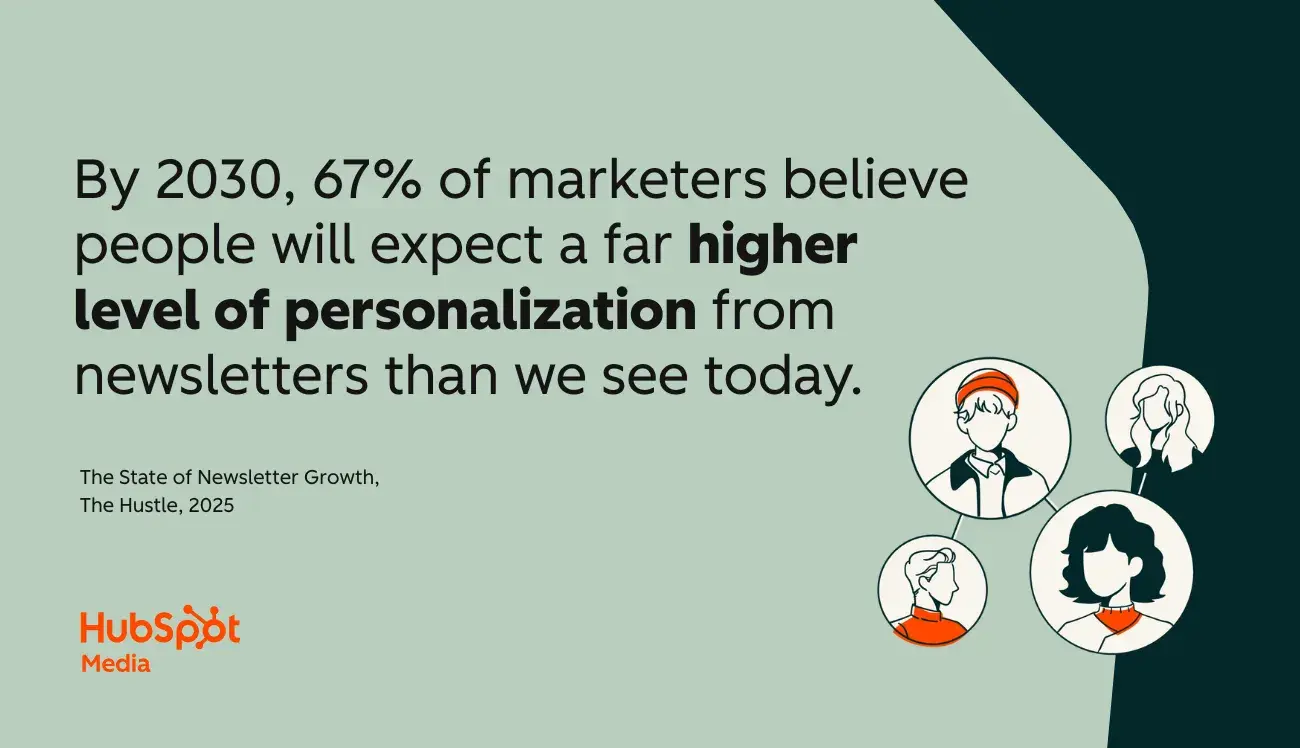
However, the strategy for 2026 must be more sophisticated than it was even two years ago. According to industry analysis from experts like HubSpot’s Ramona Sukhraj, the future of the newsletter is shifting away from "mass-blast" marketing toward hyper-personalization and community-centric utility.
The "Newsletter 2.0" model is no longer just a broadcast channel; it is a retention engine. As AI saturates the web with generic, SEO-optimized noise, readers are increasingly gravitating toward voices they trust. The platforms that will succeed in 2026 are those that prioritize high-signal, low-noise content. The era of quantity has passed; the era of human-first, curated intelligence has begun.
Chronology: A Retrospective on the Blogging Evolution
To understand where we are going, we must look at where we have been. The history of blogging is a classic tale of cyclical trends.
- 2000–2005 (The Genesis): The birth of the personal weblog. Platforms like LiveJournal and Blogger turned the internet into a giant, decentralized conversation.
- 2006–2015 (The Social Takeover): The rise of social media platforms shifted the attention economy. Blogging became a tool for SEO, often losing its soul to corporate content farms and keyword stuffing.
- 2016–2022 (The Creator Economy Boom): The rise of the "newsletter-first" model. Substack and Ghost emerged, proving that readers were willing to pay for premium, independent, and ad-free journalism.
- 2023–2025 (The AI Inflection): The democratization of LLMs (Large Language Models) triggered an explosion of content volume, leading to "content fatigue" among users.
- 2026 (The Human Renaissance): We are currently seeing a "Return to Roots." As AI content becomes ubiquitous, the market is placing a premium on "human-certified" content—work that is explicitly non-automated, deeply researched, and grounded in lived experience.
Supporting Data: The Continued Relevance of the Blog
It is a common misconception that blogging is a dying medium. In reality, the data suggests the opposite. While short-form video (TikTok, Reels, Shorts) currently dominates the top of the funnel for reach, long-form blog content remains the backbone of the professional internet.
Recent industry data highlights several key metrics:
- Search Intent: Even with the rise of AI chat interfaces, Google remains the gatekeeper of the global internet, processing over 8.5 billion searches daily. Trusted, human-written blogs are the primary data source that powers these searches.
- The Research Gap: 96% of consumers continue to perform their own independent research before making a purchase or a life decision. They do not rely on AI summaries for high-stakes decisions; they rely on comprehensive, long-form articles that provide depth and nuance.
- SEO Stability: Search engines continue to prioritize fresh, indexable, and original content. A website that is updated regularly remains one of the top five most popular and effective content formats for modern marketers, according to recent HubSpot surveys.
- Content Repurposing: The most successful creators in 2026 are not choosing between blogs and video; they are using the blog as a "content engine." One long-form piece of research can be distilled into a 60-second video, three social media threads, and a weekly newsletter, maximizing the return on a single investment of time.
Official Perspectives: The Philosophy of World-Building
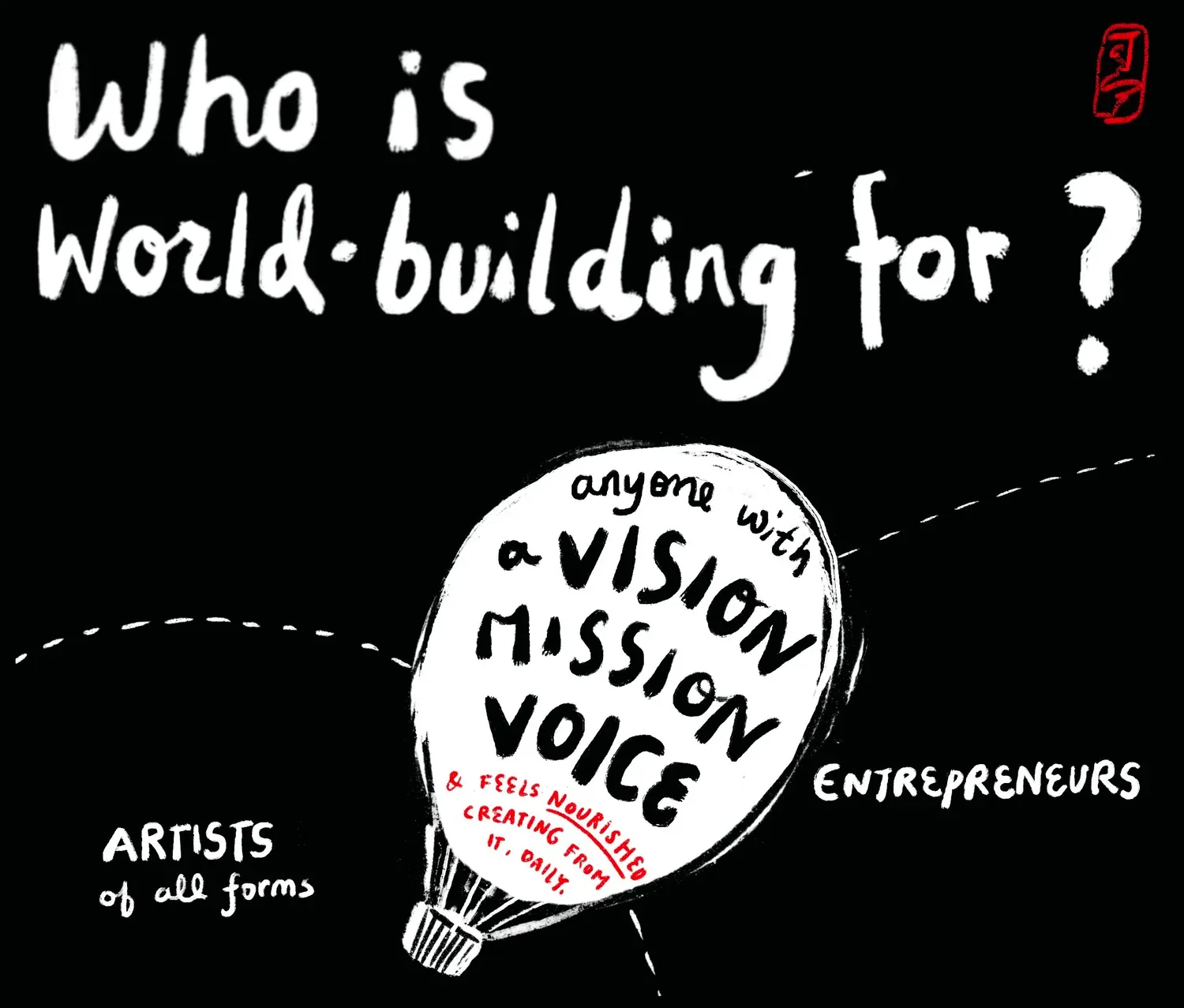
As we move into 2026, the strategy for success is shifting from "content creation" to "digital world-building." Kening Zhu, a prominent voice in the creator space, has proposed a set of principles that emphasize the necessity of human authenticity.
The Six Pillars of Digital World-Building:
- Nourishment: If your content is created solely to chase engagement metrics, it will eventually become a burden. Create content that feeds your own curiosity, and your audience will naturally follow.
- Process-Oriented Growth: Stop hiding the "behind the scenes." In an age where everything is polished and AI-generated, showing the messy, human process of building something builds trust.
- Experimental Rigor: The old rules of blogging are being rewritten. The most successful creators are those who experiment with format, breaking conventions to align with their specific values rather than just industry trends.
- The Irreplaceable Essence: AI can mimic tone, but it cannot mimic personal history. Your content must be an extension of your own life and specific point of view. That is the one thing that cannot be "prompted."
- The Power of the Niche: Don’t try to be everything to everyone. In 2026, a loyal, small audience is worth infinitely more than a massive, disengaged one. Be unapologetically specific.
- Embrace the Mess: Complexity and imperfection are signs of human intelligence. Do not sanitize your work to the point of boredom. If your content is confusing or challenging, it likely means it is original.
Implications for 2026: A Roadmap for Creators
What does all of this mean for the year ahead? If you are planning your content strategy, consider these three implications:
1. The Death of the "Generic" Strategy
The "Five Tips for Better Sleep" style of articles is officially dead. AI can generate that in seconds. Your 2026 strategy should prioritize "Original Research," "Personal Experience," and "Opinionated Analysis." If you aren’t bringing something new to the table, the algorithms will likely bypass your content.
2. The Hybrid Publishing Model
The silos are breaking down. The most effective creators are those who operate a "hub-and-spoke" model. The blog/newsletter is the hub (the source of truth), while social media platforms (short-form video, podcasts) serve as the spokes (distribution channels). Do not rely on one platform to sustain your business.

3. The Human-First Approach
As we move into the future, the value of human connection will increase in direct proportion to the volume of AI content. If you want to survive, you must double down on the things machines cannot do: empathy, vulnerability, and complex social commentary.
Final Thoughts: You Are Not Too Late
If your 2025 felt like a year of stalled momentum, do not despair. The internet is remarkably forgiving. Even the oldest institutions, like LiveJournal, continue to find relevance in a changing landscape. You have the tools, the technology, and the platform to build something that lasts.

The path forward is not about outworking the machines; it’s about out-humaning them. As you look toward 2026, remember that your voice is your greatest asset. It is an irreplaceable, non-fungible, and essential component of the digital ecosystem. Whether you are launching a new publication or revitalizing an old one, the world is waiting for a perspective that only you can provide.
Start fresh. Experiment wildly. And above all, keep it human.