










Welcome to the July edition of DEV, your essential monthly briefing on the WordPress ecosystem. This month, the community finds itself at a fascinating intersection: we are celebrating the successful launch of WordPress 7.0 while simultaneously pivoting toward the ambitious roadmap of 7.1. Beyond the core codebase, we are witnessing a significant shift in how developers manage client communication and experimental technologies like EmDash.
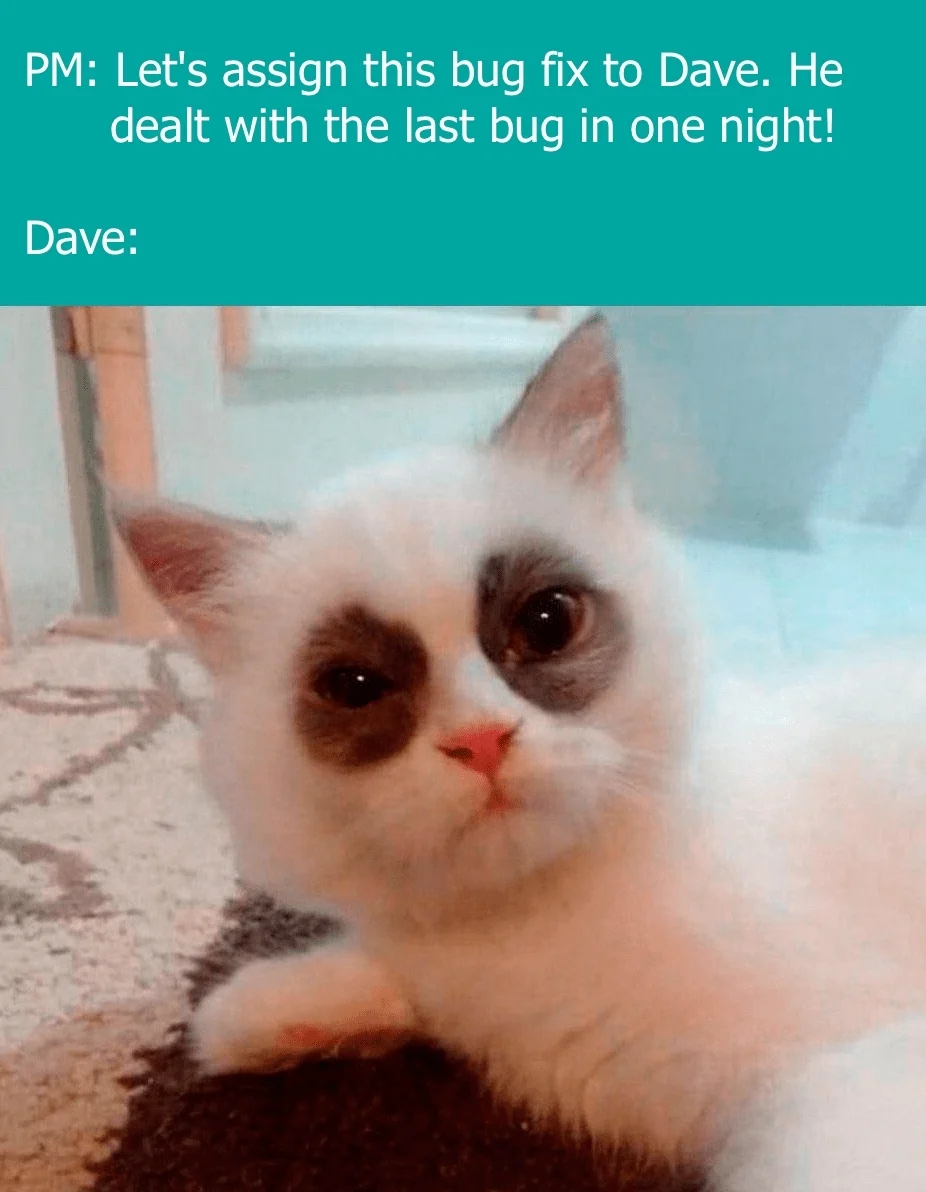
If you feel like the "Dave" of your team—the developer who solves one critical issue only to be rewarded with three more—you are not alone. It is the perennial plight of the modern web builder: success is often rewarded with more responsibility. Whether you are the "domain whisperer" of your agency or the person tasked with keeping the WooCommerce checkout flow from collapsing, we know the feeling. As you navigate your open tabs, let’s unpack the news, the trends, and the occasional bit of absurdity defining the WordPress landscape this month.
I. The Horizon of WordPress 7.1: A New Release Cycle Begins
While the champagne corks from the WordPress 7.0 release party are barely swept away, the engine of development has already shifted gears. The community is officially turning its gaze toward version 7.1, a release poised to be the second major milestone of 2026.
The Leadership Team
The project has officially announced the release squad for 7.1, led by Anne McCarthy. This marks a significant moment in the development lifecycle, as McCarthy steps into the role of release lead, bringing a wealth of experience from her previous contributions to the Core team. The squad structure is designed for efficiency and rigorous oversight, featuring:
- Release Coordination: Benjamin Zekavica and Krupa Nanda
- Technical Leads: Aki Hamano and Joe Dolson
This team is tasked with maintaining the momentum established in 7.0, with a focus on stability, performance, and the refinement of the block-based editing experience.
Timeline and Implications
The target release date is currently set for August 19, 2026. Notably, this date aligns with the final day of WordCamp US, creating a high-stakes environment for the release squad. For site administrators and agency owners, this suggests a critical window for staging site preparation. Developers should begin planning their update cycles now, particularly as the roadmap indicates an aggressive push toward final feature freezes in the coming weeks.
Read the official Roadmap to 7.1 here.
II. Workflow Evolution: Bridging the Gap Between Clients and Helpdesks
A perennial challenge for any developer is the "invisible client workflow." You can build the most sophisticated, high-performance client portal in existence, but human behavior remains constant: clients prefer the simplicity of a standard email thread.
The Challenge of Client Communication
The friction arises when "I thought I sent you an email about that" becomes the primary method of project management. This is not a scalable business model. When communication is siloed in private inboxes, accountability, status tracking, and conversation history vanish into the void.
The Hub Tickets Integration
To solve this, WPMU DEV has rolled out a new feature for Hub Tickets that integrates directly with branded email addresses. Instead of forcing clients to adopt a new portal or training them on complex ticket taxonomy, this feature allows them to operate in the environment they already trust: their email client.
- How it works: Premium members can now connect a custom, branded support email address (e.g., [email protected]).
- The Benefit: Incoming client emails are automatically converted into organized, trackable tickets within The Hub.
- The Result: Developers gain the structure of a professional helpdesk—complete with status tracking, team assignments, and historical logging—without ever forcing the client to change their habits. It is the ultimate compromise: client ease, agency efficiency.
Learn how to bridge the gap between email and helpdesk.
III. EmDash Hosting: Refining the Experimental Edge
Innovation often arrives with a "crunchy phase." When EmDash launched on WPMU DEV Unlimited Hosting just over a month ago, it brought with it the excitement of new infrastructure combined with the inevitable edge cases that arise in real-world deployment.
The "Sanding Down" Process
The last four weeks have been dedicated to polishing the rough edges of the EmDash integration. The team has prioritized:
- Performance Optimization: Reducing load times for experimental environments.
- UI/UX Improvements: Streamlining the interface for developers juggling multiple site architectures.
- Stability Patches: Addressing the "three edge cases" that only appear once a technology hits the wild.
Practical Application for Builders
WP Mayor recently conducted a deep dive into the EmDash hosting experience, highlighting a significant advantage: Infrastructure consolidation. Traditionally, experimenting with new, non-WordPress-native technologies often meant spinning up separate servers, juggling new credentials, and fracturing your workflow.
With EmDash sitting alongside your standard WordPress sites in The Hub, you get the benefit of established infrastructure: the same backup systems, security protocols, and support channels you already utilize. It is a "paved road" approach to experimentation, allowing developers to test the limits of new tech without the administrative overhead of managing a second hosting environment.
Read the full report on the first month of EmDash hosting.
IV. The State of the Ecosystem: Trends and Observations
The broader WordPress community is currently grappling with several systemic shifts, ranging from the integration of AI to the retirement of legacy components.
The AI Paradox
While AI was promised as the great liberator from busywork, many developers are reporting that managing multiple AI assistants has become a task in itself. Navigating burnout in an era of AI-driven development is a recurring theme in industry discussions.
Plugin Discovery in the AI Age
Search is changing. As AI-powered search engines become the primary gateway for users looking for solutions, plugin developers must adapt their strategies. Visibility is no longer just about keyword stuffing or SEO; it is about providing clear, structured data that AI models can ingest and recommend. If your plugin is not "readable" by the robots, your discovery metrics are likely suffering.
The End of the Classic Era
The community is preparing to say goodbye to the Classic Block. As contributors move toward a full block-based paradigm, the phasing out of legacy components is a necessary step for technical debt reduction, even if it feels like a bittersweet goodbye for long-time users.
V. Resources and Reading List
To stay ahead of the curve, we recommend exploring these essential resources published this month:
- On Burnout: Navigating Burnout in the Age of AI-Driven Development
- On Client Management: When a client hires someone else—setting boundaries.
- On Technical Discovery: How WordPress Plugins appear in AI search.
- On Community History: The story behind the WCEU 2026 local team gifts.
- On Legacy Tech: The Old Computer Museum (A reminder that if your first computer is in a museum, you might be feeling the "startup sound" in your knees).
VI. Coffee Break: The Lighter Side of Dev
We understand that technical documentation is only half the battle. To keep your sanity during long debugging sessions, we’ve curated a few distractions:
- For the "Gym Bro" in all of us: A helpful, if misguided, workout partner.
- For the Movie Buffs: Behind-the-scenes footage of Queen Gandalf in The Lord of the Rings.
- For the AI-Shy: If you feel self-conscious using AI in public, check out this clever browser extension that makes your prompt engineering look like a standard email.
- And finally: A reminder of why we do what we do. This adorable bark is the perfect antidote to a day of fighting with CSS.
Final Thought:
The WordPress ecosystem is moving faster than ever, but the core principles—community, problem-solving, and the occasional shared laugh—remain unchanged. Keep your staging sites ready, your tickets organized, and your sense of humor intact.
Love this mix of nerdery and nonsense? Share it with your favorite WordPress weirdo.



