








YouTube is no longer just a mobile app for creators; it has evolved into the primary destination for the modern living room. As connected TVs (CTVs) become the dominant way audiences consume video content, the platform is aggressively repositioning itself as a direct competitor to traditional broadcast television and streaming giants like Netflix. For marketers, this represents a tectonic shift in strategy. Content that thrives on a smartphone in a crowded train car will often fail to capture the attention of a viewer reclining on a sofa.
In this deep dive, we explore how marketers can adapt their channel strategy, optimize for the “couch experience,” and leverage new AI-driven tools to turn TV screens into engines for growth and commerce.
The New Reality: Why YouTube on TV Changes Marketing
YouTube’s strategic roadmap has been explicit: the living room is the ultimate frontier. Recent data indicates that for an increasing number of channels, connected TV has surpassed mobile and desktop as the primary source of traffic. This transition forces a fundamental shift in how we conceive of "video marketing."
The Psychology of the Couch
Marketers must understand that the viewer’s mindset on a 65-inch screen is inherently different from that of a mobile user. When someone watches a video on their phone, they are often in a state of "snacking"—consuming short, punchy content with low expectations for production quality.
Conversely, the living room viewer is often transitioning from premium streaming services like Netflix or Disney+. Even if they are watching an individual creator, their brain is subconsciously comparing that content to high-production studio standards. While this doesn’t mean every video needs a cinematic budget, it does demand a higher standard of engagement. Authenticity remains the currency of YouTube, but it must be presented in a way that respects the viewer’s relaxed, immersive state.
Chronology of Optimization: Adapting Your Channel
The most common error marketers make is failing to view their own content from the perspective of a TV audience. To succeed in this new environment, your channel requires a deliberate structural refresh.
1. Reclaiming "Free Real Estate": The Channel Banner
Most marketers treat their channel banner as an afterthought, forgetting that on a TV, the banner expands to show extra space at the top and bottom. YouTube’s dimension guidelines allow for specific cropping configurations. Marketers should treat these TV-only zones as a billboard for additional branding or long-term promotional messaging that reinforces the channel’s value proposition.
2. High-Resolution Thumbnails
With the increase in thumbnail file size limits to 50MB, creators can now upload 4K-ready assets. However, resolution is not a substitute for design. A high-definition, cluttered thumbnail is still a bad thumbnail. The golden rule remains: stop the scroll. Use bold, simple colors and minimal, high-contrast text that is readable from ten feet away.
3. Delivering the "Promise"
Whatever the title and thumbnail promise, the video must deliver that value immediately. In the age of AI discovery, the first 100 words of your transcript carry immense weight. Start with the "meat" of your content, then expand into deeper context. This satisfies both the impatient viewer and the AI algorithms tasked with categorizing your video.
Supporting Data: The Rise of Episodic Content
The data is clear: TV viewers lean into longer, more immersive experiences. While 10-minute videos were once considered the "long-form" gold standard, they are now the baseline.

The "Infotainment" Strategy
Liron Segev, a key strategist in the space, advocates for an "infotainment" approach. Unlike the tight, rapid-fire editing typical of mobile-first YouTube, TV-optimized content allows for a more relaxed, conversational pace.
- Humanizing Moments: Old-school YouTube editors would cut out a sneeze, a pause, or a blooper. In the TV environment, these moments serve as vital humanizing anchors. They build a rapport that makes the viewer feel like they are "hanging out" with the host, rather than being lectured.
- The Power of Episodic Storytelling: Move away from standalone tutorials. Instead, build series with a consistent story arc. When viewers feel a sense of progression, they are significantly more likely to return for the next episode.
- Re-Hooks: Because TV viewers often multitask with their phones, you must build "re-engagement" moments into your script. Use natural transitions like, "We’ve just covered part A; let’s dive into the implications for part B," to pull the viewer back to the screen.
Implications: The New Analytics Landscape
The shift to TV is driving YouTube to release more sophisticated measurement tools, most notably the Unique Reach metric.
Understanding Unique Reach
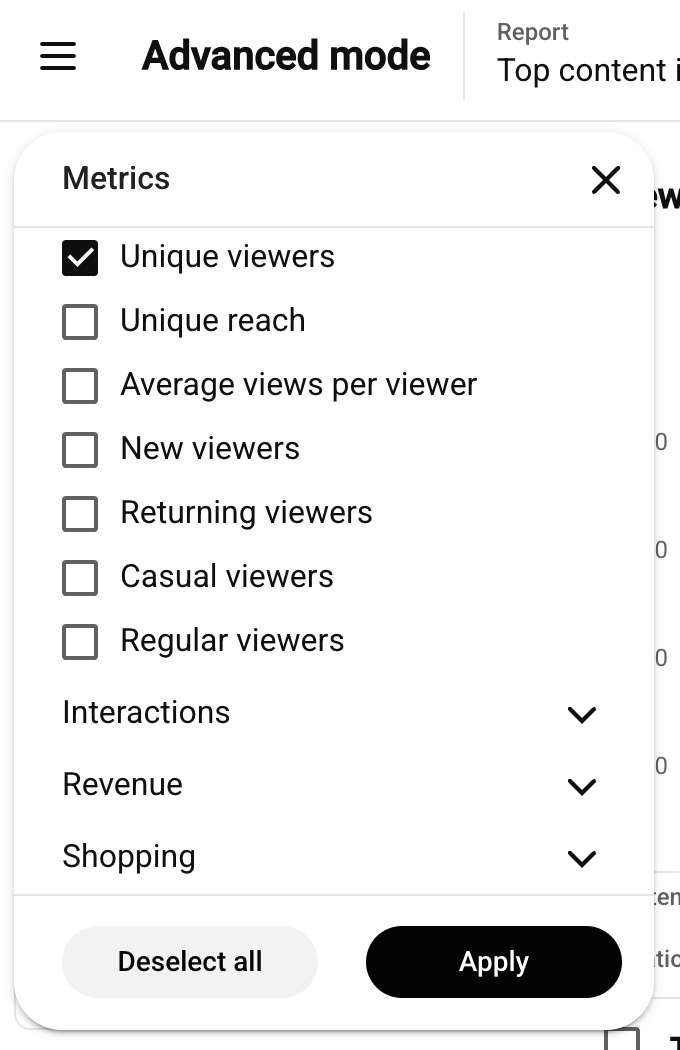
Unlike the traditional "unique viewers" metric—which only counts logged-in individual accounts—Unique Reach attempts to estimate the total number of people in a room watching a single screen. By analyzing signals such as time of day, household demographics, and genre, YouTube provides an approximation of the actual audience size.
For marketers, this is a game-changer for sponsorship negotiations. If your channel can prove that your content consistently draws multiple viewers per household, you gain significant leverage when discussing budget allocations. However, marketers should treat this as an indicator rather than an exact census; always maintain the traditional view count as your baseline for performance.
Official Responses: AI, Voice Search, and Commerce
The integration of Gemini-powered AI, specifically the "Ask YouTube" feature, is fundamentally altering how users interact with content on their TVs.
The Future of Search
With "Ask YouTube," viewers can now use their TV remotes to ask questions directly, receiving AI-generated answers without needing to navigate away from the video. While some fear this might reduce click-throughs, the strategic opportunity is clear: Become the trusted source the AI cites.
- Voice-Optimized Scripts: Integrate natural-language phrases into your videos. Instead of saying "here are five tips," try "a common question I get is, what are the five best tips for X?" This aligns with how people speak to AI assistants.
- Multimodal Optimization: Gemini doesn’t just read transcripts; it "sees" on-screen graphics. By placing URLs, social handles, and key takeaways in your lower-thirds and on-screen overlays, you provide more data points for the AI to surface your content as the correct answer.
Frictionless Commerce: Buy with Google Pay
YouTube’s introduction of "Buy with Google Pay" for TV turns the living room into a point-of-sale terminal. With just two clicks on a remote, viewers can now purchase products directly from ads or tagged shopping videos.
For brands, this eliminates the "QR code friction" that previously plagued TV-to-mobile conversion. While this is ideal for low-ticket items and merchandise, the real promise lies in the future of voice-activated shopping. As AI becomes more integrated, the ability for a viewer to say, "Add this to my cart," while watching a review, represents the holy grail of conversion marketing.
Conclusion: The Long-Tail Strategy
The transition of YouTube to the TV screen is not a trend; it is the new standard. Brands that continue to treat YouTube as a secondary mobile-first platform risk irrelevance.
By shifting toward episodic, long-form content, optimizing for voice and AI search, and embracing the communal nature of the living room, marketers can unlock a global audience that traditional television could only dream of reaching. The cost of entry is not a massive production budget—it is the commitment to providing authentic, valuable, and search-optimized content that respects the viewer’s time and environment.

The living room is open. It is time for your brand to take its seat.