










In the competitive landscape of modern business, branding is far more than a logo or a color palette; it is the comprehensive experience of a brand’s personality. While designers often focus on the precision of vector lines and typography, the ultimate success of a branding project lies in how that identity translates into the tangible world. As visual communication becomes increasingly vital, the role of high-fidelity branding identity mockups has shifted from a "nice-to-have" luxury to an essential cornerstone of professional strategy.

The Evolution of Branding Presentation: Why Context Matters
For decades, designers presented their work to clients via flat, 2D proofs on a computer screen. While this method effectively communicated layout and color theory, it often failed to bridge the gap between abstract design and physical reality. A logo that looks commanding on a high-resolution monitor might lose its impact when scaled down to the size of a business card or printed on the textured surface of a kraft paper envelope.
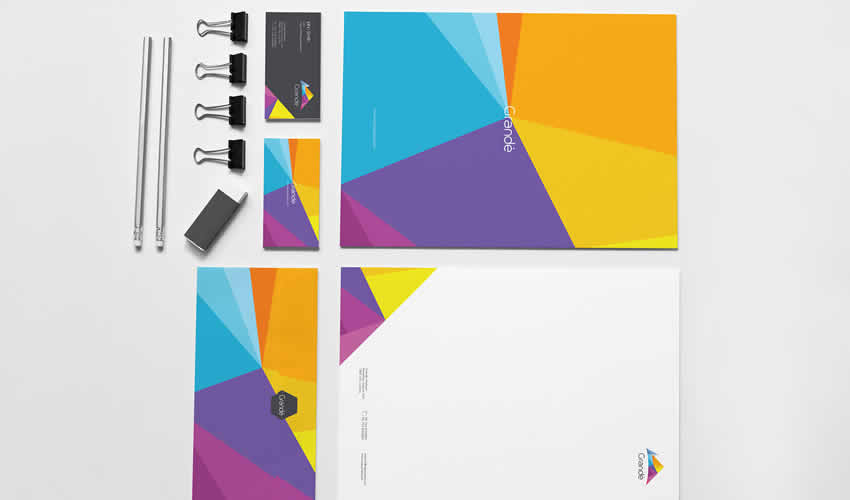
The rise of digital mockup templates has revolutionized this process. By leveraging sophisticated Photoshop PSD files, designers can now place their branding assets into photorealistic, 3D environments. This practice—often referred to as "contextual branding"—allows clients to see their identity applied to stationery, packaging, apparel, and signage. It provides the "proof of concept" that transforms a design from a digital asset into a living, breathing brand presence.
The Mechanics of Branding Identity Mockups
At their core, branding identity mockups are pre-designed, layered files that utilize Smart Objects. This technology allows a designer to drop their logo or pattern into a single layer, which then automatically maps the design onto the object within the scene, complete with correct perspective, lighting, shadows, and surface texture.
Why Designers and Agencies Use Them:
- Professionalism: A polished, photorealistic presentation signals to the client that the designer has considered the end-use of the brand.
- Risk Mitigation: By visualizing the design in real-world dimensions, designers can identify scaling issues, readability problems, or aesthetic misalignments before sending files to the printer.
- Client Persuasion: It is infinitely easier for a stakeholder to approve a project when they can visualize the logo on a coffee cup or a company laptop rather than just a white PDF document.
- Consistency: Mockups demonstrate how the brand identity scales across multiple touchpoints, ensuring that the visual language remains cohesive across diverse media.
Curated Selection: Top-Tier Mockup Templates for 2024
To assist in your next design project, we have curated a selection of the most versatile and professional-grade branding identity mockup templates. These resources span a variety of aesthetic needs, from minimalist corporate identities to vibrant, lifestyle-focused sets.
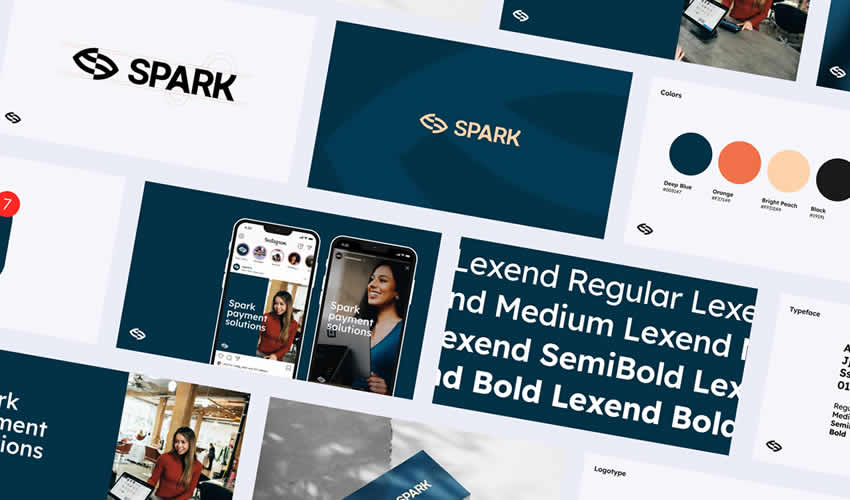
1. The Craft & Organic Aesthetic
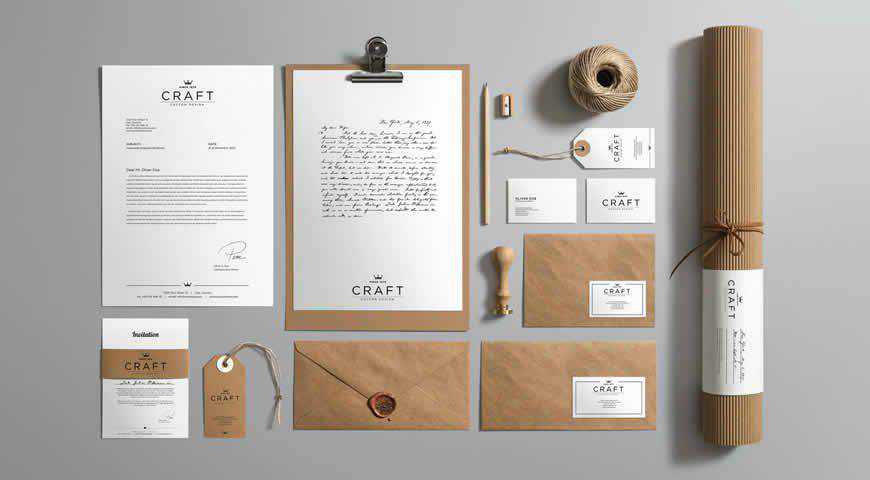
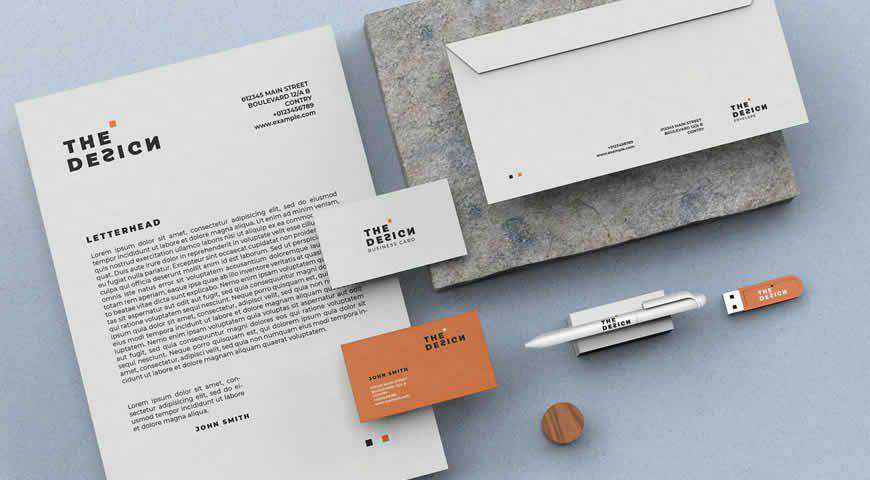
For brands focusing on sustainability or artisanal quality, the Craft Branding Mockup Template is an industry standard. It provides ten distinct, high-resolution scenes that emphasize natural textures and soft, diffused lighting. It is perfect for stationery kits, envelopes, and business cards where material feel is as important as the graphics.
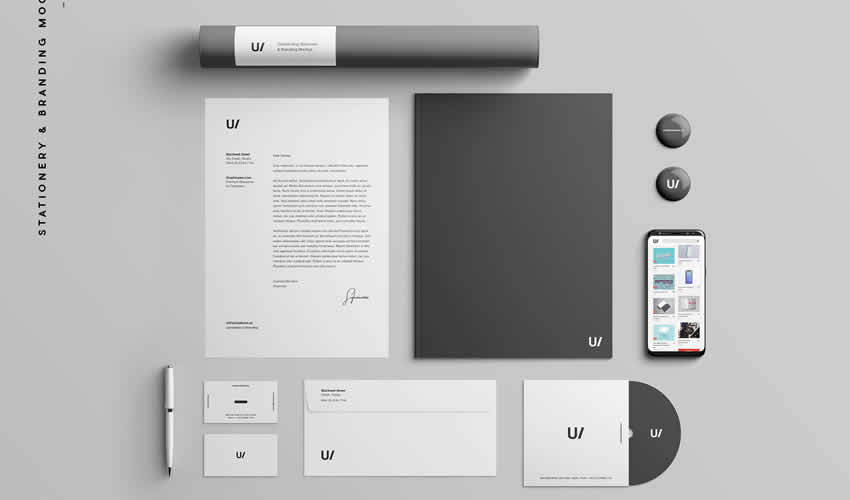
2. Corporate & Professional Solutions
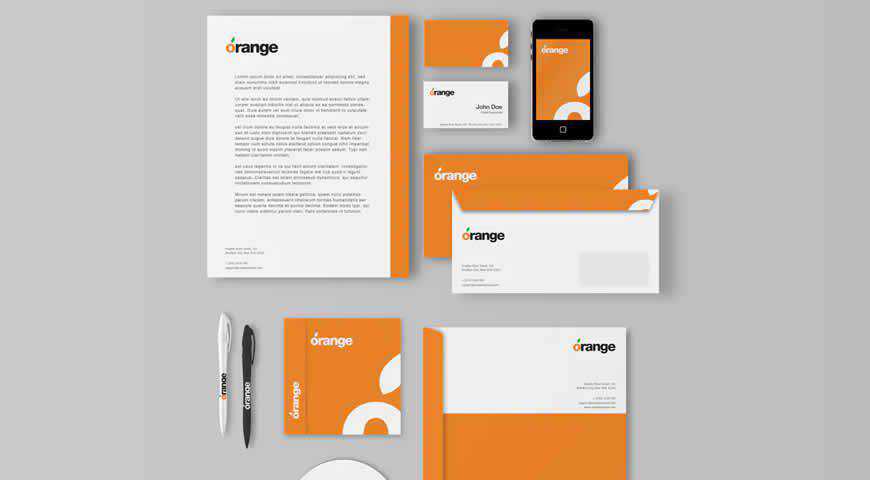
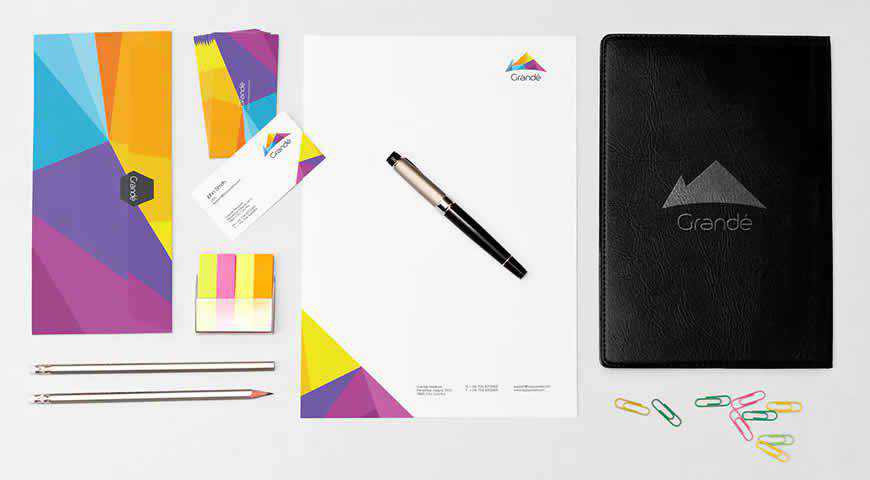
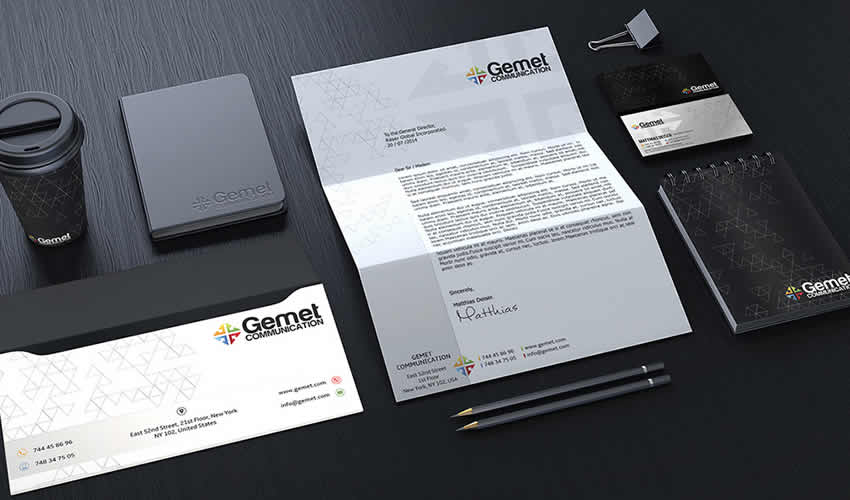
For B2B firms, clarity and authority are paramount. The Corporate Identity & Branding Mockup Templates offer three distinct, clean styles. These are specifically engineered to showcase logos on tablets, phones, and letterheads in a way that feels modern and executive. Similarly, the Minimal Stationery Branding & Identity Mockup provides a clean, clutter-free canvas that allows the brand’s typography to take center stage.
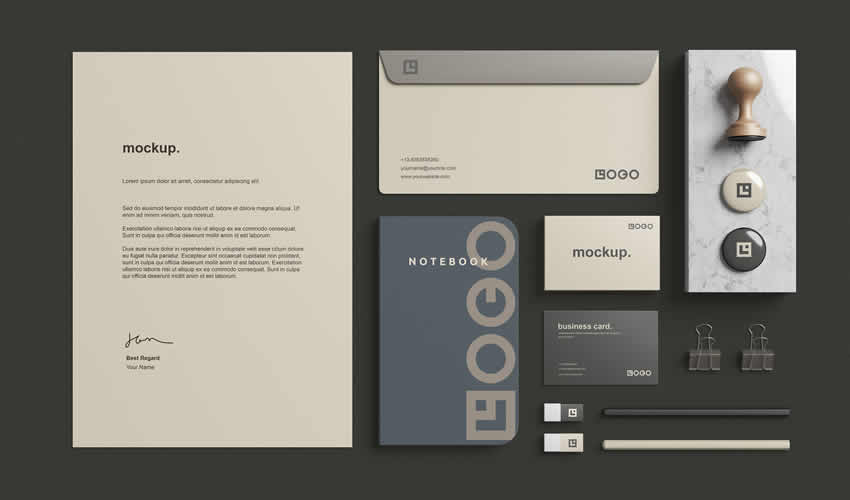
3. Versatile Scene Creators
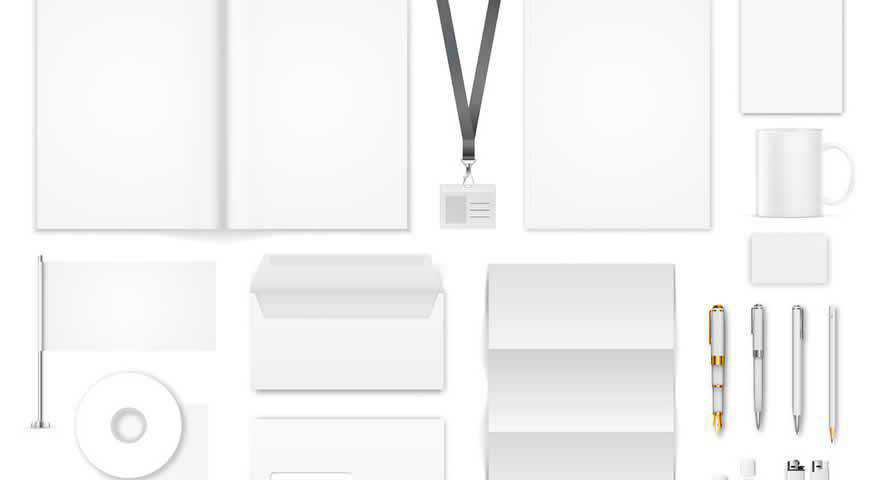
If your project requires a bespoke setup, "Scene Creator" kits are the ultimate toolkit. The Isometric Stationery PSD Scene Creator and the Stationery Branding Mockup Creator allow designers to drag and drop over 60 different elements—from pencils and paperclips to tablets and notebooks—onto the canvas. This level of customization allows for unique, one-of-a-kind presentations for every client.
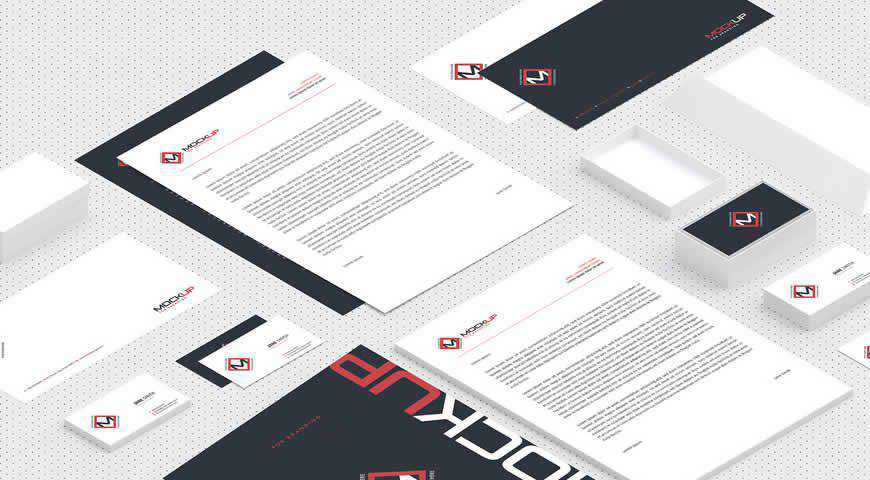
4. Niche & Lifestyle Mockups
Branding extends beyond the office. For food and beverage brands, the Coffee Branding Mockup Templates provide photorealistic scenes featuring coffee bags, sugar sachets, and cups. Likewise, the Mugs at a Table with Beer Bottles Mockup offers an informal, lifestyle-driven setting that is perfect for social media marketing or consumer-facing product launches.
Strategic Implications for Modern Design
The use of these templates has broad implications for the design industry. As clients become more visually literate, they expect a higher standard of delivery. A designer who presents a brand identity solely as a logo file is now at a competitive disadvantage compared to a studio that presents a comprehensive "lookbook" of the brand in action.
The Role of Technology and Accessibility
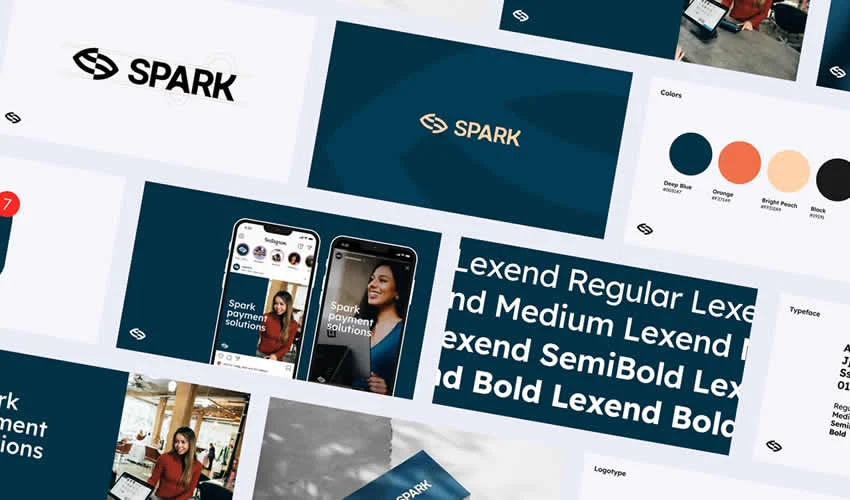
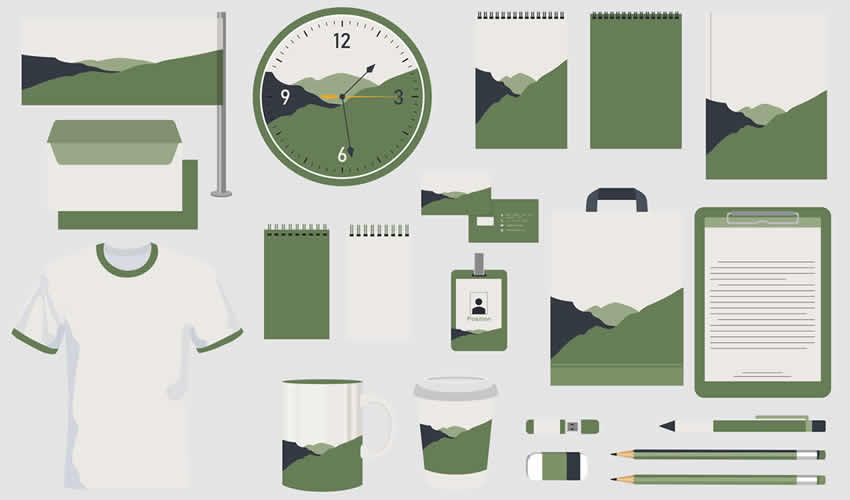
The democratization of these tools—many of which are available for free or through affordable subscription services—means that even solo freelancers can compete with large agencies in the quality of their client presentations. Tools like Figma have also entered the space, offering Spark Brand Identity Template and Green Corporate Branding Identity Mockup, allowing for browser-based, collaborative design workflows that were previously impossible.
Best Practices for Implementation
To get the most out of these resources, consider the following:
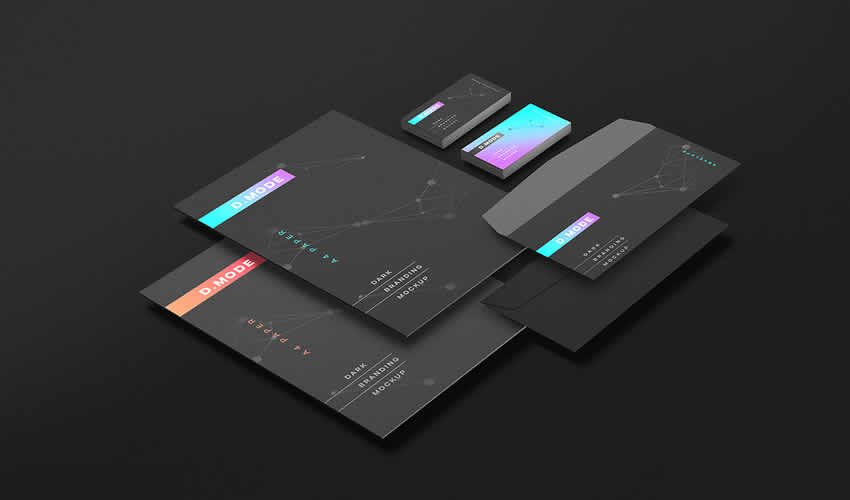
- Match the Lighting: When choosing a mockup, ensure the lighting in the template matches the "vibe" of the brand. A dark, moody brand identity requires a mockup with high-contrast, low-key lighting.
- Customize the Details: Do not just drop your logo and leave. Use the customization features—adjust shadows, change background textures, or modify the color of metallic elements (foil stamping) to align with your brand’s color palette.
- Contextual Relevance: If you are branding a tech startup, prioritize mockups that feature screens and modern office settings. If you are branding a local bookstore, lean toward tactile, paper-based mockups.
Future Outlook: The Intersection of AI and Mockups
As we look toward the future, the integration of Artificial Intelligence into the mockup space is inevitable. We are already seeing tools that allow for the generation of custom background environments, meaning that designers will soon be able to generate unique, photorealistic settings for their brands without being restricted by the fixed scenes provided in static PSD files. However, the foundational principle remains unchanged: the value of a brand is realized only when it is perceived in its environment.
Conclusion: Elevating the Client Experience
Branding is an act of storytelling. Every touchpoint—from the business card handed across a table to the branded coffee cup in an office—is a narrative device. By incorporating high-quality identity mockups into your workflow, you move from merely delivering a graphic to delivering a vision.
Whether you are working on a minimalist corporate project or a vibrant, colorful identity, the tools available today empower you to bridge the gap between imagination and reality. Use these templates not just to showcase a logo, but to invite your clients to experience their brand’s potential. In doing so, you don’t just win over the audience; you solidify your reputation as a forward-thinking, strategic partner in their business success.
Summary of Recommended Resources
- For Corporate Projects: Corporate Branding Identity Mock-ups (Envato Elements)
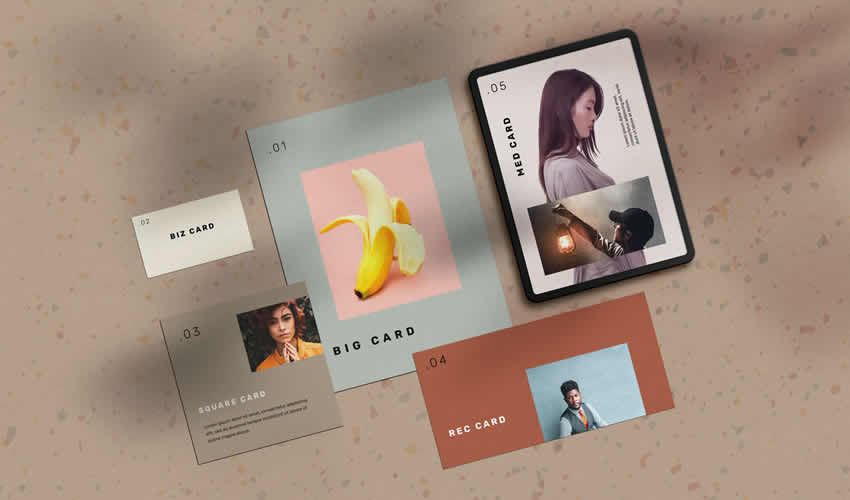
- For Minimalist Aesthetics: Stationery Cards Mockup Scene (GraphicsFuel)
- For Full Customization: Stationery Branding Mockup Creator (Envato Elements)
- For Tech & Modern Brands: Corporate Identity PSD Mockup (Behance)
By selecting the right template, you ensure that your design work is not only seen but felt, understood, and ultimately, approved. Start building your presentation library today to ensure your next pitch is your most professional yet.



