






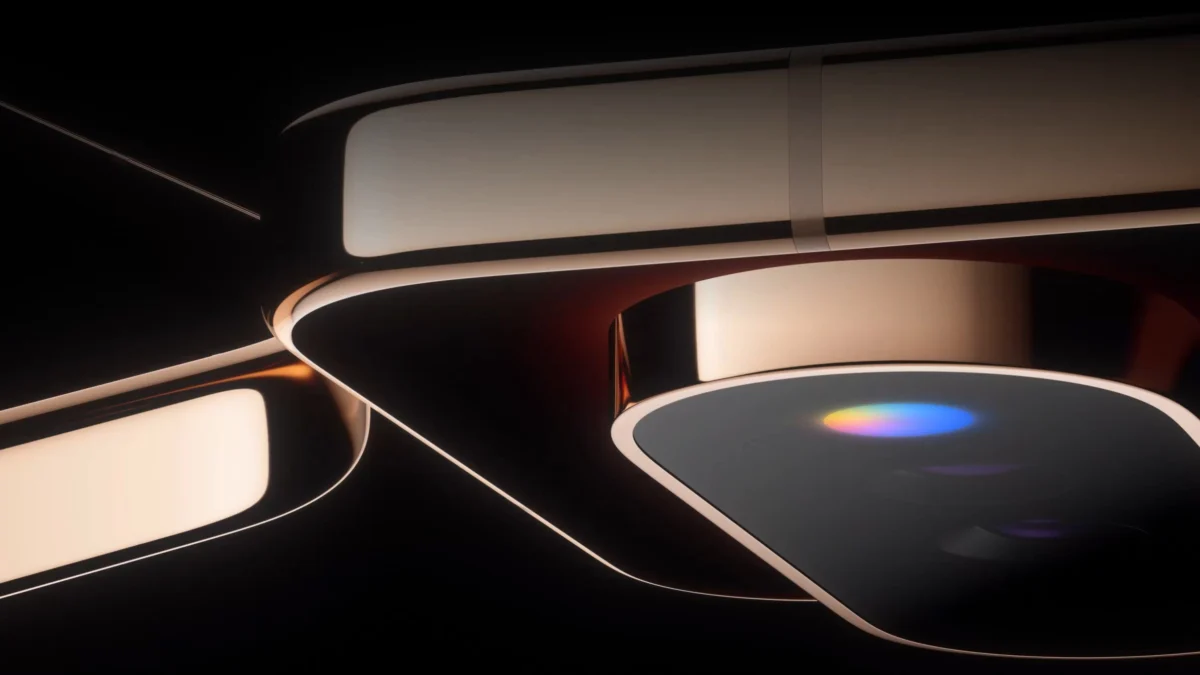
The smartphone landscape has entered a period of plateauing innovation. As hardware specifications reach a point of diminishing returns—where incremental gains in processor speed or screen resolution no longer translate into a transformative user experience—manufacturers are forced to pivot toward novelty, aesthetic flair, and functional "quality of life" improvements. Enter the Google Pixel 11 Pro and its most discussed new feature: "Pixel Glow."
Last week, Google officially teased the upcoming flagship, offering the world its first look at an array of color-changing lights embedded directly into the device’s signature camera bar. While the tech industry has spent months tracking behind-the-scenes leaks regarding this hardware, the reveal confirms a strategic shift: Google is looking to the past to define the future of the Pixel user interface.
The Genesis of Pixel Glow: Main Facts and Functionality
Pixel Glow represents a modern, refined iteration of a classic mobile trope: the notification LED. For those who recall the early days of Android—the era of the HTC One, the Samsung Galaxy S series, and various LG flagships—the tiny, blinking light at the top of the handset was an essential tool. It provided instant, silent, and battery-efficient feedback, allowing users to distinguish between a missed call, a text message, or a social media alert based on the color and pulse of the light.
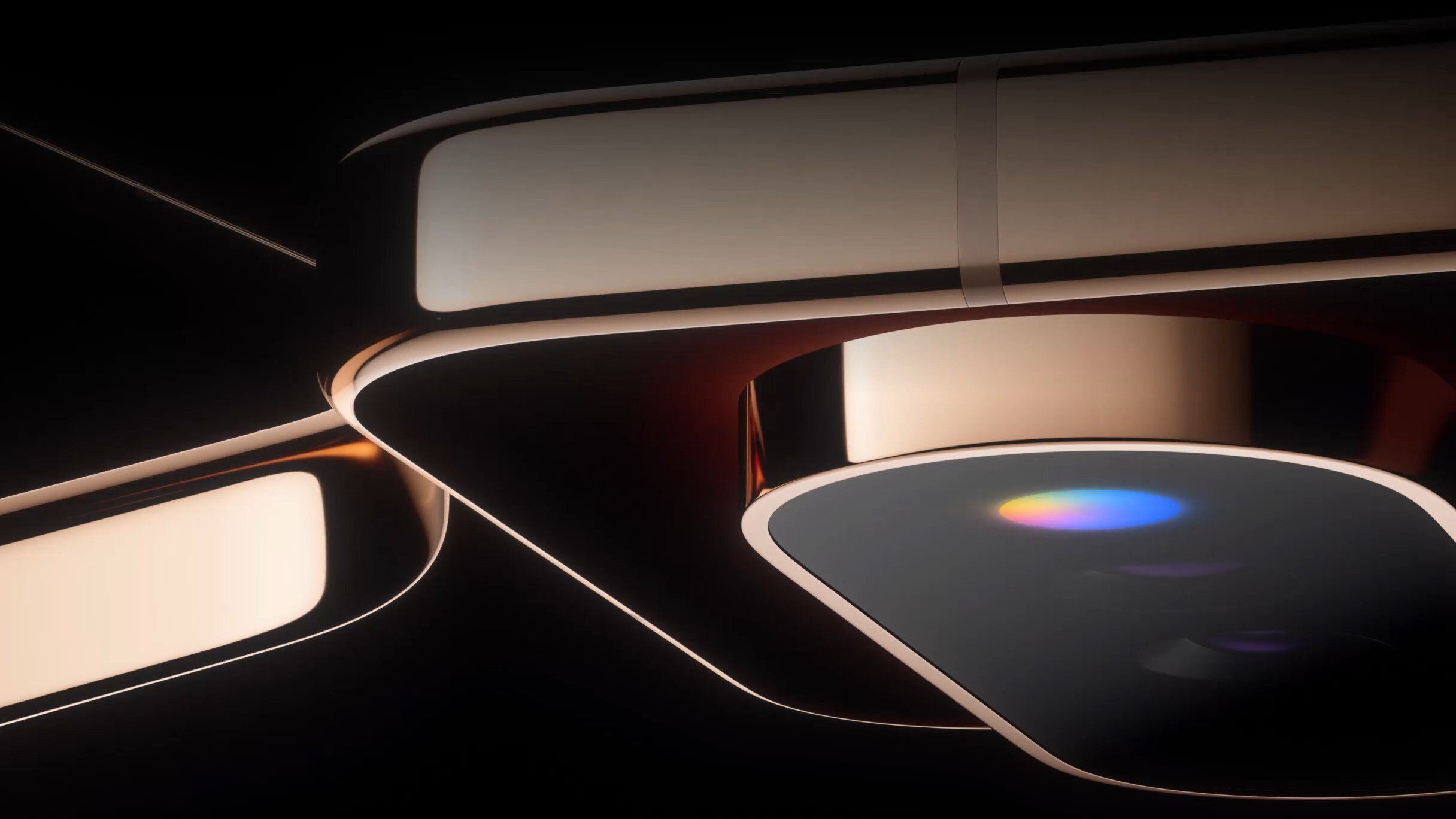
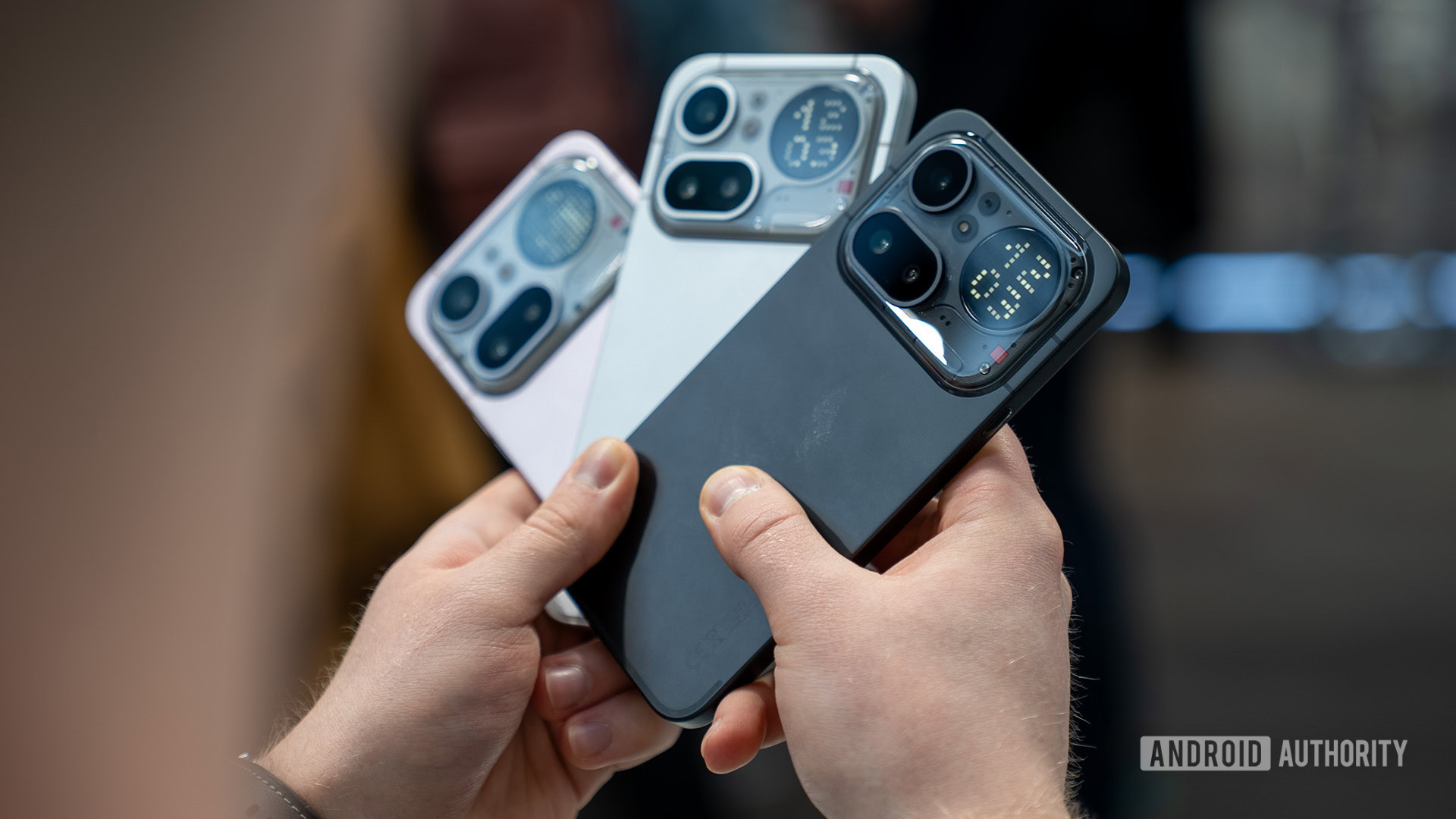
In the Pixel 11 Pro, Google has moved this functionality from the bezel to the rear of the device. The "Glow" appears as a discrete, circular light source, likely nested within the space previously occupied by the temperature sensor on the Pixel 8 and 9 Pro models. According to preliminary animations shared by Google, the feature appears sophisticated and subdued, avoiding the "maximalist" light shows seen in competitors like the Nothing Phone series. It is designed to provide status indicators while the phone is face-down, bridging the gap between the utilitarian nature of a notification LED and the modern, design-forward aesthetic of current hardware.
A Chronology of the Pixel Glow Development
The path to the Pixel 11 Pro’s defining feature has been marked by a slow, calculated leak cycle.
- Early 2026 (Speculation Phase): Rumors began circulating regarding a "hardware revision" to the iconic Pixel camera bar. Initially, these rumors were tied to thermal management hardware or an improved spectral sensor, but code snippets began appearing in the Android Open Source Project (AOSP) referencing "LED arrays" and "ambient status signaling."
- Spring 2026 (The Gemini Integration): By April, investigative reports confirmed that the light array was not merely a passive notification tool but would be tied to Google’s Gemini AI. The speculation grew that the lights would signal when the AI was "thinking" or processing a query in the background.
- July 2026 (The Official Teaser): Google finally broke its silence, releasing a high-definition animation via the Google Store that showed the camera bar pulsing with a soft, multi-colored glow. This confirmed that the feature would be a flagship selling point for the upcoming Pixel 11 series.
Comparative Analysis: The "Nothing" Effect
It is impossible to discuss the re-emergence of rear-facing lighting without acknowledging the influence of Nothing. Since the launch of the Nothing Phone 1 in 2022, the "Glyph" interface has challenged the industry standard of flat, featureless glass backs. Nothing utilized bold, strip-based LEDs to create a "tech-forward" identity.
However, Google’s approach appears to be one of "restrained utility." Where Nothing uses light as a primary visual statement, Google is positioning Pixel Glow as an extension of the Always-On Display (AOD). By integrating the lights into the camera bar, Google is likely betting that users want the functionality of a notification light without the "gamer aesthetic" that strip-based lighting can occasionally evoke.
The Implications: Is This Innovation or Regression?
The introduction of Pixel Glow forces a difficult question upon the industry: have we run out of new ideas?
The smartphone experience has, by many metrics, peaked. With the Pixel 11 series utilizing the Tensor G6 chipset, performance gains are likely to be substantial on paper but imperceptible in daily usage compared to the already capable Pixel 9 and 10. Consequently, Google is struggling to differentiate its hardware in a saturated market.
The Risk of AI Over-Reliance
One of the primary concerns among tech analysts is the potential for Pixel Glow to be restricted to AI-centric tasks. If Google limits the lights to "Gemini-only" notifications—for instance, only flashing when the AI is active or when an AI-generated summary arrives—it risks alienating power users who want granular control over their notifications. The utility of the old-school notification LED was its extreme customizability; users could map a green light to WhatsApp, a blue light to email, and a red light to urgent calls. If Pixel Glow acts as a "glorified ad" for Gemini rather than a user-customizable tool, its long-term appeal may be limited.
Shifting Usage Patterns
For the modern user, the screen is an endless source of distraction. The "always-on" nature of modern notifications means that even a glimpse at the phone to check for a notification often leads to a ten-minute doom-scrolling session. Pixel Glow offers a path toward "digital minimalism." By providing binary or color-coded status updates without requiring the user to wake the display, it could theoretically help users maintain focus, provided the implementation is deep and user-configurable.
Looking Toward the Future
While it is unlikely that this trend will lead to a sudden resurgence of other long-lost features like the 3.5mm headphone jack or removable batteries, the Pixel 11 Pro serves as a signal that the "flat, glass slab" era of smartphone design is finally softening.
Google’s willingness to experiment with the physical form factor—even by borrowing from the archives of 2012-era mobile design—is a refreshing development. The industry has spent the last decade focusing on internal software optimization and camera sensor size. By reintroducing hardware-based ambient lighting, Google is acknowledging that the physical phone is still an object of desire that should interact with its environment in a tactile, visual way.
As we await the full launch of the Pixel 11 series, the focus will remain on whether Google allows the user to own the experience. Will we be able to set a custom pulse for our favorite contacts? Will third-party apps have access to the LED array API? The success of Pixel Glow depends entirely on whether it serves the user’s need for information or simply serves the company’s desire to keep its AI brand front-and-center.
For now, the industry watches with cautious optimism. We are witnessing the return of an old friend, reimagined for a new, AI-heavy era. Whether it remains a useful tool or becomes a blinky, unnecessary ornament remains to be seen. But at the very least, the Pixel 11 Pro is doing something that few other flagship phones have managed lately: it is doing something different.