










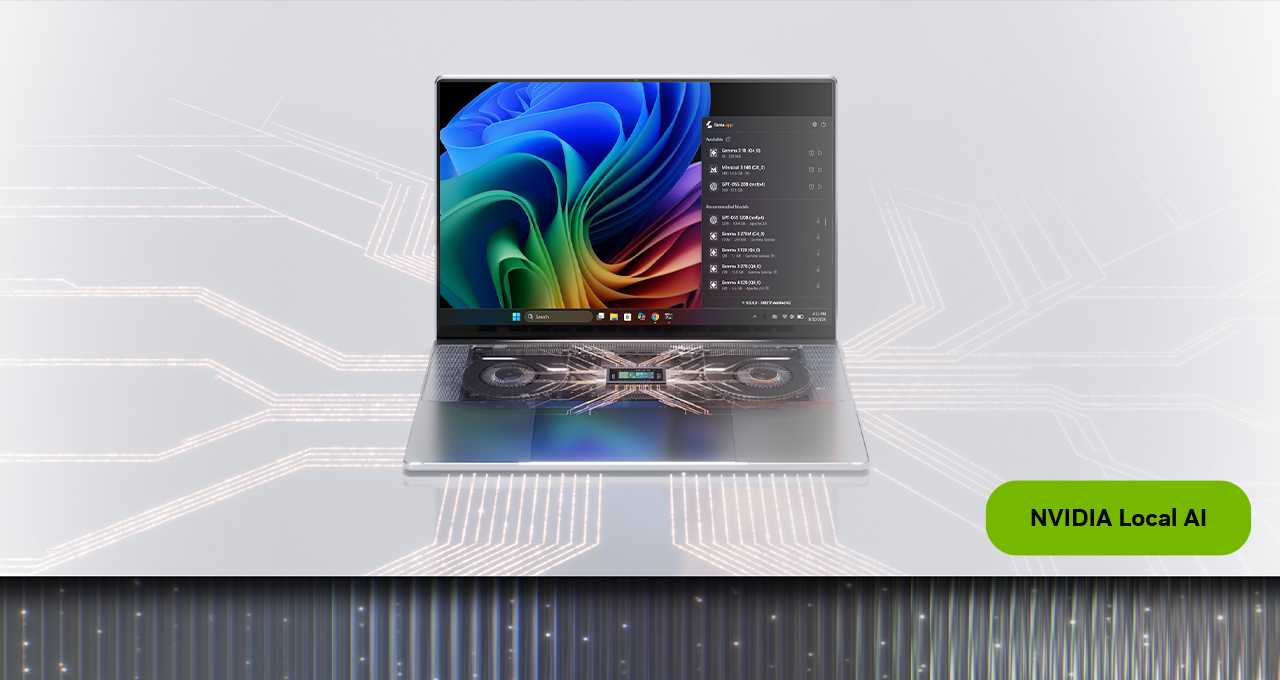
SANTA CLARA, Calif. — In what industry analysts are calling the most significant paradigm shift in personal computing since the advent of the graphical user interface, NVIDIA and Microsoft are officially rolling out the NVIDIA RTX Spark. Blurring the traditional boundaries between a high-end gaming rig, a professional creative studio, and a local artificial intelligence supercomputer, the RTX Spark hardware ecosystem hits the market with laptops packing up to 128GB of unified memory and a staggering 1 petaflop of local AI compute.
Built around a revolutionary superchip architecture, the RTX Spark delivers the full stack of NVIDIA RTX and CUDA technologies directly to creators, developers, and gamers. Ahead of its worldwide retail release, NVIDIA and its expansive ecosystem partners have unleashed a tidal wave of software integrations, performance optimizations, and purpose-built models designed to maximize local AI capabilities straight out of the box.
Main Facts
The NVIDIA RTX Spark ecosystem represents a foundational restructuring of how consumers and professionals interact with personal computers. At its core, the platform is defined by several key technological breakthroughs:
- Unprecedented Local Compute: Each RTX Spark unit features up to 128GB of unified memory and delivers 1 petaflop of dedicated AI computing power, enabling complex local large language models (LLMs) and advanced agentic workflows without relying on continuous cloud connectivity.
- The Nemotron 3.5 Bolt Family: NVIDIA has introduced purpose-built small and large language models tailored for local hardware, including the Nemotron 3.5 Bolt 74B MoE model and the ultra-efficient Nemotron 3.5 Bolt E4B 4GB for in-game AI agents.
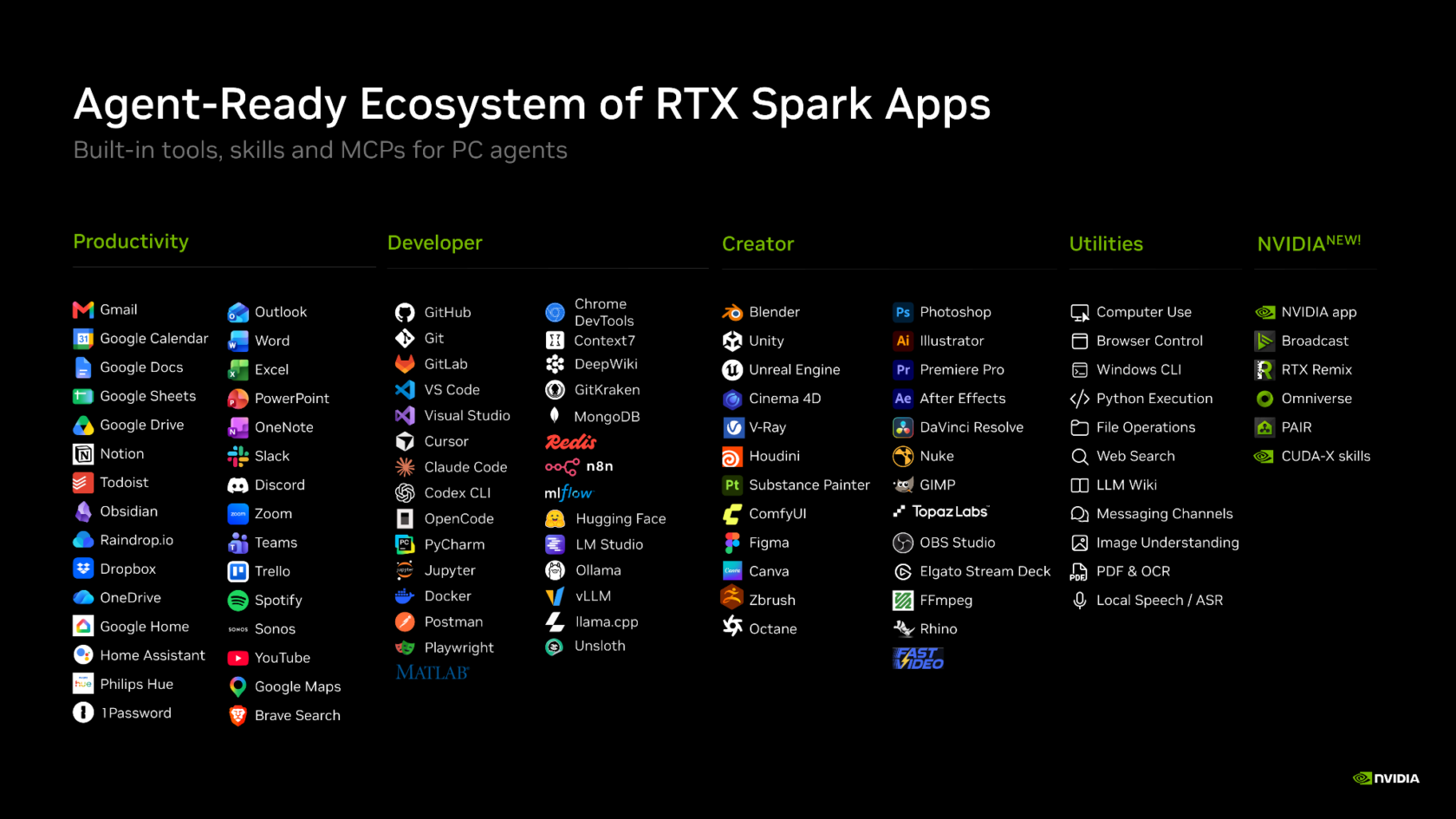
- Ecosystem-Wide Software Updates: Major industry players—including Adobe, Blender, Microsoft, and GitHub—are releasing day-one optimizations, bringing hardware-accelerated workflows, enhanced security sandboxing via NVIDIA OpenShell and MXC, and deep multi-model orchestration to users.
- DLSS 5 Neural Rendering: The debut of DLSS 5 introduces 3D-Guided Neural Rendering, enhancing real-time lighting, materials, and frame rates in modern titles and classic game modding projects alike.
Chronology of the RTX Spark Rollout
The path to the RTX Spark launch has been marked by rapid technological convergence between hardware engineering, operating system architecture, and open-source AI development.
- Early 2026: Agentic AI frameworks such as OpenClaw and Hermes dominate developer popularity charts on GitHub, signaling a massive consumer migration toward autonomous workflows. Concurrently, local LLMs reach a performance threshold rivaling older cloud models.
- October 7, 2026: NVIDIA and Microsoft jointly announce the RTX Spark platform during a dedicated Windows ecosystem event, setting an official release date for hardware availability.
- October 15, 2026: NVIDIA releases the Nemotron 3.5 Bolt 74B-A9B 24GB model, optimized specifically for local agent execution on RTX Spark.
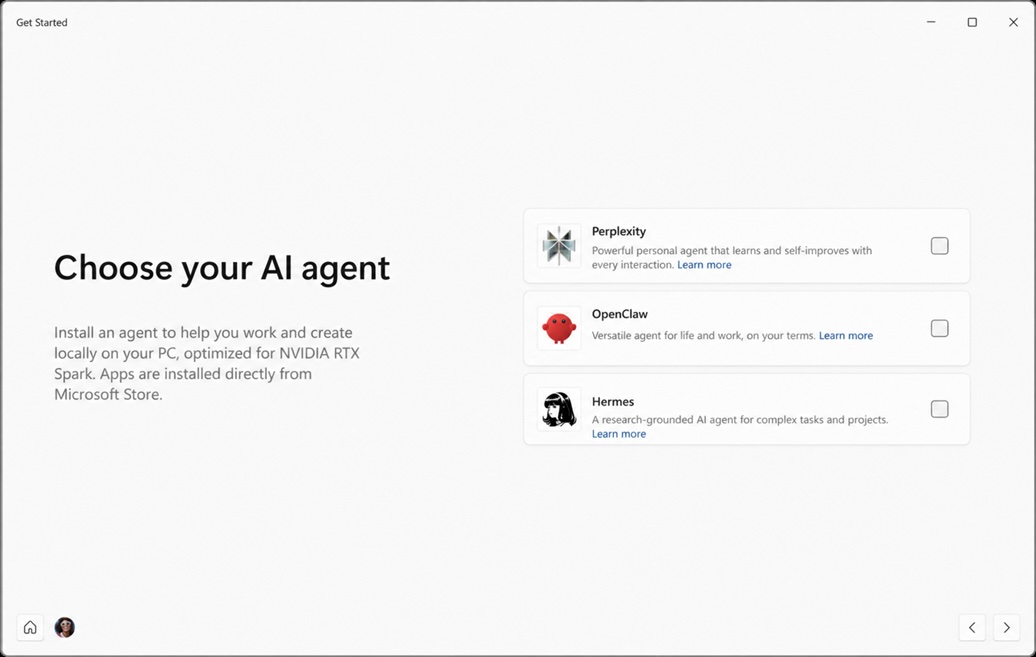
- October 16, 2026: RTX Spark laptops officially launch globally. Day-one updates go live across Windows, including the new "Getting Started" agent setup screen, NVIDIA Broadcast 2.3, and foundational support in Adobe’s creative suite and major PC titles like Cyberpunk 2077 and NBA 2K27.
- October 23, 2026: Scheduled updates bring RTX Remix 1.6 with ComfyUI Version 2 integration, DLSS 5 support for RTX Remix, and the integration of Nemotron 3.5 Bolt E4B into modding platforms like SkyrimNET.
Supporting Data and Technical Architecture
To understand the scope of the RTX Spark, one must examine the underlying numbers driving the local AI boom. NVIDIA reports that local LLM downloads have surged to 5x the volume of the previous year, accelerated by models like Qwen 3.8-Flash-Next closing the gap with centralized cloud infrastructure.
Local Agents and Security Infrastructure
When users boot an RTX Spark laptop for the first time, a streamlined "Getting Started" interface allows them to configure and deploy agent applications seamlessly. To mitigate the security risks inherent in autonomous agents capable of executing local code and interacting with system files, NVIDIA has introduced robust sandboxing technologies:
- MXC: Delivers operating system-level security isolation.
- OpenShell: Simplifies the adoption of MXC for agent developers while introducing advanced safeguards such as credential protection and real-time security monitoring.
Popular agent harnesses—including Hermes Agent, OpenClaw, and GitHub Copilot—have rapidly integrated these protocols. Furthermore, NVIDIA Switchyard, an open-source model router library, allows agents to intelligently distribute tasks between free local LLMs and resource-intensive cloud models, drastically reducing cloud token consumption without sacrificing intelligence.
Hardware-Accelerated Creative Suites
Adobe has announced sweeping optimizations for its flagship creative applications, promising up to 2x faster AI processing, editing, color grading, and effects on RTX Spark hardware.
- Photoshop: Gains GPU-accelerated compositing, supercharging complex image manipulations, the Remove Tool, and effects such as Light Leaks.
- Premiere: Accelerates high-resolution timeline playback, rendering, and native AI features like Enhance Speech and Object Mask.
- Substance 3D Painter: Streamlines texture generation, mesh map baking, and large project load/save cycles.
In parallel, NVIDIA Broadcast 2.3 introduces an Offline File Processor—allowing creators to apply advanced AI voice and video effects to prerecorded footage at higher quality settings—alongside Model Context Protocol (MCP) servers that let local agents directly control broadcast parameters.
Official Responses and Industry Perspectives
The collaborative nature of the RTX Spark launch has brought together Silicon Valley giants and open-source communities alike.
"AI is fundamentally changing how people interact with personal computers," notes NVIDIA’s product development division. "By combining the raw power of a gaming rig, a creative studio, and a personal AI supercomputer into a unified chip, we are removing the latency, privacy, and cost barriers associated with cloud-only architectures."
Microsoft executives have echoed this sentiment, emphasizing the deep integration between RTX Spark hardware and the Windows operating system. Through the new Windows Developer Config and expanded support via the Windows Subsystem for Linux (WSL), developers can prototype, test, and deploy code locally before publishing to cloud environments.
Open-source contributors have similarly embraced the ecosystem. Within just a month of its initial beta, the NVIDIA PAIR (Personal AI Router) project—which allows users to pool the AI compute of multiple local network devices—has received over 10 feature contributions and fixes from the global developer community, culminating in its official 1.0 release with native llama.cpp support.
Implications for Gamers, Creators, and Developers
The ripple effects of the RTX Spark extend across nearly every sector of digital media consumption and software engineering.
Gaming and Neural Rendering
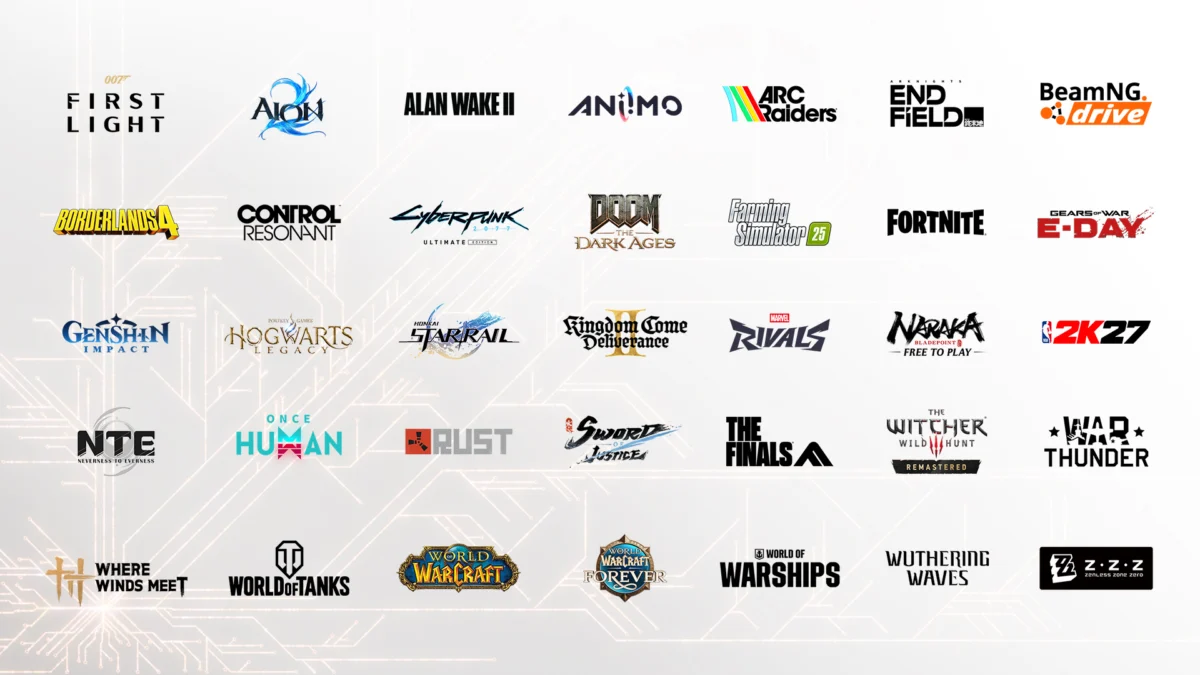
Gamers will find hundreds of top-tier titles ready on day one, ranging from competitive multiplayer hits like Fortnite and Marvel Rivals to visually demanding single-player experiences like Cyberpunk 2077 and Hogwarts Legacy. The introduction of DLSS 5 with 3D-Guided Neural Rendering represents a quantum leap in visual fidelity, utilizing real-time AI to generate lifelike lighting and materials while boosting frame rates by up to 1.4x in titles like NBA 2K27.
For modders, the integration of DLSS 5 into RTX Remix (slated for late October) and the overhaul of ComfyUI inside Remix 1.6 mean that classic games can be remastered with physically based rendering (PBR) materials through a simplified sidebar interface, bypassing complex REST API configurations entirely.
The Evolution of Development
Software engineering is undergoing a structural transformation from manual coding to agentic oversight. With NVIDIA Skills—an open-source repository teaching AI agents how to leverage CUDA-X libraries—developers can build accelerated applications without requiring deep, specialized knowledge of GPU programming.
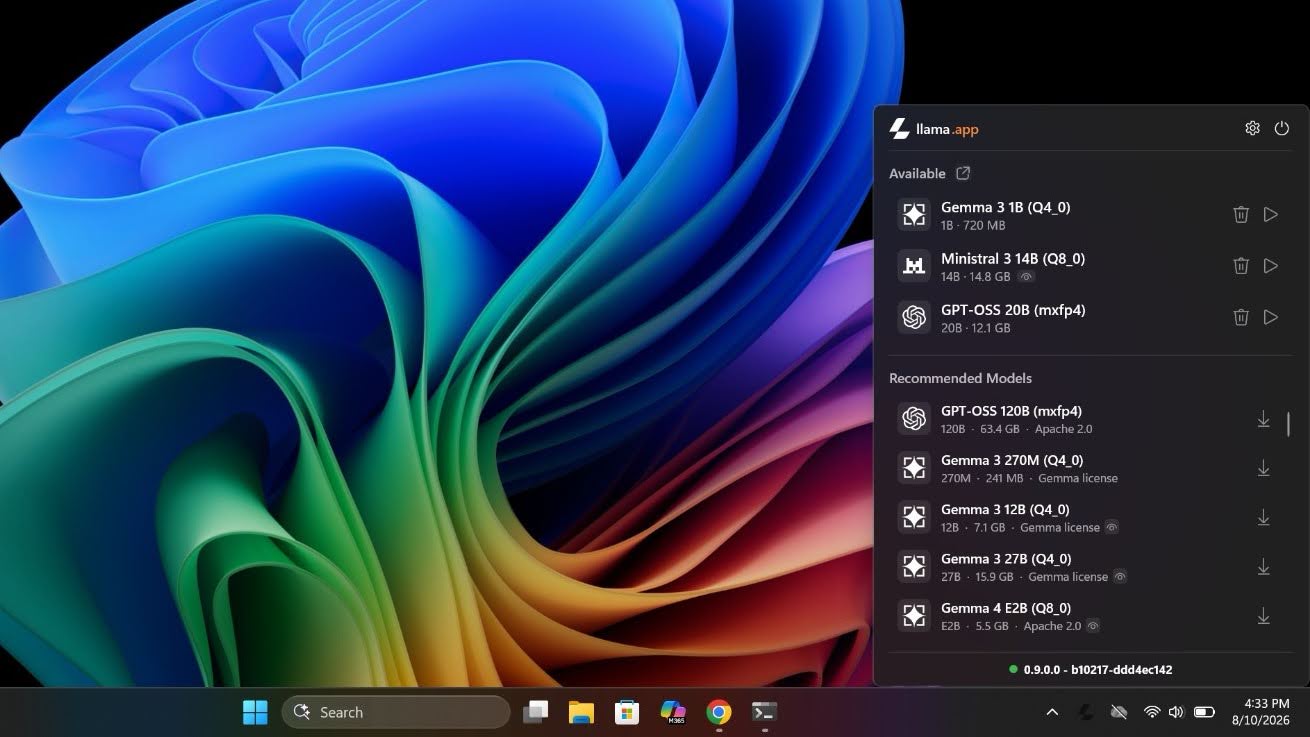
Additionally, the introduction of Decision Models supported by llama.cpp and Unsloth enables agents to determine operational logic, classify requests, and select execution paths up to 200x faster than traditional multi-step reasoning loops. Combined with the new Windows-native Llama Windows companion app, running sophisticated local intelligence has transitioned from a command-line chore into a streamlined, system-tray utility.
Conclusion
The NVIDIA RTX Spark is more than a hardware refresh; it is the physical manifestation of a decentralized, AI-first future. By empowering local hardware with enterprise-grade memory, petaflop-scale compute, and an airtight security and software framework, NVIDIA and Microsoft have given users absolute sovereignty over their digital environments—proving that the next generation of computing will be forged not in distant server farms, but right on the desktop.



