WordCamp US 2026: Inside WordPress’s Pivotal Gathering in Phoenix on AI, Trust, and Radical Simplicity
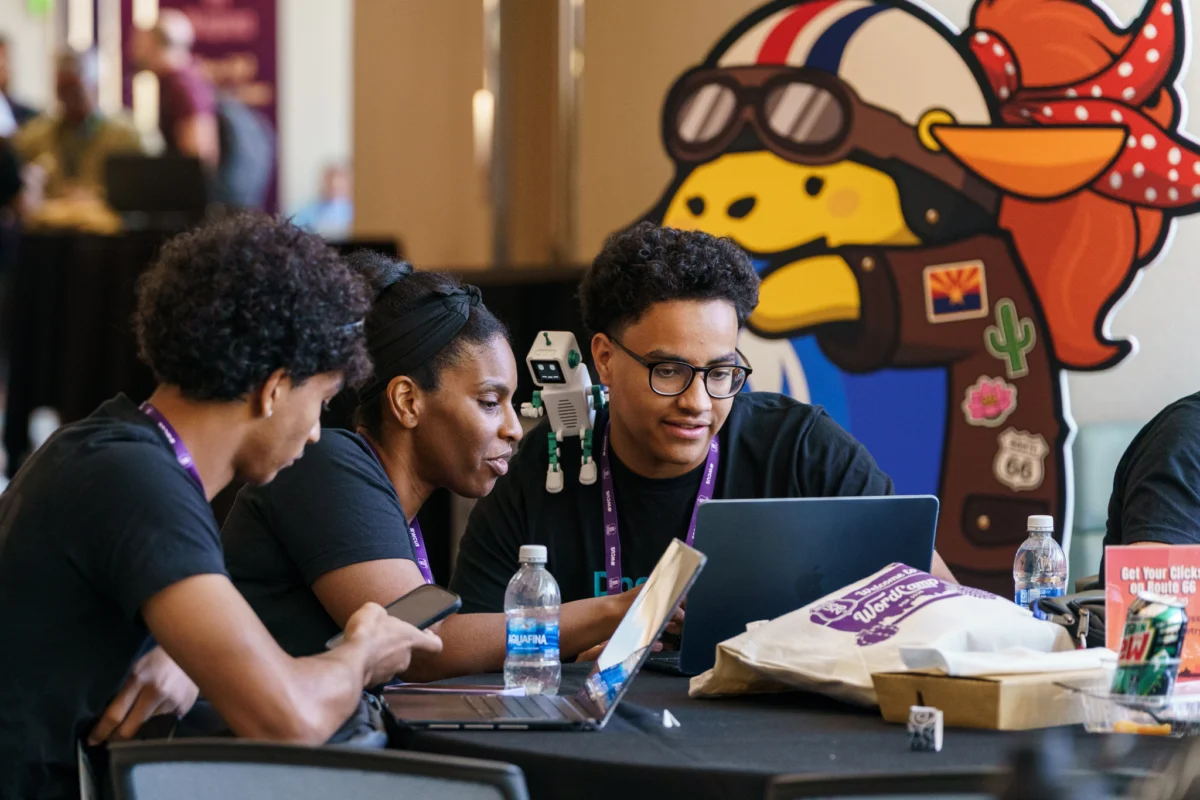
PHOENIX, Arizona — Under a searing desert sun that peaked at 111°F (44°C), the global open-source community descended upon the Phoenix Convention Center for WordCamp US (WCUS) 2026. Over four action-packed days, more than 1,100 registered attendees—with thousands more tuning in via global livestreams—participated in a conference defined by intense technical debates, high-profile platform migrations, and a stark industry-wide reckoning with artificial intelligence, human judgment, and product simplicity.
Operating under the dual realities of extreme regional heat and rapid software transformation, WCUS 2026 balanced the immediate operational needs of enterprise-grade publishing platforms with forward-looking experiments in core software design. From a mayoral proclamation honoring the local digital economy to the live countdown and release of WordPress 7.1, this year’s flagship event proved that while AI can accelerate production, the true currency of the open web remains human trust, editorial intent, and radical simplicity.
Main Facts
WordCamp US 2026 spanned four days in mid-August at the Phoenix Convention Center, driven by a packed schedule that included dedicated Contributor and Showcase days, four concurrent session tracks, dozens of expert-led workshops, and foundational beginner training sessions.
Key developments dominating the conference headlines included:
The Release of WordPress 7.1 ("Mary Lou"): Released live on stage to rapturous applause, the latest major version immediately crossed hundreds of thousands of downloads.
The AI and Human Judgment Paradox: Keynotes and technical sessions focused heavily on how AI tools change the nature of developer and editor work, emphasizing that automated outputs must be rigorously checked for accessibility, security, and contextual intent.
High-Profile Migrations: Showcase Day highlighted massive web migrations, most notably The Ankler escaping Substack to reclaim control of subscriber data and revenue models, and Daily Kos transitioning 1.5 million posts, 88 million comments, and 2.7 million community users to a block-theme architecture.
The Push for Radical Simplicity: During the closing Q&A, WordPress co-founder Matt Mullenweg introduced experimental concepts like "WordPress Piplets"—self-contained PHP files functioning without databases or third-party packages—and signaled a shift toward rewarding real contributions over unverified pledges in the Five for the Future initiative.
Civic Recognition: Phoenix Chief Innovation Officer Michael Hammett presented a mayoral proclamation from Mayor Kate Gallego declaring August 19 as "Phoenix WordPress Day."
Chronology of the Event
Days One and Two: Contributor Day and Showcase Day
The convention kicked off with a reimagined Contributor Day operating under the motto "Real artists ship." A total of 425 participants—including 29 first-time contributors—organized into 26 distinct teams focused strictly on day-of shipping goals. Rather than endless abstract planning, teams utilized rapid 30-second pitches and fluid cross-pollination to close tickets, push code updates, build a Photo Directory importer, and test themes for universal accessibility.
Monday transitionary programming shifted to Showcase Day, focusing on large-scale real-world deployments. Case studies spanned civic digital infrastructure, independent journalism, and community-driven platforms. Discussions dissected the immense logistical hurdles of migrating major web properties while maintaining uptime, governance, and strict editorial workflows.
Days Three and Four: Core Conference and Closing Keynote
The main conference days featured more than 50 speaker-led sessions spanning artificial intelligence, accessibility, publishing business models, site ownership, and core web technologies. Between sessions, attendees utilized the Sponsor Hall, the Happiness Bar for technical troubleshooting, and designated quiet rooms.
The event culminated on Wednesday afternoon with the official closing session. Following the municipal proclamation presentation by Phoenix city officials, Matt Mullenweg and Robert Jacobi took the stage for a wide-ranging, dynamic discussion and audience Q&A that touched on software architecture, open-source collaboration, and the future roadmap of the WordPress ecosystem.
Supporting Data and Metrics
Attendance: Over 1,100 registered in-person participants hailing from around the globe, supplemented by thousands of remote viewers via digital livestreams.
Contributor Impact: 425 active participants across 26 teams, featuring 29 first-time contributors.
Scale of Migrations: Notable showcases included The Ankler migrating 15 newsletters, and Daily Kos managing a massive community architecture of 1.5 million posts, 88 million comments, and 2.7 million registered users.
Environmental Conditions: Ambient outdoor temperatures reached 111°F (44°C), mitigated by dedicated logistical support, including golf-cart shuttles between official hotels and the Phoenix Convention Center.
Architectural Experiments: Experimental "WordPress Piplets" showcased single-file PHP capabilities holding up to 25 megabytes (~4 million words) with a lightning-fast load time of approximately 50 milliseconds.
Global Reach Moving Forward: Announcements confirmed subsequent flagship events, including State of the Word, WordCamp Asia 2027 in Penang, Malaysia, and WordCamp Europe 2027 in Málaga, Spain.
Official Responses and Keynote Insights
The conference program was anchored by powerful insights from industry leaders addressing the intersection of automation, enterprise tech, and human responsibility.
Bo English-Wiczling on the Shifting Nature of Developer Work
Opening Showcase Day, Bo English-Wiczling addressed the anxiety surrounding rapid AI adoption by reframing how technology impacts productivity.
"AI doesn’t remove your work. It moves it."
English-Wiczling pointed out that while a first draft or block of code can be generated in seconds, an automated output frequently misses critical nuances like keyboard accessibility, precise theme style alignment, or secure software dependencies. She argued that the open-source community’s traditional habits—open code review, small iterative patches, and public critique—provide the exact framework needed to maintain engineering standards in an AI-driven era.
Loyal Pyczynski on Iterative Mistakes and Creative Confidence
Drawing on his experiences at Disney and Meta, keynote speaker Loyal Pyczynski emphasized the importance of psychological safety and systemic iteration in product development:
"We need to make sure that we make better mistakes tomorrow. Success is an iterative endeavor, and time is our most precious resource."
Pyczynski advised cross-functional teams to identify their core competencies early, pairing creative and technical leads from the start while delegating specialized tasks to domain experts.
Amanda Ventura on Trust as a Product Practice
During a Wednesday morning fireside chat with David Levine, Waymo’s Amanda Ventura discussed the monumental task of building public trust for autonomous vehicle technology. Ventura stressed that trust cannot be marketed; it must be engineered through repeated, transparent actions. Sharing lessons from accessibility improvements for blind and low-vision riders, Ventura noted that product teams must actively build feedback loops that translate user frustration into tangible, real-world design upgrades.
Matt Mullenweg on Radical Simplicity
In the closing keynote, WordPress co-founder Matt Mullenweg issued a clear directive for the future trajectory of the software:
"I want WordPress to be known for simplicity, not just complexity."
Challenging the ecosystem to look beyond bloated toolsets, Mullenweg pointed to lightweight architectural concepts like WordPress Piplets—self-contained PHP files requiring no external databases or complex vendor stacks—as a return to foundational web philosophy. He also called for greater accountability within the Five for the Future initiative, urging the community to measure success by verified, tangible contributions (such as code commits, closed tickets, and published posts) rather than unfulfilled time pledges.
Implications for the Open Web
The discussions, product releases, and debates at WordCamp US 2026 carry significant implications for the broader web development and digital publishing industries:
The Re-centering of Human Editorial and Code Review: As artificial intelligence tools become ubiquitous in content generation and software engineering, the industry is recognizing that raw generation speed is a commodity. The real bottleneck—and the primary value of human professionals—lies in judgment, ethical oversight, contextual accuracy, accessibility compliance, and security auditing.
Platform Independence and Sovereign Ownership: The successful migrations highlighted by The Ankler and Daily Kos signal a broader market fatigue with walled-garden platforms and restrictive newsletter subscription providers. Independent publishers are increasingly utilizing open-source frameworks to regain absolute ownership over their data, audience relationships, and revenue models.
The Push for Software Minimalism: In response to creeping software bloat and complex technical debt, core maintainers are championing extreme performance optimizations, single-file architectures, and streamlined development pathways (such as WordPress Playground and experimental Piplets). This ensures that WordPress remains agile, accessible to low-resource environments, and competitive against modern SaaS alternatives.
Accountability in Open Source Stewardship: By tying project recognition and corporate participation metrics directly to verifiable output rather than nominal pledges, WordPress is setting a rigorous governance standard. This structural shift aims to ensure that major corporate sponsors genuinely sustain the core infrastructure upon which millions of global websites depend.
As WCUS 2026 concludes, the community sets its sights on the upcoming State of the Word address, carrying forward the lessons learned beneath the Phoenix sun: technology must ultimately serve human creativity, defend user autonomy, and champion uncompromising simplicity.