










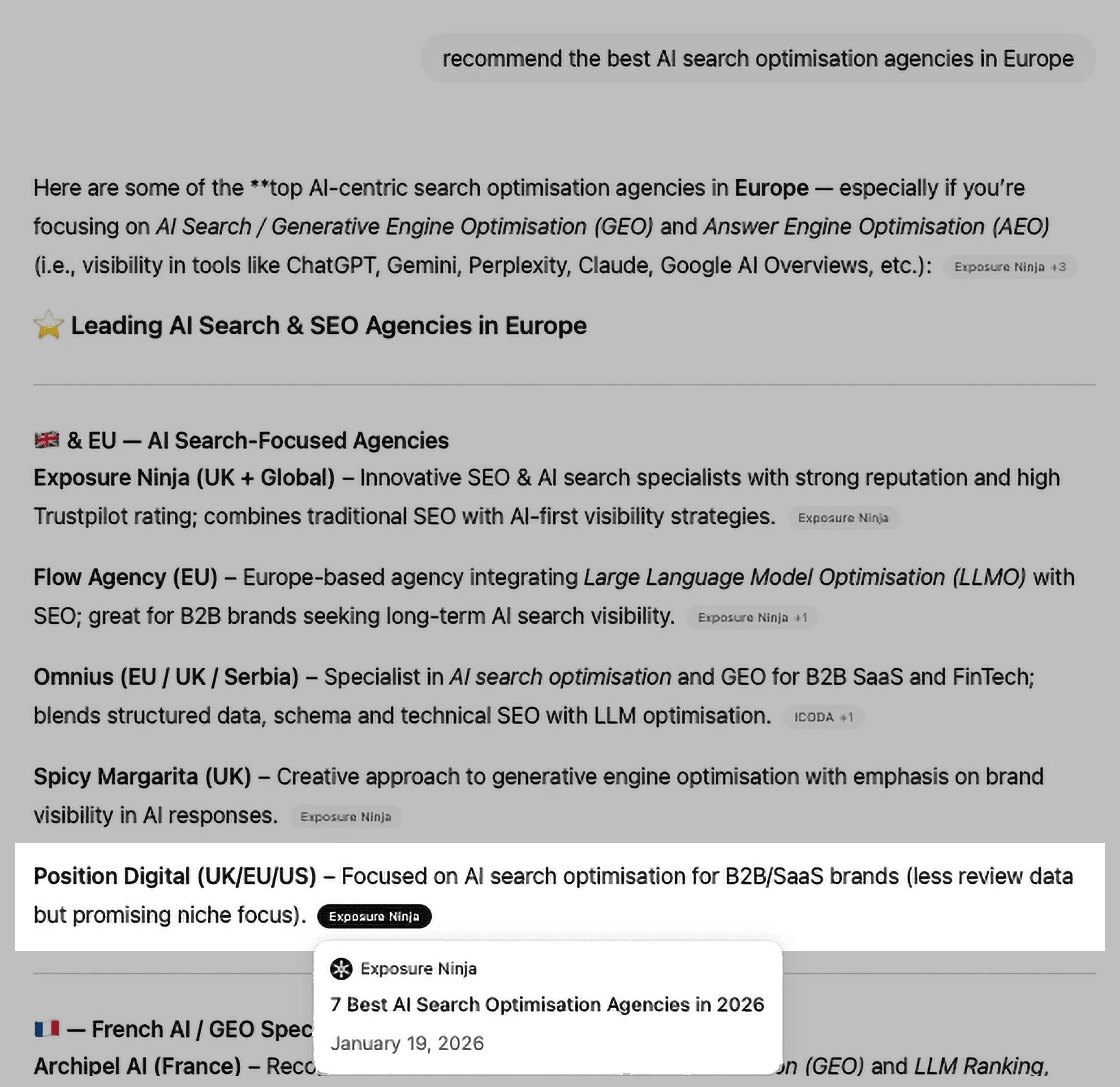
In the rapidly evolving landscape of search engine optimization, the traditional playbook—focused almost exclusively on keyword density and on-page technical health—is being rewritten. As AI-powered search engines and Large Language Models (LLMs) transition from simple link-referral tools to sophisticated answer engines, the rules of visibility have shifted. Today, the most important strategy for winning in the age of artificial intelligence is not just what you say on your own website, but who is talking about you across the web.

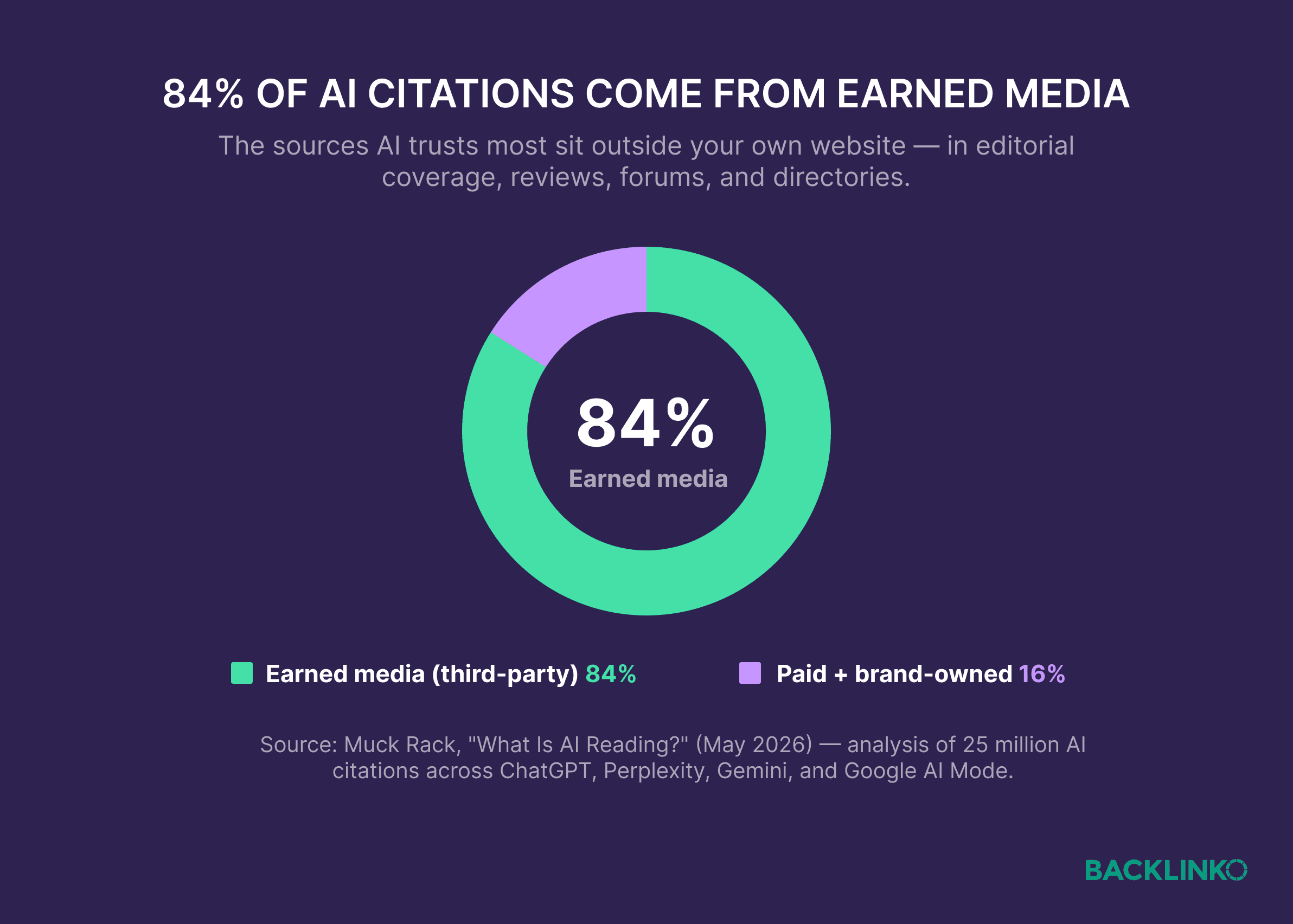
A comprehensive study by Muck Rack has revealed a critical insight for modern marketers: 84% of all AI citations are derived from earned media. This includes editorial coverage, third-party reviews, and discussions on forums. In the eyes of an AI, third-party validation carries significantly more weight than self-promotion. While publishing high-quality content on your own domain remains a foundational necessity, your brand’s AI visibility is increasingly dictated by its footprint on external, trusted platforms.
The Shift: Why AI Prioritizes Offsite Authority
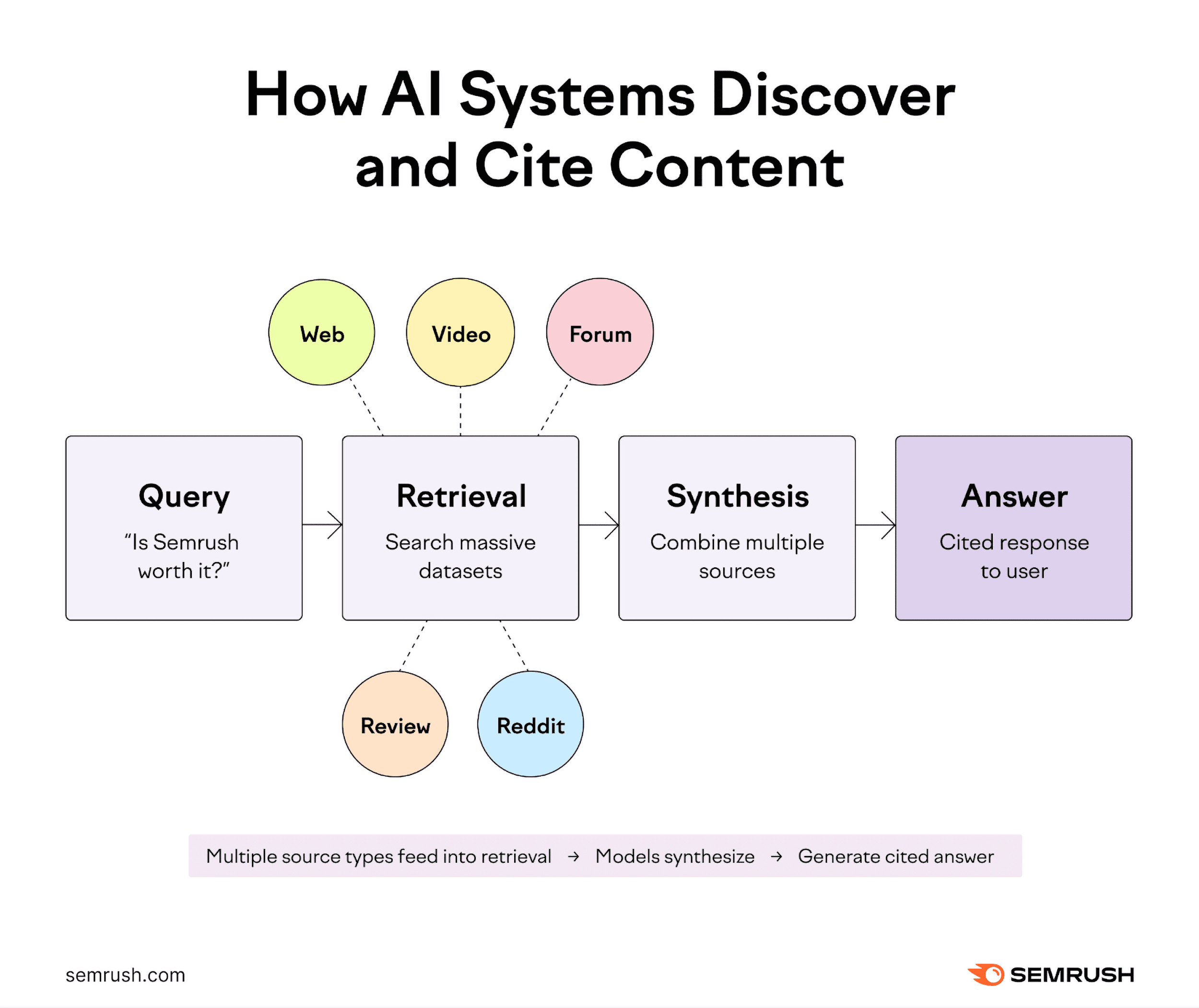
AI systems function by pulling information from a vast, decentralized web of sources, synthesizing that data, and presenting it as a single, coherent answer. Unlike traditional search, which acts as a bridge to other websites, AI search aims to solve the user’s problem within the chat interface. Consequently, the brands that "win" in this environment are those that appear consistently across multiple credible sources.
The logic is simple: the more frequently your brand is referenced by reputable, independent outlets, the more the LLM recognizes your brand as an authority. This creates a "trust loop." When an AI model repeatedly encounters your brand name in high-quality editorial content, it assigns your domain a higher trust score, making it significantly more likely to recommend your products or services when a user asks a relevant question.
Strategic Pillars for AI-Driven Digital PR
To thrive in this new ecosystem, brands must pivot toward a proactive digital PR strategy. Here are six essential pillars to build your offsite authority and ensure your brand is the one being cited in AI-generated answers.
1. Data-Led PR: Establishing Authority Through Original Research
Journalists, bloggers, and industry analysts are constantly hunting for credible, original data to bolster their own narratives. By publishing original research—such as statistical roundups, industry surveys, or unique performance benchmarks—you provide them with the raw material they need.
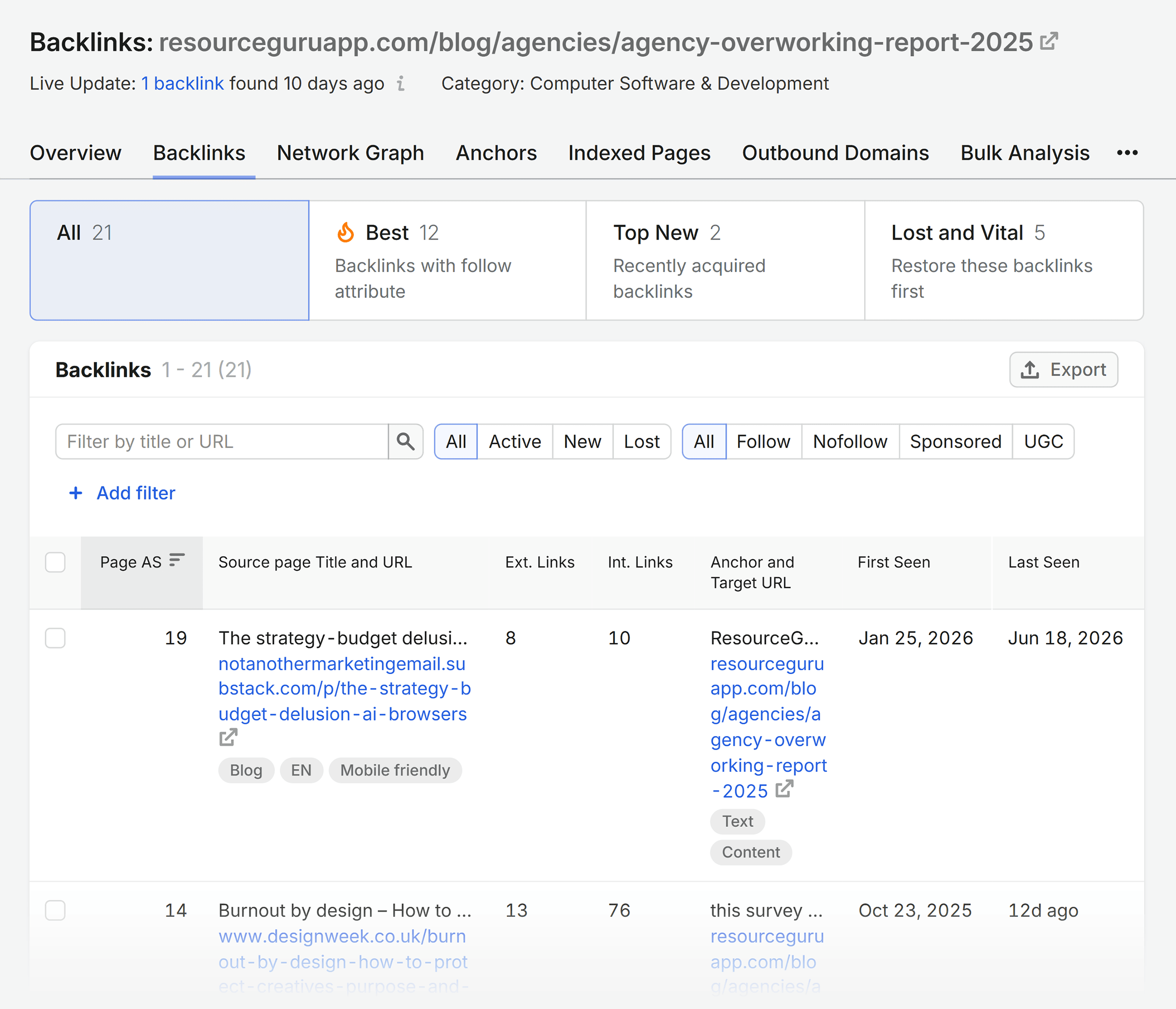
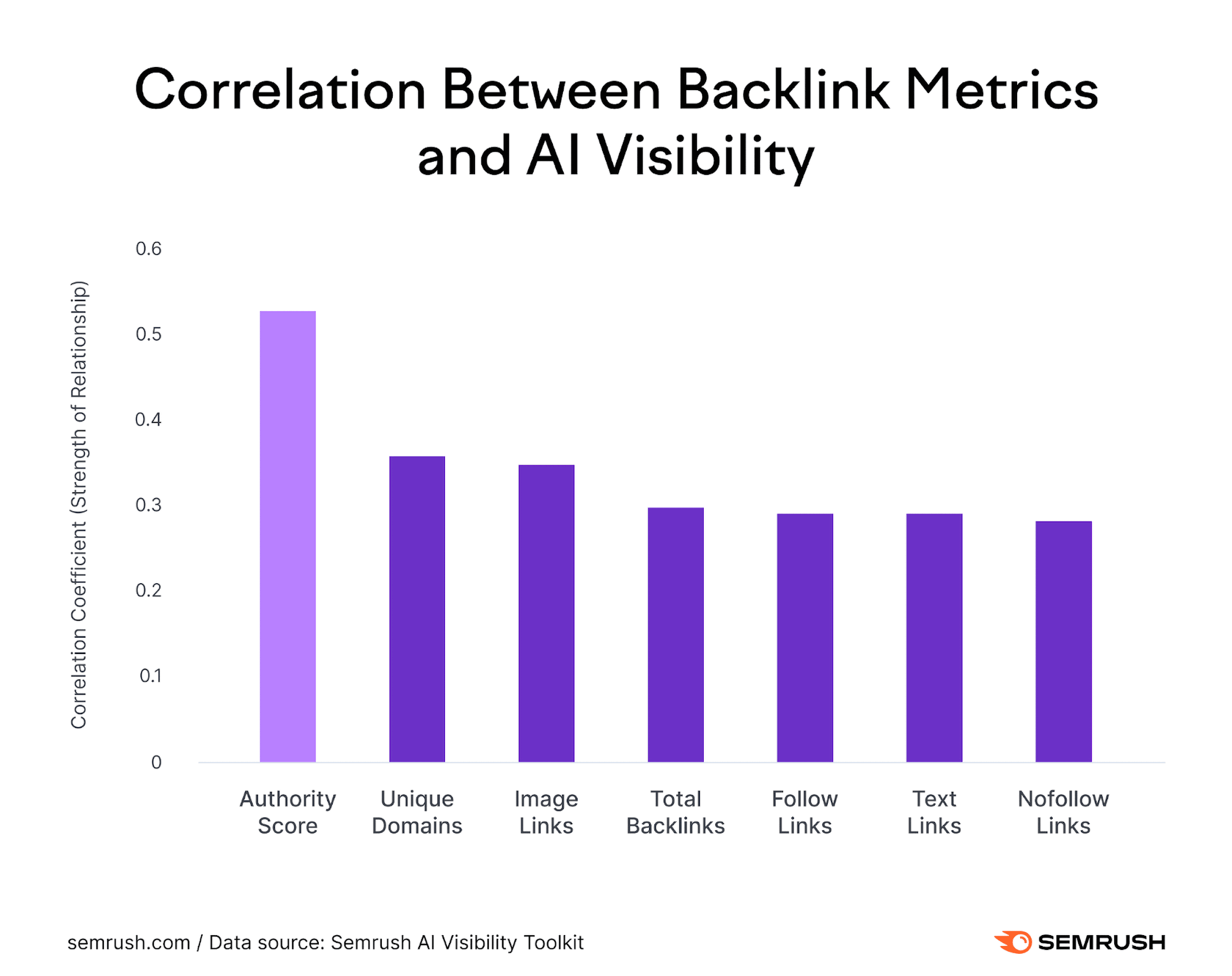
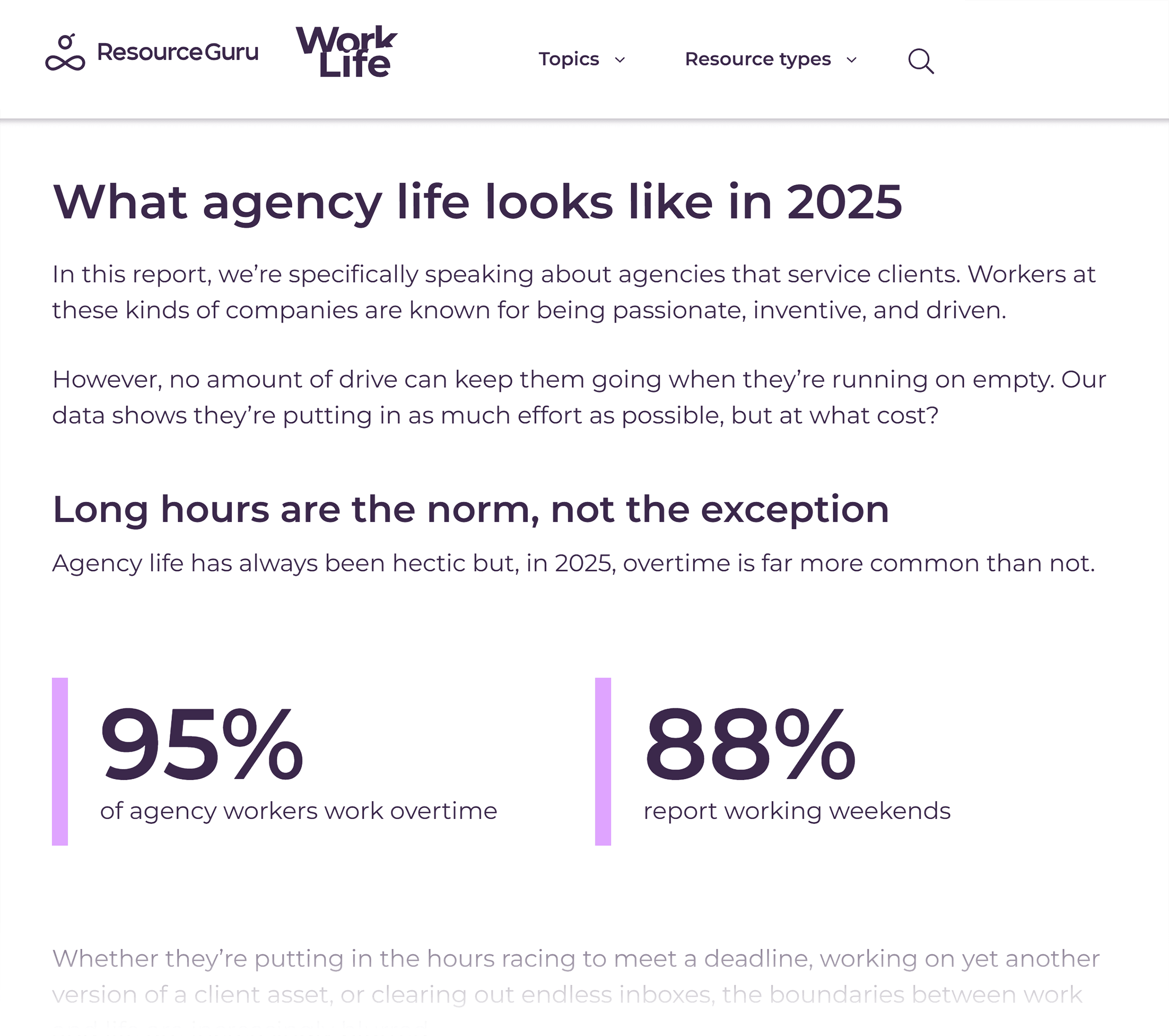
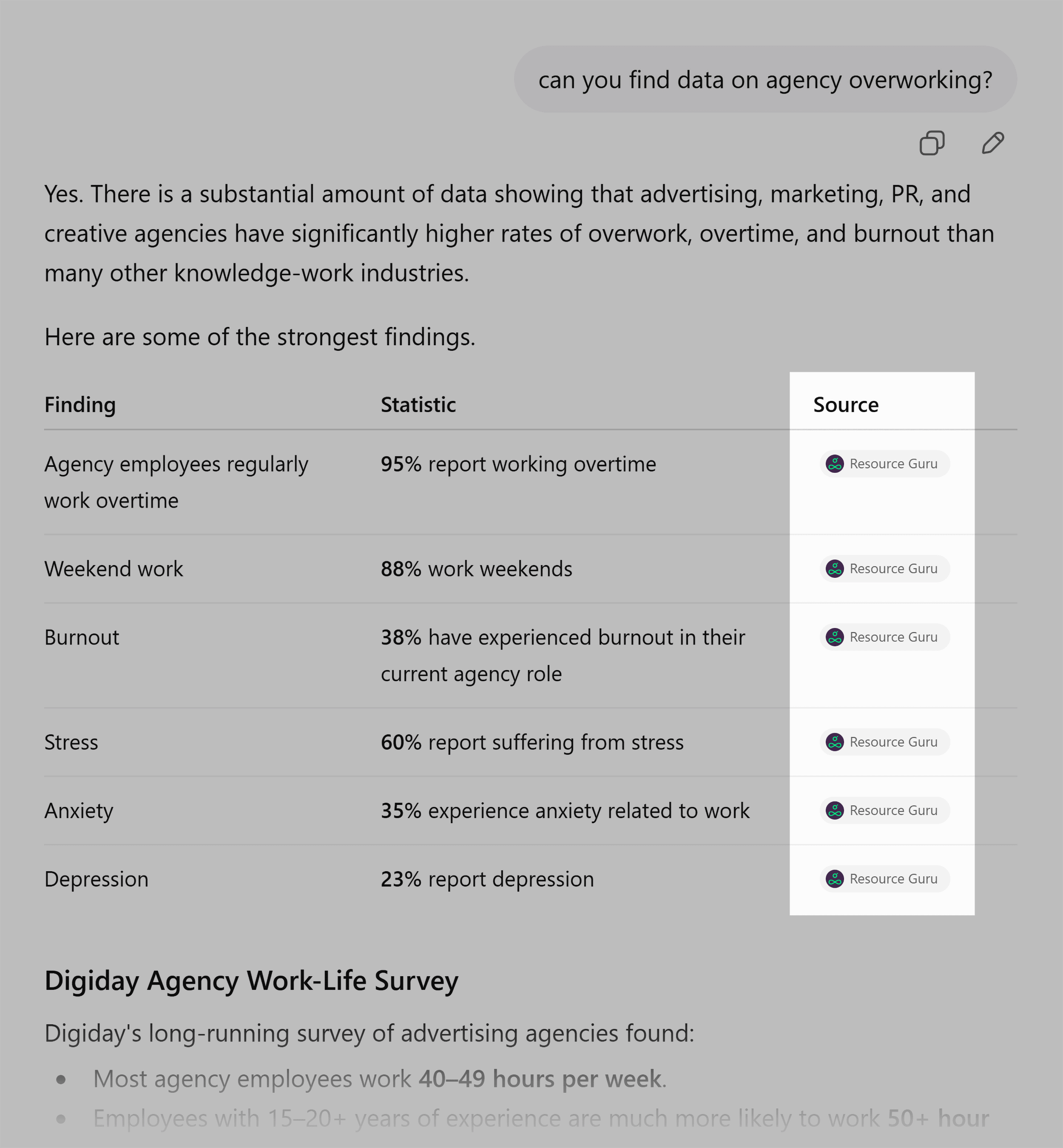
According to research from Semrush, which analyzed 1,000 domains, there is a clear correlation between backlink authority and appearance in AI-generated answers. Data-led content is one of the most reliable ways to earn these high-quality backlinks from authoritative domains. For instance, the "Agency Overworking Report 2025" for Resource Guru, which synthesized original data into a compelling narrative, successfully earned 21 high-quality backlinks and consistent AI citations, including mentions in Forbes.
2. AI Citation Outreach: Securing Placements in Trusted Sources
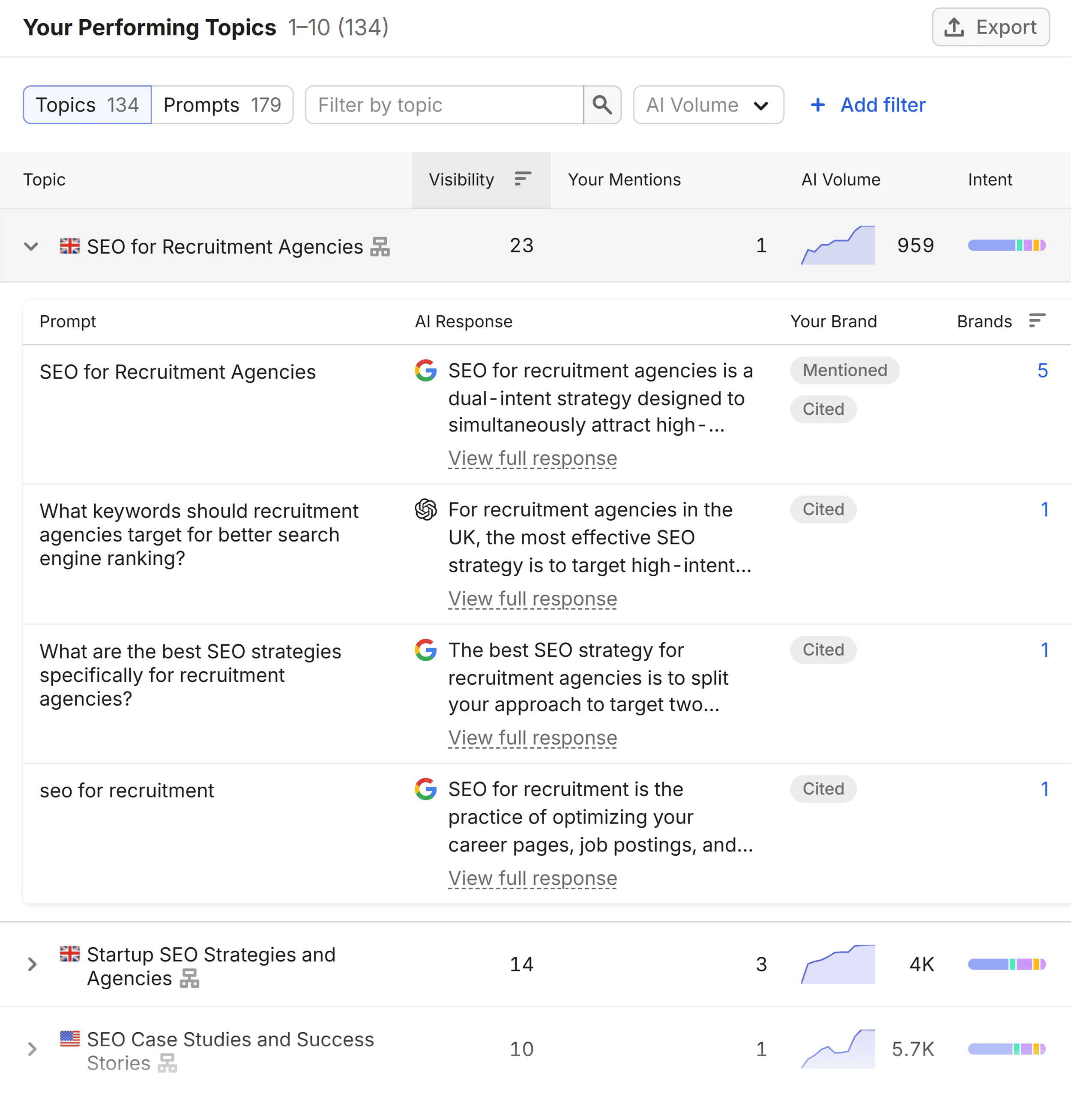
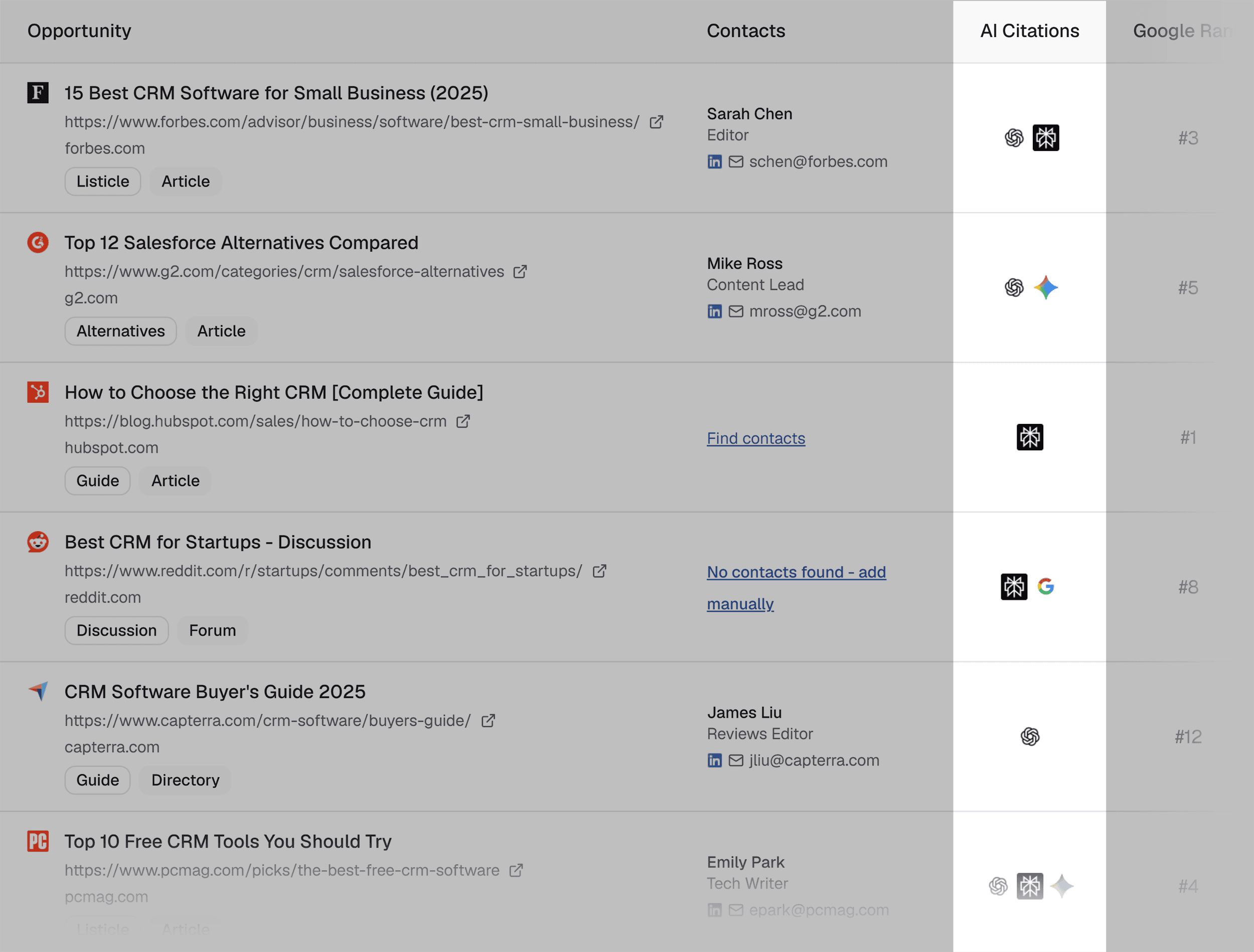
If you want to influence the answer an AI gives, you must secure a presence within the sources that the AI already trusts. This is known as "AI citation outreach."
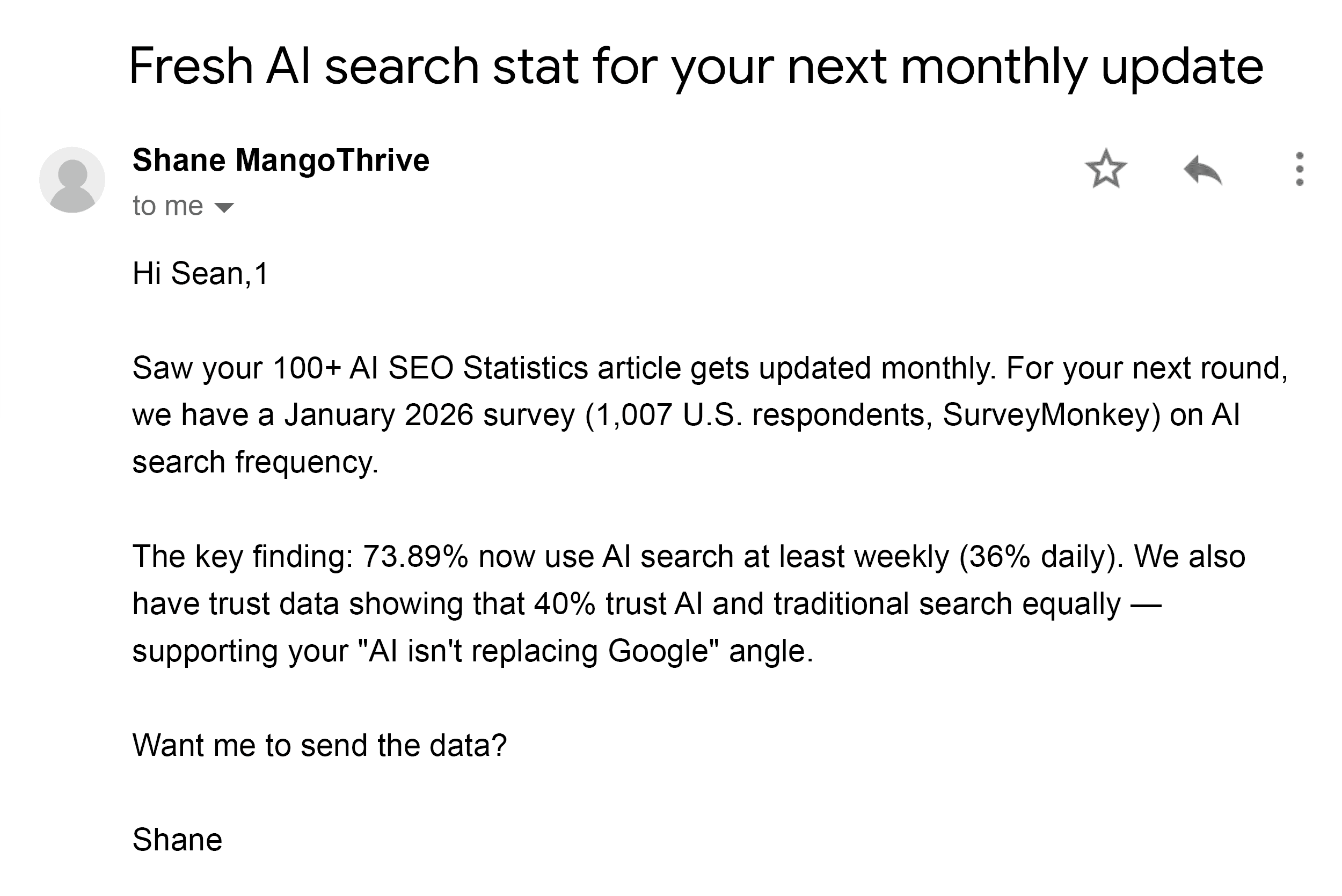
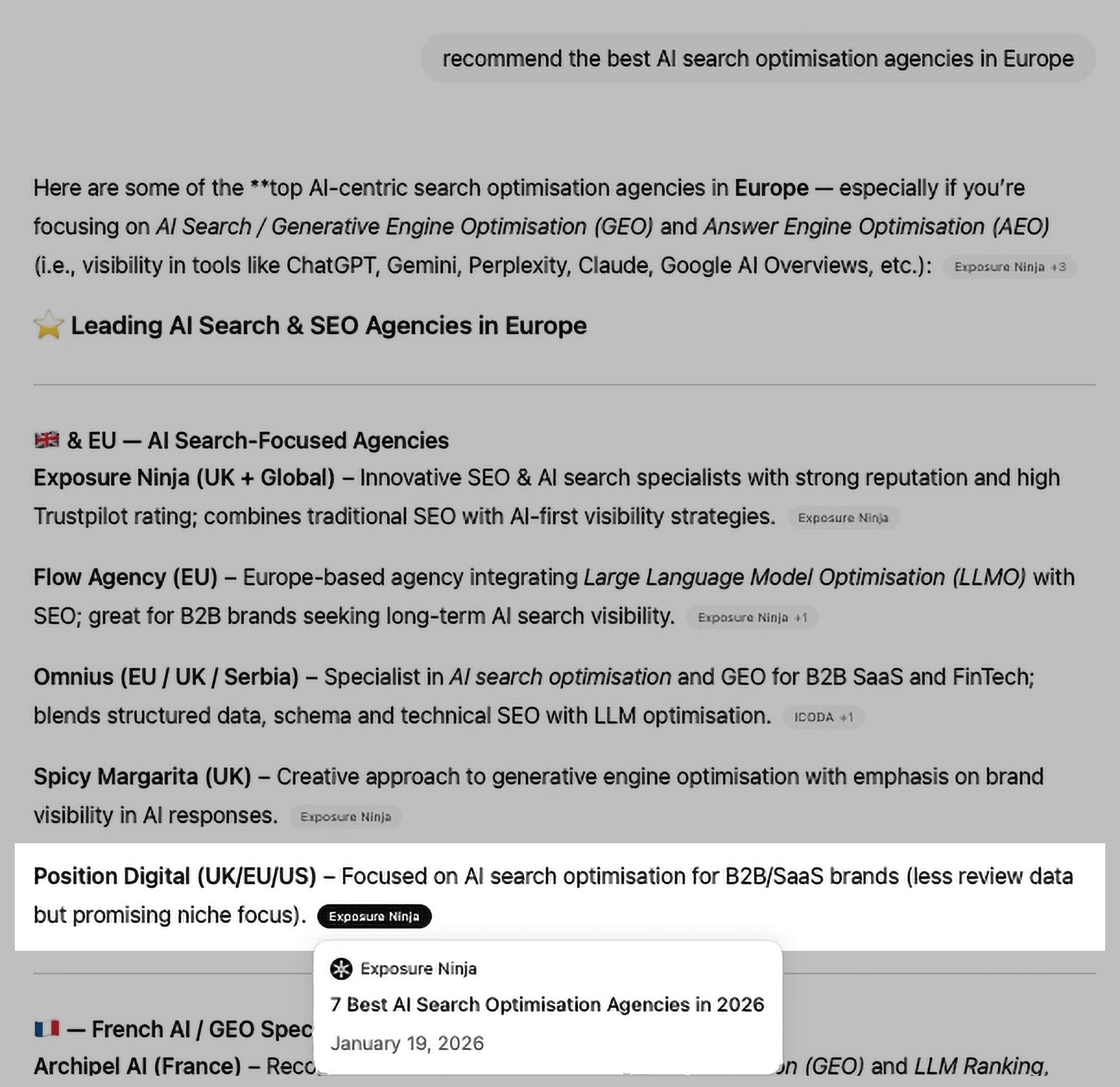
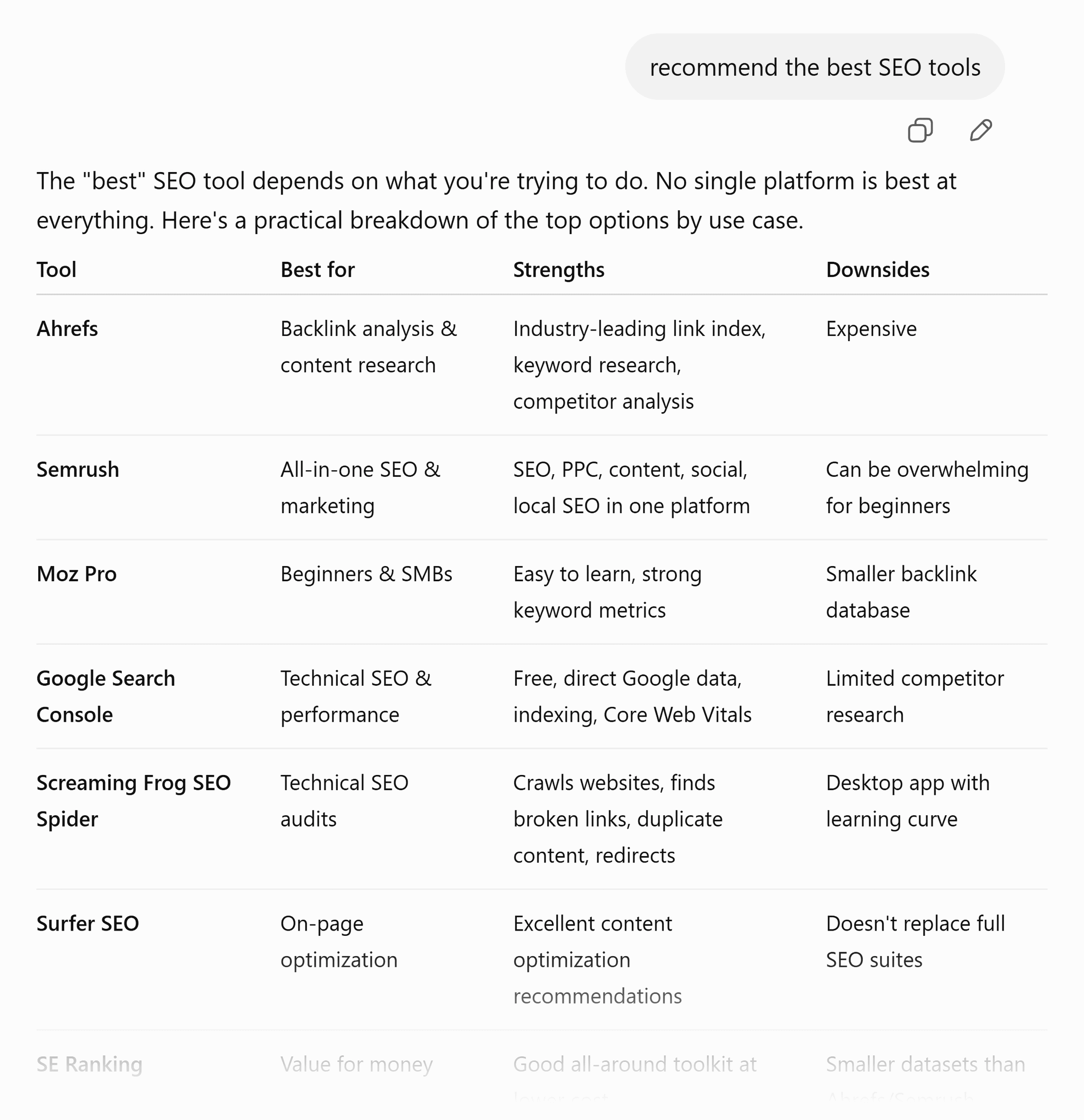
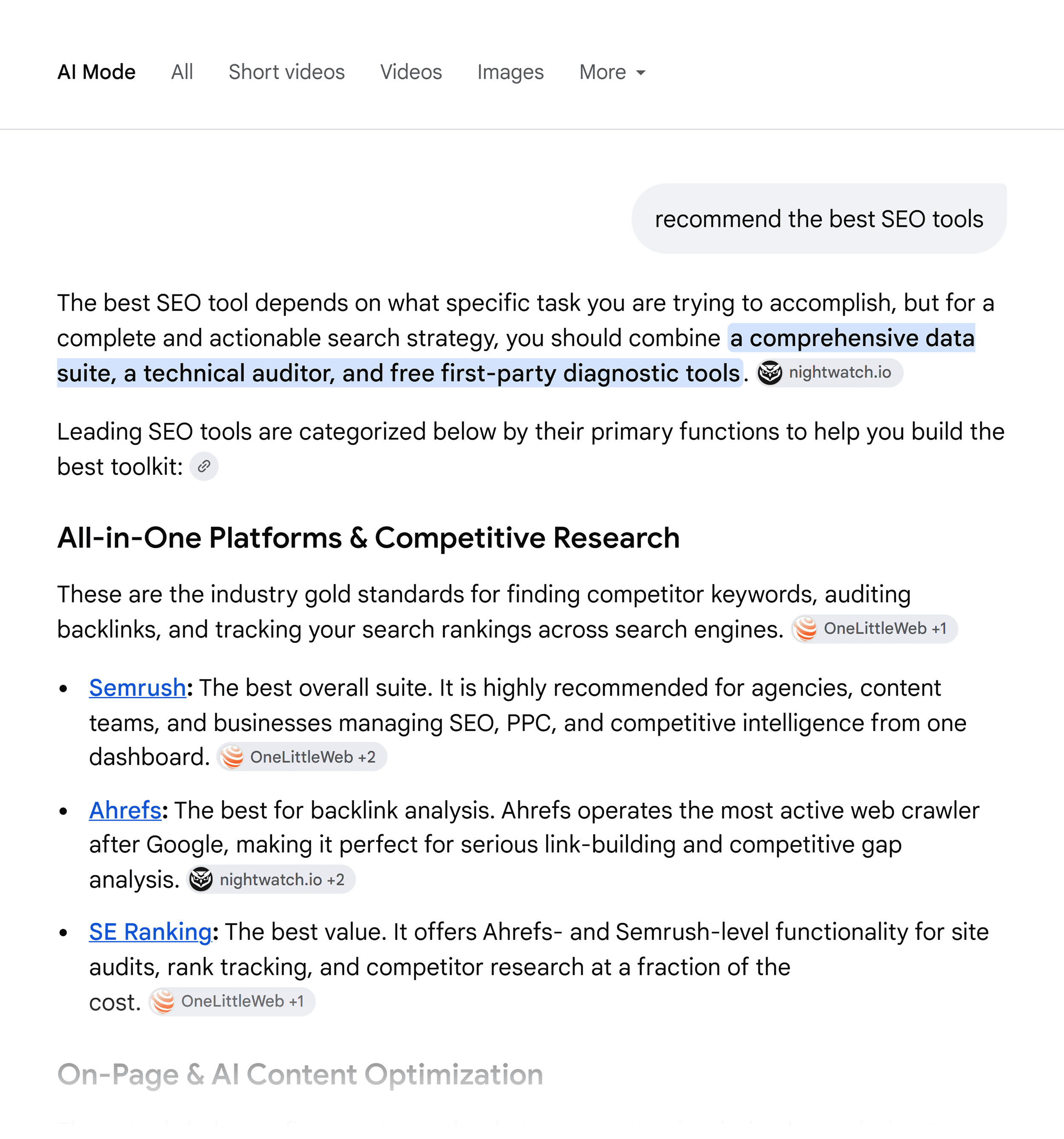
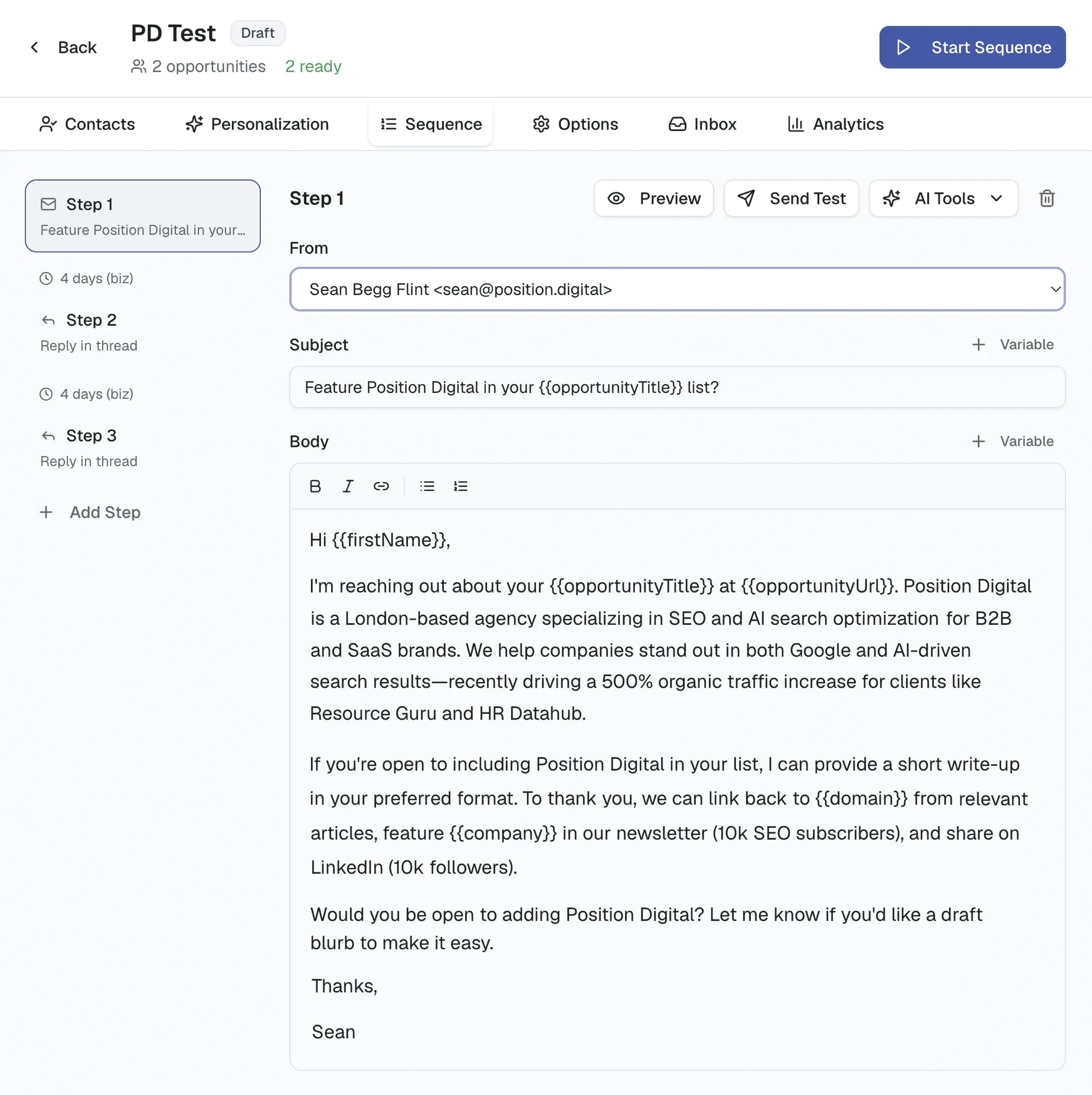
To execute this, you must first map out the prompts your target audience is using. Once you identify the questions they are asking ChatGPT, Claude, or Google’s AI Mode, you can audit the results to see which websites are being cited. By proactively reaching out to those publishers—often offering to provide additional quotes, data, or updated insights—you can position your brand to replace or augment existing sources.
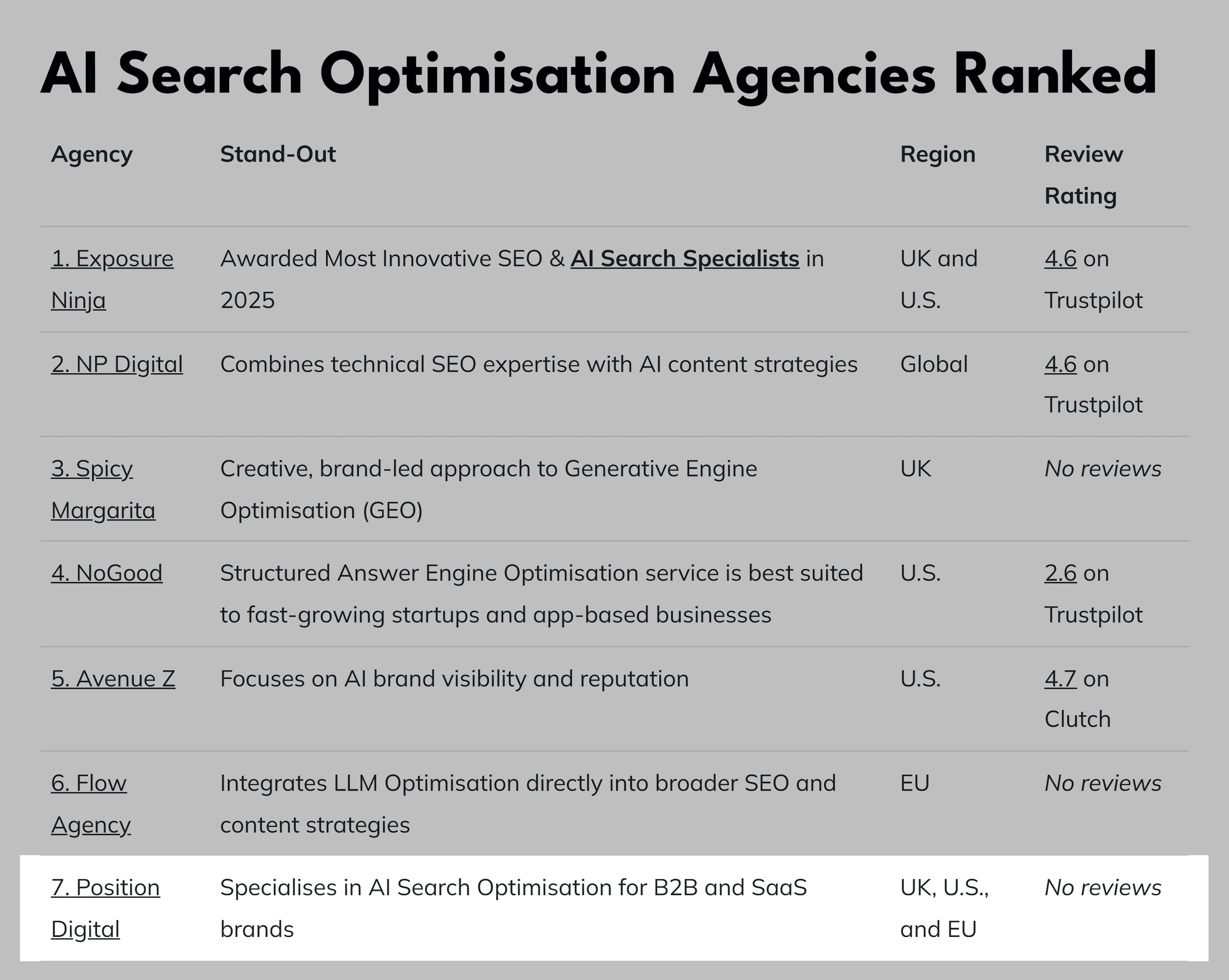
3. Reactive PR: Capturing the "News Window"
AI models operate with knowledge cutoffs, meaning they struggle to provide information on breaking news or rapidly shifting trends without searching the live web. This is your "reactive window."
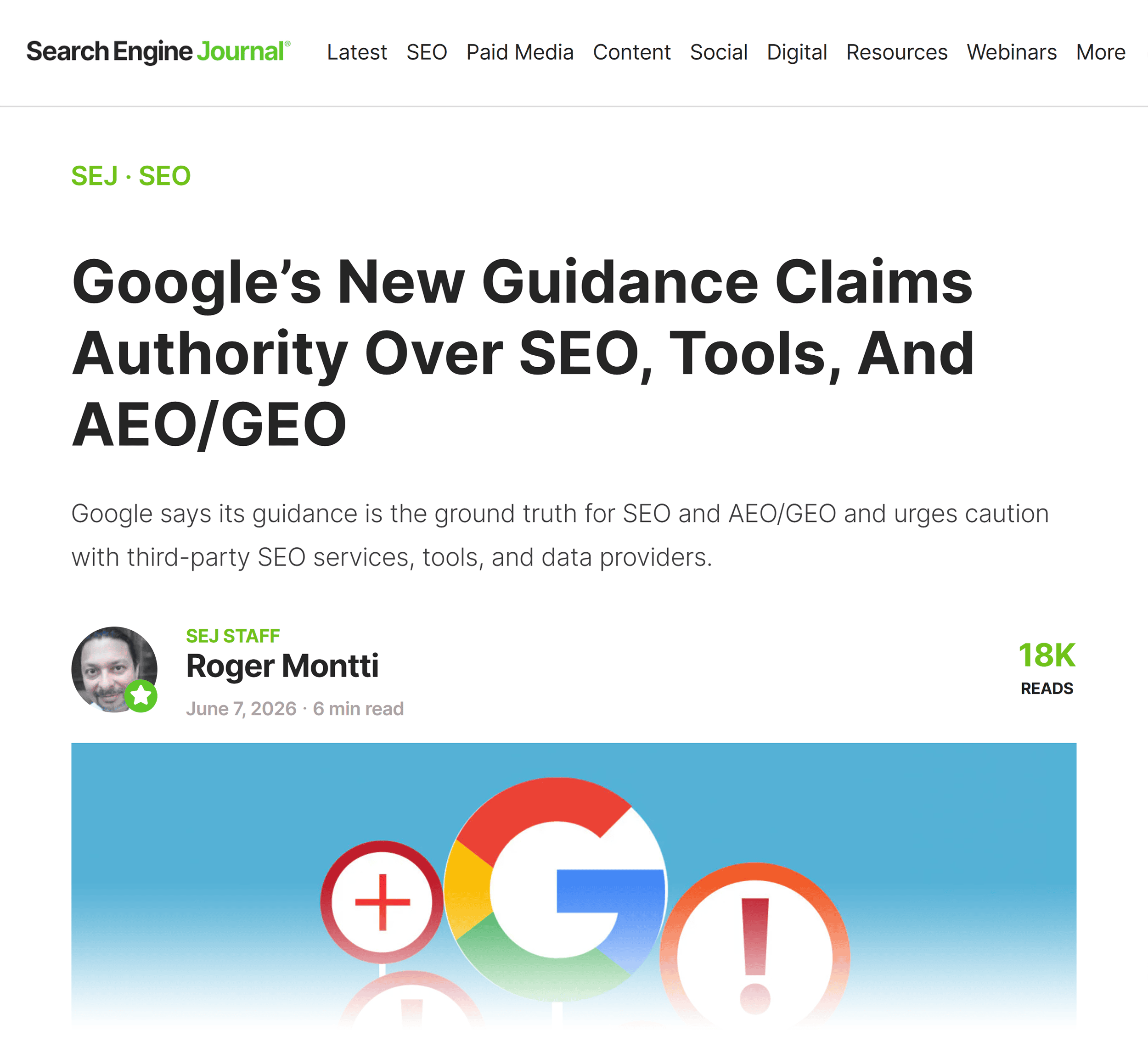
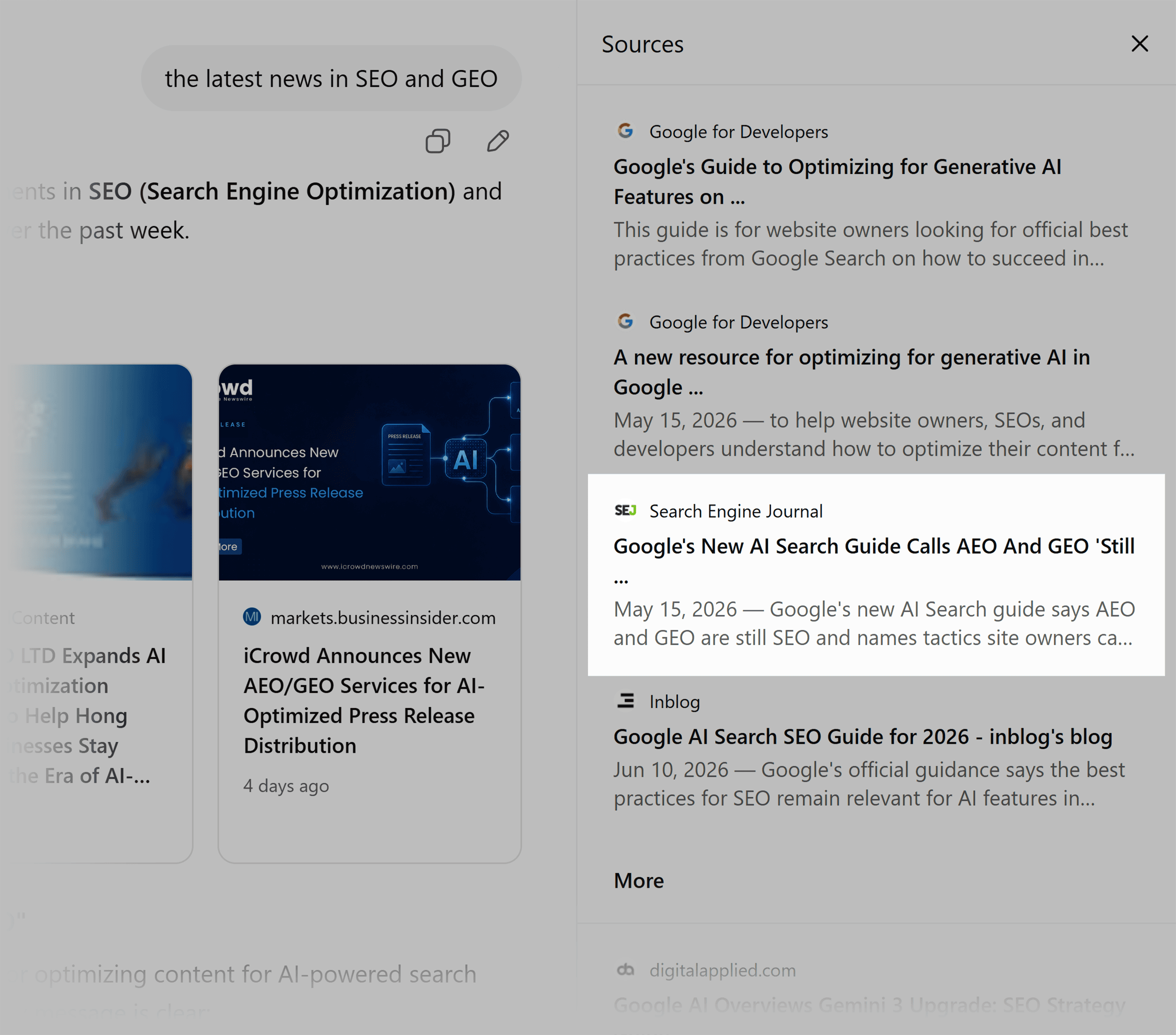
When a story breaks, there is a limited amount of reliable information available. If your brand can be among the first to publish insightful commentary or original analysis, you become the primary source for the AI to pull from. A prime example is the coverage of Google’s latest SEO guidelines by Search Engine Journal. By reporting on the update immediately, the publication secured over 500 backlinks and solidified its position as the go-to source for the AI’s synthesis of that news.
4. The Power of Ego Bait
Ego bait is the strategic practice of featuring industry experts, influencers, and thought leaders in your content. When you highlight the insights of well-known professionals, you do more than just improve your content’s credibility; you create a natural distribution channel.
An AI SEO study found that pages containing expert quotes receive an average of 4.1 citations in ChatGPT, compared to only 2.4 for pages without them. Because these experts are often invested in the content they contributed to, they are highly likely to share the piece with their own audiences, creating a ripple effect of mentions and backlinks that strengthens your brand’s overall digital footprint.
5. Thought Leadership: Cultivating a Recognizable Voice
While SEO is about ranking, thought leadership is about being recognized as a standard-bearer. AI models are trained on the internet’s most engaging content, and thought-provoking, contrarian, or highly insightful posts often drive the most discussion.
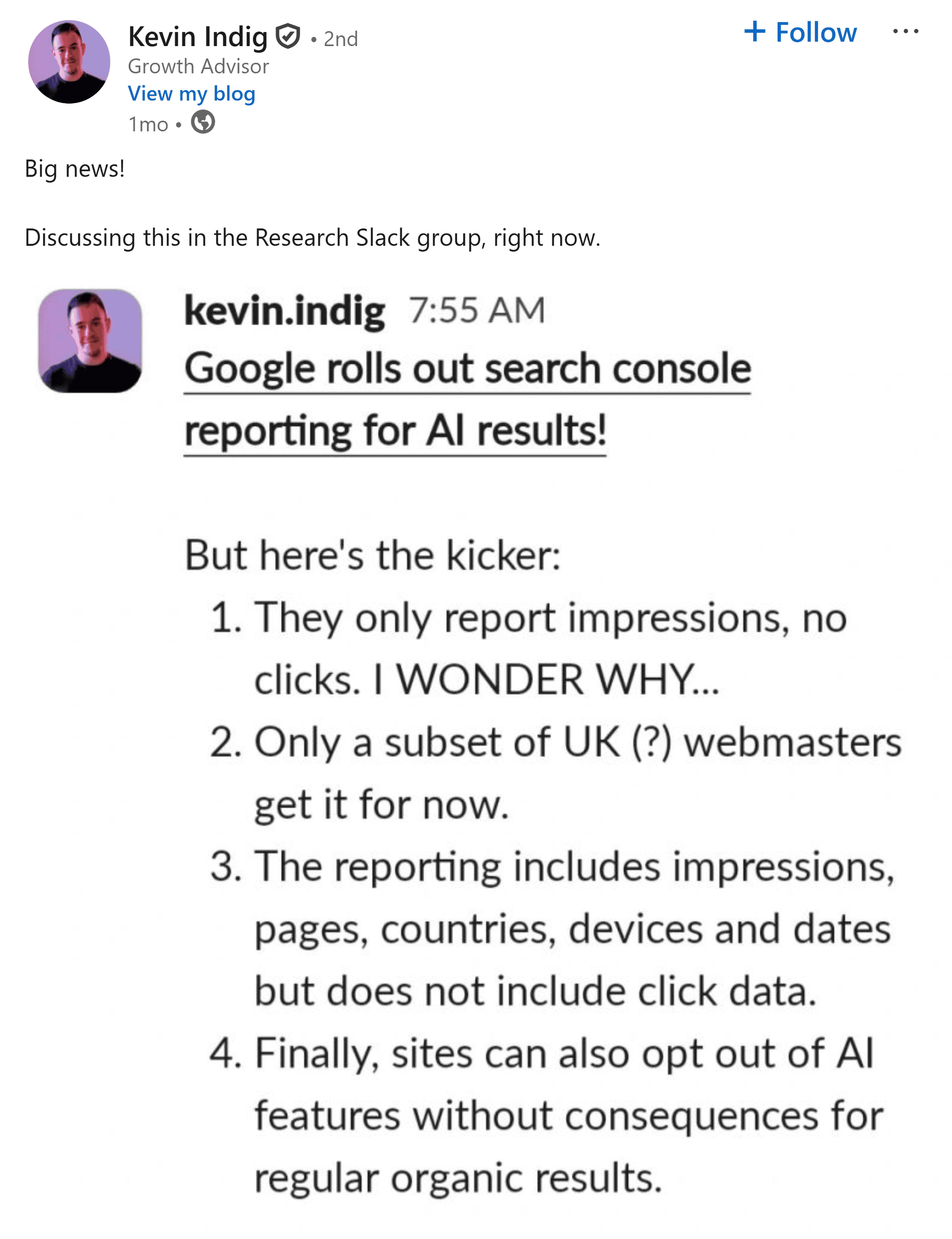
LinkedIn has emerged as a powerhouse in this regard. According to recent data, LinkedIn is the second-most-cited domain in major AI platforms. By building a consistent LinkedIn presence—sharing unique takes, challenging industry assumptions, and fostering debate—you ensure that your brand’s perspective is integrated into the data pool from which these models learn.
6. Community Building: Validating via Neutral Platforms
Perhaps the most important takeaway for modern PR is that AI models are designed to value neutrality. Forums like Reddit and review platforms like Trustpilot or G2 are frequently treated as "ground truth" by AI models.
Data from Seer Interactive indicates that brands without a Trustpilot profile have a dismal AI citation rate of 1%. Simply establishing a presence and gathering even a small number of reviews can catapult that rate to over 50%. By actively participating in communities—without resorting to spam—and maintaining active, transparent profiles on third-party review sites, you provide the AI with the independent validation it needs to rank your brand above competitors.
The Path Forward: A Synthesis of Strategies
The transition to AI search represents a fundamental change in how information is discovered. As we look toward the future, the brands that succeed will be those that view digital PR not as a "nice-to-have" add-on, but as the core engine of their SEO strategy.
By combining data-led research, targeted citation outreach, and a focus on community-driven validation, you can ensure that your brand isn’t just present on the web, but is recognized by the AI models that are increasingly acting as the gatekeepers of modern information. The goal is no longer just to rank on page one of Google; it is to be the authoritative answer that the AI provides when your customer asks for help.