








In an era where smart home appliances have become ubiquitous, the line between a consumer convenience device and a sophisticated network node has become increasingly blurred. This week, electronics giant LG Electronics USA announced a significant policy shift: it will move to suspend any applications on its webOS platform that utilize residential proxy software development kits (SDKs). These tools, which transform a user’s television into an "always-on" gateway for third-party internet traffic, have recently come under intense scrutiny from cybersecurity researchers.
The decision arrives less than a month after a bombshell report by security firm Spur revealed that over 42 percent of applications available on the LG webOS store—and more than a quarter of those on Samsung’s Tizen OS—contain hidden components designed to route external internet traffic through the end-user’s home connection.
The Anatomy of the Residential Proxy Phenomenon
Residential proxies are not inherently malicious, but their integration into consumer devices is a point of significant contention. At their core, these proxy SDKs allow app developers to monetize their software by turning a device into a node within a larger network. These networks are then rented out to paying customers who wish to mask their identity or appear to be browsing from a specific residential IP address.
While legitimate uses exist—such as market research or price monitoring—the practice essentially turns a consumer’s home internet connection into a commercial utility for unknown entities. The implications for privacy, bandwidth consumption, and security are profound. Most consumers purchase a smart TV to stream content, not to facilitate web traffic for third-party corporations or potentially malicious actors.
A Chronology of the Discovery
- Early July 2026: Security firm Spur publishes a detailed analysis of the "proxy-as-a-service" ecosystem embedded within smart TV app ecosystems.
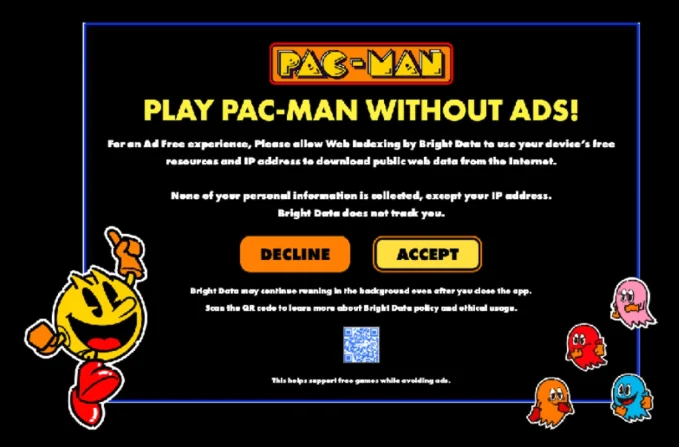
- July 2, 2026: The research gains widespread attention, highlighting that even mundane applications, such as basic games like Pac-Man, screensavers, and file management utilities, were bundled with residential proxy SDKs.
- Mid-July 2026: Following public and industry pressure, LG Electronics USA publicly acknowledges the issue and initiates a sweep of its webOS store.
- Late July 2026: LG Senior Vice President John Taylor confirms that developers who refuse to strip these SDKs from their applications will face immediate suspension from the platform.
Supporting Data: The Scale of the Intrusion
The data provided by Spur.us paints a concerning picture of the "Internet of Things" (IoT) landscape. By analyzing the binaries of popular apps on LG’s webOS and Samsung’s Tizen, researchers identified that proxy SDKs were present in a significant percentage of the available software catalog.
The economic model driving this behavior is simple: developers, seeking revenue beyond traditional advertisements, integrate these SDKs to receive payments from proxy providers. These providers, in turn, aggregate these residential "peers" into a massive, global network. The user, often unaware of the underlying architecture, agrees to a vague "terms of service" update that may contain a single line buried in a dense legal document, granting the app permission to utilize the device’s network resources.
The research noted that the residential proxy provider Bright Data accounted for the majority of these SDKs. This raises a critical question regarding the "consent" model: if a user is presented with a choice between watching advertisements or allowing their home network to be turned into a proxy node, is the choice truly informed, or is it a form of digital coercion?
Official Responses: Navigating Privacy and Profit
LG’s response has been swift, aiming to distance the brand from the practice. John Taylor, Senior Vice President at LG Electronics USA, provided a clear stance on the matter in a statement to KrebsOnSecurity.
"A residential proxy network is not an intended use for LG smart TVs," Taylor stated. "LG Electronics is working with developers to remove the residential proxy option from their apps on the webOS platform. If this option is not removed, these apps will be suspended."
Taylor emphasized that the company is currently conducting a comprehensive review of its app store to ensure compliance. "As part of our ongoing efforts to enhance platform quality and the user experience, LG will continue to strengthen our evaluation process for developer-submitted apps, including those that incorporate residential proxy SDKs," he added.

Conversely, proxy providers maintain that their operations are transparent and ethical. Bright Data, in its response to the controversy, defended its business model, asserting that it is built on "consent and responsibility."
"Every peer opts in through a dedicated screen and receives value in return; every customer is vetted, and our practices have now undergone a second independent audit by PwC," the company stated. Bright Data further claimed they utilize rigorous "Know Your Customer" (KYC) processes and implement technological countermeasures to ensure that proxy traffic cannot interact with or control other devices on the user’s local area network (LAN).
Implications: The Risks of the "Connected" Home
The core issue, according to cybersecurity experts like Trevor Sutter of Spur, is the lack of transparency and the imbalance of power between the manufacturer and the consumer.
The Transparency Gap
When a user buys a television, they do not expect it to act as a server for unknown traffic. Unlike a computer, where users are often more accustomed to managing network configurations and background processes, a smart TV is viewed as an appliance. Consumers are rarely equipped to audit what their TV is doing in the background.
The Problem of Informed Consent
Sutter argues that a one-time, buried consent prompt is insufficient for the scope of the risk. "The risk is amplified when consent comes from individuals within the household who use the device but shouldn’t give consent, such as minors," Sutter noted. If a child playing a game on a TV clicks "accept" to bypass an ad, they may be unknowingly opening their home network to external traffic.
Beyond the TV: The McAfee Controversy
The tension surrounding LG’s ecosystem is further compounded by recent events regarding the company’s monitors. Simultaneously with the proxy crackdown, LG faced criticism regarding the bundling of McAfee security software.
The YouTube channel Gamers Nexus revealed that certain LG LCD monitors were automatically installing an application promoting paid McAfee antivirus subscriptions through Windows Update, without a direct prompt or opt-in from the user. This has led to broader discussions regarding the "bloatware" and intrusive software practices that hardware manufacturers are increasingly adopting to drive recurring revenue, often at the expense of user trust.
Looking Forward: Towards a More Secure Ecosystem
The crackdown on residential proxies by LG is a positive development for consumer privacy, but it highlights a systemic vulnerability in the IoT market. As devices become more sophisticated, the pressure on developers to monetize through unconventional means will likely persist.
For the average consumer, the path forward requires a shift in how we perceive our home hardware. Moving forward, the industry may see:
- Stricter App Vetting: Platforms like LG’s webOS and Samsung’s Tizen will likely implement mandatory audits for SDKs, specifically scanning for residential proxy capabilities.
- User Empowerment: Demand for "privacy-first" hardware, where users have granular control over network traffic, is expected to rise.
- Regulatory Scrutiny: As residential proxy networks are used for large-scale data scraping and potentially cyberattacks, government regulators may begin to view these SDK providers as entities that require more stringent oversight, similar to ISPs or telecom providers.
Ultimately, the goal is to ensure that a television remains a television—a device that serves the owner, not a silent participant in a global network of residential proxies. While LG’s current efforts to purge its platform of these SDKs are a significant step in the right direction, the incident serves as a stark reminder that in the modern digital age, every connected device is a potential point of entry, and "smart" features often come with hidden costs that are rarely disclosed at the point of sale.