From Scan to Treatment Plan, AI Helps Close Breast Cancer’s Deadliest Gaps
Main Facts: The Intersection of AI and Oncology
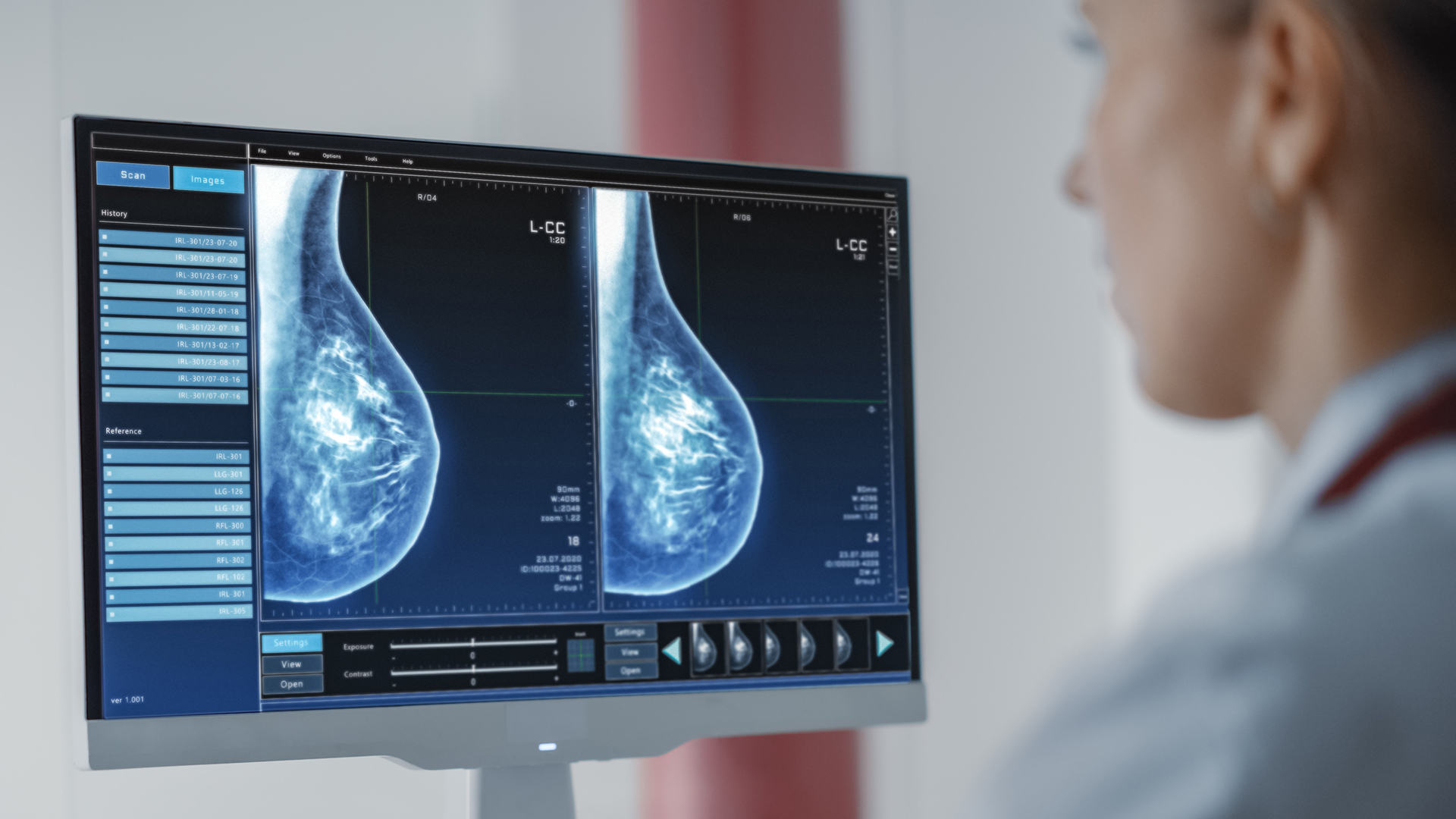
Breast cancer remains the most commonly diagnosed cancer among American women, yet the healthcare continuum is fraught with systemic vulnerabilities. Alarming statistics show that a majority of women over the age of 40 regularly skip their recommended annual mammogram screenings. Concurrently, a severe labor shortage has left radiologists reading a higher volume of mammograms with significantly fewer colleagues.
When a diagnosis is finally made, the friction does not end. Critical tests required to inform personalized treatment plans frequently take weeks to return results. This lag introduces agonizing delays for patients during a time when speed and clinical certainty are paramount.
To combat these challenges, pioneering startups within the NVIDIA Inception program are developing advanced artificial intelligence applications. These companies are deploying AI-driven solutions designed to support clinicians across every friction point of the oncology workflow—ranging from automated imaging and precise risk assessment to multidimensional treatment planning. Leveraging high-performance NVIDIA GPU infrastructure, CUDA-X libraries, and open-source medical frameworks like MONAI, these startups are transforming raw data into actionable clinical intelligence, bridging the gap between early detection and targeted therapy.
Chronology: The Evolution of AI in Breast Cancer Diagnostics
The integration of artificial intelligence into breast cancer care is not a sudden disruption, but rather a methodical evolution accelerated by breakthroughs in deep learning and computational power.
The Baseline Era (Pre-2010s): For decades, breast cancer diagnostics relied heavily on subjective human interpretation. Traditional 2D handheld ultrasounds varied drastically depending on the technician, and mammogram readings depended solely on the naked eye of a fatigued radiologist facing a "needle-in-a-haystack" scenario.
The Digital Shift and Genomic Bottlenecks (2010s): As hospitals digitized records, genomic assays and tissue biopsies became the gold standard for predicting treatment responses. However, these complex tests routinely required two to four weeks to process, creating a major bottleneck in patient care. Furthermore, legacy clinical prediction models remained static, relying on algorithms trained decades prior without updates.
The Rise of AI and Hardware Acceleration (Recent Years): Startups began developing neural networks capable of processing millions of imaging frames. However, training these models demanded unprecedented processing power. Through programs like NVIDIA Inception, healthcare startups gained access to robust cloud and on-premises GPU clusters, enabling real-time image segmentation, dense data parsing, and multimodal integration.
Today’s Clinical Landscape: Modern AI platforms—such as iSono Health’s automated ultrasound, Whiterabbit.ai’s risk assessment tools, Ataraxis AI’s pathology predictors, and SimBioSys’s 3D tumor mapping—are moving from investigational phases into active clinical deployment across major medical institutions nationwide.
Supporting Data: The Metrics of Strain and Technological Impact
A closer examination of the numbers reveals both the depth of the crisis in women’s health and the quantitative impact of AI interventions:
Screening Deficits: Approximately 40 million mammograms are performed annually in the U.S., yet a majority of eligible women over 40 fail to complete annual screenings due to logistical barriers, fear, or lack of local access.
The Radiology Shortfall: Over the next decade, the healthcare system faces a projected shortfall of tens of thousands of radiologists, threatening to overwhelm screening capacities.
Radiologist Workload: Radiologists must detect roughly one cancer per 200 mammograms—a painstaking search made harder by workforce shortages.
Imaging Efficiency and Sensitivity:
Conventional handheld ultrasounds can take up to 45 minutes per breast and suffer from high operator variability.
iSono Health’s FDA-cleared ATUSA platform captures a standardized 3D breast volume in approximately two minutes per breast.
ATUSA’s AI, trained on thousands of full-breast scans comprising over 1.5 million ultrasound frames, delivers a 3D scan reported to be 28% more sensitive than a traditional handheld 2D ultrasound.
Validation Scale: Emerging platforms are being validated across massive cohorts. For instance, iSono Health has a multicenter clinical study involving 3,200 patients underway at lead research sites including UC Davis and Vanderbilt University Medical Center. Similarly, Ataraxis AI models have been validated across more than 10 institutions and multiple clinical trials.
Official Responses and Expert Perspectives
Industry leaders and medical innovators emphasize that artificial intelligence is not meant to replace human expertise, but rather to act as a vital clinical sidekick.
Addressing the Radiologist’s Burden:
“Every day, breast radiologists face a needle-in-a-haystack problem, trying to find roughly one cancer in every 200 mammograms,” noted Jason Su, co-founder and chief technology officer of Whiterabbit.ai. “We hope AI can be a powerful sidekick to radiologists, helping to clear away the hay so they can focus their expertise where it matters most.”
Reimagining Screening Accessibility:
“Getting the scan closer to the patient is the first breakthrough,” said Neda Razavi, CEO of iSono Health. “Our vision is to make that scan increasingly informative: helping clinicians see what is there, understand what has changed and make more informed decisions.”
Updating Legacy Clinical Tools:
“The tools oncologists rely on today to guide therapy decisions were largely trained once, fifteen years ago, and never updated,” explained Joseph Cappadona, a member of the technical staff at Ataraxis AI. “Our models get stronger every time we acquire more clinical trial data. But as we scale our models, the bigger shift is being able to answer more questions to help oncologists personalize therapy across all cancers.”
Unifying Multimodal Data:
Speaking at an October panel in Phoenix, Arizona, focused on AI’s role in advancing breast cancer care, SimBioSys CEO Stacey Stevens highlighted the power of synthesis: “We’re building a platform that now allows us to take multimodal data—imaging exams, pathology results, genomic testing when applicable and other biological inputs—and, using AI, bring that all together. When we do that, it generates new insights beyond what we had from any individual piece.”
Stevens further emphasized the critical nature of time in oncology: “NVIDIA technology gives us the computing power to take hundreds or thousands of images, apply our AI and analyze them quickly. That speed matters because patients and physicians need answers quickly. They can’t afford to wait days or weeks.”
Implications: The Future of Personalized Oncology
The widespread adoption of AI-powered oncology tools carries profound implications for patients, healthcare providers, and the broader medical economy.
1. Democratizing Access to Early Detection
By decentralizing imaging through wearable, automated devices like iSono Health’s ATUSA, screening can be brought closer to underserved or rural populations. Standardized, operator-independent scans ensure that a patient living in a remote area receives the same high-quality imaging capture as someone treated at a premier metropolitan medical center. Furthermore, consistent 3D volumetric captures allow clinicians to perform longitudinal analyses, tracking subtle tissue changes over successive years rather than treating each screening as an isolated event.
2. Relieving Burnout and Reducing False Positives
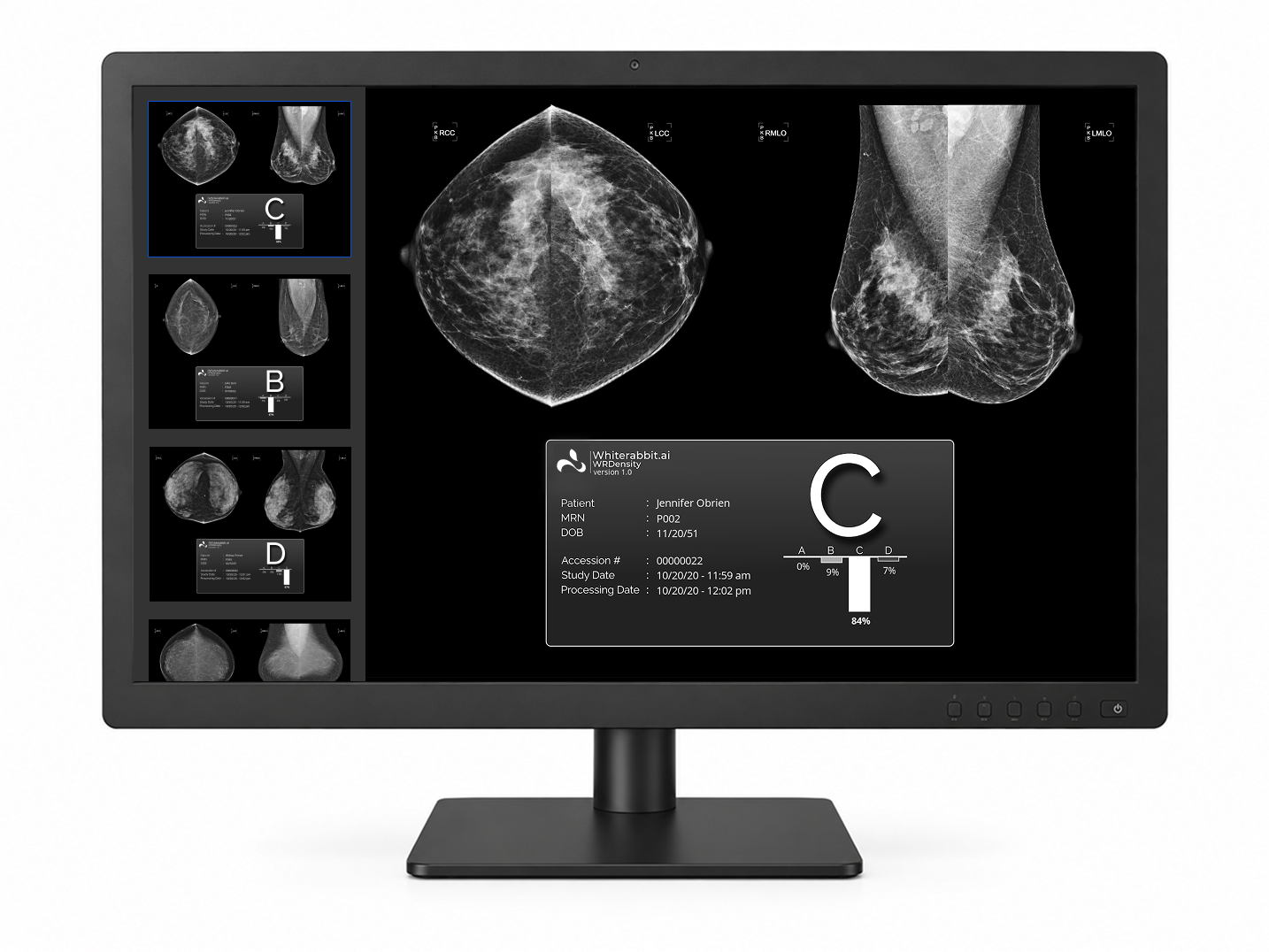
With automated breast density assessment (such as Whiterabbit.ai’s WRDensity) and risk estimation software (WRRisk), healthcare systems can streamline workflows. By quickly filtering out negative screens and highlighting areas of genuine concern, AI reduces avoidable patient callbacks, minimizes psychological distress, and alleviates the immense pressure on an overworked radiologist workforce.
3. Accelerating Precision Medicine
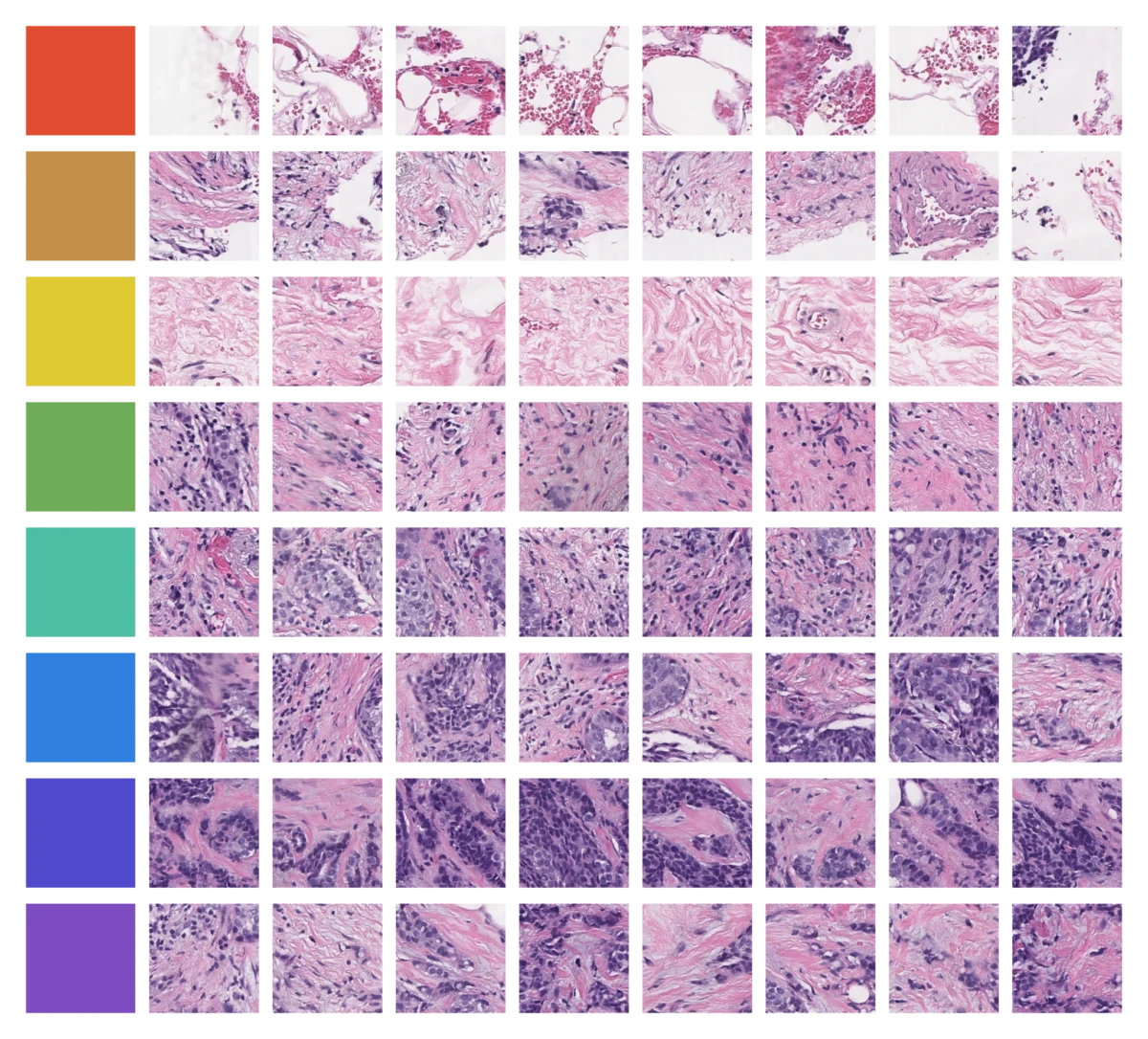
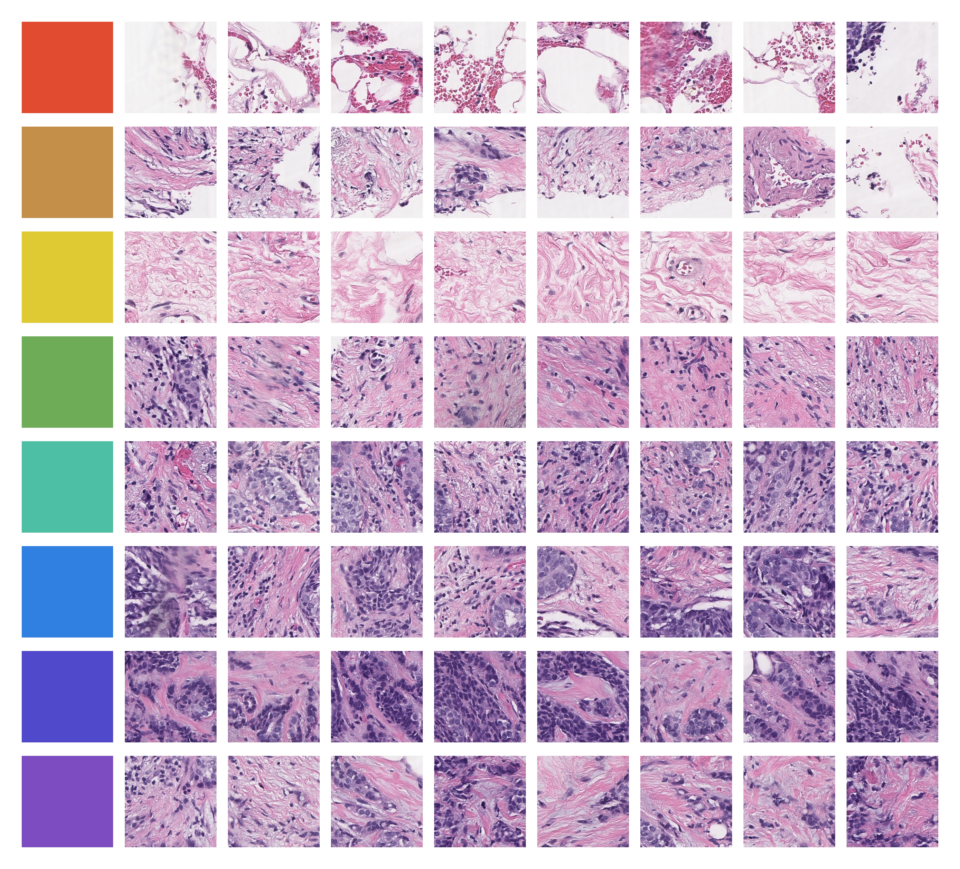
The transition from generalized treatment plans to hyper-personalized oncology hinges on speed. Technologies like those developed by Ataraxis AI—which analyzes standard digital pathology slides to predict chemosensitivity and recurrence risk without waiting weeks for external genomic assays—allow oncologists to make life-saving decisions rapidly. Similarly, SimBioSys’s 3D visualization platform empowers surgeons to visualize complex tumor geometries and vascular structures prior to entering the operating room.
4. The Technological Backbone
None of these advancements would be possible without robust underlying infrastructure. By harnessing NVIDIA’s GPU acceleration, PyTorch, CUDA-X libraries (such as cuBLAS), and MONAI frameworks, startups are capable of processing massive, complex datasets seamlessly across on-premises servers, offsite data centers, and cloud environments.
As these investigational and FDA-cleared technologies mature and integrate deeper into clinical pathways, they promise to usher in a new era of oncology—one defined by earlier detection, unprecedented diagnostic accuracy, and accelerated, personalized care that ultimately saves lives.