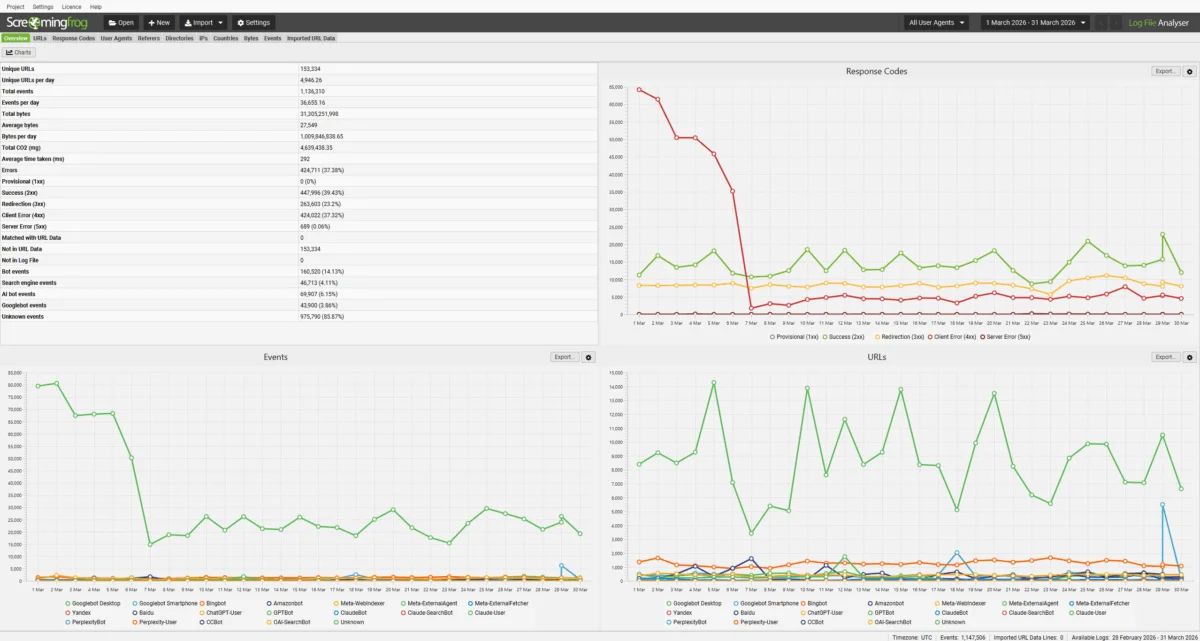
LONDON — In a move that reflects the rapidly shifting landscape of search engine optimization and automated web traffic, enterprise SEO staple Screaming Frog has officially announced the global release of its Log File Analyser 7.0.
Long heralded as an indispensable toolkit for webmasters, developers, and technical SEO professionals, the software allows users to ingest raw server log files, verify bot activities, and extract granular insights regarding how search engines interact with their digital infrastructure. However, as artificial intelligence fundamentally transforms how the web is consumed, indexed, and scraped, version 7.0 arrives with a heavy emphasis on AI bot oversight, deep customizability, and streamlined collaboration tools.
Alongside the primary 7.0 rollout, Screaming Frog also quietly pushed out a minor maintenance update—Version 7.1—on July 6, 2026, targeting minor bug fixes and platform stability.
Main Facts: What’s New in Version 7.0?
The latest iteration of the Log File Analyser is more than a routine maintenance patch; it introduces eight primary feature upgrades designed to address modern web auditing challenges.
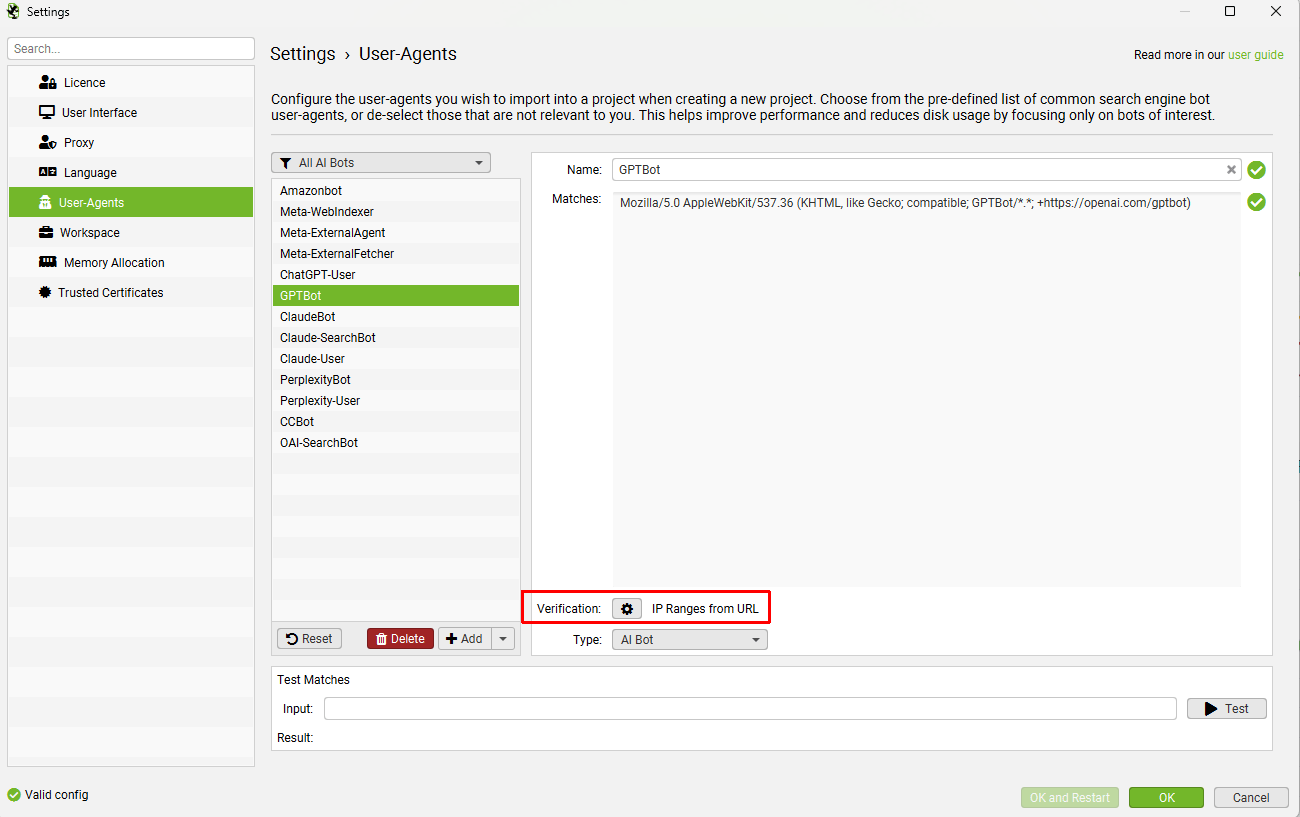
- AI Bot Verification: The software now applies cryptographic and network verification frameworks to AI crawlers, ensuring that site owners can definitively separate genuine AI traffic from spoofed user agents.
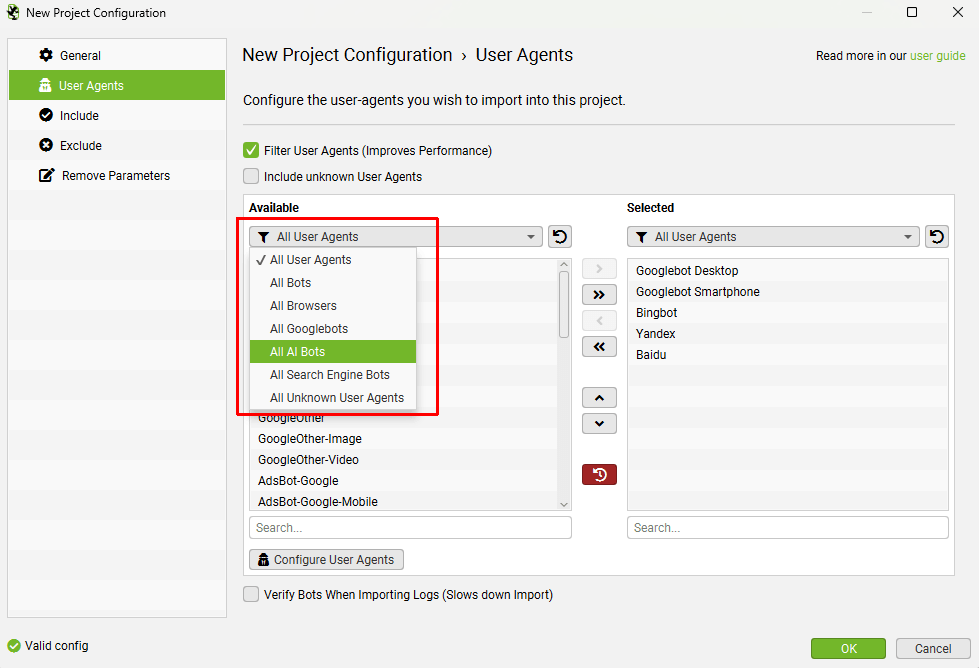
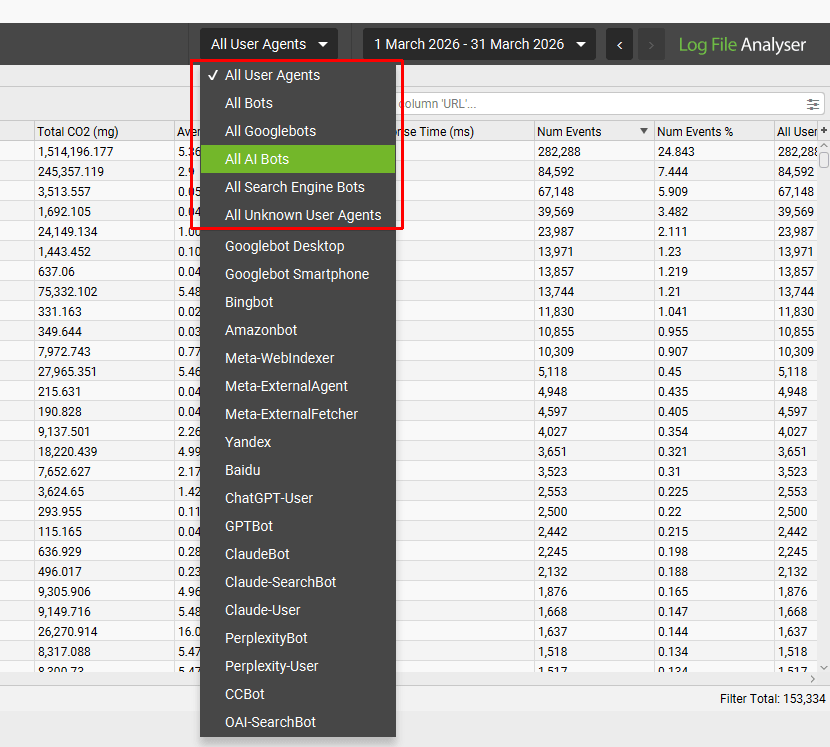
- User-Agent Groupings: Pre-configured bot categories—such as "All Search Bots" and "All AI Bots"—now allow for cleaner filtering and macro-level statistical analysis.
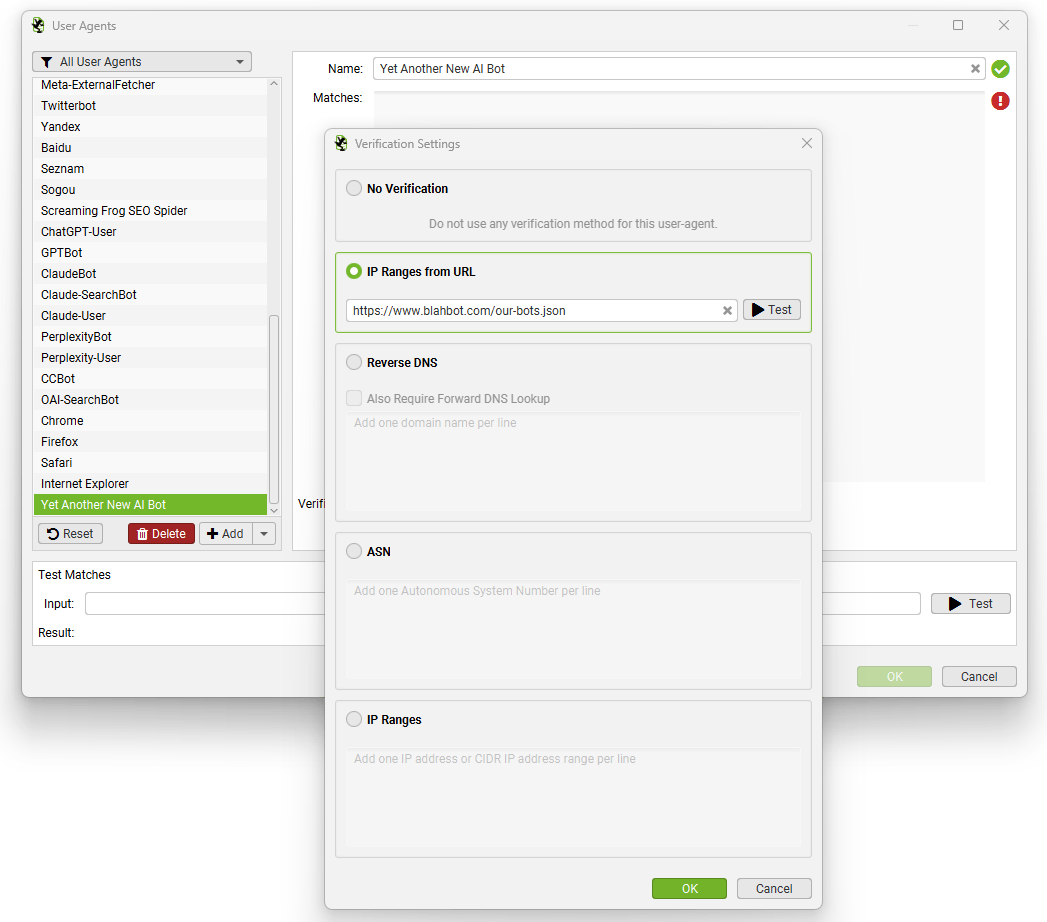
- Customisable Bot Verification: Users are no longer entirely dependent on software updates to track new bots; they can manually input JSON URLs, reverse DNS parameters, ASNs, or static IP ranges.
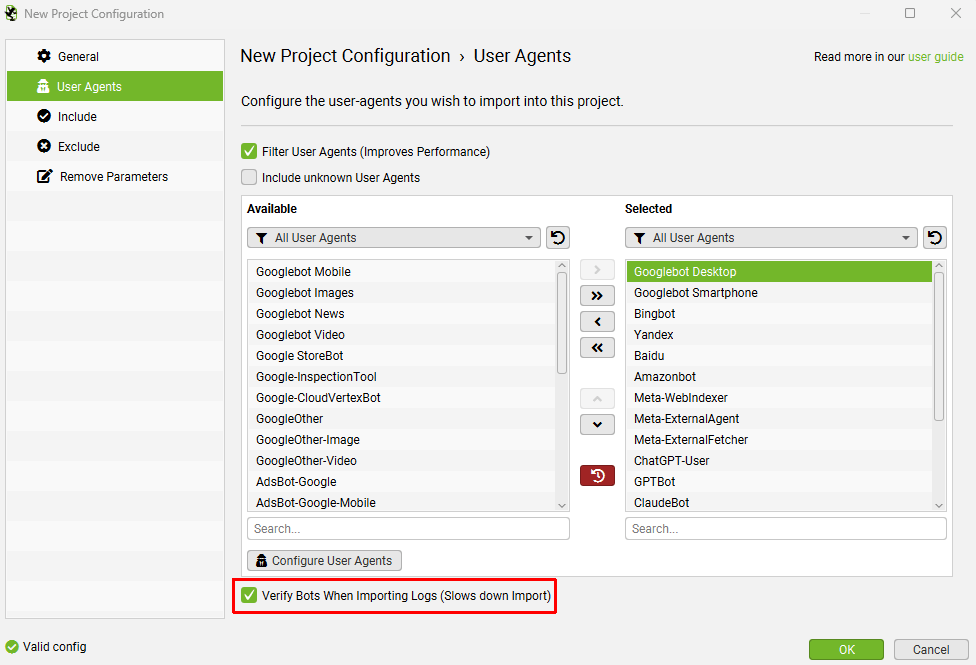
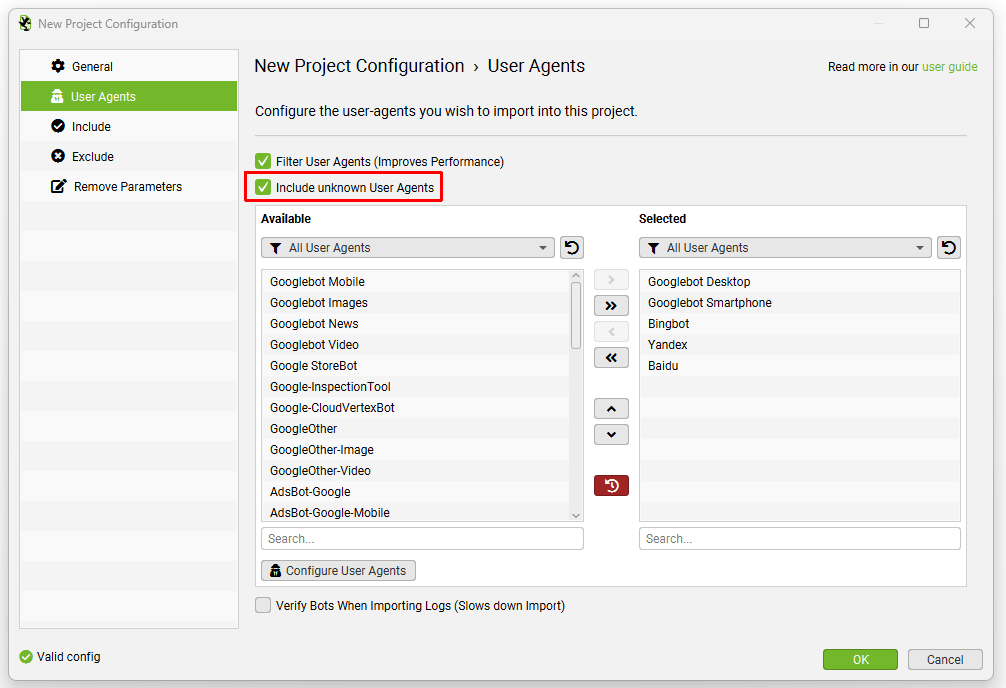
- Discovery of Unknown User Agents: A new toggle permits the capture and review of previously unidentified traffic, helping webmasters uncover unexpected scrapers or autonomous scripts.
- Project Import & Export: Projects can now be packaged, shared, and archived without forcing teams to re-process large raw log files.
- Direct Google Sheets Integration: Teams can export data straight to Google Drive alongside traditional CSV and Excel formats.
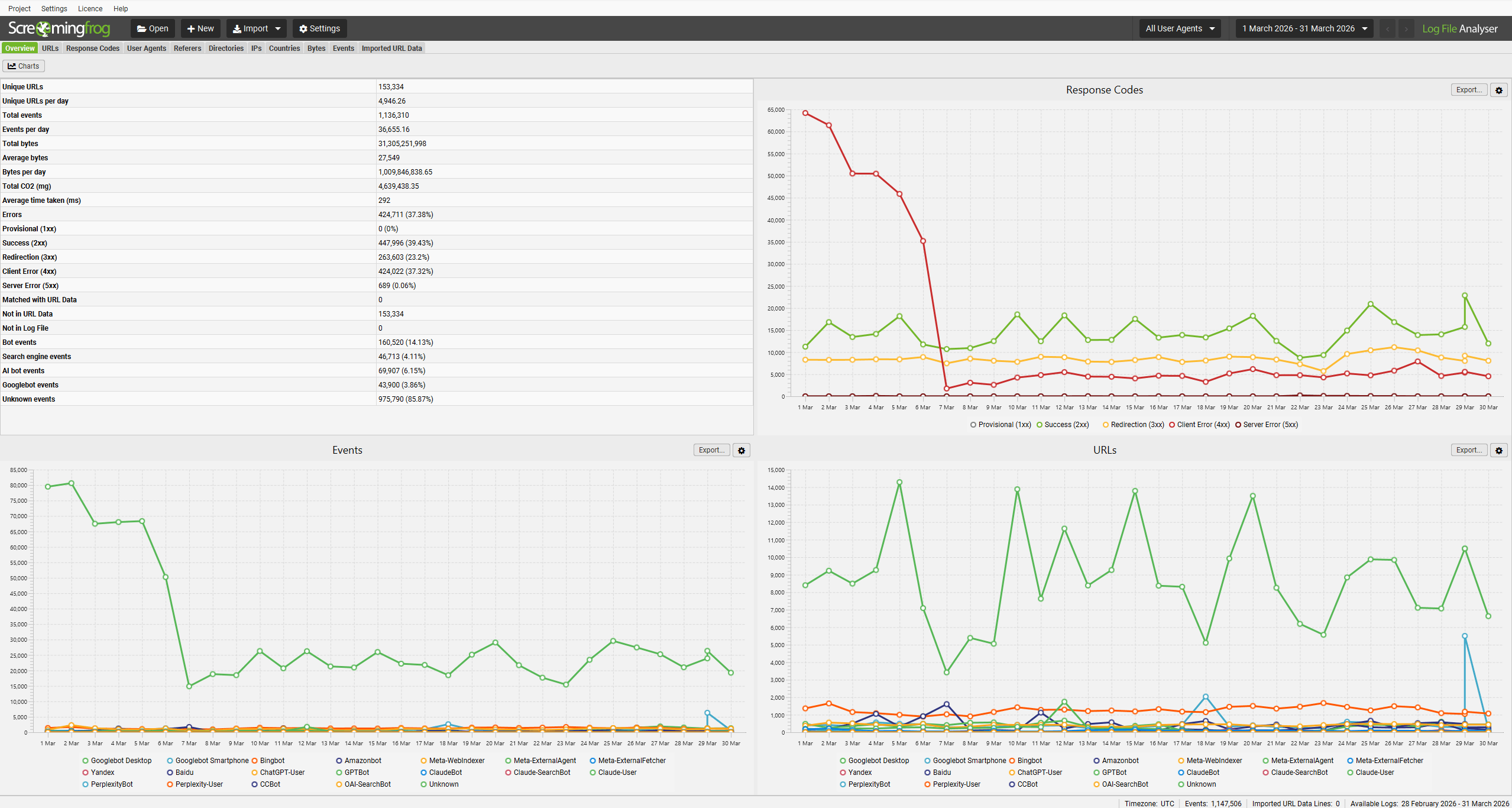
- Interactive Lower Time Series Charts: Granular data views let users visualize events, response codes, bandwidth usage, and latency fluctuations over time.
- Expanded Linux ARM Support: Dedicated packages for Ubuntu and Fedora on ARM architecture cater to modern enterprise hardware configurations.
Chronology and Development Timeline
The release of version 7.0 marks a significant milestone in Screaming Frog’s ongoing product lifecycle. Over the past several years, log file analysis has evolved from a niche technical task performed primarily during site migrations into a daily operational necessity. This shift has been driven largely by the proliferation of Large Language Models (LLMs) and generative AI retrieval systems, which query web pages at volumes that frequently rival traditional search engine spiders.
- Early Development & Internal Testing: Recognizing the surge in unrecognized AI scraping scripts, Screaming Frog engineering teams prioritized network-level bot verification protocols for non-traditional crawlers.
- Beta Iterations & Community Feedback: Power users and enterprise SEO agencies requested greater flexibility in managing custom user agents, leading to the development of customizable JSON-based verification rules and project portability features.
- Official 7.0 Release: The software launched globally in mid-2026, delivering high-performance visualization upgrades and native Google Sheets connectivity.
- Version 7.1 Deployment (July 6, 2026): A swift follow-up patch was deployed to iron out minor reporting discrepancies and enhance backend stability.
Supporting Data & Deep-Dive into Key Features
To fully appreciate the impact of Screaming Frog Log File Analyser 7.0, industry analysts must examine how its core functional pillars have evolved.
1. The Battle Against Bot Spoofing and AI Scraping
Historically, verifying search engine crawlers relied on checking reverse and forward DNS lookups against known IP blocks published by entities like Google and Bing. With the advent of artificial intelligence, hundreds of proprietary LLM scrapers have entered the ecosystem—some transparent, others deceptive.
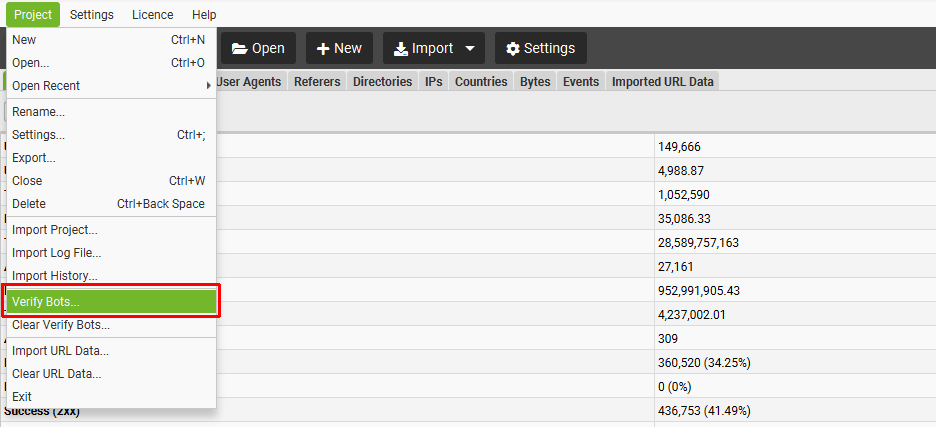
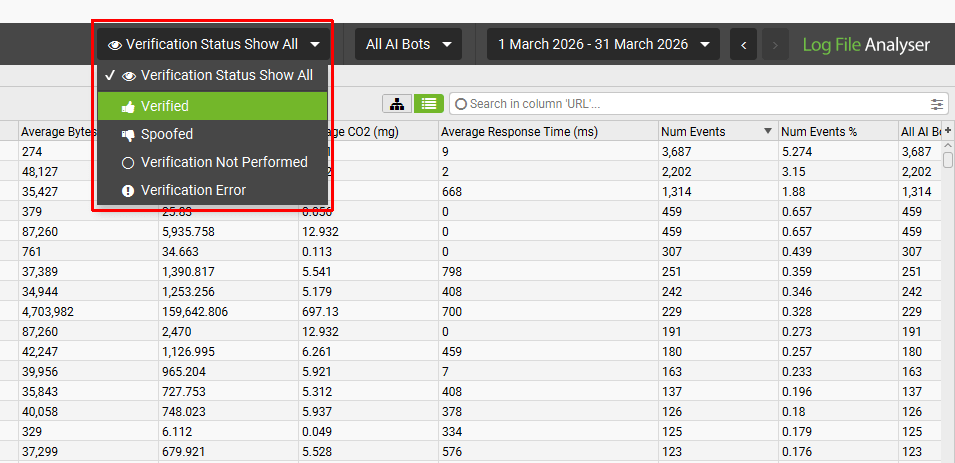
Version 7.0 introduces rigorous AI Bot Verification, ensuring that traffic self-identifying as an AI model can be checked against authentic network signatures during the initial import phase or via the Project > Verify Bots menu. If a script attempts to spoof an AI bot user-agent string, the Log File Analyser flags it under the "Verification Status" filter, giving security and SEO teams absolute clarity on who is consuming their server resources.
[Raw Server Logs]
       │
       ▼
[Import & Parse] ──> [AI Bot Verification Engine] ──> [Genuine vs. Spoofed Filter]
       │
       ▼
[User-Agent Grouping] ("All AI Bots" / "All Search Bots")
2. Streamlined Reporting and Granular Visualizations
Data portability has historically been a bottleneck for large SEO audits. By introducing Project Import and Export, Screaming Frog has eliminated the redundant overhead of re-analyzing gigabytes of raw log data when collaborating across distributed teams or archiving past audits.
Furthermore, the addition of Direct Google Sheets Export bridges a critical workflow gap. By permitting direct OAuth authorization to a user’s Google account, data can be piped straight into cloud-based dashboards without intermediate file conversions.
Complementing this is the brand-new Time Series Tab. Located at the bottom of various analytical screens, this interactive charting tool transforms static log data into dynamic chronological graphs. Users can toggle between:
- Total Event volume
- HTTP Response Code distributions (2xx, 3xx, 4xx, 5xx)
- Data transfer volume (Bytes)
- Average response and server latency times
SEO professionals can isolate a single problematic URL or select multiple endpoints for an aggregated view, instantly diagnosing infrastructure bottlenecks or sudden crawler drop-offs.
Official Responses and Developer Insights
In the official release notes, the Screaming Frog development team expressed gratitude to their user base for continuous feature requests and community feedback, explicitly acknowledging the changing demands placed on server infrastructures.
While maintaining their trademark humor—noting in their release documentation that their newly introduced Ubuntu and Fedora ARM packages will cause "at least three users to rejoice"—the company emphasized that the core philosophy of the software remains unchanged: transparency, speed, and absolute accuracy.
The team pointed out that as web architectures grow increasingly complex, relying solely on client-side JavaScript rendering checks is no longer sufficient. Server log files provide the ground truth of what search engines and AI agents actually experience when requesting a site.
Industry Implications: Why This Matters for SEO and Infrastructure Teams
The launch of Log File Analyser 7.0 arrives at a critical juncture for digital marketing and technical web management.
Managing Server Load and Budgeting Crawl Quotas
Websites with millions of pages frequently struggle with "crawl budget optimization." When AI scrapers and unverified bots consume server resources indiscriminately, site speed degrades, and search engine crawlers may fail to index fresh content efficiently. By grouping user agents into distinct categories—such as All Search Bots versus All AI Bots—engineers can view exact proportionality metrics on their Overview tab. If AI crawlers are found to be consuming 40% of a site’s daily bandwidth without providing traffic referral value, webmasters can make informed decisions about implementing rate-limiting or blocking strategies via robots.txt or firewall rules.
Uncovering Shadow Traffic
The inclusion of the "Include unknown User Agents" setting is another notable addition. By default, most tools filter out unrecognized strings to keep reports clean. However, turning this feature on exposes hidden automated agents, custom internal monitoring scripts, and undocumented scrapers. Security teams and technical auditors can review these unknowns, determine whether they pose a threat or present a growth opportunity, and manually add them to tracking lists or ban them outright.
Conclusion and Next Steps
Screaming Frog Log File Analyser 7.0 represents a mature, forward-looking tool built for an era where search engines and artificial intelligence bots dictate digital visibility. By combining rigorous bot verification, enterprise-grade project sharing, and intuitive time-series visual diagnostics, the software solidifies its position as an industry standard.
Existing users can upgrade immediately through the application interface, while new users can access documentation and tutorials—including the company’s famous guide on 22 ways to analyse log files for SEO—directly via the official Screaming Frog portal. As digital ecosystems continue to evolve, tools like version 7.0 ensure that web professionals retain total visibility over who is knocking at their digital door.