
Executive Summary: A Return to Volatility
India’s macroeconomic landscape is facing a renewed test of resilience as retail inflation is projected to surge to 5.47% in September, up significantly from the 4.82% recorded in August. This upward trajectory, underscored by a comprehensive analysis from Union Bank of India (UBI), marks a critical juncture for policymakers. The primary driver behind this sudden inflationary uptick is a rapid acceleration in food prices—a trend that threatens to push headline inflation well beyond the Reserve Bank of India’s (RBI) comfort threshold.
As the economy grapples with this surge, the specter of "sticky" inflation looms large, fueled by a convergence of climate-induced supply shocks, geopolitical uncertainties, and volatile commodity markets. This report delves into the mechanics of this price rise, the systemic factors at play, and the broader implications for the Indian consumer and the nation’s monetary policy.
Chronology of the Inflationary Surge
To understand the current economic environment, one must observe the trajectory of the past several months. The journey toward this September peak has been anything but linear:
- January 2026: Food inflation was relatively benign, recorded at 2.12%, suggesting a period of temporary stability.
- The Mid-Year Creep: Throughout the second quarter of 2026, inflationary pressures began to mount slowly, exacerbated by localized weather anomalies.
- August 2026: Retail inflation hit 4.82%, with food inflation sitting at 5.66%. Analysts at the time remained cautiously optimistic that the trend might stabilize.
- September 2026 (The Current Projection): Data indicates a sharp escalation, with food inflation expected to hit 7.35%. This jump represents a dramatic shift in just 30 days, signaling that the economy is struggling to absorb the compounding effects of supply-side disruptions.
Supporting Data: The Anatomy of the Price Rise
The UBI report provides a granular breakdown of the sectors contributing to this inflationary heat. The data suggests that this is not merely a seasonal fluctuation but a broad-based economic challenge.
1. The Vegetable Crisis
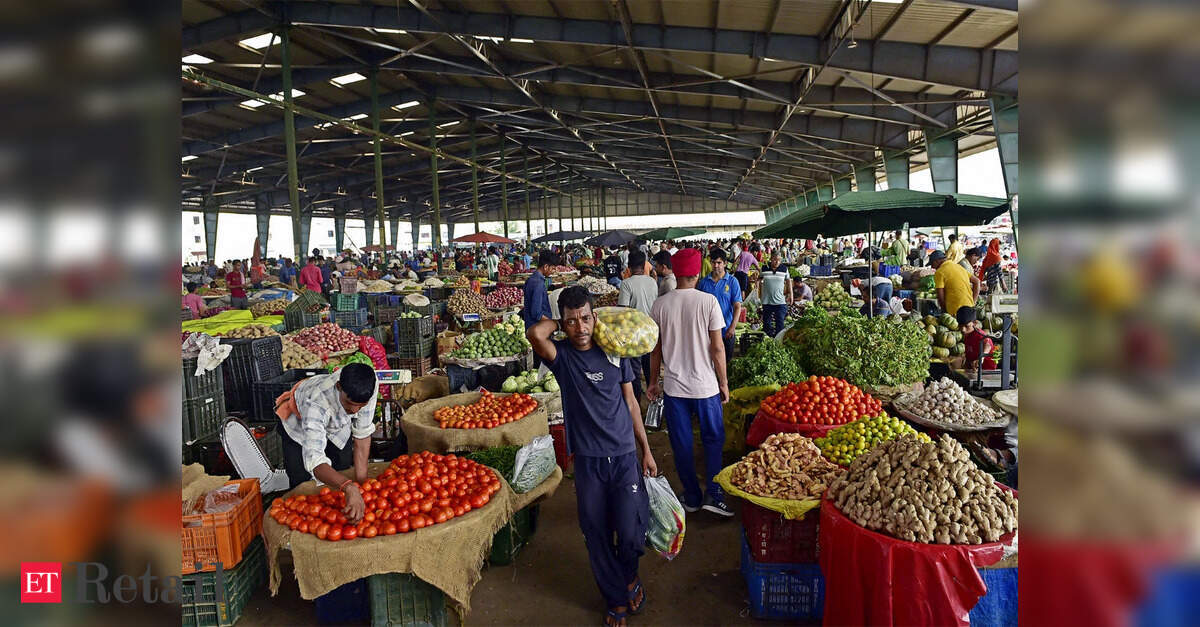
Vegetables have emerged as the primary antagonist in this inflation narrative. Inflation in this category is estimated to have skyrocketed from 0.99% in August to a staggering 9.34% in September. Data from the Department of Consumer Affairs highlights the role of specific perishables, most notably onions, which saw a 34% price hike during the month. This, coupled with volatility in other kitchen staples, has significantly eroded household purchasing power.
2. Beyond Vegetables: The Spread of Price Pressures
The inflationary contagion has moved beyond fresh produce into other essential categories:
- Cereals: Inflation is expected to rise from 2.82% in August to 3.75% in September.
- Pulses: Projected to increase from 3.06% to 4.19%.
- Essentials: Prices for sugar, edible oils, and milk—the building blocks of the Indian diet—remain "firm," suggesting that even if specific vegetable prices moderate, the baseline cost of living remains elevated.
3. Core Inflation Indicators
Perhaps most concerning is the slight uptick in core inflation—which excludes volatile food and fuel prices. Rising from 4.44% to 4.48%, this marginal increase suggests that price pressures are beginning to permeate the broader economy, moving from the farm gate to the manufacturing and services sectors.
Drivers of the Current Economic Environment
Why is India experiencing this sudden spike? The factors identified by the UBI report are multifaceted, linking domestic agricultural challenges to global economic currents.
The "Super El Niño" Effect
The report explicitly cites the occurrence of a "Super El Niño" as a primary destabilizer. This weather phenomenon has disrupted traditional rainfall patterns, leading to a southwest monsoon that concluded the June-September 2026 season with rainfall 13% below the long-period average.
Agricultural Stress
The cumulative impact of poor rainfall is visible in the nation’s reservoir levels, which stood at a concerning 72% in September, compared to 92% at the same time last year. Consequently, total kharif crop sowing is approximately 1% below the previous year’s levels, with paddy—a cornerstone of Indian food security—witnessing a nearly 3% decline in sowing.
Global Supply Chain and Energy Headwinds
The domestic crisis is compounded by external shocks:
- Geopolitical Conflict: War-led supply disruptions continue to inflate the cost of logistics and raw materials.
- Energy Costs: Sustained high energy costs are increasing the price of transporting and processing food goods.
- Technological Inputs: The rising cost of global chip prices is filtering into the economy, affecting everything from logistics automation to the manufacturing of consumer electronics, further straining the core inflation basket.
Official Perspectives and Monetary Implications
The persistence of food inflation, which has jumped from 2.12% in early 2026 to over 7% today, poses a direct challenge to the Reserve Bank of India’s (RBI) mandate.
The RBI Comfort Zone
The RBI targets headline inflation within a 4% (+/- 2%) band. A jump to 5.47% pushes the index toward the upper limit of the comfort zone, leaving the central bank with very little room for maneuver. While interest rate cuts are often desired to stimulate growth, the current inflationary climate makes such a move unlikely. Instead, the central bank may be forced to maintain higher interest rates for a longer duration to prevent inflation expectations from becoming entrenched.
The Risk of "Sticky" Inflation
The UBI report warns that the current inflation is becoming "sticky." When price increases become consistent across multiple categories—as seen with the simultaneous rise in cereals, pulses, and core goods—it indicates that supply shocks are successfully feeding into the wider inflation basket. This creates a feedback loop where businesses increase prices to protect margins and workers demand higher wages to keep pace with the cost of living, potentially leading to a wage-price spiral.

Broader Economic Implications
The economic repercussions of this inflationary spike are far-reaching, affecting both the common consumer and the industrial sector.
Impact on Consumer Sentiment
For the average Indian household, the rising cost of food is the most visible sign of economic strain. As a larger share of the household budget is diverted to basic necessities, discretionary spending—on items like clothing, entertainment, and durable goods—is expected to contract. This could dampen the retail sector’s growth trajectory, which has been a bright spot in India’s post-pandemic recovery.
Challenges for Industry
The retail industry, which relies heavily on stable demand, faces a dual threat. On one side, rising input costs (due to energy and commodity prices) are squeezing margins. On the other, declining consumer purchasing power threatens to lower sales volumes. Businesses must now navigate a complex environment where price sensitivity is at an all-time high.
Looking Ahead: The Policy Response
Moving forward, the government may need to consider targeted supply-side interventions. This could include:
- Strategic Stock Releases: Releasing buffer stocks of pulses and grains to cool market prices.
- Trade Policy Adjustments: Calibrating import duties on edible oils and other essential commodities to ease the burden on consumers.
- Enhanced Logistics: Focusing on cold-chain infrastructure to reduce post-harvest losses, which contribute significantly to the high cost of perishables.
Conclusion: A Delicate Balancing Act
The projected rise to 5.47% in retail inflation serves as a stark reminder of the vulnerability of the Indian economy to environmental and geopolitical shocks. As the nation moves into the final quarter of 2026, the focus will shift to how effectively the government and the central bank can mitigate these supply-side pressures.
The "sticky" nature of the current inflation suggests that the road back to the 4% target will be arduous. For industry leaders, investors, and policymakers alike, the coming months will require a cautious, data-driven approach to navigate a period defined by climatic uncertainty and global economic instability. The resilience of the Indian consumer, while strong, is being tested, and the efficacy of upcoming monetary and fiscal policies will be the ultimate determinant of whether this spike remains a temporary bump or becomes a defining trend for the remainder of the fiscal year.