










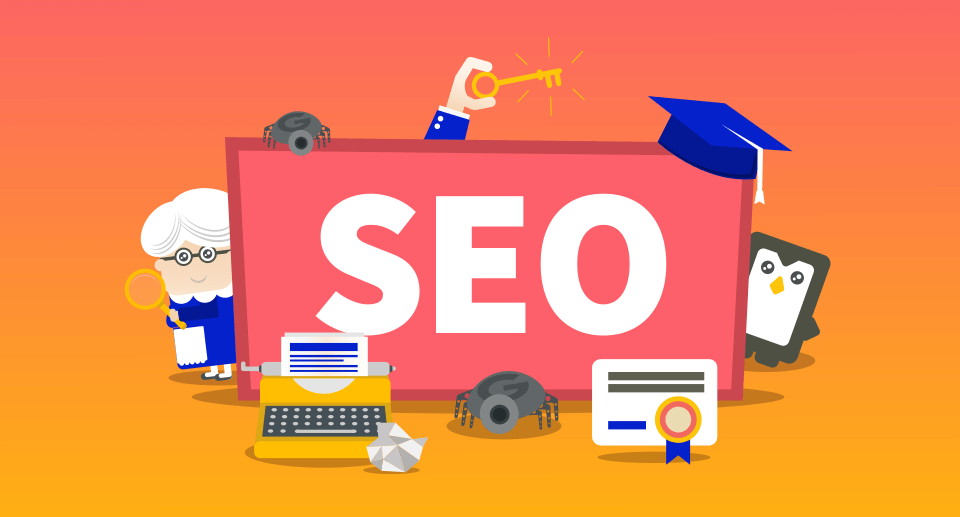
In the sprawling landscape of the internet, where billions of web pages compete for a sliver of user attention, visibility is the ultimate currency. Search Engine Optimization (SEO) has evolved from a rudimentary technical checklist in the 1990s into a sophisticated, multifaceted discipline that sits at the intersection of data science, creative content, and user experience.
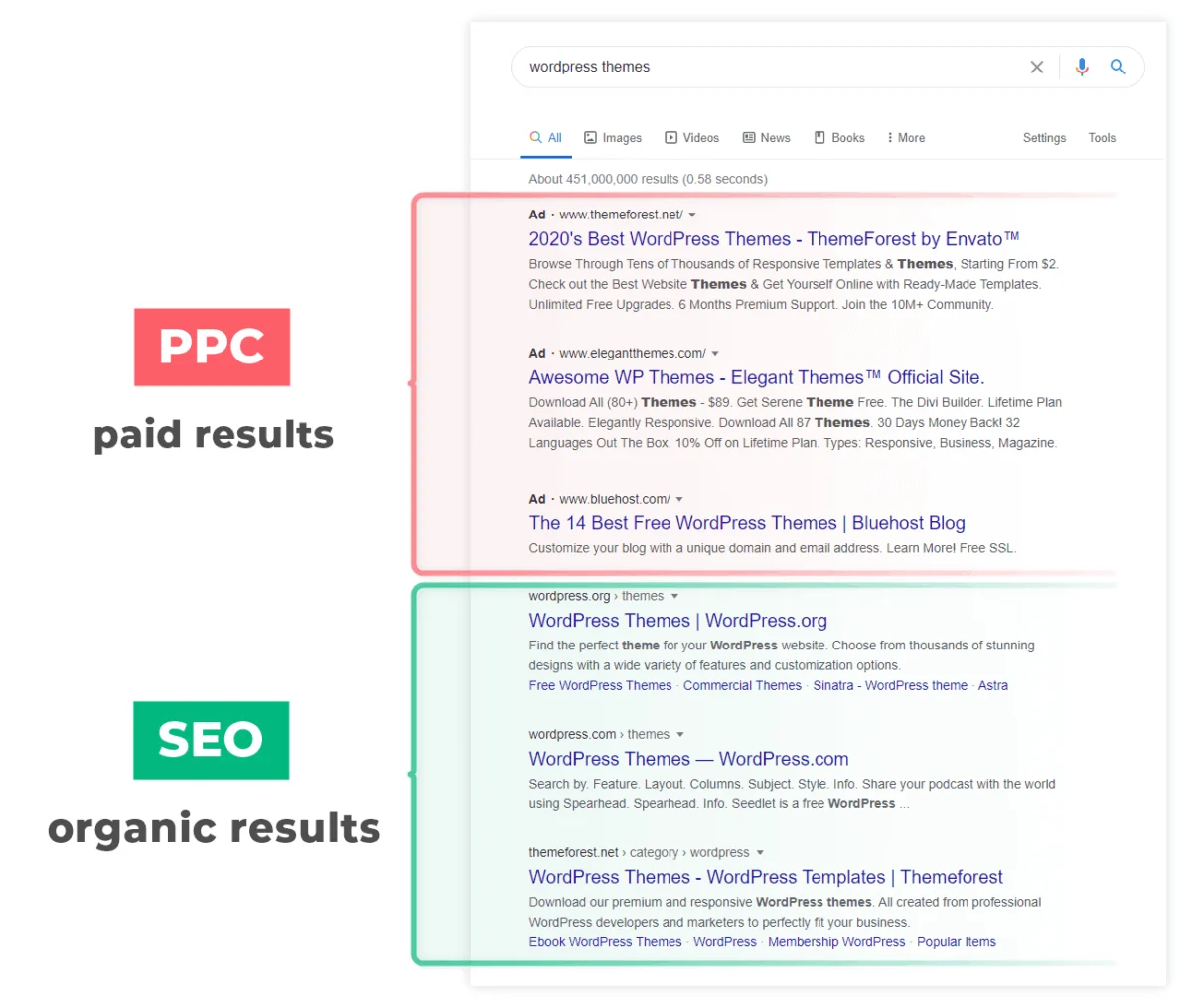
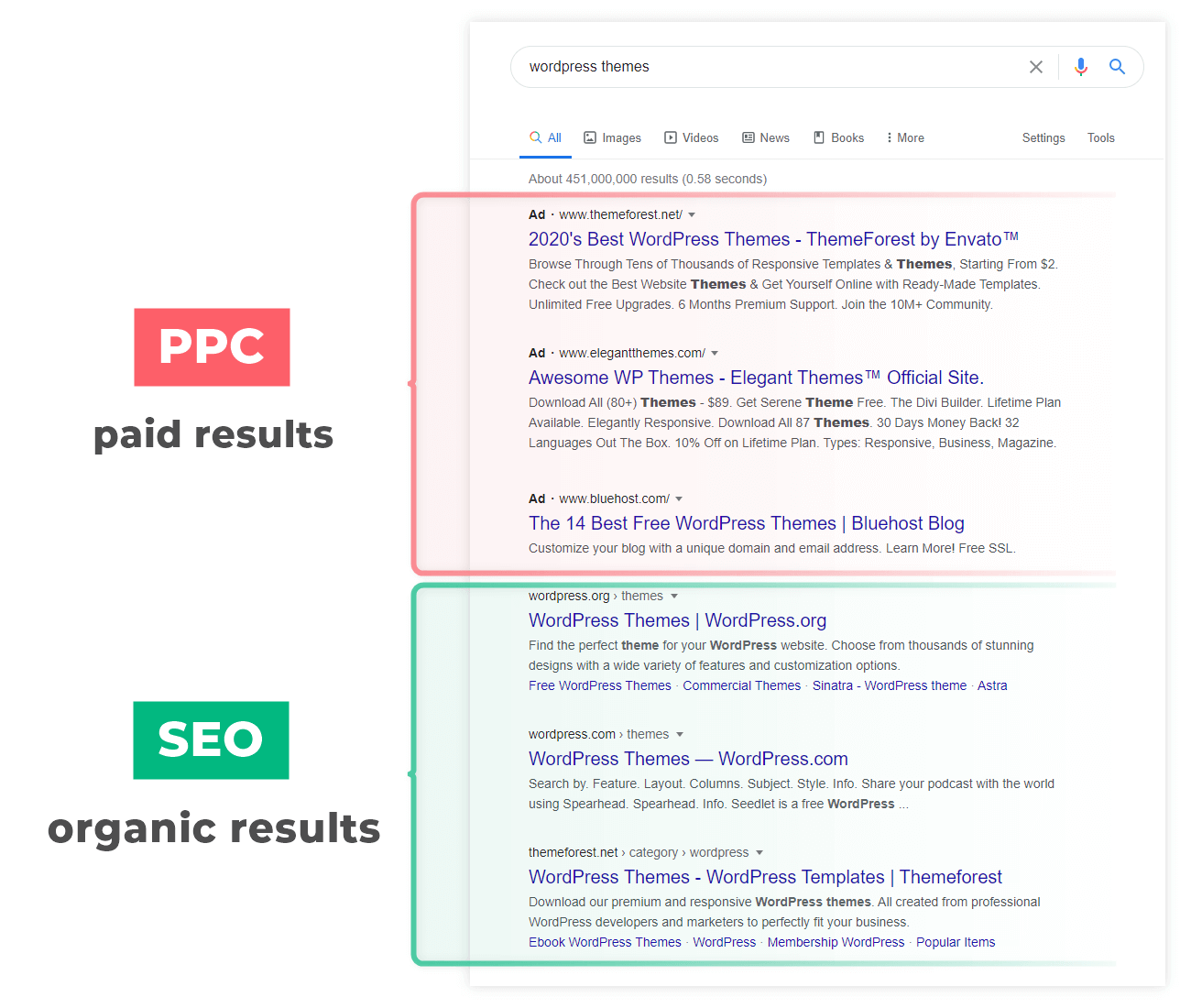
At its core, SEO is the strategic process of refining your website to improve its ranking in organic—non-paid—search results. Unlike Pay-Per-Click (PPC) advertising, which guarantees placement through financial investment, SEO is a long-term play that builds enduring authority, trust, and a sustainable pipeline of targeted traffic.
The Evolution of Search: A Brief Chronology
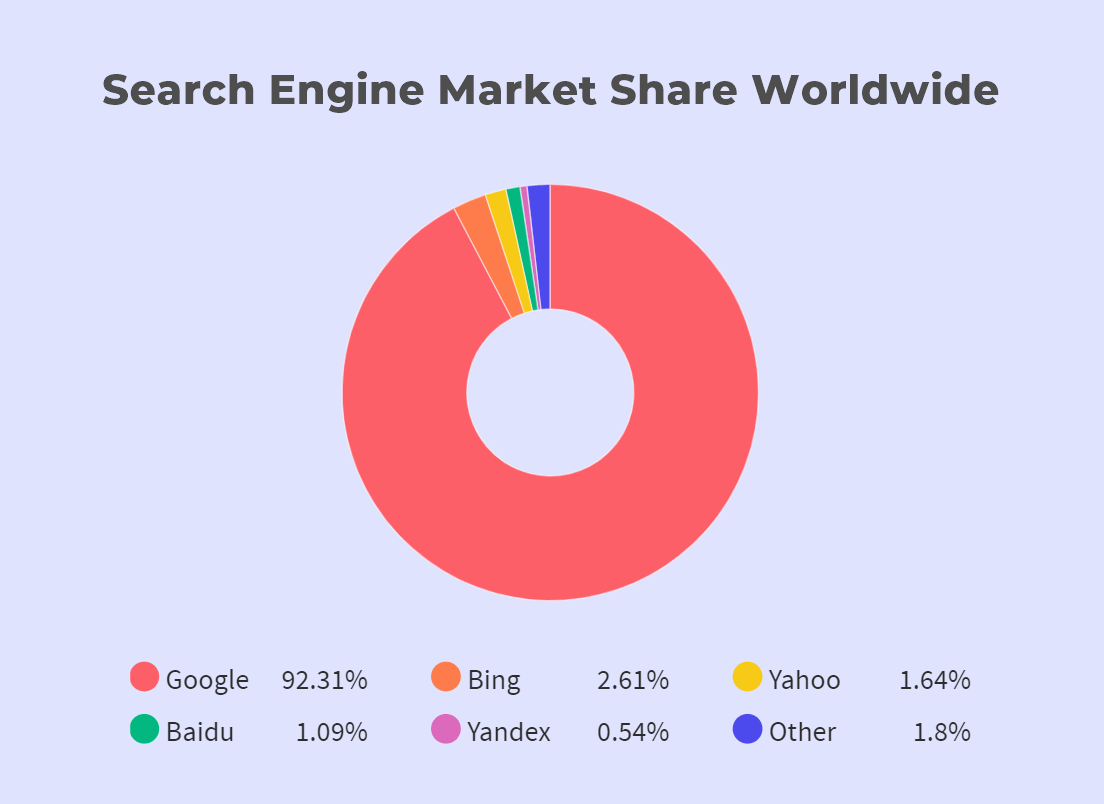
The history of SEO is the history of the search engine itself. In the early 90s, search engines were primitive indexers that relied almost entirely on keyword density—the frequency of words on a page. This led to "keyword stuffing," a practice that degraded user experience.
As Google emerged as the dominant force, the algorithm shifted. The introduction of PageRank—an innovation that treated backlinks like academic citations—marked a turning point. It suggested that if reputable websites linked to yours, your content likely held merit. Today, we have moved into the "Machine Learning Age." Google’s algorithms, such as BERT and various core updates, now prioritize "user intent" over simple keyword matching. The search engine is no longer just reading text; it is attempting to understand the nuance of human queries.
The Pillars of the "SEO Soup"
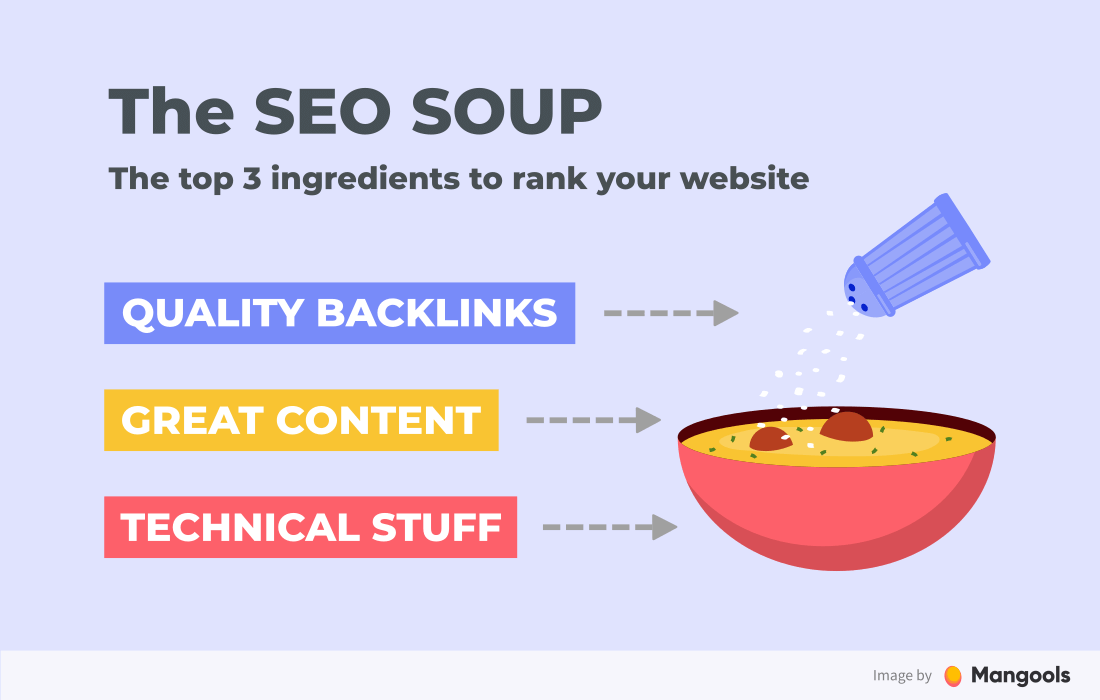
To succeed in modern search, one must balance three core ingredients, often referred to as the "SEO Soup":
- Technical SEO: Ensuring the search engine can effectively crawl and index your site.
- On-Page Content: Providing relevant, high-quality answers to user queries.
- Off-Page Authority: Establishing trust through backlinks and social signals.
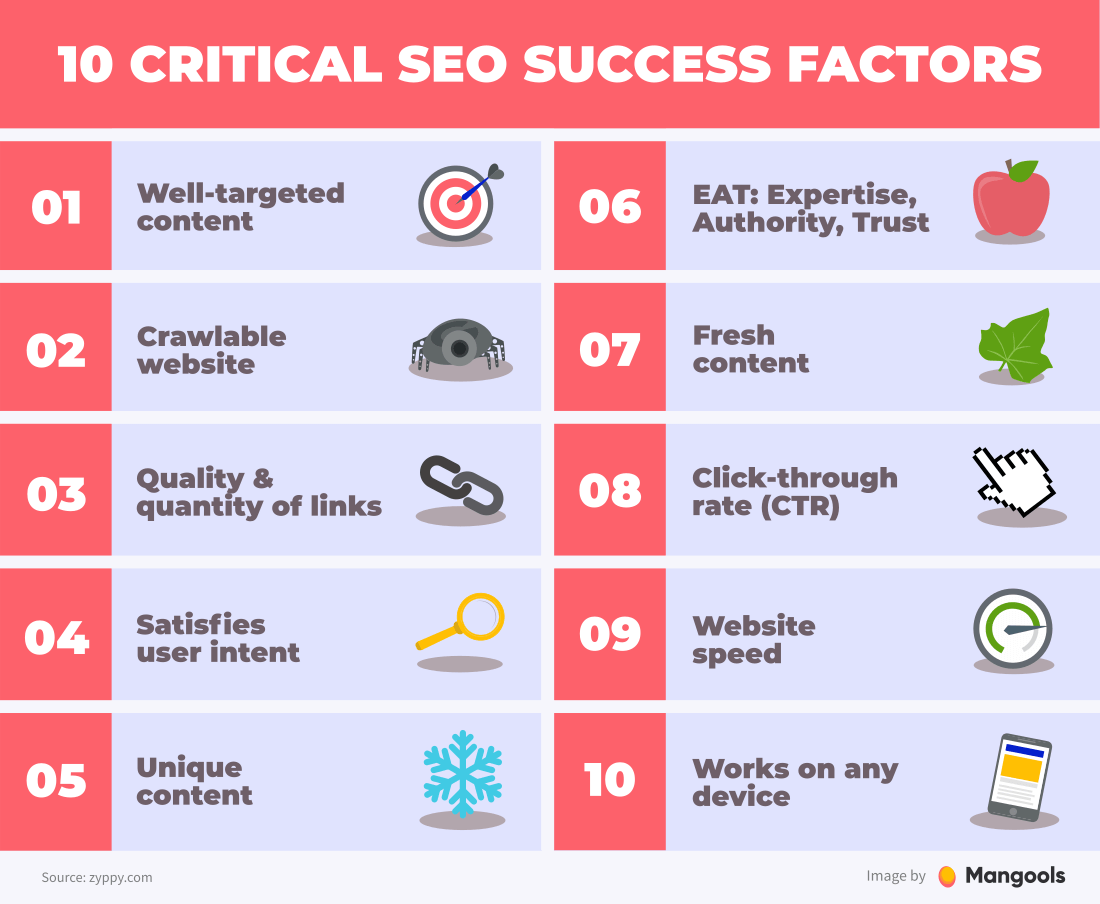
If you neglect any of these, the "soup" lacks flavor. For example, a technically perfect website with thin, irrelevant content will never rank; conversely, brilliant content on a site that takes 10 seconds to load will be penalized by Google’s core web vitals requirements.
How Search Engines Work: The Four-Step Process
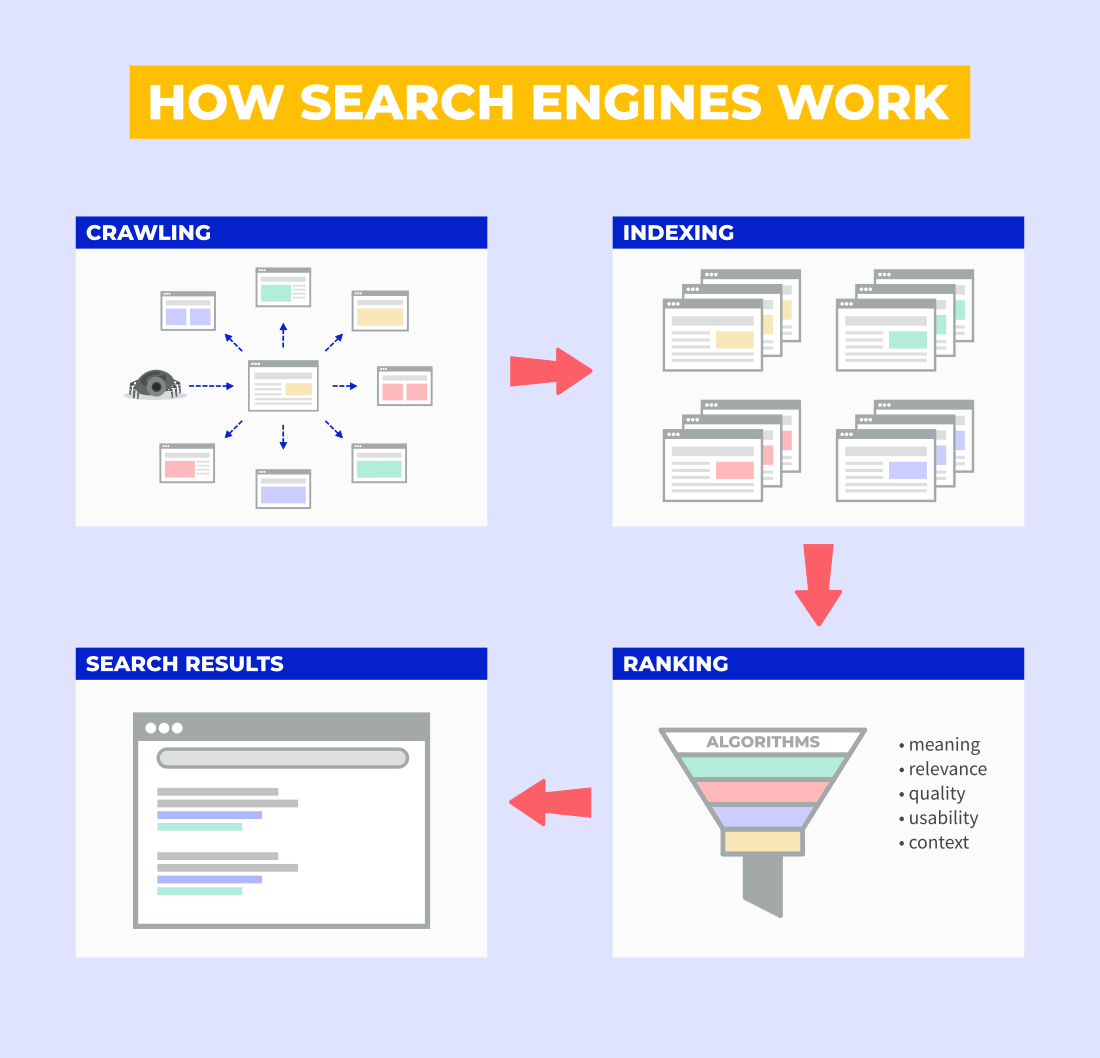
Understanding the journey of a search result is critical for any webmaster. The process can be broken down into four distinct phases:
1. Crawling
Search engines deploy automated "bots" or "spiders" to scan the internet. These crawlers follow hyperlinks from page to page, discovering new content and updating their records of existing pages.
2. Indexing
Once crawled, the information is analyzed, categorized, and stored in a massive, global library. If your page isn’t in this index, it essentially does not exist for the search engine.

3. Picking Results (The SERP)
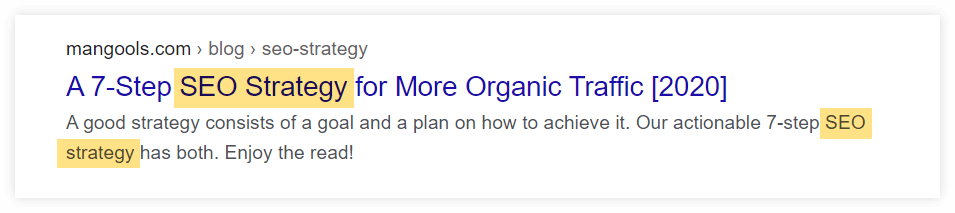
When a user submits a query, the search engine searches its index and pulls the most relevant results, displaying them on a Search Engine Results Page (SERP).
4. Ranking
This is the "secret sauce." Algorithms analyze hundreds of factors—from mobile-friendliness and site speed to content depth and user engagement—to determine the order in which pages appear.
The Strategy: Keyword Research and Content Intent
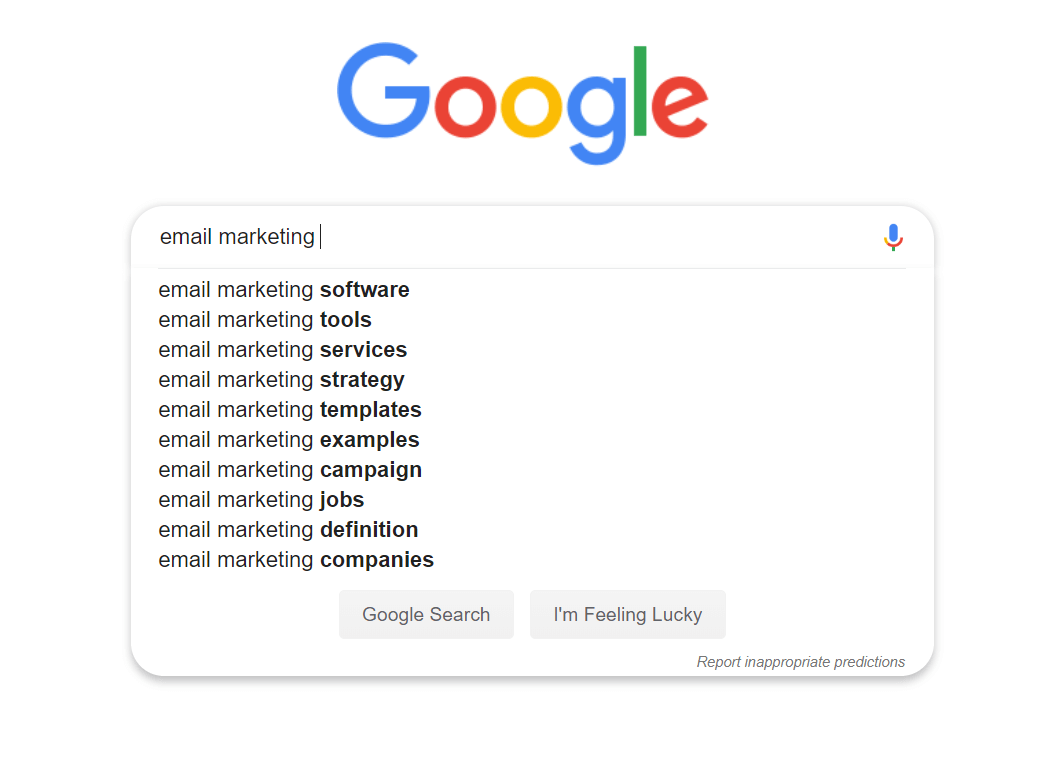
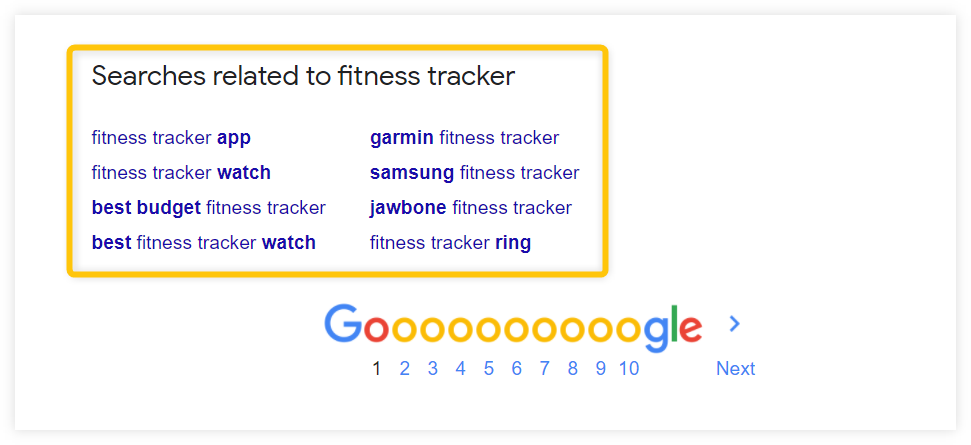
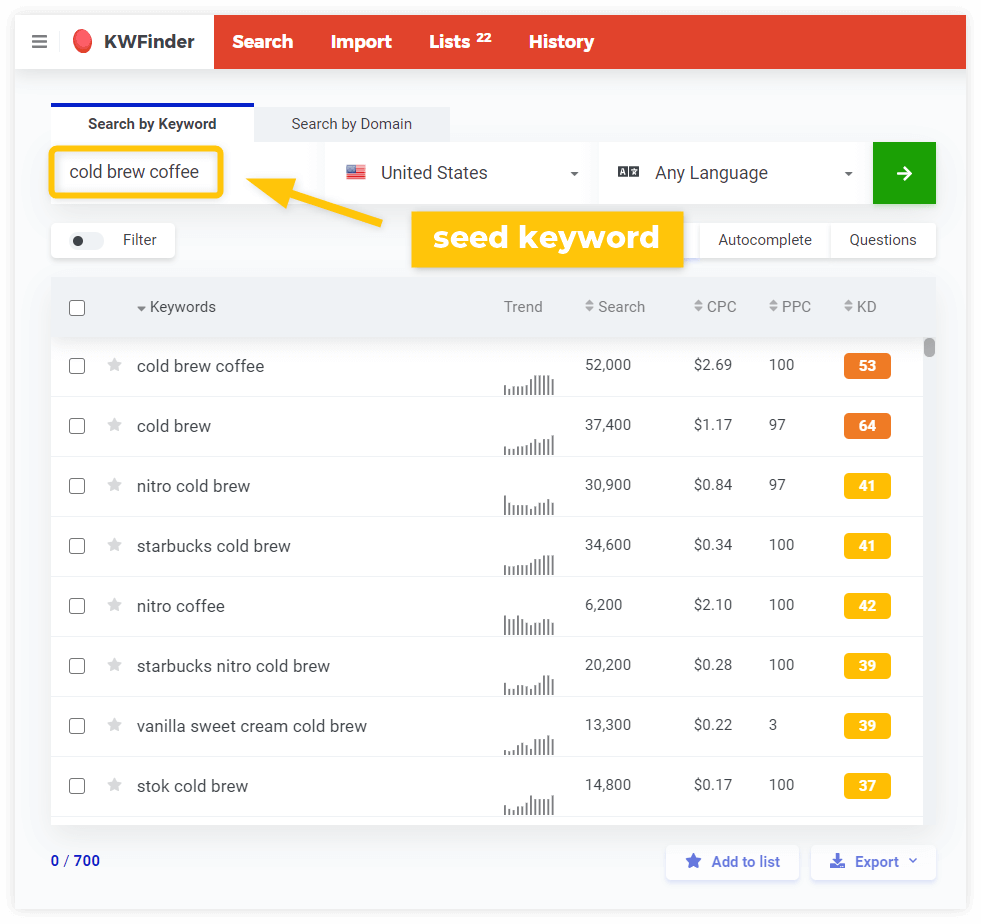
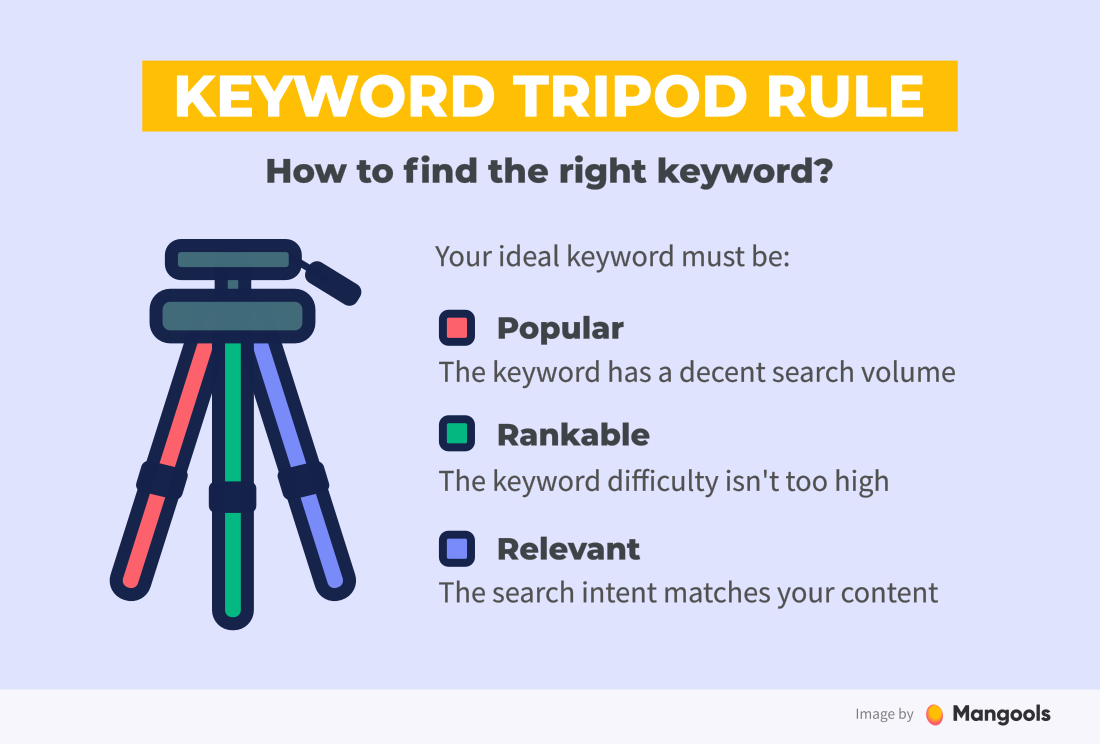
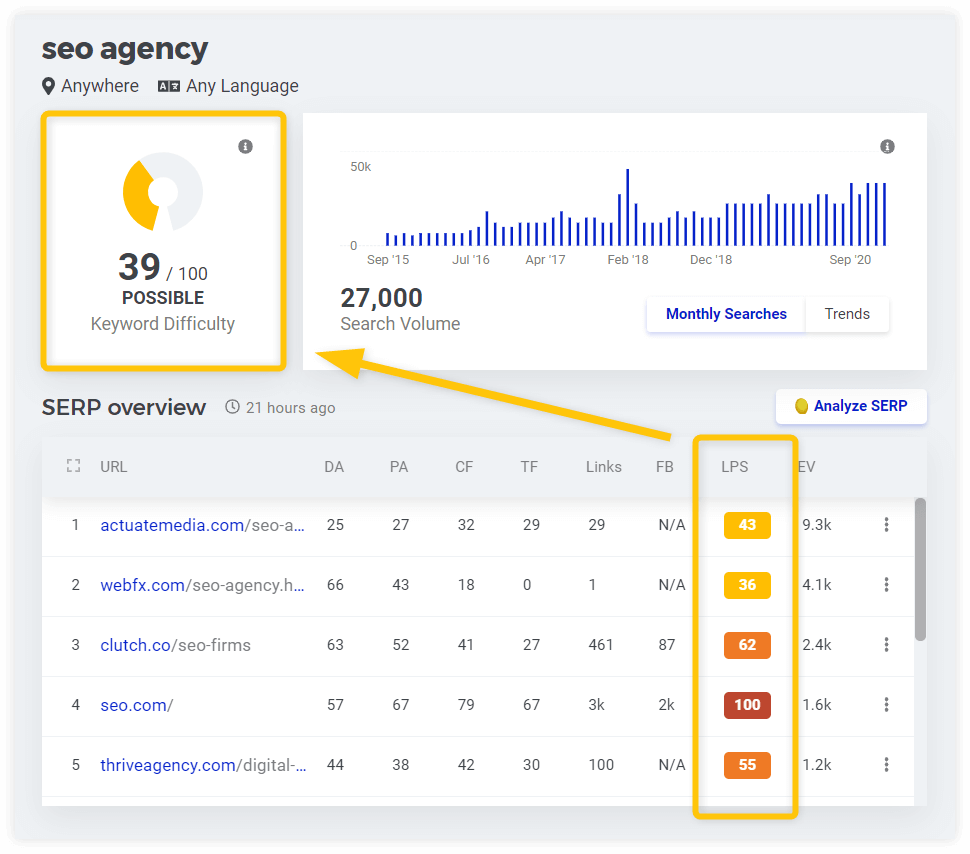
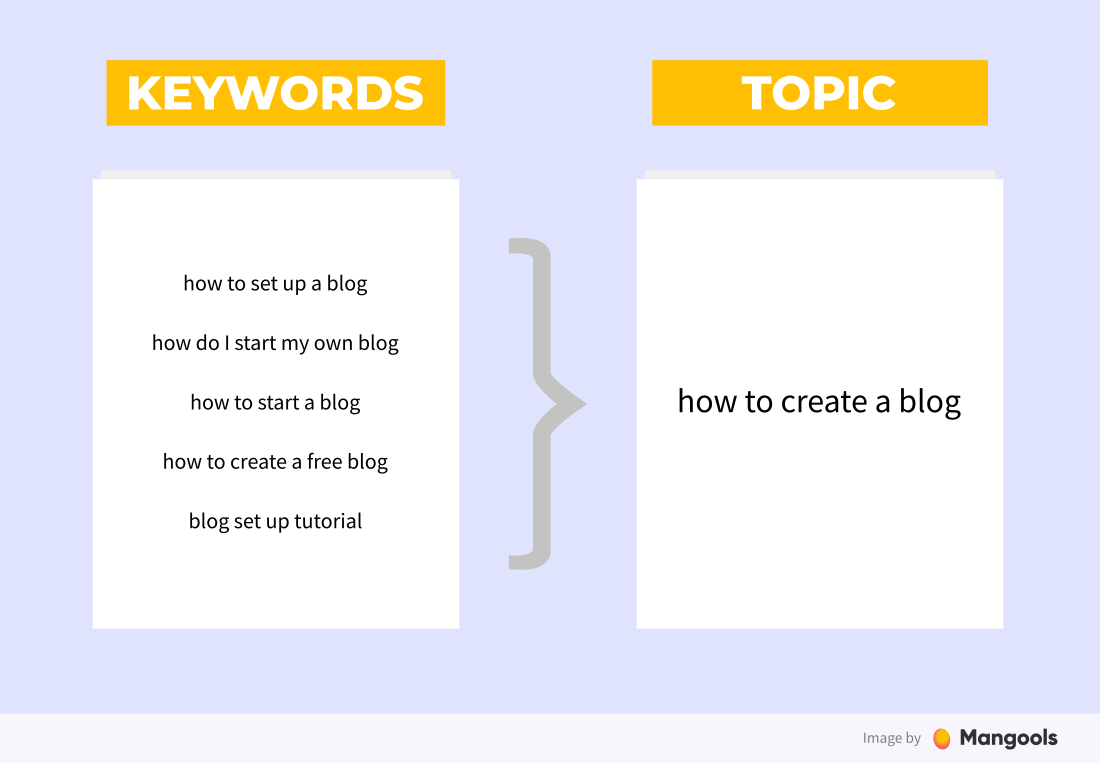
Keyword research is the foundation of any SEO campaign. However, the days of searching for "high volume" terms and stuffing them into a page are over. Modern keyword research is about Intent.
Understanding Search Intent
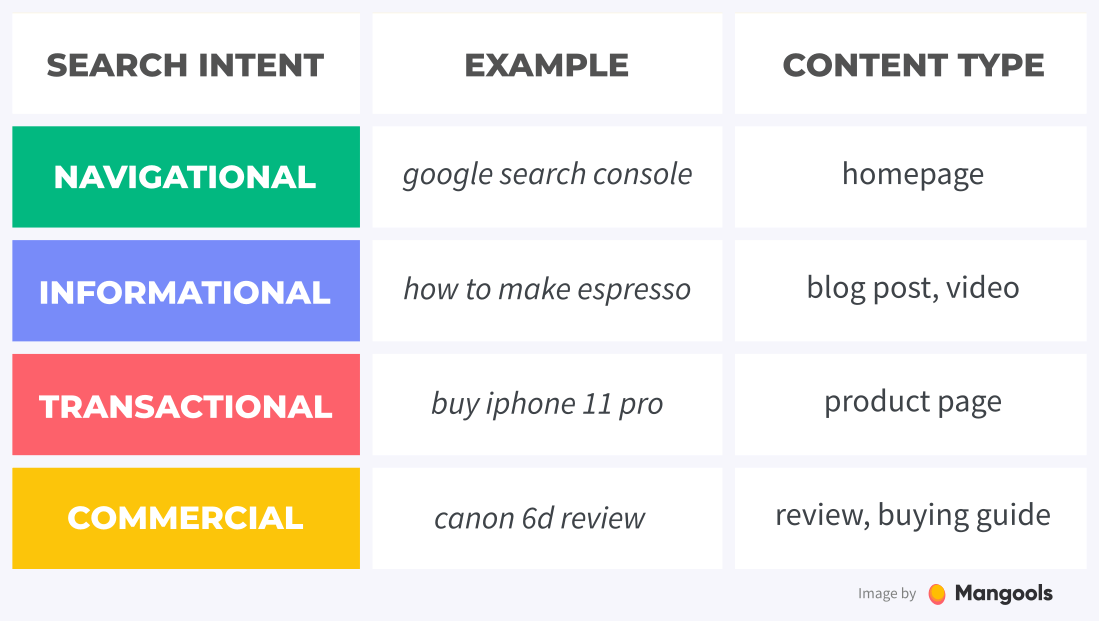
Google categorizes queries into four distinct types:
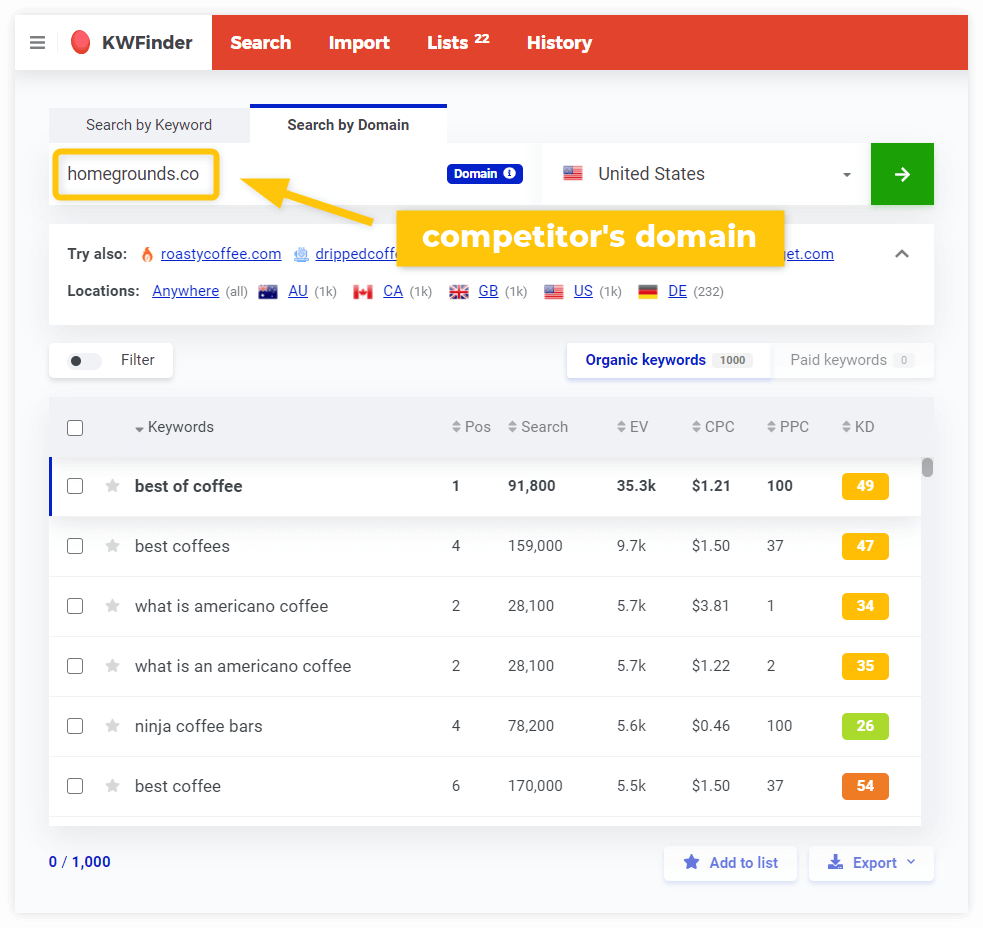
- Informational: Users want to learn something (e.g., "how to brew coffee").
- Navigational: Users are looking for a specific website (e.g., "Facebook login").
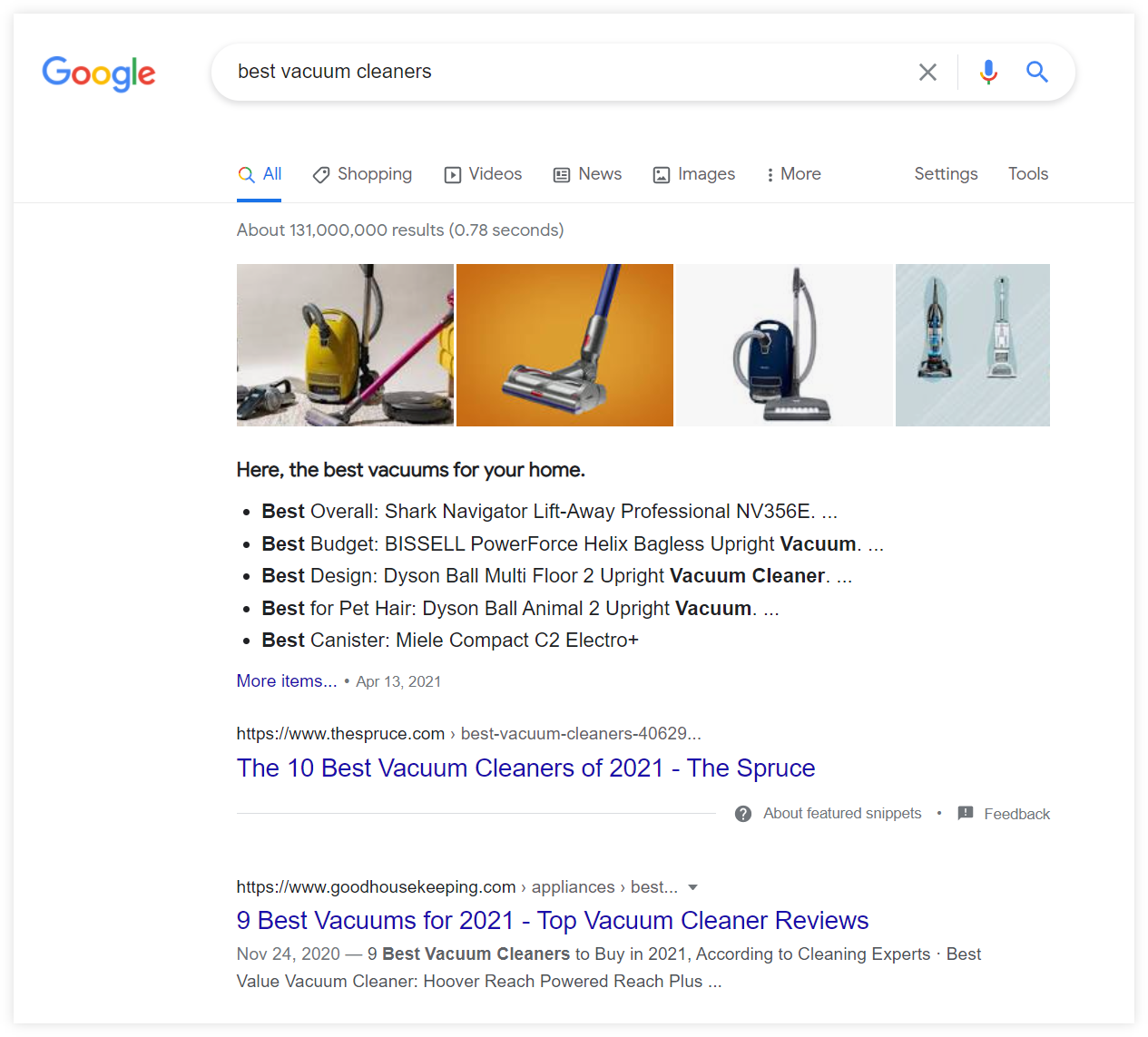
- Commercial: Users are researching a product but haven’t decided yet (e.g., "best espresso machine").
- Transactional: Users are ready to buy (e.g., "buy Breville espresso machine").
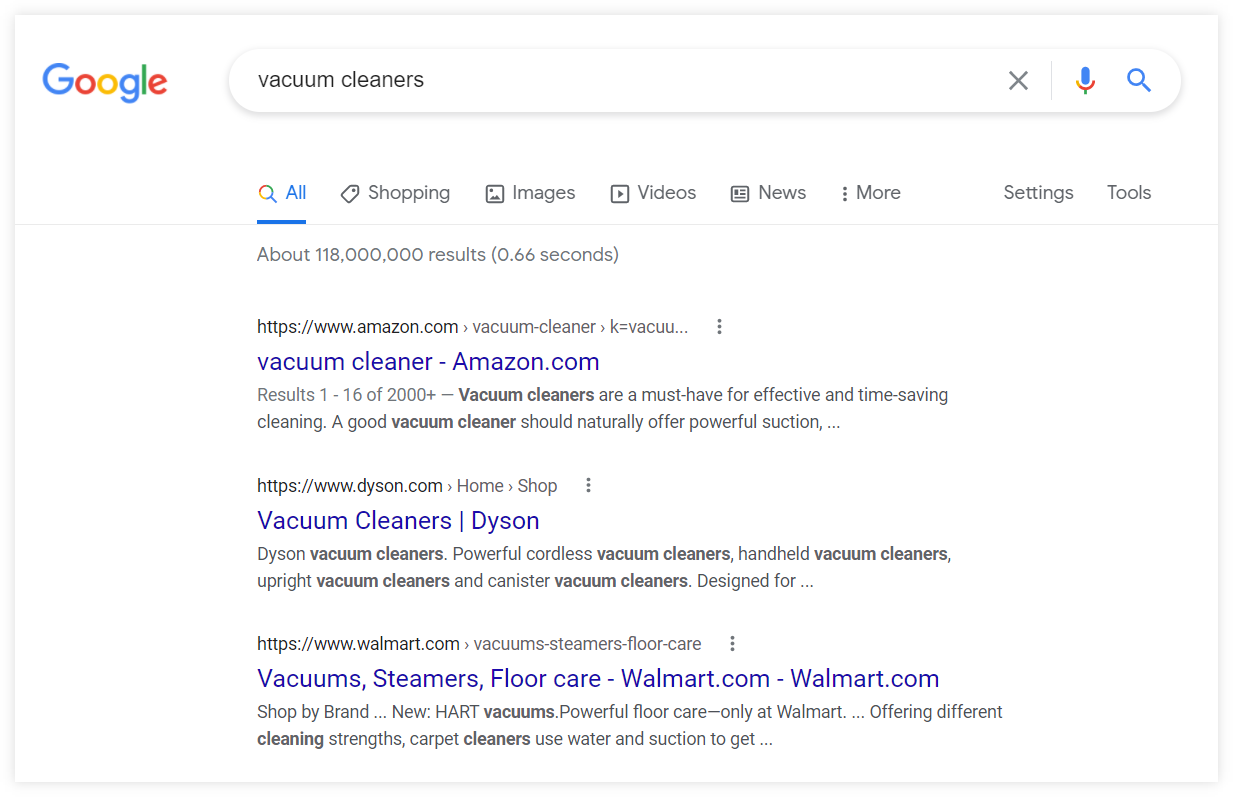
If you optimize a transactional product page for an informational keyword, you will fail. Google’s algorithms are now sophisticated enough to see that users searching for "how-to" guides are not looking for a "buy now" checkout page.
Technical SEO: The Silent Foundation
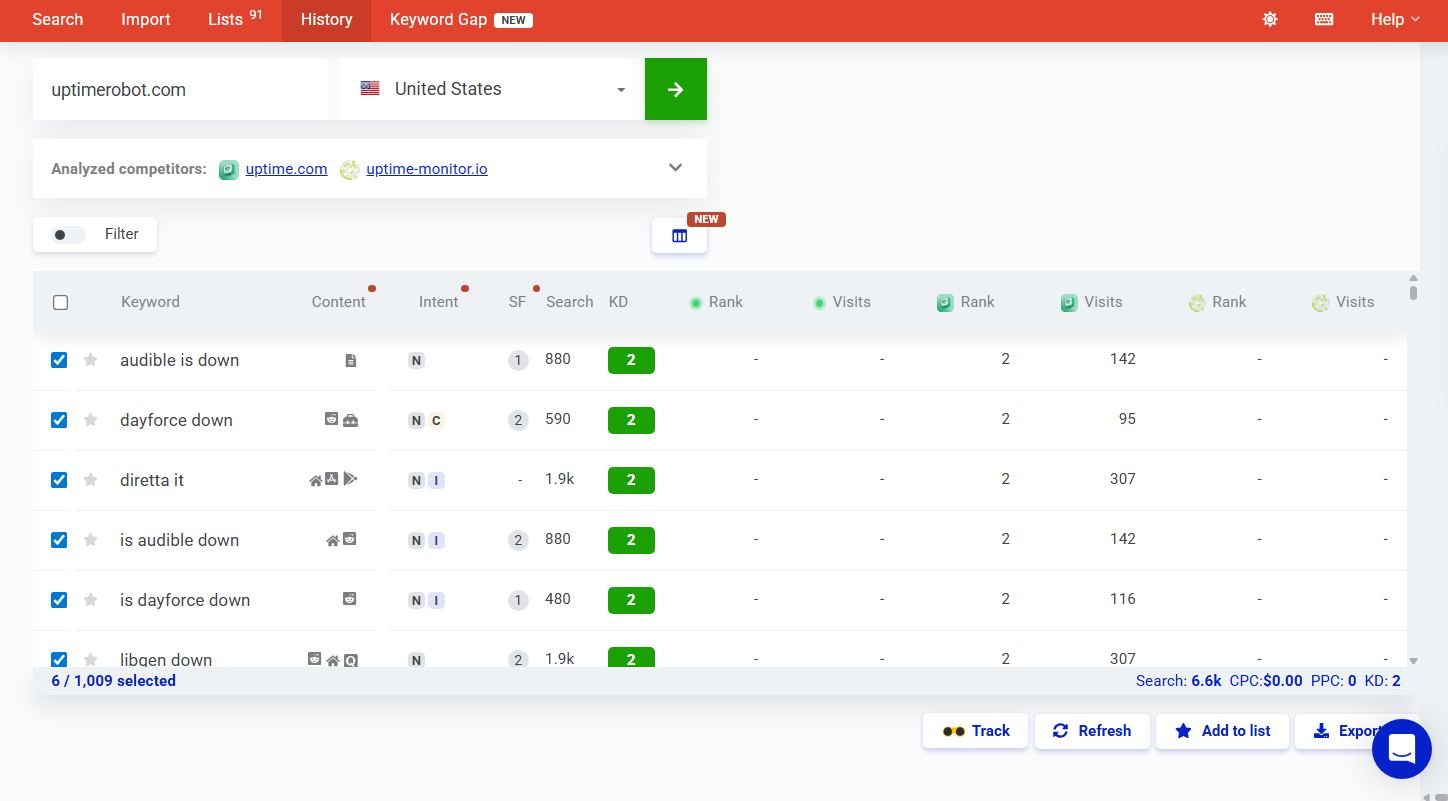
Even the most compelling content will fail if the technical foundation is broken. Technical SEO covers the "under-the-hood" elements that facilitate crawlability and user experience.
Mobile-First Indexing
Since 2019, Google has moved to mobile-first indexing. This means the mobile version of your site is the one that is primarily indexed and ranked. If your mobile site is a "stripped-down" version of your desktop site, or if it is unresponsive, you are actively losing rankings.
Page Speed as a Ranking Signal
In a world of sub-three-second attention spans, speed is everything. Google has confirmed page speed as a ranking signal. Key optimization strategies include:
- Caching: Storing static versions of your site to reduce server load.
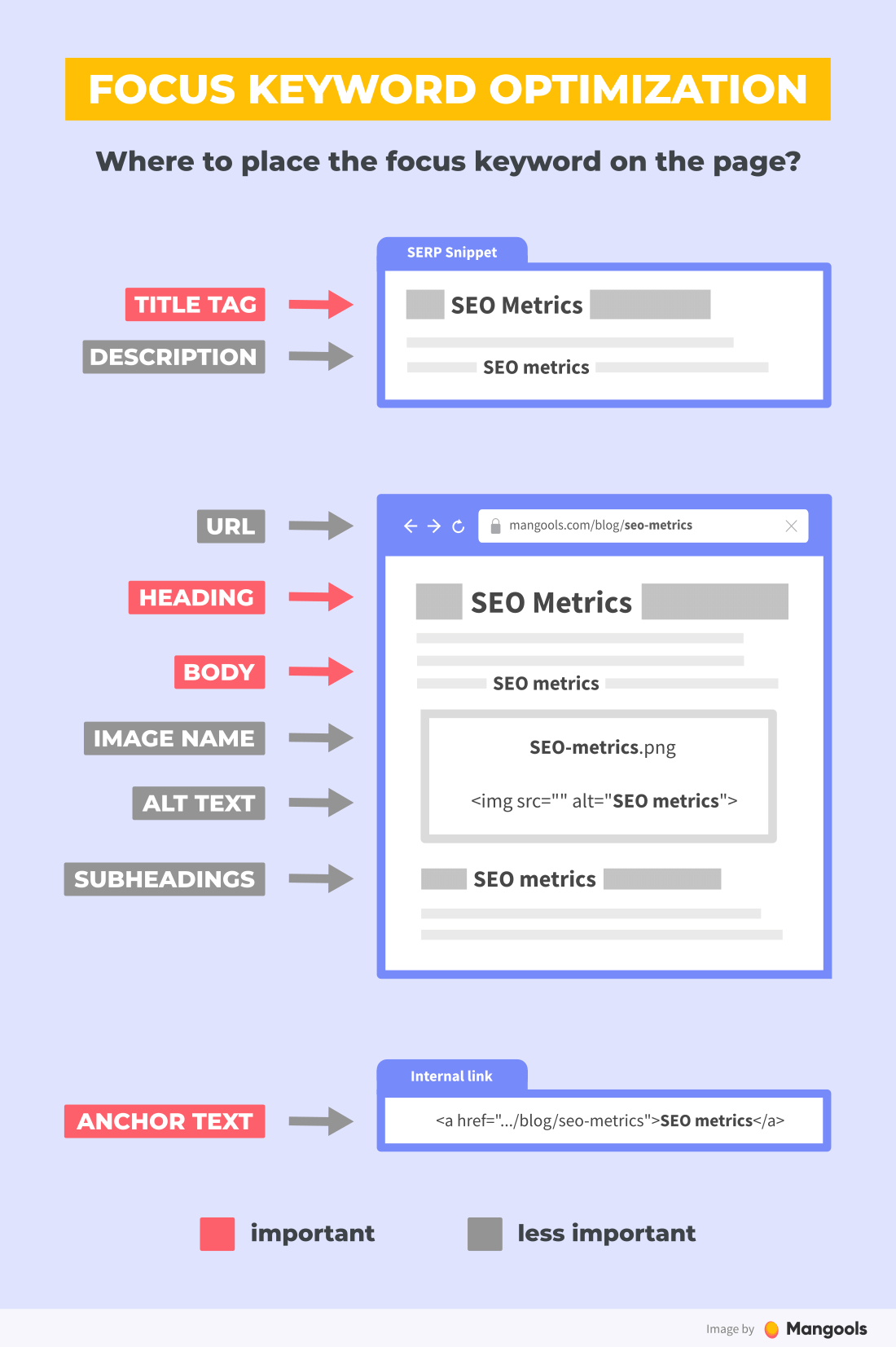
- Image Optimization: Resizing images and using next-gen formats like WebP.
- Minimizing Third-Party Scripts: Reducing the number of external trackers and ads that drag down loading times.
HTTPS and Security
The use of an SSL certificate (HTTPS) is no longer optional. It is a fundamental trust signal. Insecure sites often display a "Not Secure" warning in browsers, which causes an immediate spike in bounce rates and serves as a negative signal to search engines.
Off-Page SEO: Building Authority
If on-page SEO is about what you say, off-page SEO is about what others say about you. Backlinks remain the most potent signal of authority.

The Quality vs. Quantity Dilemma
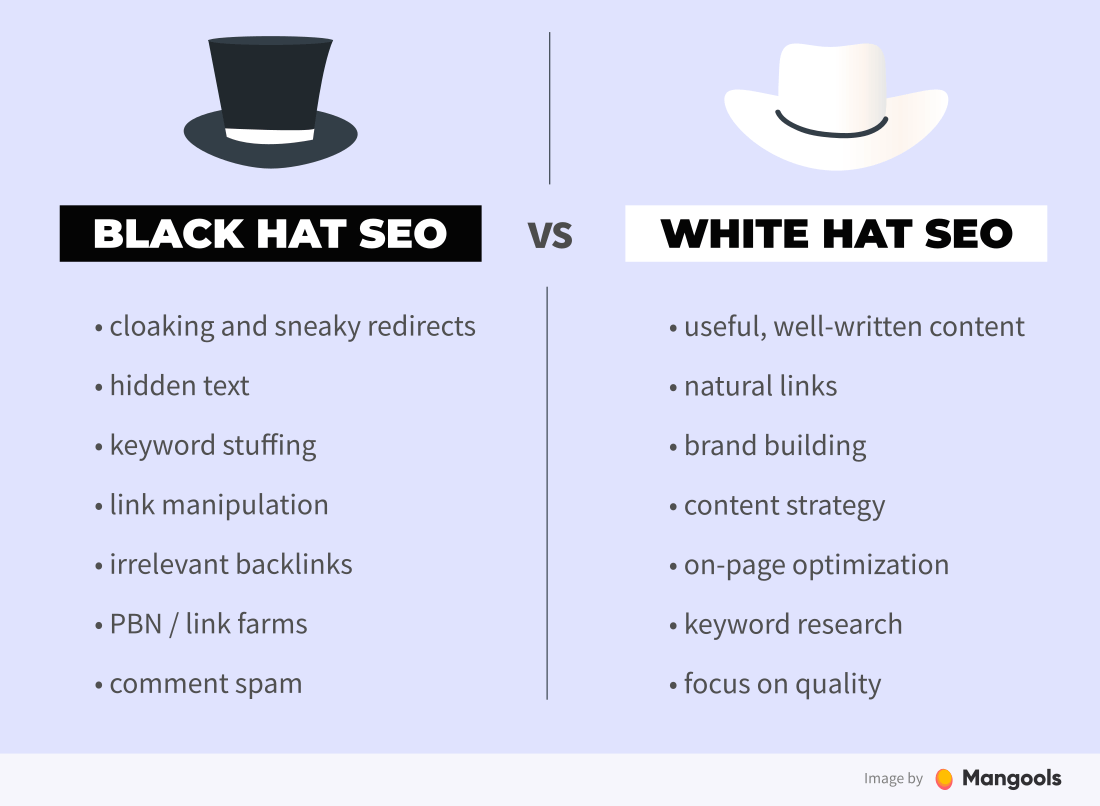
A common mistake is the "link-spam" approach—buying thousands of low-quality links from disreputable sites. Google’s algorithms are highly adept at identifying these "link schemes" and will penalize sites that engage in them.
Instead, focus on:
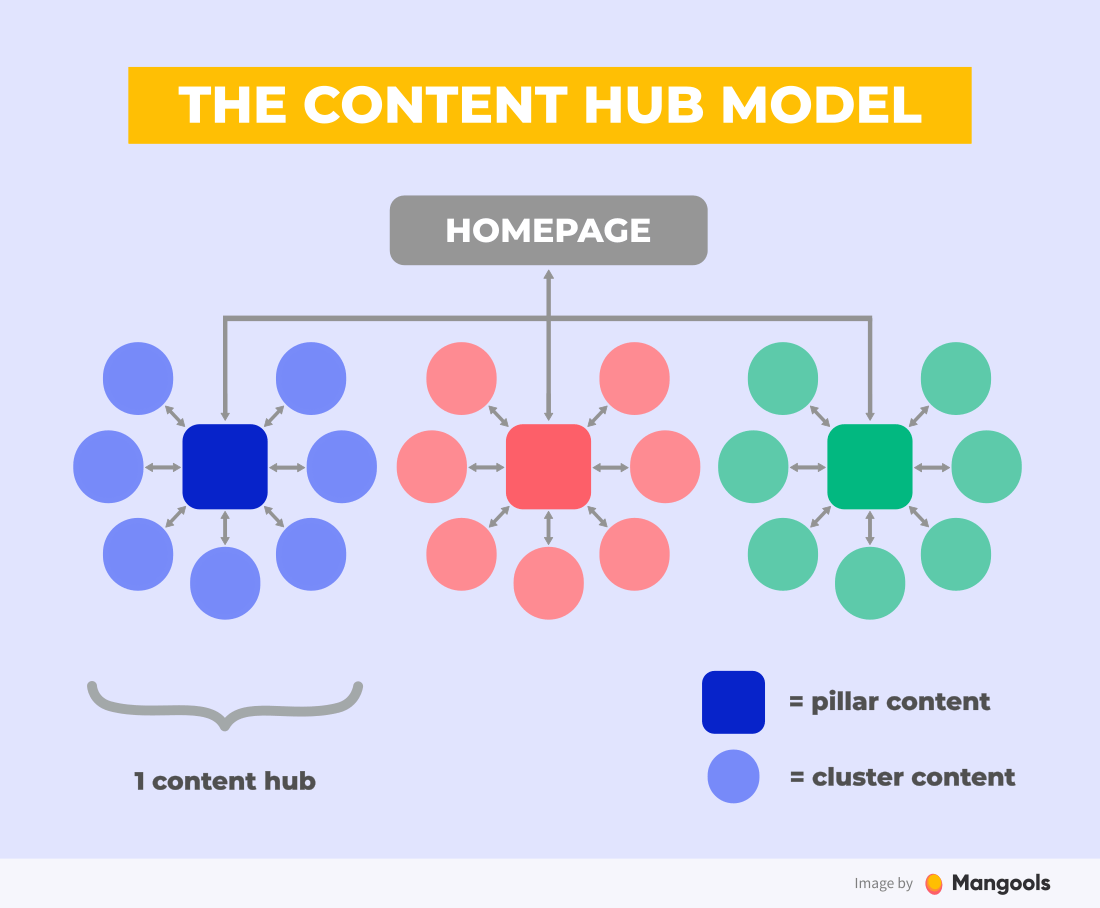
- Linkable Assets: Creating unique data, original research, or comprehensive guides that others want to cite.
- Guest Posting: Contributing high-quality content to industry-leading publications to earn a legitimate backlink.
- The Skyscraper Technique: Finding high-performing content in your niche, creating something significantly better, and reaching out to the sites linking to the original piece to suggest yours as a superior resource.
Analytics: Measuring the Unseen
As the old adage goes, "What gets measured gets improved." SEO is a data-driven science, and three tools are essential for any practitioner:
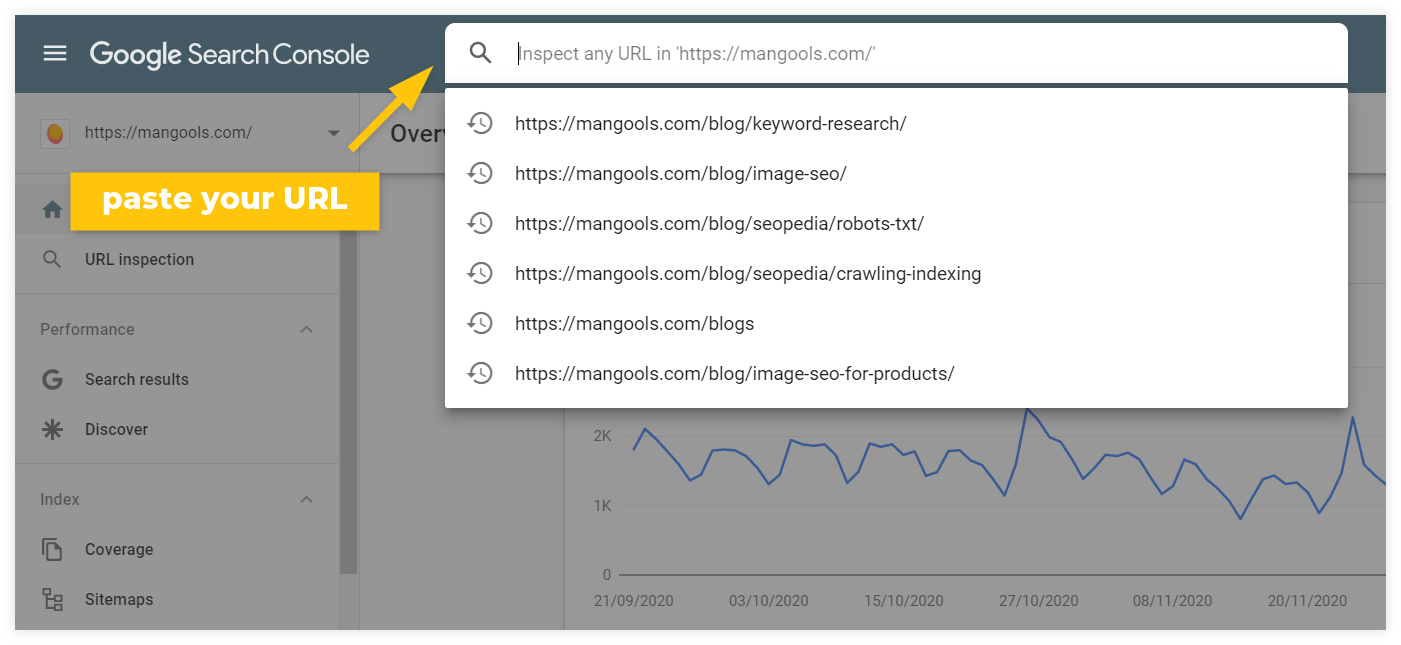
- Google Search Console: The primary tool for understanding how Google views your site. It provides data on crawl errors, index status, and actual search queries that drive traffic.
- Google Analytics: The go-to platform for understanding user behavior. Metrics like "Bounce Rate" and "Pages per Session" tell you if your content is actually resonating with the visitors you’ve attracted.
- Rank Trackers: Tools that provide a day-by-day view of your keyword positions, helping you identify trends and respond to algorithm shifts.
Interpreting the Data
When you see a drop in traffic, do not panic. Use the "Compare" feature in your analytics software to contrast the current period with the previous one. Did the drop occur across all pages, or just one? Was it limited to mobile devices? By isolating the variables, you can move from "guessing" to "solving."
Implications of the AI Revolution
We are currently witnessing a seismic shift in SEO: the rise of Generative AI and "Answer Engines." Platforms like ChatGPT and AI-integrated search results are changing the way users interact with the web.
The strategy for the future is Generative Engine Optimization (GEO). This involves ensuring your brand is cited as an authority in AI models and focusing on content that provides expertise, authority, and trustworthiness (E-E-A-T). As search engines move toward providing direct answers rather than a list of links, the value of your brand’s reputation becomes even more critical.
Conclusion: The Long Game
SEO is not a sprint; it is a marathon. There is no "hack" that can bypass the fundamental requirement of providing value. The winners in the SEO space are those who treat their website as a service to the user, not just a vessel for keywords. By combining rigorous technical standards, high-quality, intent-focused content, and a disciplined approach to authority building, you can secure a position in the digital landscape that pays dividends for years to come.
Remember, the goal of search engines is to provide the best possible answer to the user’s question. If you make it your mission to be that answer, your SEO strategy will naturally follow.



