










In the high-stakes world of digital marketing, few things trigger as much anxiety as a sudden, unexplained decline in Google search rankings. For website owners, SEO professionals, and content creators, a drop in organic visibility is not just a technical inconvenience—it is a direct threat to revenue, brand authority, and business stability.
While the instinctive reaction is often panic, the most successful digital strategists approach these moments with analytical rigor rather than emotional distress. Much like the resilient Wile E. Coyote, who repeatedly survives gravity-defying falls in his pursuit of the Roadrunner, your website’s survival often depends on your ability to dust yourself off, identify the failure point, and recalibrate your strategy.
In this comprehensive guide, we will dissect the eight most common causes of search engine ranking volatility in 2026, providing a framework for diagnosis and recovery.
1. Manual Actions and Search Algorithm Penalties
The most severe form of traffic loss is the Google penalty. These are not merely drops in performance; they are often corrective measures taken by Google to address violations of its Webmaster Guidelines.
How to Diagnose a Penalty
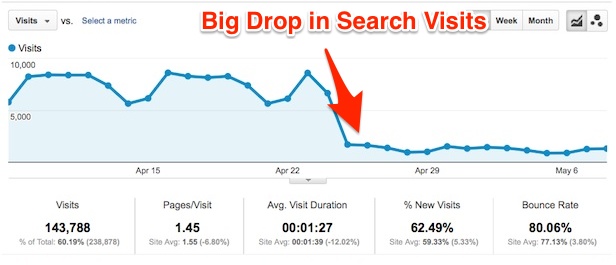
A manual penalty is typically characterized by a sharp, overnight plummet in rankings across a broad spectrum of your most important keywords. If you notice your site has lost 10 to 20 positions or more simultaneously, you are likely looking at a penalty.
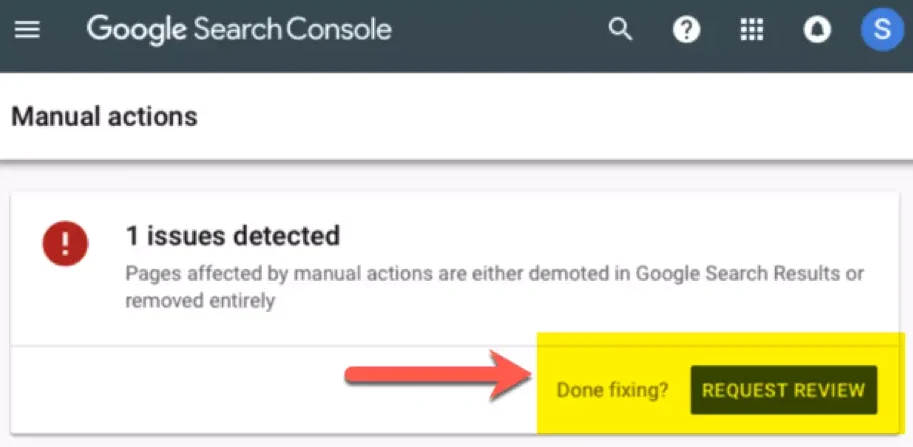
Distinguishing between manual and algorithmic penalties is critical. A manual action is applied by a human reviewer at Google, whereas an algorithmic penalty is the result of an automated system (like a core update) flagging your site for non-compliance. You can confirm a manual action by checking the "Security & Manual Actions" section of your Google Search Console (GSC). If no message is present, your drop is likely algorithmic.
Recovery Strategies
If you have received a manual action, the path to recovery is clear:
- Audit your link profile: Identify unnatural, spammy, or paid backlinks.
- Remove or Disavow: Attempt to contact webmasters to remove toxic links; for those you cannot remove, utilize Google’s Disavow Tool.
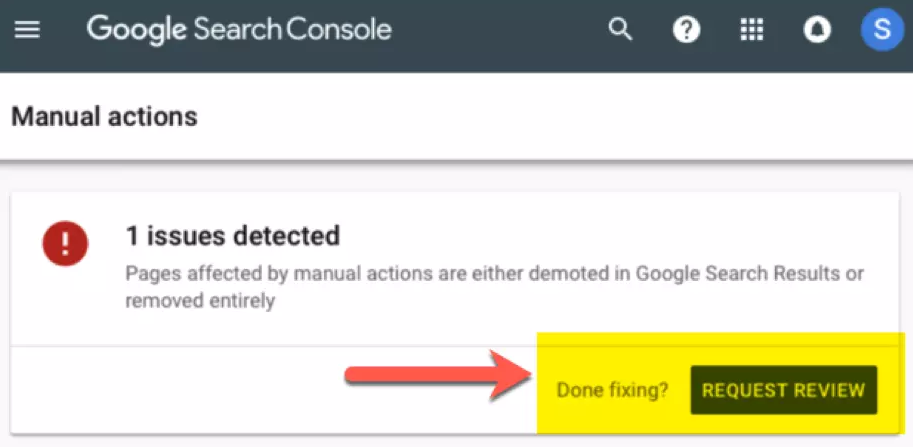
- Reconsideration Request: Once the issues are resolved, submit a formal request for review via GSC. Patience is key, as the review process can take weeks.
2. Competitive Displacement: The "Outranked" Scenario
Sometimes, your site hasn’t necessarily "broken" anything—your competitors have simply improved their game. This is a common, slow-burn decline rather than a sudden crash.
Diagnosis and Analysis
If your rankings have slipped slightly while your competitors have gained ground, it is likely a matter of relative quality. Use tools like Ahrefs, Semrush, or competitor monitoring suites to analyze their recent content output, backlink acquisition, and technical improvements.
Strategic Countermeasures
To reclaim your spot, you must shift from defensive to offensive. Analyze the "content gap"—what topics are they covering that you are not? Are they providing a better user experience (UX) or faster page load times? By reverse-engineering their success, you can identify the specific areas where your site is currently underperforming in the eyes of the search algorithm.
3. On-Page Optimization Failures
Search engines prioritize sites that offer seamless, fast, and accessible experiences. If your on-page elements are misconfigured, your site will struggle to rank regardless of how high-quality your content is.
Identifying the Bottlenecks
Technical debt accumulates over time. Check for:
- Broken Internal Links: These create "dead ends" for crawlers.
- PageSpeed Deficiencies: Using Google’s PageSpeed Insights, assess your Core Web Vitals.
- Content Decay: Pages with outdated information or thin content.
Remediation
Audit your site for "HTML improvements," such as duplicate meta descriptions or missing H1 tags. If your site was recently migrated or redesigned, ensure that all redirects (301s) are functioning correctly to pass "link juice" from old URLs to new ones.
4. The Erosion of Backlink Authority
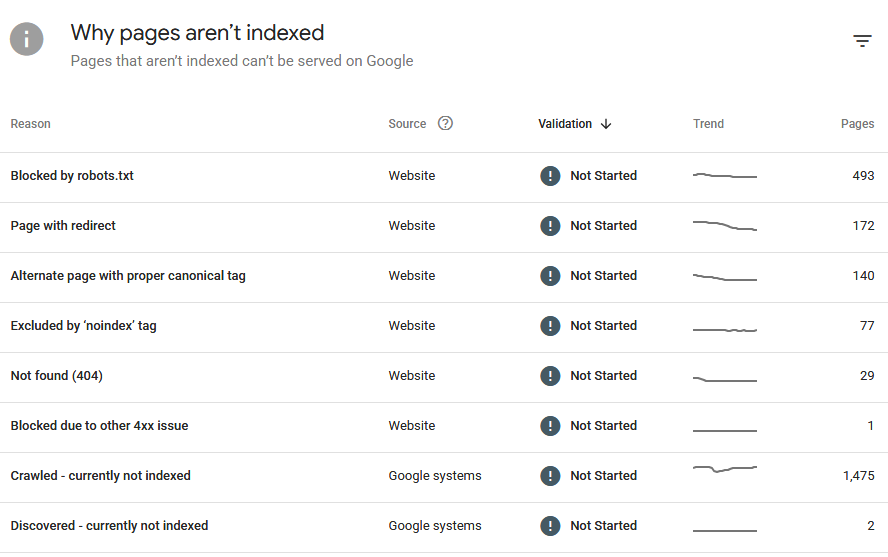
Links are the "votes" of the internet. A sudden loss of high-authority backlinks can strip your site of its credibility, leading to a significant ranking drop.
Why Links Disappear
Links can be lost due to site migrations, broken pages on the source site, or the deliberate removal of links by webmasters. If you see a sudden, negative spike in your "lost link" velocity, this is a clear warning sign.
The Recovery Path
Do not panic-buy links to compensate. Instead, focus on high-quality content marketing that naturally earns links. Reach out to partners or publishers who have removed links to understand why, and focus on replacing the lost authority with fresh, relevant, and organic inbound links.
5. Algorithmic Flux and Core Updates
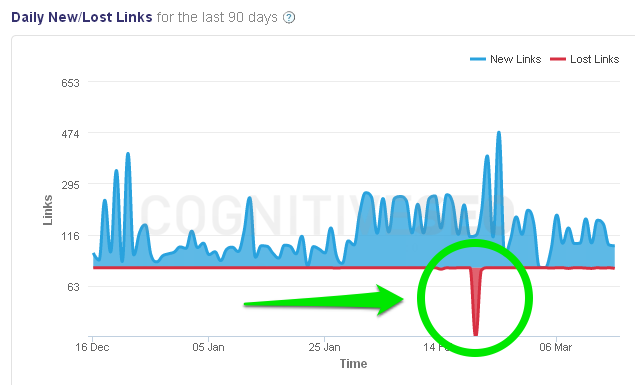
Google is constantly evolving. In 2026, the search giant employs sophisticated AI to interpret user intent. When a major core update rolls out, it is common to see significant volatility across the SERPs.
Dealing with Volatility
The key to surviving an algorithm update is "Algorithmic Resilience." If you have built your site based on sustainable, white-hat principles, a minor dip is often temporary. Monitor SEO industry news platforms to see if your drop correlates with an announced update. If it does, review Google’s latest "Search Quality Rater Guidelines" to ensure your content is still aligned with their definition of "Helpful Content."
6. The "Google Flux": The Unpredictable Variable
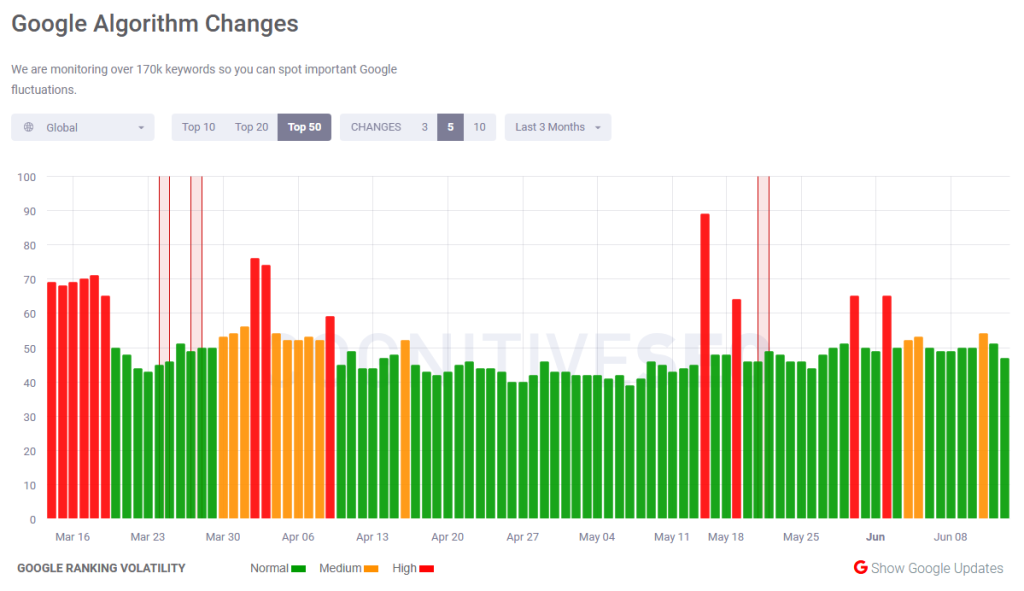
Occasionally, search results exhibit extreme instability—what SEOs call "Google Flux." This is a temporary state of re-indexing or re-calculating that is entirely outside your control.
Maintaining Composure
During a flux, it is vital to avoid knee-jerk reactions. If your site is stable, your content is high-quality, and there are no clear technical errors, do nothing. Making drastic changes during a period of flux can actually confuse the algorithm further. Often, sites will return to their previous positions within 48 to 72 hours once the index stabilizes.
7. Algorithmic Trust and Brand Sentiment
In the era of AI-driven search, the "trust" factor is paramount. Search engines now evaluate brand sentiment as a proxy for authority.
The Reputation Factor
If your business suffers a PR crisis, a sudden surge in negative reviews, or a viral "cancellation" event, algorithms may devalue your site’s entity status. This is a subtle, yet powerful, form of ranking demotion.
Using Sentiment Analysis
Platforms like BrandMentions provide granular analysis of how your brand is perceived across social media and news outlets. By correlating negative sentiment spikes with traffic drops, you can determine if your ranking issue is a reputation problem that requires PR intervention rather than just SEO work.
8. Technical SEO & Indexing Failures
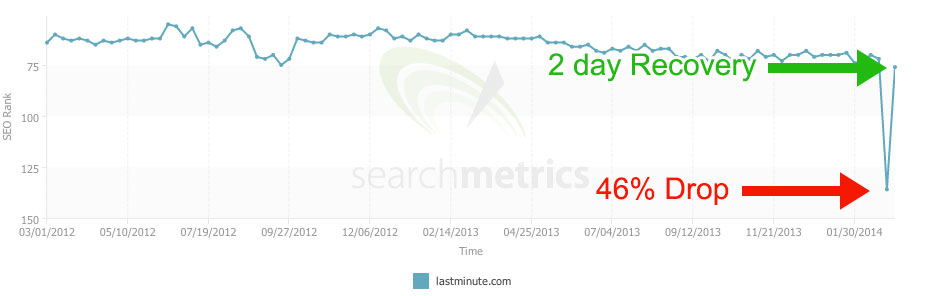
Sometimes, the issue is not that you have "lost" your rank, but that you have "lost" your presence in the index entirely.
Common Culprits
- Robots.txt Errors: Accidentally blocking crawlers from vital folders.
- Canonicalization Issues: Telling Google to index a version of your site that is empty or incorrect.
- Server-side Issues: A spike in 5xx error codes indicates your server is struggling to serve content to GoogleBot.
Proactive Maintenance
Regularly audit your site using GSC’s "Crawl Stats" report. Ensure your sitemap is up to date and that you are monitoring for any sudden drops in "Indexed Pages."
Conclusion
The path to long-term SEO success is rarely a straight line. It is a process of constant monitoring, diagnosing, and adapting. By moving away from manipulative, high-risk "black hat" tactics and focusing on creating a robust, technically sound, and user-centric website, you build a foundation that is resistant to the winds of change.
Remember: today’s top-ranking site can easily become tomorrow’s bottom-dweller if it fails to innovate. Stay informed, stay calm, and keep your technical house in order. By treating your SEO strategy as an ongoing investment rather than a one-time project, you ensure that your business remains a permanent fixture in the ever-shifting landscape of the search engine results page.



