










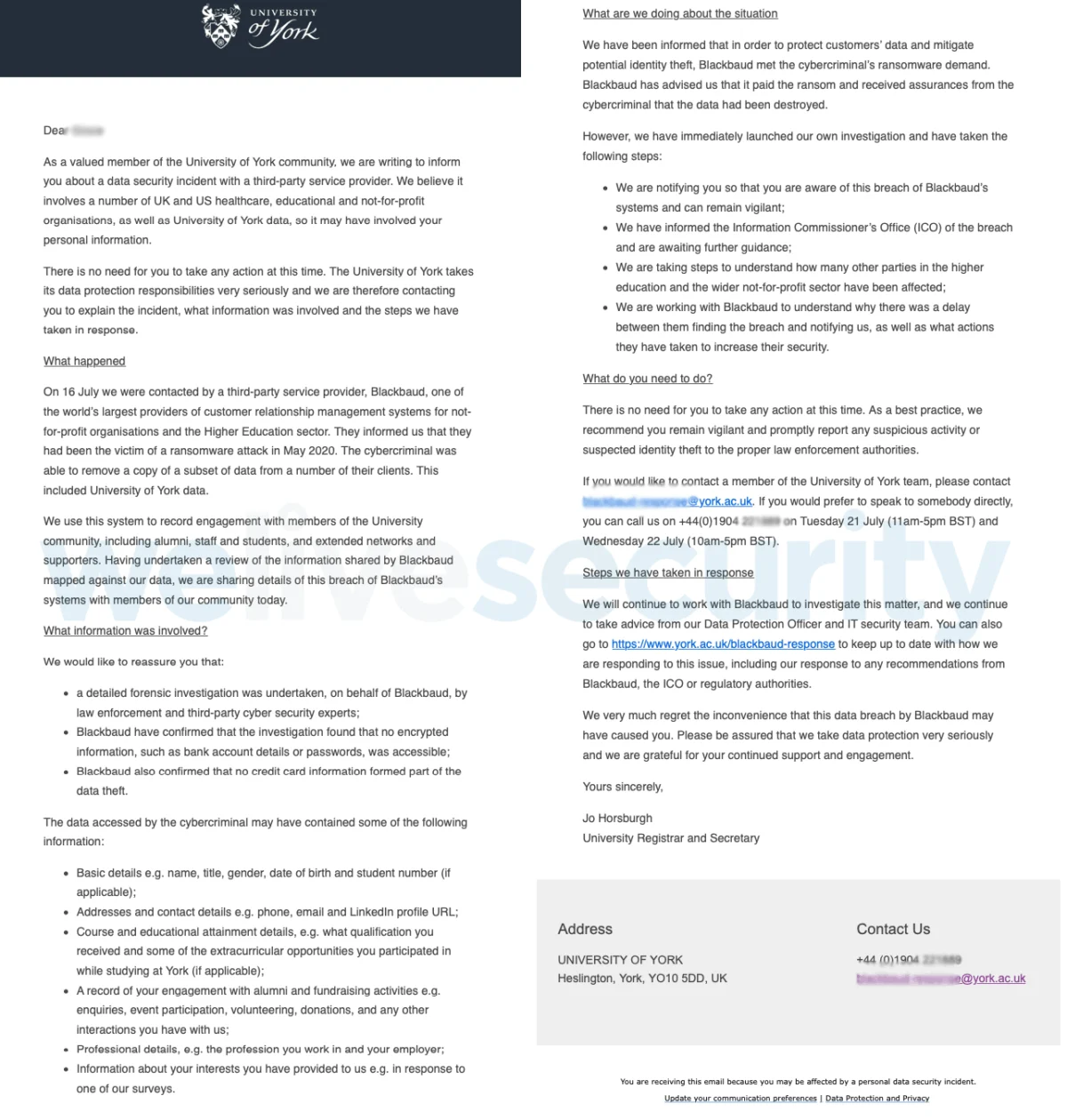
In the modern digital economy, the arrival of a data breach notification has transitioned from a shocking anomaly to a mundane, if unwelcome, part of daily life. Last year, the United States witnessed an unprecedented surge in publicly reported data breaches, with over 3,300 incidents recorded and nearly 280 million victim notices dispatched to consumers. However, as the frequency of these disclosures climbs, a troubling trend has emerged: the notifications themselves are becoming increasingly hollow, stripped of the vital context required for victims to protect their personal identity and financial security.
According to the Identity Theft Resource Center (ITRC), the first half of 2026 saw a staggering 471 million victim notices distributed. Yet, in a record low for transparency, only 24% of these communications contained details regarding the attack vector—the method by which cybercriminals gained unauthorized access. This "transparency gap" is leaving consumers in the dark, unable to determine their true risk exposure or take targeted, effective action to mitigate the fallout.
The Chronology of a Crisis: A Rising Tide of Data Exposure
The trajectory of data compromises over the past twenty-four months has been unrelenting. While 2025 set the stage for record-breaking breach volumes, 2026 has arguably accelerated the trend.
- Early 2025: The year began with a series of high-profile supply chain attacks that compromised third-party service providers, forcing thousands of downstream organizations to notify their user bases.
- Late 2025: As year-end reporting concluded, the ITRC confirmed that the sheer volume of breaches had hit an all-time high, overwhelming regulatory bodies and consumer protection agencies.
- Q1-Q2 2026: The first half of the year saw a massive spike in notifications. The ITRC’s mid-year report highlighted that while the number of notices is reaching an all-time peak, the depth of information provided to the public is at an all-time low.
- The Current Landscape: Organizations are now routinely sending out mass notifications that follow a "minimalist" template, often citing "unauthorized access" without clarifying whether the data was merely viewed or actually exfiltrated, or if the incident was a targeted ransomware attack versus a simple misconfiguration.
Supporting Data: Why Detail Matters
The ITRC’s research indicates a clear divide between what companies are disclosing and what victims actually need. According to their survey data, three-quarters of breach victims want a plain-language, itemized list of exactly what data was compromised.
When a company fails to provide this, the burden of security shifts unfairly to the consumer. Without knowing whether a Social Security number, a physical address, or merely an email address was involved, a consumer cannot prioritize their response. Should they freeze their credit? Should they change their banking passwords? Should they be on the lookout for phishing attempts? Without these details, the "advice" provided in these notices is often generic, boilerplate legal text that provides little practical utility.
The Corporate Veil: Why Organizations Are So Cagey
The reluctance of organizations to disclose the full scope of a breach is rarely a result of a single factor; it is typically a calculated decision involving legal, operational, and reputational considerations.
Reputation and Crisis Management
Public relations teams are often tasked with a difficult balancing act: informing customers to maintain transparency while simultaneously preventing panic. If a company admits to a breach before the full scope is understood, they risk losing customer trust. Consequently, companies often delay detailed reporting until a "final" picture emerges—a process that can take weeks or months.
Operational Security and "Copycat" Attacks
There is a legitimate security argument for withholding certain technical details. If a company discloses exactly how an attacker exploited a vulnerability, they risk providing a roadmap for other threat actors. Furthermore, if the adversary still maintains a presence within the network, premature disclosure could tip off the attacker, complicating the incident response and forensic investigation.
Financial and Legal Liability
From a corporate perspective, excessive detail can be a double-edged sword in litigation. Information shared with regulators is often highly detailed and protected by various legal frameworks, but information shared with the public is subject to scrutiny by class-action attorneys and shareholders. By keeping public disclosures vague, companies hope to minimize reputational damage and protect their share price from unnecessary volatility.

Decoding the Language: How to Interpret a Notice
The phrasing used in data breach notifications is often crafted by legal departments to be as neutral as possible. Consumers must learn to read between the lines:
- "Accessed" vs. "Exfiltrated": If a notice states that data was "accessed," it implies a breach of the environment but not necessarily a theft of data. However, in the current threat landscape, "accessed" is frequently a euphemism for "stolen."
- "No Evidence of Misuse": This is perhaps the most common, yet least comforting, phrase in a notification. It does not mean your data is safe; it simply means the company has not yet seen your information circulating on the dark web or being used for fraud. It is not a guarantee of security.
- "May Have Been Affected": This is a legal catch-all. It serves as a notification to everyone who could have been caught in the blast radius, regardless of whether their specific data was in the compromised file set. While it is always safer to treat this as a positive identification of breach, it is often a symptom of the company’s own inability to pinpoint exactly whose data was taken.
The Looming Threat: Is the Notification Legitimate?
As the frequency of breach notifications has risen, so has the ingenuity of scammers. Phishing campaigns that mimic legitimate breach notifications are becoming a primary vector for secondary attacks.
Warning Signs of a Fraudulent Notification:
- Urgency: The email demands immediate action, such as clicking a link to "verify your identity" or "claim your credit monitoring."
- Unsolicited Links: A genuine notification should never ask you to click a link to log into an account.
- Generic Salutations: While some legitimate notices are poorly personalized, a scam often lacks any specific reference to your account number or the date of the incident.
Actionable Advice: If you receive a notice, do not reply or click. Instead, navigate to the organization’s official website by typing the URL directly into your browser. Look for a "Security" or "Investor Relations" page where they will typically post a dedicated link regarding the breach.
Protecting Yourself: What to Do Next
Once a legitimate breach is confirmed, your response must be proportionate to the data lost.
The Hierarchy of Response
- If Credentials (Passwords) Were Stolen: Immediately change the password for that account. More importantly, change the password for any other account where you reused that credential. Enable Multi-Factor Authentication (MFA) on every account possible.
- If Financial Details Were Stolen: Contact your bank immediately. Do not wait for unauthorized charges to appear. Many banks can proactively issue a new card or place a temporary hold on accounts.
- If Identity Information (SSN/DOB) Was Stolen: This is the most severe scenario. You must go beyond credit monitoring and implement a full credit freeze.
Credit Freeze vs. Credit Monitoring
A Credit Freeze is your most powerful tool. It restricts access to your credit report, making it nearly impossible for a thief to open a new line of credit in your name. It is free to place and can be lifted temporarily if you need to apply for a loan.
Credit Monitoring, by contrast, is a passive service. It alerts you after a change occurs on your report. While useful for awareness, it does not stop fraud. The best approach is to utilize both: freeze your credit to stop the fraud, and accept the free monitoring offered by the breached company to stay alerted to any suspicious activity that might have bypassed the freeze.
Conclusion: The New Normal
As the number of organizations we interact with grows, and as the sophistication of cybercriminals continues to outpace corporate defenses, the probability of receiving a breach notification will only continue to rise. We must move away from the mindset that these notifications are mere "noise."
While the current lack of transparency in corporate disclosures is a systemic failure that requires regulatory reform, the responsibility for individual security remains with the consumer. By staying informed, verifying every communication, and taking proactive steps like credit freezes, you can significantly diminish the impact of these inevitable digital disruptions. The goal is not to live in fear of the next breach, but to be prepared to neutralize it the moment it arrives.



