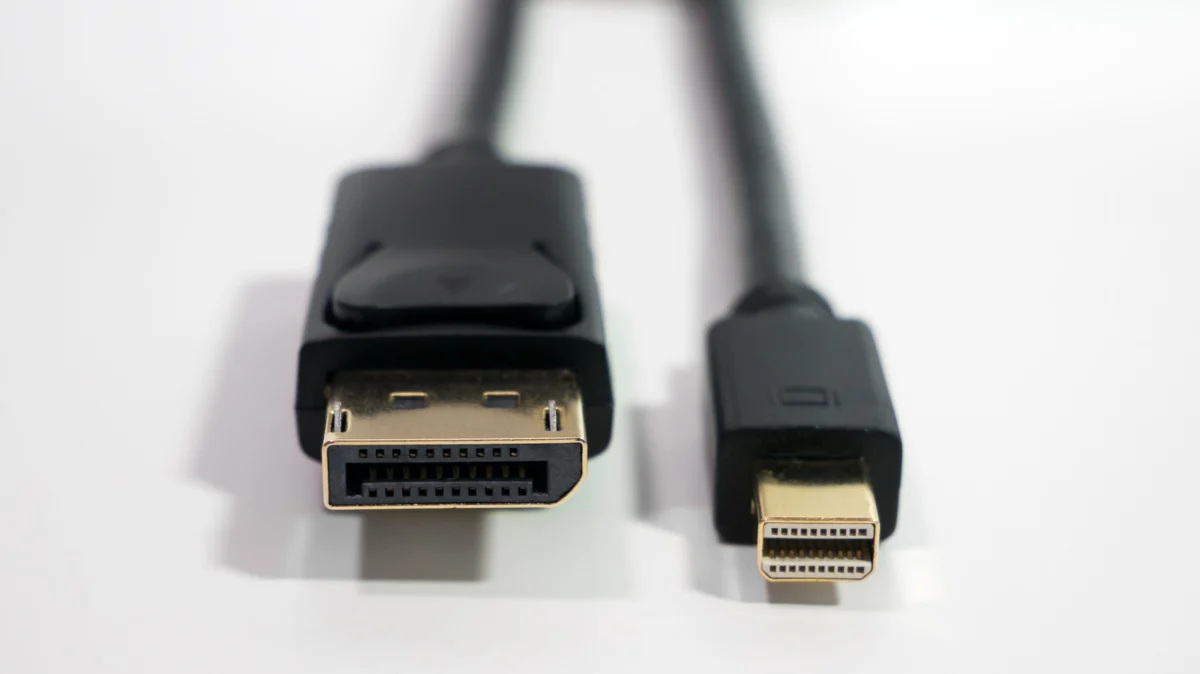
For over a decade, the Mini DisplayPort (mDP) served as the elegant, streamlined answer to the bulky, fragmented world of video connectivity. Introduced by Apple in 2008 as a compact alternative to VGA and DVI, it became the signature port of the MacBook and various high-end creative workstations. Yet, in today’s landscape of ultra-thin laptops and universal hubs, the Mini DisplayPort has become a relic, largely eclipsed by the versatile and ubiquitous USB-C.
While the technology underpinning the DisplayPort protocol is more vital than ever, the physical connector itself has been pushed to the fringes of the consumer tech industry. This shift marks a broader transition in computing: the move from dedicated, single-purpose ports toward "do-it-all" interfaces that prioritize space efficiency and power delivery alongside video output.
The Rise and Fall: A Chronology of a Connector
To understand why the Mini DisplayPort is fading, one must look at its origins. In the late 2000s, the computing industry was stuck between the legacy of analog VGA and the limitations of DVI. Apple, always keen to shave millimeters off its chassis, sought a digital interface that was as small as a USB port but capable of high-bandwidth video transmission.
2008: The Debut
Apple introduced the Mini DisplayPort alongside its new line of aluminum unibody MacBooks. It was praised for its compact footprint and its ability to support higher resolutions than VGA. Crucially, it was an open standard, allowing other manufacturers to adopt it without paying royalties—a stark contrast to proprietary standards.
2011–2015: The Thunderbolt Marriage
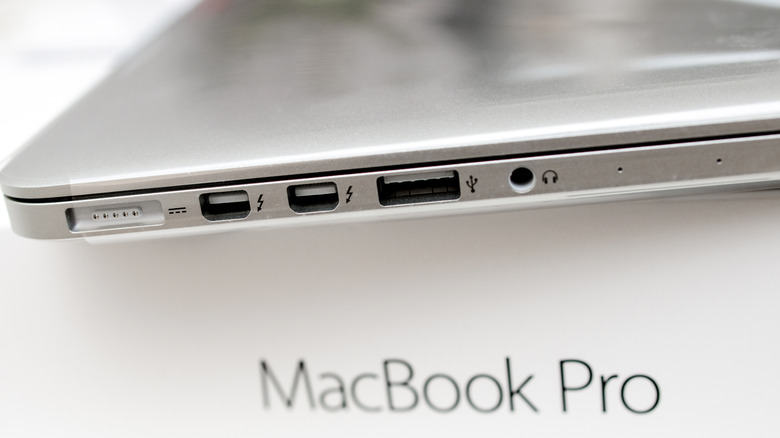
The Mini DisplayPort gained a significant boost in utility when it became the physical interface for the first two generations of Intel’s Thunderbolt technology. By piggybacking on the mDP port, Thunderbolt allowed users to daisy-chain high-speed storage, network adapters, and monitors through a single cable. This period represented the peak of the connector’s popularity.
2016–Present: The USB-C Transition
The catalyst for the Mini DisplayPort’s decline was the arrival of Thunderbolt 3 and USB-C. When Apple unveiled the 2016 MacBook Pro, it purged all previous ports in favor of USB-C. This was a watershed moment. USB-C was not merely a data port; it was designed to handle video (via DisplayPort Alternate Mode), massive power delivery (Power Delivery), and lightning-fast data transfer (Thunderbolt 3/4). With a single port capable of replacing four others, the space-constrained Mini DisplayPort became redundant.
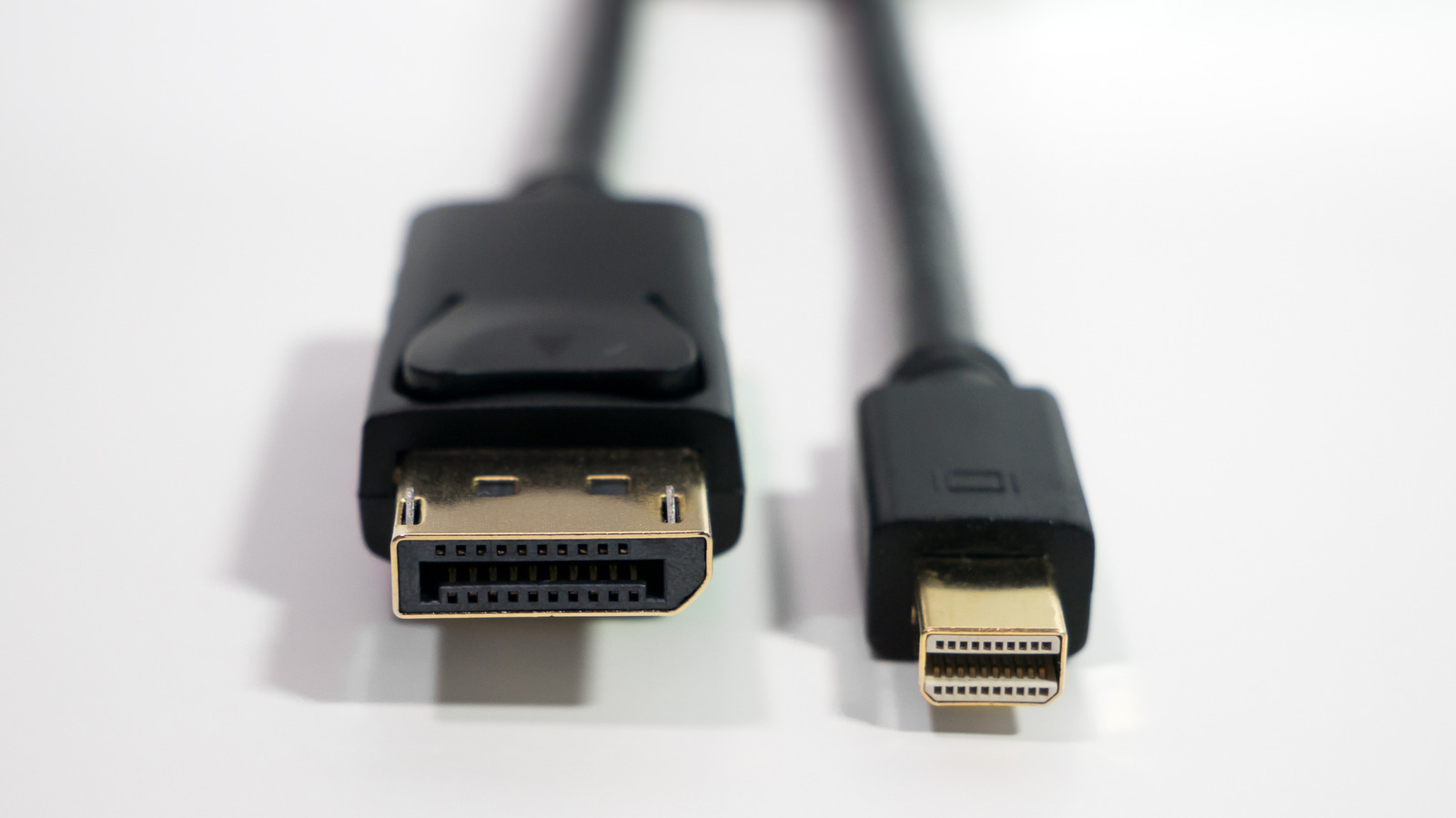
Why the Mini DisplayPort Faded: Technical and Practical Realities
The phasing out of the Mini DisplayPort was not a result of technological inferiority, but rather the inevitability of consolidation.
The Problem of Real Estate
Modern laptops are increasingly thin. Fitting an HDMI port, a dedicated DisplayPort, and multiple USB ports on a modern ultrabook is a geometric challenge. USB-C allows manufacturers to achieve a uniform, reversible port design that serves as a docking station entry point. By adopting USB-C, companies saved internal space for larger batteries and more complex cooling systems.
The "Alt Mode" Advantage
The most important development in this transition was the implementation of DisplayPort Alternate Mode (DP Alt Mode). This allows the USB-C port to transmit the native DisplayPort signal through its pins. Consequently, users do not need a "Mini DisplayPort" connector to enjoy the benefits of the DisplayPort protocol. A simple USB-C to DisplayPort cable accomplishes the same task, effectively rendering the physical Mini DisplayPort connector unnecessary for new hardware.
Standardization vs. Fragmentation
HDMI remains a dominant force in the consumer living room, while DisplayPort remains the king of the enthusiast desktop. By consolidating the signal transmission through USB-C, the industry effectively bridged the gap between these two worlds. A user no longer needs to hunt for a specific mDP cable; a modern USB-C hub can output to almost any monitor standard through a single, standardized connection.
Supporting Data: The Bandwidth Wars
While the physical port has changed, the "DisplayPort" protocol remains the gold standard for high-performance computing. To understand why, we must look at the raw data throughput.
| Standard | Max Bandwidth | Best Application |
|---|---|---|
| HDMI 2.1 | 48 Gbps | Home Theater, 4K/120Hz Gaming |
| DisplayPort 1.4 | 32.4 Gbps | High-end Monitors, Daisy-chaining |
| DisplayPort 2.1 | 80 Gbps | Ultra-wide/8K, Professional Work |
| HDMI 2.2 (Proposed) | 96 Gbps | Future-proofing |
The superiority of the DisplayPort protocol in professional and gaming environments is evident in the bandwidth specifications. While HDMI focuses on compatibility with televisions and home media, DisplayPort is built for the high-refresh-rate, high-resolution demands of modern workstations. Even as the "Mini" port vanishes, the DisplayPort signal protocol is actually becoming more powerful, with version 2.1 pushing speeds that were unimaginable when the original Mini DisplayPort launched in 2008.
Official Industry Perspectives
The transition away from Mini DisplayPort was not met with significant industry resistance, primarily because it was led by the major players in the VESA (Video Electronics Standards Association).
Industry analysts suggest that the decision was driven by consumer convenience. According to representatives from major monitor manufacturers, the goal of the current generation of hardware is "the single-cable desk." In this vision, a user plugs one USB-C cable into their laptop, and that single cable provides power, connects the monitor, links to a wired mouse and keyboard, and maintains an Ethernet connection.
"The Mini DisplayPort was a brilliant piece of engineering for its time," notes a former VESA technical advisor. "But it was a one-way street. It carried video. USB-C is a multi-lane highway. You don’t need a side street when the highway can handle all the traffic."
Implications: What Does This Mean for You?
If you are a user still relying on equipment with Mini DisplayPort, you are not necessarily in a precarious position. The technology remains highly compatible, but there are practical implications to consider.
1. The Adapter Ecosystem
If you own an older monitor with a Mini DisplayPort input, you are not forced to replace it. A "USB-C to Mini DisplayPort" cable or a high-quality adapter will bridge the gap effortlessly. Because the signals are compatible, there is zero loss in quality or refresh rate.
2. The VR and Professional Hardware Gap
One area where the transition is less smooth is Virtual Reality (VR) and specialized legacy hardware. Some older high-end VR headsets (like the original Valve Index or certain Oculus variants) required direct DisplayPort connections. Users with modern laptops often find that these devices do not work through docking stations or hubs. This is often due to the way the USB-C port is wired to the graphics card (or lack thereof). Before purchasing a new laptop for professional creative or VR work, always verify that the USB-C port supports "DisplayPort Alt Mode" or direct connection to the dedicated GPU.
3. Apple Cinema Display and Proprietary Gear
Users of older hardware, such as the classic Apple Cinema Displays, face the most friction. These monitors often utilize proprietary power and video integration that cannot be replicated by modern USB-C hubs. For these users, the "obsolescence" of the Mini DisplayPort is not just a change of cable; it is an effective end-of-life for their display hardware.
Conclusion: The Evolution of Connectivity
Is the Mini DisplayPort obsolete? In the strictest sense, the connector itself is a legacy component. You will not find it on a 2024 MacBook or a flagship PC motherboard. However, the DisplayPort protocol is more relevant than ever, serving as the backbone for the high-resolution, high-refresh-rate visual experiences that define modern computing.
The transition from the dedicated Mini DisplayPort to the multifunctional USB-C port is a microcosm of the tech industry’s broader philosophy: simplify the interface, consolidate the standards, and prioritize the user’s desk space. While we may lose the distinct, tiny square port that served us for nearly two decades, we have gained a world where one cable can truly do it all. As we move toward even higher bandwidths and more demanding visual technologies, the legacy of the Mini DisplayPort lives on—not in the shape of the plug, but in the speed and clarity of the signal it helped perfect.