
WASHINGTON, D.C. — Every digital publisher, content creator, and professional blogger knows the crushing weight of the blinking cursor. When inspiration strikes, the words flow effortlessly, transforming thoughts into engaging prose. However, when faced with strict editorial calendars, tight publishing quotas, and the relentless demand for fresh material, even the most seasoned writers often find themselves staring blankly at their keyboards.
The universal knee-jerk reaction to this creative drought is to turn to search engines like Google for inspiration. Yet, for many professional writers, generic search queries yield little more than structural archetypes—such as basic reviews, opinionated rants, comparative analysis, or tired, fill-in-the-blank headlines like “X Reasons You Should Never X.” These templates diagnose the type of content to write, but they fail to solve the core problem: filling in the blanks with specific, high-value topics that an audience actually wants to consume.
Content creation generally splits into two distinct categories: the content creators want to write, and the content audiences actively search to find. Sustainable digital publishing requires a systematic approach to the latter. Below is an exhaustive, professional framework of 27 actionable, data-driven strategies designed to banish writer’s block permanently and ensure a continuous pipeline of engaging, search-optimized blog post ideas.
I. Main Facts: The Anatomy of Content Ideation
The contemporary digital landscape demands a paradigm shift in how publishers source topics. Relying on gut feelings or random keyword drops is no longer sufficient to capture audience attention in saturated markets.
To maintain a competitive edge, content creators must leverage modern analytical tools, behavioral psychology, and systematic upcycling processes. The fundamental reality of content marketing is that the best ideas are rarely pulled from thin air; instead, they are extracted from existing data pools, user inquiries, and competitive intelligence gaps.
II. Chronology: The Evolution of Keyword Research and Discovery
The methodology of finding blog topics has evolved significantly over the past two decades. Understanding this timeline highlights why modern tools have replaced outdated ideation techniques:
- The Early 2000s (The Wild West of Blogging): Writers relied entirely on personal intuition, current events, and basic web traffic trackers. Content was mostly diary-style or reactive news.
- The Mid-2000s (The Keyword Planner Era): The advent of structured search engine optimization introduced tools like the Google Keyword Planner. Content creation became heavily centered around search volume and exact-match keyword stuffing.
- The Early 2010s (Social Metrics and Aggregation): Platforms like Buzzsumo emerged, shifting the focus toward social shares, viral content, and audience sentiment across networks.
- The Present Day (Multi-Layered Intelligence & Intent Mapping): Today’s ideation requires cross-platform data synthesis. Publishers use advanced SEO suites (Ahrefs, SEMrush), question-mining utilities (Answer the Public), and community intelligence (Reddit, Quora, and niche forums) to map user search intent precisely.
III. Supporting Data: 27 Methods to Generate Endless Blog Topics
Whether you are managing a personal blog or a corporate publication, the following 27 strategies provide a comprehensive roadmap for discovering high-performing content angles.

1. Extract Question Queries via Answer the Public
Tools like Answer the Public function as advanced, visual search-suggestion engines. By inputting a core keyword, publishers can instantly pull targeted questions, prepositions, and alphabetical queries related to the term. This saves valuable time compared to manual Google searches and immediately highlights what informational gaps exist in your niche.
2. Conduct Old-Fashioned Keyword Research
While newer methods exist, traditional keyword research remains a foundational pillar of content strategy. Premium tools such as SEMrush and Spyfu offer deep insights into search volumes, keyword difficulty, and competitor rankings. For creators on a tight budget, free alternatives like Keywordtool.io or the Google Keyword Planner provide a viable entry point.
3. Upcycle High-Performing General Content
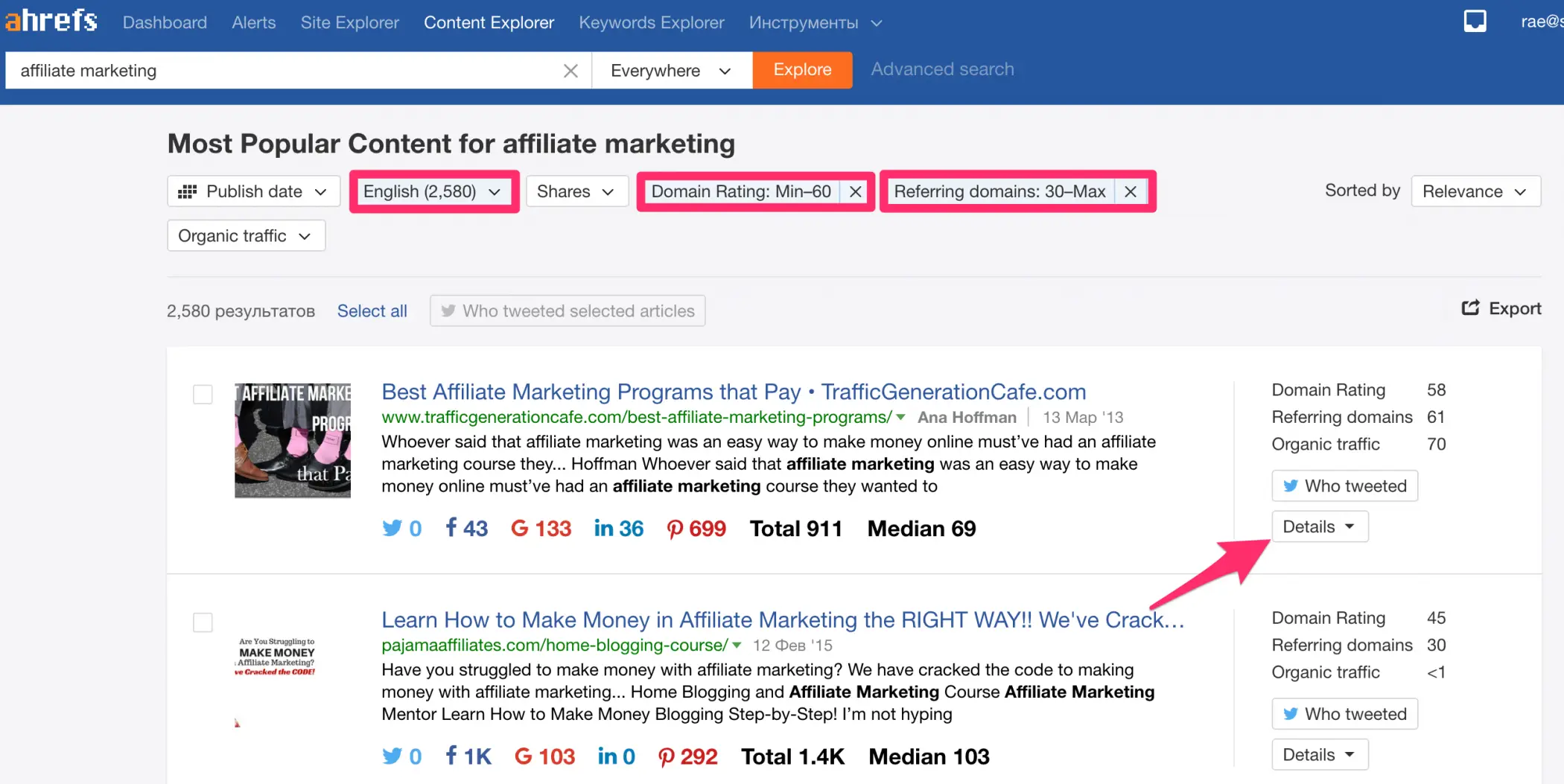
"Upcycling" refers to taking discarded or mediocre materials and transforming them into something of higher value. In content strategy, this means identifying popular older articles across the web, finding a fresh angle, and publishing a significantly more comprehensive, up-to-date version. Tools like Ahrefs allow you to filter for older, highly linked articles that are ripe for improvement.
4. Audit and Upcycle Competitor Successes
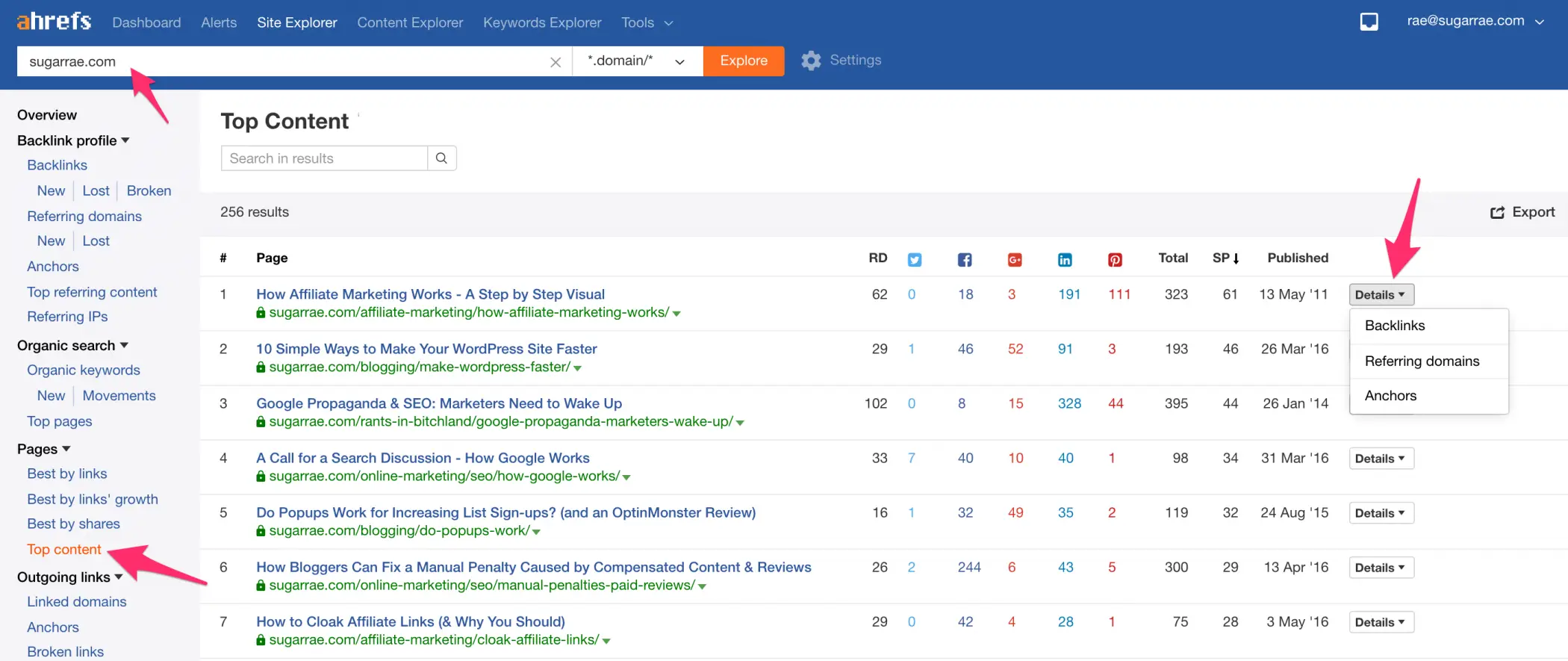
Analyze your top competitors’ highest-performing pages using SEO link intelligence tools. By sorting competitor content by publication date, you can pinpoint legacy articles that attracted massive backlinks in the past but may now be outdated. Updating these concepts with modern data allows you to capture organic search traffic that previously went to competitors.
5. Reinvigorate Your Own Legacy Posts
Every mature blog houses archives filled with posts that need refreshing. Whether your writing style has evolved, your photography has improved, or the underlying information has changed, taking an old post idea, expanding its depth, and redirecting the legacy URL to a modern version delivers an exceptional user experience while boosting SEO authority.
6. Engage and Direct Your Audience
Never underestimate the power of simply asking your audience what they need. Utilize social media channels, email newsletters, or survey platforms like SurveyMonkey. To avoid receiving vague responses, frame questions specifically—such as asking newsletter subscribers about their single biggest challenge regarding a specific niche topic rather than asking a broad, open-ended question.
7. Mine Q&A Communities
Platforms like Quora, Ask Metafilter, and specialized discussion boards are goldmines for content creators. Searching these platforms for niche keywords uncovers authentic, long-tail questions asked by real users, providing a clear blueprint for comprehensive, authoritative blog posts.

8. Repurpose Multi-Medium Content
Many content creators produce webinars, podcasts, videos, or newsletters that never make it onto their main blog. Because audiences consume content across different platforms—often preferring written text over video—repurposing, expanding, and publishing these multi-channel assets directly onto your site introduces fresh material to a large portion of your readership.
9. Leverage Presentation-Sharing Networks
Platforms like Slideshare and SlideServe contain thousands of industry presentations. Searching these platforms for niche keywords can reveal unique angles, graphics, or localized adaptations of broad national studies that can be transformed into localized, highly specific blog posts.
10. Analyze Internal Site Search Data
If your website features an active search bar, your users are directly telling you what content they expect to find. By setting up site search tracking in Google Analytics or installing plugins like Search Meter for WordPress, you can uncover queries where users found poor results or no content at all, immediately signaling a gap in your publishing schedule.
11. Scrutinize Reddit "Ask Me Anything" (AMA) Threads
Reddit AMAs feature industry experts and authoritative figures answering unscripted questions from the community. Using Google operators like site:reddit.com AMA [your topic] allows publishers to unearth hundreds of authentic, hyper-specific questions real people are asking within a given niche.
12. Dive Deep into Niche Forums
Specialized message boards remain hubs of highly technical discussions. By combining niche keywords with search operators like “need advice,” “how do I,” or “what is the best way to,” publishers can extract granular consumer pain points that translate seamlessly into step-by-step tutorial posts.
13. Deploy Advanced Google Alerts
Beyond monitoring brand mentions, Google Alerts can be configured to act as automated content scouts. By setting up alerts for specific discussion phrases (e.g., [topic] "need advice" restricted to discussions), creators can receive real-time notifications when new consumer questions appear across the web.
14. Utilize Pinterest for Visual Brainstorming
Pinterest is not just for recipes and fashion; it is a powerful visual search engine. Searching for niche terms reveals how everyday consumers utilize products in unexpected ways (e.g., alternative uses for PVC pipes), inspiring creative round-up posts or comprehensive DIY guides that standard keyword tools might miss.
15. Subscribe to Niche Print and Digital Magazines
Traditional print and digital magazines operate under strict word-count limitations, forcing authors to skim the surface of complex topics. Reviewing these publications allows modern bloggers to identify compelling foundational topics and expand upon them with much greater depth and analytical rigor.
16. Experiment with Topic Generation Software
Automated tools like the HubSpot Blog Topic Generator can provide quick conceptual sparks. While these tools require careful filtering due to their low-effort nature, they can occasionally unearth unexpected angles for broader discussions.
17. Mine Google Search Console Global Keyword Data
Reviewing organic performance data inside the Google Search Console helps identify short-tail terms for which your site already ranks. Analyzing these terms allows you to update existing pages or build complementary content clusters around topics where search engines already view your domain as authoritative.
18. Leverage Page-Level Search Analytics
By examining specific URLs within your Search Console data, you can uncover secondary keywords that individual pages are ranking for within the top twenty results. Creating standalone pieces targeting these secondary queries captures valuable low-hanging organic traffic.
19. Read and Analyze Comment Sections
The comment sections of high-ranking industry posts—as well as your own archives—frequently contain valuable follow-up questions, debates, and clarifications requested by readers. These reader interactions often spark the exact inspiration needed for subsequent posts.
20. Exploit Competitor Content Gaps
Using competitive intelligence reports from platforms like SEMrush allows publishers to perform domain-versus-domain comparisons. By identifying keywords and topics that competitors rank for while your own domain does not, you can systematically close content gaps in your publishing strategy.
21. Transform Products into Problem-Solving Guides
Instead of writing standard promotional reviews for affiliate products, frame your content around the specific problems those products solve. Detail the pain points, why alternatives failed, and how consumers can replicate your solution, turning promotional copy into high-utility, revenue-generating guides.
22. Leverage Amazon’s Book and Product Q&A Ecosystems
Amazon’s book search functionality and product Q&A sections are exceptional reservoirs of consumer curiosity. Reviewing book tables of contents or customer-submitted product questions provides immediate insight into what information buyers actively seek.
23. Track "Threepeats"
When readers or customers ask you the exact same question three separate times, it achieves "Threepeat" status. Keeping a structured spreadsheet log of incoming inquiries ensures that once a question hits this threshold, it is immediately scheduled for editorial development.
24. Monitor Niche Twitter Chats
Active Twitter chats centered around specific hashtags are live, fast-paced environments where industry professionals debate trends and answer questions. Searching these chats using question-mark operators helps filter out noise and highlights pressing community concerns.
25. Attend Industry Conferences and Sessions
Industry events provide a direct line to consumer pain points. Whether attending in person, reviewing post-conference video archives, or reading live-blog coverage, listening closely to the Q&A sessions between audience members and speakers offers a wealth of trending topics.
26. Mine Expert Interviews Across the Web
Industry leaders frequently participate in media interviews where they provide brief, high-level answers to avoid overly lengthy articles. Reviewing these interviews allows publishers to take those summarized expert insights and expand them into fully fleshed-out, comprehensive blog posts.
27. Extract Content Ideas from Defunct Websites
When competitor sites or businesses shut down, their legacy domain content often disappears from active search results. Using tools like Archive.org alongside Wayback Downloads and web scrapers (such as Screaming Frog) allows publishers to audit the heading and title tags of defunct sites, identifying timeless content concepts ready to be modernized and upcycled.
IV. Official Responses and Industry Insights
Content strategists and SEO professionals universally emphasize that long-term digital publishing success relies on structured methodology rather than waiting for sporadic bursts of inspiration.

Industry leaders point out that search engine algorithms increasingly reward comprehensive, intent-driven content that directly resolves user queries. By shifting focus from arbitrary keyword generation to deep audience research—such as analyzing community forums, internal site searches, and competitor gaps—publishers build resilient content engines capable of sustaining consistent growth regardless of shifting market trends.
V. Implications: The Future of Content Strategy
The strategies outlined above carry profound implications for the digital publishing industry. As search engines become more sophisticated at evaluating user intent and content depth, the era of low-effort, mass-produced articles is rapidly drawing to a close.
Creators who embrace systematic ideation, data-backed upcycling, and rigorous audience research will secure higher organic visibility, build stronger brand authority, and foster deeper audience loyalty. Conversely, publishers who rely solely on surface-level inspiration will likely struggle against competitors utilizing advanced analytical tools.
Ultimately, overcoming writer’s block is not a matter of waiting for inspiration to strike; it is a discipline built on systematic research. As Thomas Edison famously noted, "Opportunity is missed by most people because it is dressed in overalls and looks like work." By rolling up your sleeves and applying these 27 methods, your content pipeline will remain full, authoritative, and perpetually ahead of the curve.