In the modern digital landscape, the "Local Map Pack"—the cluster of three businesses displayed at the top of Google search results—is the most coveted real estate for local enterprises. For a neighborhood café, a boutique law firm, or a regional service provider, appearing in this space is no longer just a luxury; it is the cornerstone of sustainable growth.
While many business owners view Google Business Profile (GBP), formerly known as Google My Business, as a "set it and forget it" tool, the reality is far more dynamic. Achieving and maintaining a top-tier position requires a sophisticated, ongoing strategy. This guide explores the essential framework for dominating local search, the risks of "black-hat" shortcuts, and the necessity of holistic reputation management in the age of generative AI.
1. The Anatomy of a High-Performing Listing
Establishing the Foundation
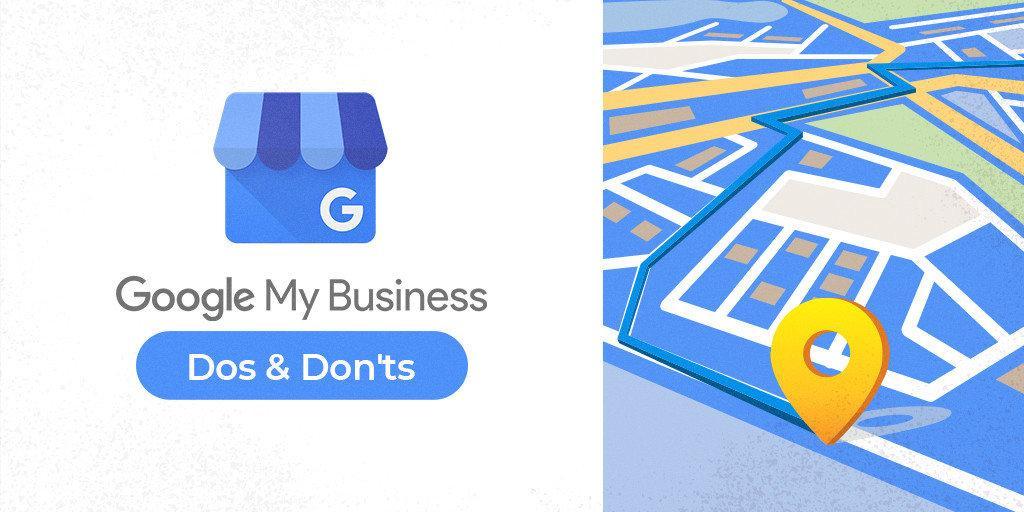
At its core, Google’s local algorithm prioritizes three primary factors: distance, relevance, and prominence. Your business profile serves as the primary signal-provider for these metrics. If your profile is sparse, inaccurate, or unverified, you are essentially invisible to the search giant’s ranking engine.
The process begins with the "NAP" (Name, Address, Phone) consistency. Google’s crawlers are constantly cross-referencing your profile data against your website, social media, and third-party directories. If your address is listed as "Suite 100" on your website but "Ste 100" on Google, or if your phone number varies across platforms, you create "data fragmentation." This inconsistency signals a lack of reliability to Google, which can penalize your rankings.
The Role of Verification
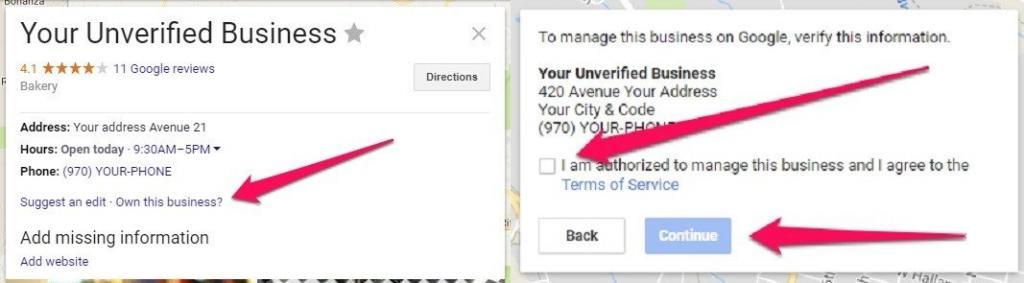
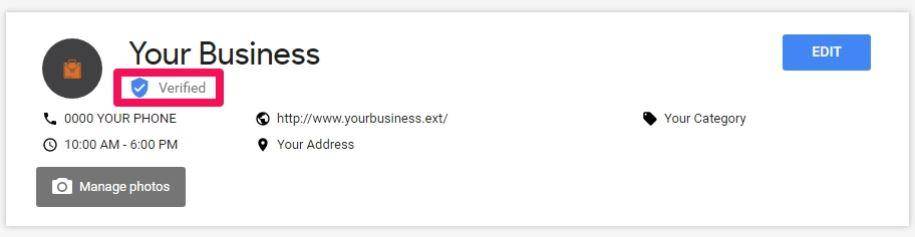
Verification is not merely a bureaucratic hurdle; it is the "keys to the kingdom." An unverified listing is at high risk of being hijacked or edited by competitors or malicious actors. Once verified, you unlock the full suite of engagement features, including the ability to respond to reviews, post updates, and access deep-dive analytics. The appearance of the official "Verified" badge also signals to customers that your business is legitimate and trustworthy.
The "Do’s" and "Don’ts" of Profile Setup
- Do: Strategic Keyword Placement. While your business name should be your actual legal brand name, it is permissible to append a descriptive term. Instead of "Arcadia," a more effective title would be "Arcadia: Boutique Hotel & Restaurant in London."
- Don’t: Keyword Stuffing. A common trap for novices is attempting to game the system by listing every service in the title, such as "Arcadia: Hotel, Motel, B&B, Cheap Rooms, London." This is a violation of Google’s policies and is a fast track to a "hard suspension," which can result in the total loss of your reviews and historical data.
2. Reviews: The Currency of Local Trust
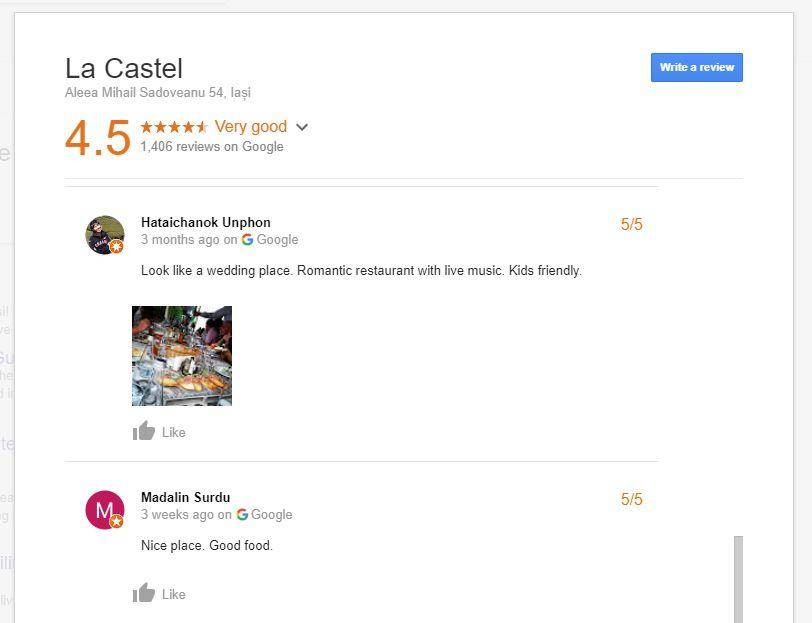
Customer feedback acts as a primary ranking signal. Google’s algorithms analyze the frequency, sentiment, and quality of reviews to gauge your business’s real-world reputation.
Driving Engagement and Credibility
A proactive strategy for collecting reviews is vital. Many businesses make the mistake of only asking for reviews after a transaction is complete, often letting the process be purely organic. However, providing a low-friction pathway—such as a QR code at the point of sale that links directly to your "Write a Review" prompt—can exponentially increase your review velocity.
- The Power of Local Guides: Google gives extra weight to reviews written by "Local Guides." These are users who frequently contribute to Google Maps. Cultivating relationships with these users or simply ensuring your service is of such high quality that it attracts their attention is a sophisticated way to boost your authority.
- The Negative Review Pivot: Many business owners fear negative reviews, but they are actually a massive opportunity. A polite, professional, and solution-oriented response to a negative review demonstrates to future customers that you are accountable and human. It transforms a potential PR disaster into a demonstration of exemplary customer service.
The Danger of Artificial Reviews
Never purchase fake reviews. Google’s AI models are increasingly adept at identifying "review rings" or clusters of artificial praise. If caught, the penalties range from a temporary drop in rankings to a permanent ban of your business listing. Furthermore, modern consumers are highly skeptical; if they see a pattern of suspicious, generic, five-star reviews, they will lose trust in your brand immediately.
3. Visual Storytelling: The Impact of Photos and Videos
In the era of visual search, your business profile must be a living, breathing digital storefront. Users are often deciding whether to visit your location based on what they see in the first three seconds of viewing your profile.
Maximizing Visual Assets
You should maintain a diverse library of images:

- Interior/Exterior: High-quality shots that help users find your location and understand your atmosphere.
- Products/Services: Clear, professional images of what you offer.
- The "Human" Element: Photos of your team humanize your business, which is a significant factor in building local rapport.
Google’s servers handle all image hosting, so do not fear file size. Uploading high-definition, original content is preferred over stock photos. Crucially, never use stock imagery. If you are a local shoe retailer, do not use official brand photos from the manufacturer’s website; take photos of the shoes as they sit on your store’s shelves. This signals to Google that your business is a physical, authentic entity.
4. Beyond the Listing: Total Reputation Management
A major misconception in local SEO is that "Google My Business" is the only place where your reputation lives. In reality, Google pulls data from across the web.
Social Listening as an SEO Strategy
If a customer complains about your business on an obscure forum, a local Facebook group, or a niche industry directory, that mention contributes to your digital footprint. Smart businesses use social listening tools, such as BrandMentions, to track every instance their brand name is mentioned across the internet.
- Implications: When you monitor mentions beyond Google, you catch PR issues before they reach a boiling point. If a customer is unhappy on Twitter, you can resolve the issue publicly before they leave a one-star review on Google.
- Citation Potential: Being cited by reputable local news outlets, industry blogs, or community boards creates "backlinks" that strengthen your local authority. These signals tell AI-powered search engines that you are a top-tier recommendation in your specific locale.
5. Chronology of Optimization
To effectively manage your Google profile, follow this systematic, chronological approach:
- Claim and Verify (Days 1–7): Ensure you have ownership of your listing. Clear out any duplicate profiles that may be confusing the search engine.
- Audit and Update (Days 8–14): Conduct a full NAP audit. Ensure your website, social media, and local directory listings all reflect identical contact information.
- Review Campaign (Ongoing): Implement a systematic way to request reviews. Start by reaching out to your most loyal, long-term clients.
- Visual Enhancement (Monthly): Dedicate time once a month to upload new photos and videos. Feature seasonal updates or new team members to keep the profile fresh.
- Engagement Pulse (Daily/Weekly): Respond to all new reviews, questions, and messages within 24 hours. Use the "Google Posts" feature to share updates, events, or promotions.
6. Official Guidelines and Ethical Implications
Google’s policies are explicit: content must be accurate, and the business must be a legitimate, accessible entity. Engaging in "black-hat" SEO—such as using fake locations, keyword stuffing, or paying for positive reviews—carries severe long-term implications.
The Cost of Non-Compliance
When a business is suspended for violating these guidelines, they lose more than just their ranking; they lose the trust of their existing customer base. Restoring a suspended account is a grueling process that can take weeks or months, during which time your business is effectively "dark" on Google Maps.
The Future of Search: AEO
As we move into the era of Generative AI and Answer Engine Optimization (AEO), your business profile is being used to train AI models. When a user asks an AI assistant, "What is the best coffee shop in downtown Chicago?" the AI pulls from the most trusted, well-optimized business profiles. Therefore, accuracy is no longer just about ranking; it is about being the "cited source" for AI-powered queries.
Conclusion: Sustaining Long-Term Success
Dominating the Local Map Pack is not a sprint; it is a marathon. It requires a commitment to accuracy, a culture of proactive customer service, and an investment in visual quality.

By avoiding the allure of shortcuts and focusing on the fundamentals—consistent NAP data, genuine customer engagement, and a holistic approach to your digital reputation—you position your business for long-term growth. Remember: Google’s goal is to provide its users with the best, most relevant local experiences. If your business profile demonstrates that you are that experience, the search engine will reward you with the visibility you deserve.
Stay consistent, remain ethical in your practices, and treat your Google Business Profile as the vital digital asset that it is. Your local community is looking for you—make sure they can find you, and make sure they like what they see.