








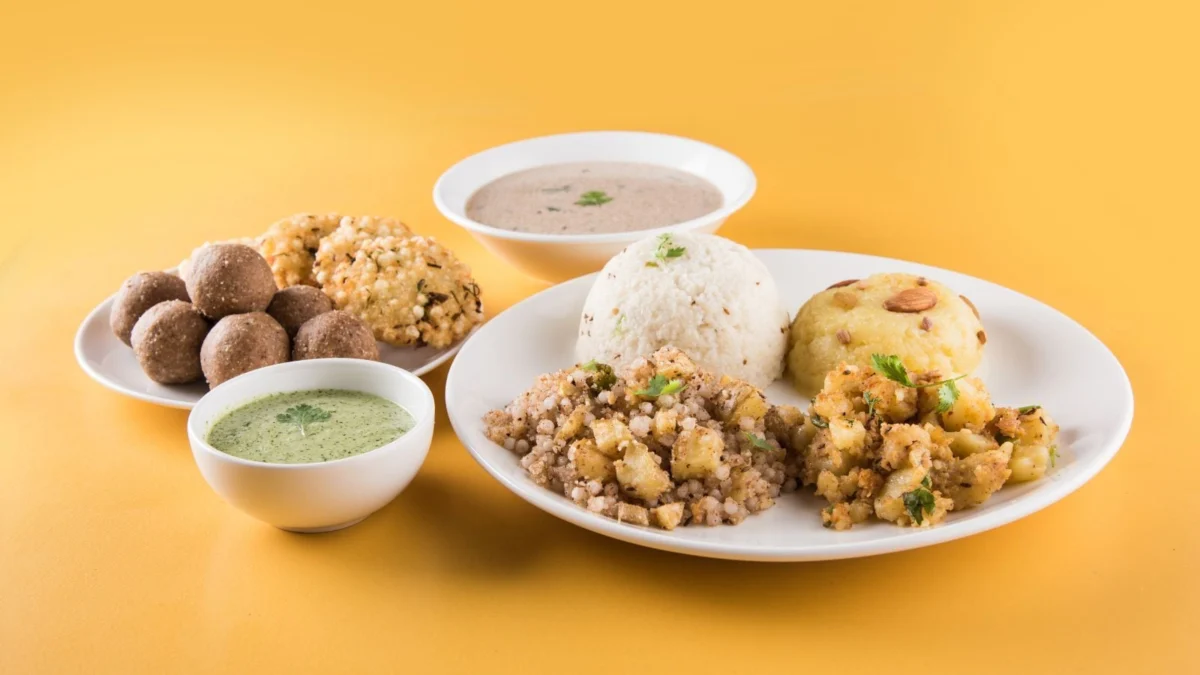
New Delhi: The confluence of Navratri and Durga Puja in October 2026 transformed India’s dining habits, shifting the culinary spotlight heavily toward traditional fasting essentials and celebratory sweets. According to comprehensive data released by food-tech major Swiggy, the long festive weekend—stretching from Durga Ashtami and Maha Navami to Dussehra (October 17 to October 20)—witnessed an unprecedented surge in digital food deliveries.
As millions of households balanced traditional religious observances with modern convenience, the delivery platform became a vital conduit for festive feasts. The insights shared by Swiggy paint a vivid picture of contemporary India: a nation deeply rooted in heritage, yet increasingly reliant on quick-commerce and food delivery ecosystems to celebrate its most cherished festivals.
Main Facts: The 2026 Festive Surge
The data compiled by Swiggy highlights a massive nationwide appetite for both vrat (fasting) friendly meals and celebratory confections. The high-demand window, concentrated tightly around the final four days of the festive stretch, saw millions of users opting out of tedious kitchen preparations in favor of ready-to-eat traditional delicacies delivered straight to their doorsteps.
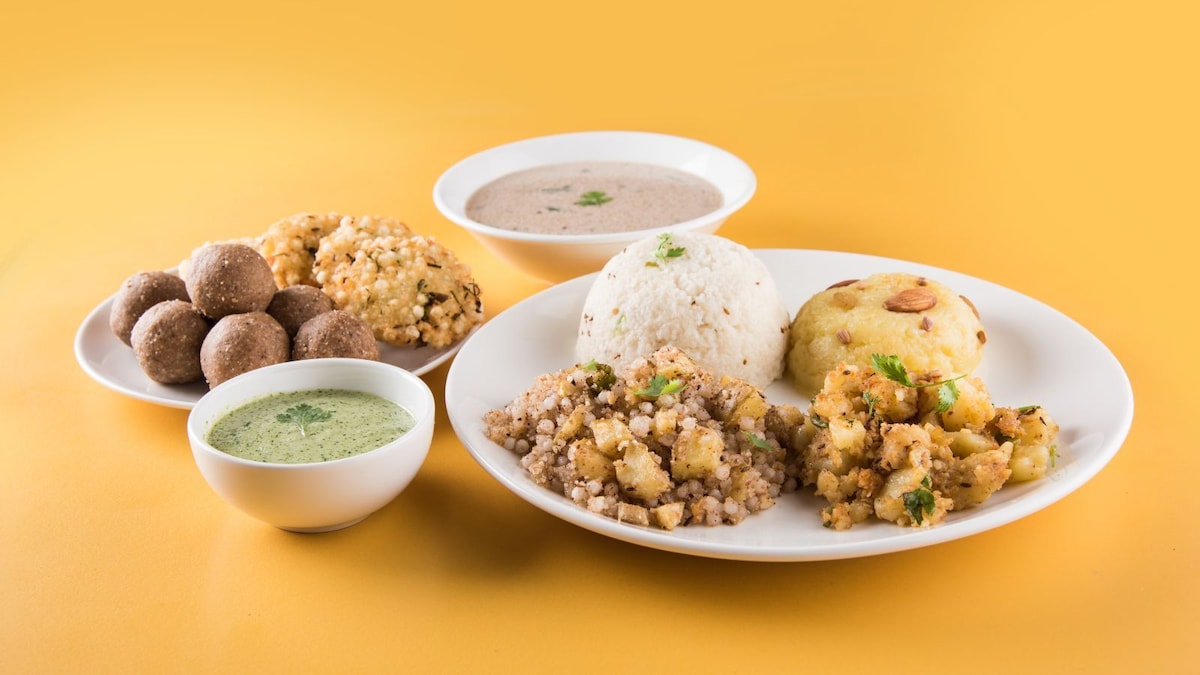
- Fasting Food Dominance: Dishes centered around sabudana (sago), kuttu (buckwheat), and samak rice saw staggering order volumes.
- The Sabudana Phenomenon: Sabudana-based items emerged as the single most popular category for those observing fasts, with delivery numbers reaching an astonishing hourly average.
- Sweet Success: Traditional Indian sweets experienced a massive 36.4% year-on-year growth compared to the corresponding festive period in 2025.
- Geographic Spread: While metropolitan hubs like Delhi, Mumbai, and Bengaluru led absolute order volumes, Tier-2 and Tier-3 cities—including Patna, Dehradun, Jodhpur, Gaya, and Thiruvananthapuram—pushed the growth needle significantly forward.
Chronology: How the Festive Craving Unfolded
The culinary momentum of the 2026 festive season followed a distinct timeline, closely mirroring the religious calendar of Navratri and Durga Puja.
October 17–18: The Onset of Ashtami and Navami Preparations
As pandals filled with devotees and households prepared for Kanya Pujan and major Ashtami-Navami rituals, the demand for specialized fasting menus began to spike. Early morning orders on Swiggy reflected a transition toward permitted ingredients. Consumers actively searched for items free of regular table salt (using sendha namak instead) and grains, steering clear of wheat and rice in favor of pseudo-grains like kuttu and rajgira.
October 19–20: The Peak Weekend Rush (Dussehra and Post-Puja Celebrations)
The climax of the festival coincided with a long weekend, acting as a massive catalyst for food delivery aggregators. Between October 17 and October 20, the demand for both vrat thalis and celebratory desserts reached a fever pitch. Sunday and Monday evenings saw a massive crossover of trends: households breaking fasts simultaneously ordered elaborate multi-course fasting platters alongside celebratory sweets like rasgulla and gulab jamun to mark the victory of good over evil on Dussehra.

Supporting Data: By the Numbers
Swiggy’s data analytics department broke down the festive numbers into granular, highly illustrative metrics that underscore the scale of modern Indian consumption patterns.
1. The Reign of Sabudana
Vrat foods are notoriously labor-intensive to prepare, requiring careful soaking, balancing of spices, and precise cooking techniques. This complexity turned out to be a major growth driver for restaurants offering fasting menus.
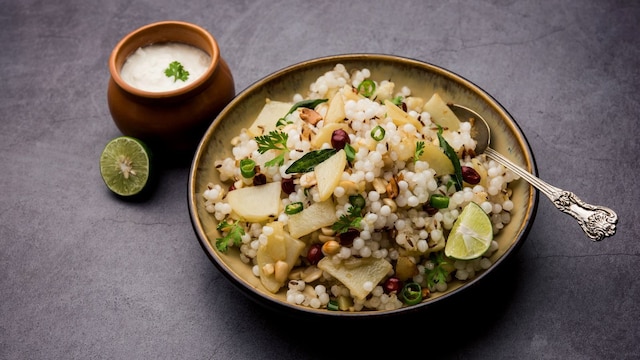
- Hourly Average: Swiggy delivered an average of 1,794 sabudana dishes every hour across India throughout the peak festive weekend.
- Key Variants: Traditional Sabudana Khichdi and crisp Sabudana Vadas dominated the cart additions, preferred for their energy-dense properties during long hours of fasting.
2. The Comprehensive Vrat Thali
For consumers looking for a complete meal rather than a single snack, restaurants curated specialized three-course fasting platters.
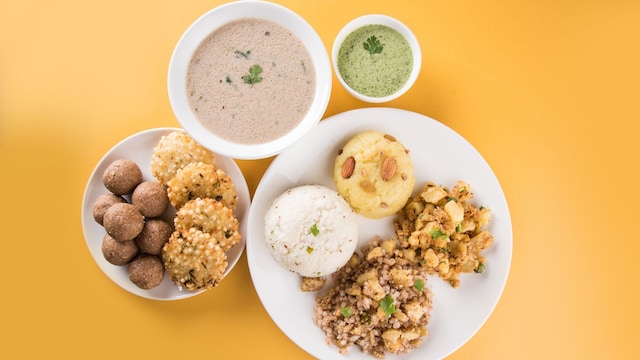
- Top Performers: Nationally, the Navratri Vrat Thali featuring Singhara Poori (water chestnut flour flatbread), Rajgira Poori, and Aloo Hing (potato curry with asafoetida) emerged as the most sought-after choice.
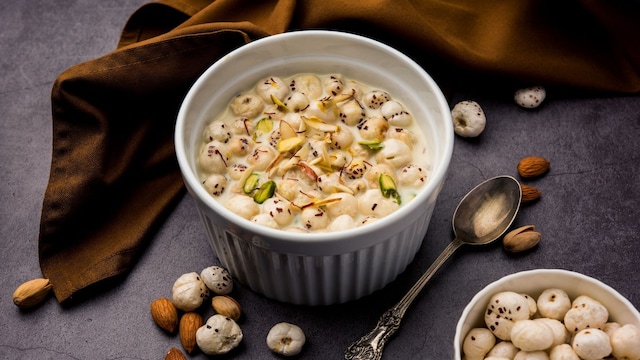
- Diverse Ingredients: Dishes incorporating samak rice, makhana (fox nuts) kheer, and kuttu rotis also witnessed widespread adoption, highlighting regional variations in fasting diets.
3. The Sweet Triumph of Rasgulla
While fasting sustained daytime orders, the evenings belonged unreservedly to traditional mithai.
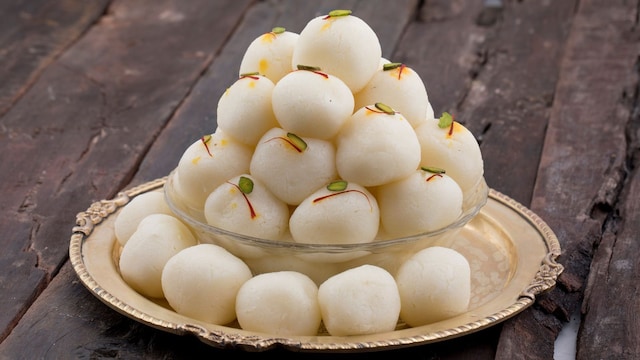
- The Bengali Classic: Rasgulla claimed the crown as India’s absolute favorite festive dessert during the 2026 celebrations.
- Hourly Count: The quintessential spongy sweet recorded an average of 495 orders every hour.
- Top Markets: While deeply tied to Durga Puja celebrations in the east, the highest volume centers for rasgulla delivery surprisingly included major urban hubs like Delhi, Mumbai, and Gurugram.
4. Broadening the Confectionery Cart
Beyond rasgullas, India’s collective sweet tooth craved variety.
- Runner-Up Treats: Gulab Jamun, Kaju Katli, Jalebi, and Rasmalai saw massive traction.
- Growth Metrics: Overall orders for traditional Indian sweets registered a remarkable 36.4% increase over the same festival window in 2025, signaling that digital ordering platforms have firmly captured the traditional mithai market.
Official Responses and Industry Insights
Food delivery executives and restaurant partners noted a paradigm shift in how consumers approach religious and cultural festivities.
"Festivals in India are increasingly defined by a blend of reverence and convenience," noted a senior industry analyst following the release of the insights. "Consumers want to uphold traditional dietary customs—whether it is maintaining strict vrat disciplines or offering bhog to deities—but they prefer outsourcing the labor-intensive preparation to cloud kitchens and specialized eateries."
Restaurants specializing in traditional sweets and regional thalis reported running at peak capacity days in advance. Many cloud kitchens proactively updated their menus weeks prior to Navratri, introducing dedicated "Vrat Corners" on the app interface to capture the high-intent search traffic.
Furthermore, supply chain optimizations allowed platforms to maintain rapid delivery times despite the heavy traffic of the long weekend, ensuring that piping-hot sabudana khichdi and chilled rasgullas reached consumers in optimal condition.
Implications: What This Means for India’s Food Economy
The 2026 Navratri and Durga Puja trends offer several key takeaways regarding the evolution of India’s quick-commerce and food-tech sectors.
1. Mainstreaming of Niche Dietary Requirements
What was once restricted to home kitchens or specialized local sweet shops has now been successfully scaled by organized food tech. The ability to source authentic, fasting-compliant meals—adhering strictly to religious dietary restrictions—proves that online aggregators have built sophisticated local vendor networks capable of catering to hyper-specific cultural nuances.
2. The "De-Seasonalization" of Mithai Consumption
Traditionally perceived as impulse purchases during specific festivals, traditional Indian sweets are increasingly being integrated into regular e-commerce purchase cycles. The 36.4% surge over 2025 numbers indicates that platforms like Swiggy are successfully positioning mithai as an easy, premium gift and celebratory option, neutralizing the friction of visiting physical sweet marts during crowded festival days.
3. Hyper-Local Growth Beyond Metro Cities
While metropolises like Bengaluru, Hyderabad, Delhi, and Chennai naturally anchored high absolute volumes, the emergence of Tier-2 and Tier-3 cities—such as Patna, Dehradun, Jodhpur, Gaya, and Thiruvananthapuram—as prominent drivers of festive orders signals a broader structural shift. Digital adoption for food and grocery delivery has penetrated deep into India’s heartland, establishing a uniform national template for how urban and semi-urban populations celebrate traditional holidays.
As India looks toward the Diwali and wedding seasons later in the year, the success of the Navratri-Durga Puja delivery wave sets a robust precedent. It demonstrates that as long as cultural traditions remain vibrant, the country’s digital infrastructure stands ready to serve them—one plate of sabudana khichdi and one rasgulla at a time.