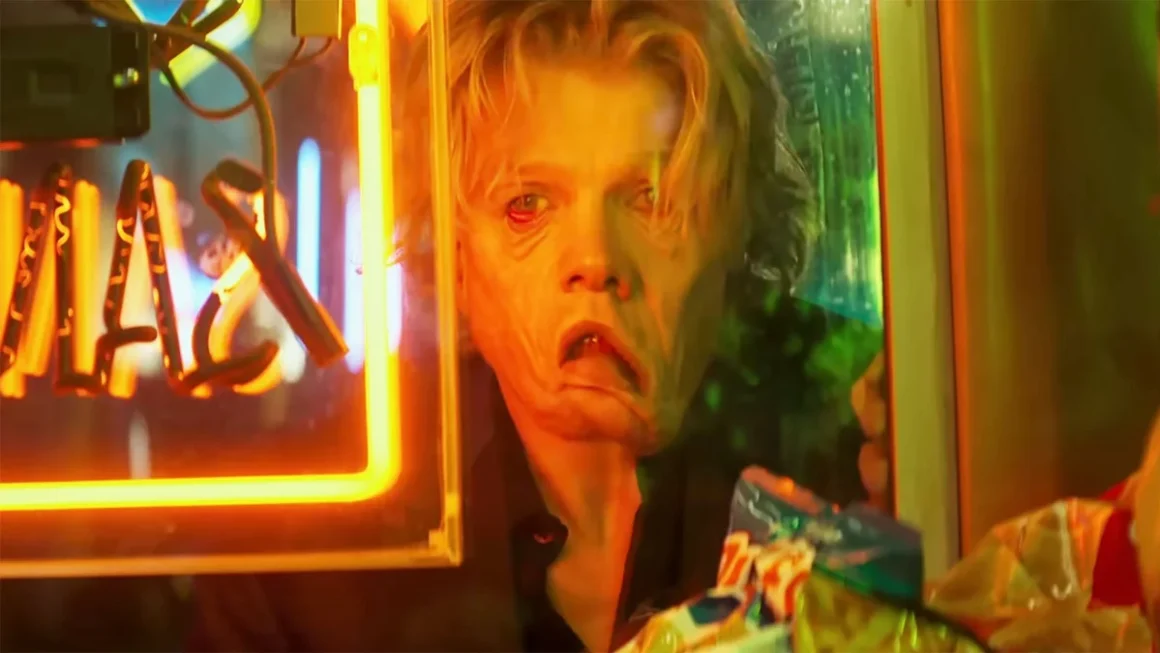









The release of Clayface, the latest entry in the burgeoning DC Universe (DCU), has sparked a flurry of discourse among comic book enthusiasts and cinephiles alike. As the film carves out its own dark, visceral corner of the new cinematic landscape curated by James Gunn and Peter Safran, one glaring omission has become a primary point of debate: the absence of the Caped Crusader.
Despite official confirmation that a version of Batman is currently active and patrolling the rain-slicked streets of Gotham City during the events of the film, Bruce Wayne’s alter ego remains conspicuously absent from the screen. In an industry defined by interconnected cameos and "shared universe" obligations, director James Watkins has opted for a different narrative path—one that prioritizes character-driven tragedy over fan-service synergy.
The Context: Establishing the New DC Universe
To understand the significance of this creative choice, one must first look at the state of the DCU. Under the stewardship of James Gunn and Peter Safran, the franchise is undergoing a meticulous, foundational rebuild. While the DCU’s premiere adult animated series, Creature Commandos, offered a fleeting glimpse of the Dark Knight—albeit shrouded in shadow—there has been no official announcement regarding who will don the cowl for the upcoming live-action projects.
This "missing actor" status has led to rampant speculation. With rumors swirling about potential casting choices and the eventual introduction of the Bat-family, the pressure on any project set in Gotham to acknowledge the vigilante is immense. Yet, Clayface manages to exist in the same reality without relying on the Bat-signal to anchor its plot. By keeping Batman in the wings, the film avoids the "universe-building" trap that has stifled many modern blockbusters, allowing the narrative to focus entirely on the transformation of Matt Hagen.
Chronology of a Creative Decision
The road to Clayface was paved with high expectations for a traditional superhero narrative. When Peter Safran confirmed to Collider earlier this year that Batman was already an established, active force in the city, fans immediately began mapping out potential confrontation sequences.

However, as production progressed, it became clear that Watkins’ vision was diverging from the standard blueprint. The film, which functions as a gritty, character-focused body horror drama, was never intended to be a Batman movie. By the time the film hit theaters in late October, the absence of the hero had shifted from a "missing cameo" to a "deliberate artistic statement."
The Evolution of the DCU Strategy
- Late 2024: Creature Commandos premieres on HBO Max, marking the official start of the DCU. It features a brief, atmospheric cameo by Batman, setting the precedent that the character exists in this world.
- Pre-Release: Speculation intensifies regarding Clayface as fans wonder if the film will introduce the DCU’s iteration of Batman.
- Late October 2024: Clayface is released. Critics and audiences note the absence of the Dark Knight, leading to questions about the "shared universe" connectivity.
- Post-Release: Director James Watkins clarifies that the absence was a narrative choice, citing a desire to keep the film focused on the tragedy of Matt Hagen.
The Director’s Philosophy: Why Less is More
In an exclusive conversation regarding the film’s production, James Watkins was candid about his motivations. He drew a sharp line between his work and the temptation to include "stunt casting" or forced cameos.
"If you look at the 2019 Joker film, it’s one man’s story in the world of Gotham, which is a city of millions," Watkins explained. "My goal was to tell another man’s story—Matt Hagen’s story—to the best of my ability. I didn’t want to be cute or cheap or tricksy. To try and crowbar something in felt inappropriate."
Watkins emphasized that while the film includes subtle nods and Easter eggs for the eagle-eyed viewer, he was adamant about avoiding the "stunt cameo." This is a significant pivot from the traditional "Marvel-style" interconnectedness, where post-credits scenes and guest appearances are often used to bridge gaps between films. By refusing to shoehorn Batman into the narrative, Watkins preserves the film’s tone, ensuring that the horror of Hagen’s transformation remains the focal point of the audience’s experience.
The End Credits Dilemma
The lack of a post-credits scene in Clayface has further fueled the discussion about the DCU’s evolving structure. In a cinematic landscape dominated by the "wait for the stingers" culture, Clayface breaks the mold by opting for a stark, final, and somber conclusion.

James Gunn, co-head of DC Studios, has previously expressed a specific philosophy regarding end credits. He has stated that he prefers to avoid them unless they feel organic and necessary. He has been vocal about his desire to ensure that when a post-credits scene is included, it pays off in a meaningful way in future projects, rather than simply serving as a generic teaser for the sake of hype.
Watkins applied this logic to Clayface with an added layer of thematic intent. "The film ends in a really tragic way," the director noted. "I wanted people to walk out of the theater with that final shot imprinted in their minds, rather than undercutting the emotional weight of the tragedy with a tease for a future film." The final frame, depicting the grotesque and heartbreaking culmination of Matt Hagen’s transformation, is intended to haunt the viewer, not to distract them with the promise of a sequel or a crossover.
Implications for the Future of the DCU
The success of Clayface suggests that the DCU may be adopting a "siloed" approach to storytelling, where the shared universe is a backdrop rather than a requirement. This is a bold move in an era where audiences are increasingly suffering from "cinematic universe fatigue."
1. Narrative Autonomy
By allowing directors to tell standalone stories within the DCU, Gunn and Safran are creating space for unique tonal variations. A horror-leaning character study like Clayface does not necessarily need a superhero intervention to be valid. This autonomy allows for higher quality, more distinctive films that stand on their own merits.
2. The Value of "Show, Don’t Tell"
The DCU is proving that you don’t need to see the Justice League to know the Justice League exists. By establishing that Batman is "out there" without forcing him into every frame, the studio is building a world that feels vast and populated, rather than one that feels like a small stage where the same five characters constantly cross paths.

3. Redefining the Fan Experience
The absence of a post-credits scene and the lack of a major hero cameo forces the audience to engage with the film as a complete piece of art. It encourages viewers to appreciate the performances, the cinematography, and the writing, rather than just waiting for the next "reveal."
Conclusion: A New Standard for DC
The decision to leave Batman out of Clayface is, in retrospect, a masterclass in narrative discipline. It serves as a reminder that the best comic book adaptations are those that respect the medium’s diversity of tone. Whether it is a lighthearted superhero romp or a gritty, psychological horror story, the DCU appears committed to allowing its projects the breathing room to be what they need to be.
As the DCU moves forward, the question will no longer be "Who is going to show up?" but rather "How will this film stand on its own?" If Clayface is any indication, the future of DC is one where the shadows of Gotham are deep enough to hold many stories—and sometimes, it is the absence of the light that makes the darkness truly compelling.
By prioritizing the tragic arc of Matt Hagen over the demands of a shared universe, James Watkins has delivered a film that feels authentic to its source material while remaining refreshingly independent. It is a bold step forward, one that suggests the DCU is less concerned with building a theme park and more interested in building a library of diverse, powerful, and unforgettable stories.