








The landscape of India’s organized fashion retail is witnessing a significant shift as Italian retail powerhouse OVS aggressively scales its operations. With a clear vision to establish India as its primary market outside of Italy, the brand has embarked on a strategic expansion plan that balances large-format physical store growth with a deep, data-driven understanding of the diverse Indian consumer.
The Strategic Vision: Scaling for Success
OVS, a dominant force in the European apparel market with a footprint spanning over 2,600 stores globally, is not merely testing the waters in India; it is diving into the deep end. The company has officially announced an ambitious roadmap to operate between 25 and 40 outlets across the country within the next five to seven years.
This expansion is anchored in a firm commitment to establishing a sustainable and profitable business model. According to Sundeep Chugh, Managing Director of OVS India, the overarching goal is to position the Indian subsidiary as the company’s largest international market. To achieve this, the brand is prioritizing a "physical-first" strategy, utilizing the first few years of operations to refine its product assortment, pricing architecture, and operational efficiency before pivoting to a multi-channel approach.
Chronology of Market Entry and Expansion
The trajectory of OVS in India has been deliberate and methodical. The brand entered the market in 2025, marking its debut with a flagship-style store at Pacific Mall in New Delhi. This initial foray served as a critical pilot, providing the company with immediate insights into local purchasing power and brand reception.
- 2025: Entry into the Indian market with the inaugural store at Pacific Mall, New Delhi.
- March 2026: Expanding into the financial capital with a new store at Sky City Mall, Borivali, Mumbai.
- Late 2026: Opening of the largest Indian store to date at R City Mall, Ghatkopar, Mumbai, covering approximately 12,400 sq ft.
- 2027 and Beyond: A target of reaching seven operational stores by the end of 2027, followed by a wider rollout targeting 25–40 stores by 2031–2033.
The recently inaugurated R City Mall outlet serves as the current benchmark for the brand’s Indian operations. Spanning over 12,000 square feet, the store houses an extensive range of collections, including menswear, womenswear, and kidswear. Notably, it introduces the ‘MYA’ curve collection to the Indian market, alongside established sub-brands such as PIOMBO, Les Copains, and B.Angel.
Supporting Data and Market Performance
The confidence behind OVS’s expansion is rooted in tangible performance metrics. Despite the inherent challenges of launching an international brand in a value-conscious market like India, the company has reported promising results from its early retail sites.
The Delhi Pacific Mall outlet serves as a success story for the brand’s operational strategy. It reached profitability within its first month of operations and, as it neared its first anniversary, was tracking at 108% of its initial sales targets. Similarly, the Mumbai outlet in Borivali has shown strong alignment with internal projections after its first six months.
Sales Demographics and Consumer Profile
Data gathered by the brand reveals a clear picture of its core audience:
- Age Segmentation: Approximately 70% of the brand’s sales are generated by consumers in the 16–35 age bracket.
- Category Contribution: Womenswear remains the primary driver, accounting for 45–50% of total sales. Menswear contributes 30–35%, while kidswear accounts for 20%.
- Average Ticket Size: The average bill value is currently hovering around Rs 5,500, suggesting a mid-premium positioning that resonates with urban shoppers.
- Product Assortment: The brand manages a robust catalog of 3,500–4,000 stock-keeping units (SKUs) to cater to diverse fashion needs.
Official Responses and Strategic Rationale
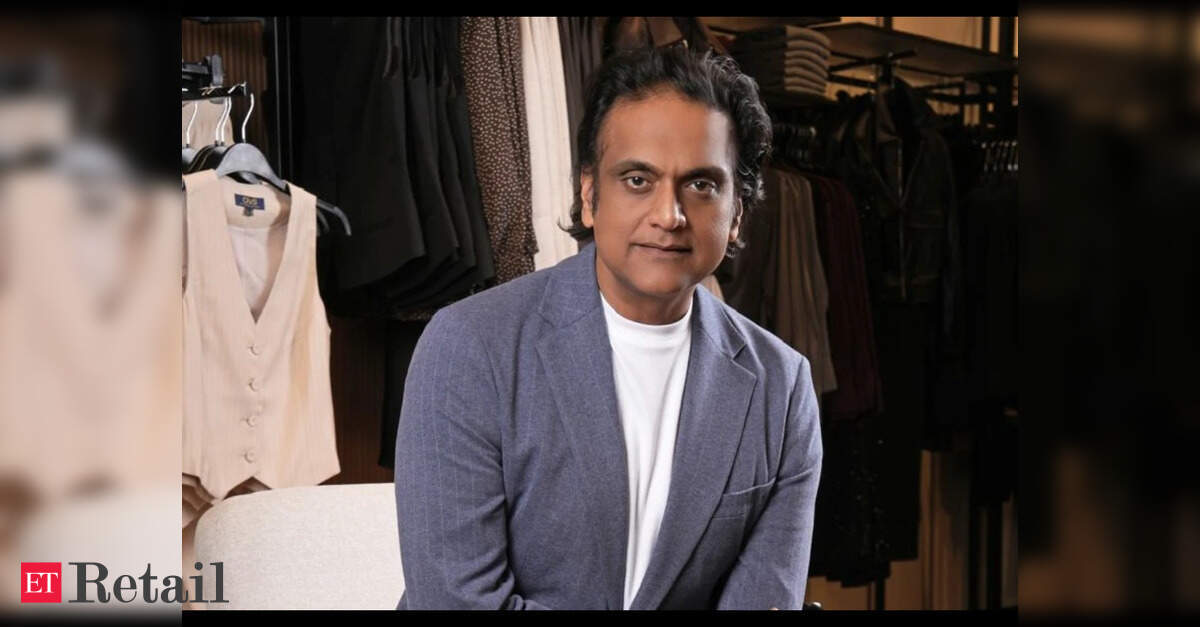
Sundeep Chugh has been instrumental in articulating the brand’s "India-first" philosophy. Regarding the choice of store size, Chugh emphasized that a footprint of approximately 10,000 square feet is the "sweet spot" for an international brand in India. It provides sufficient space to curate an immersive brand experience while maintaining the high sales productivity required for profitability.
"India is a very diverse market, and different channels are very important to reach a wider consumer segment," Chugh noted. "The first two to three years are more about physical expansion, then also understanding and exploring different channels."
This focus on physical retail is intentional. OVS is currently leveraging these stores as "laboratories" to learn about local preferences—such as the need for earlier seasonal transitions in merchandise—before launching their dedicated Indian e-commerce platform, which is currently slated for the end of the Spring/Summer 2027 season.
Implications for the Indian Retail Sector
The entry and rapid scaling of OVS hold significant implications for the domestic fashion retail sector.

1. The Rise of "Global-Local" Adaptation
OVS is demonstrating that success in India requires more than just importing European styles. By adjusting its collections for Indian weather and incorporating more vibrant color palettes—specifically for its kids’ segment—the brand is setting a standard for how global retailers must adapt to local nuances to remain competitive.
2. Supply Chain Integration
Beyond retail, OVS is deepening its industrial ties with India. Currently, India accounts for 12–15% of the brand’s global sourcing. By intending to increase this share over the coming years, OVS is positioning itself as both a major retailer and a significant contributor to the Indian textile manufacturing ecosystem.
3. Impact on Real Estate and Competition
The company’s focus on metropolitan and tier-I hubs like Pune, Surat, Bengaluru, Chennai, Hyderabad, and Chandigarh signals increased competition for prime real estate in high-end malls. As OVS continues to target profitability at the store level, other international players may face increased pressure to refine their own cost structures and service offerings to maintain market share.
4. Financial Sustainability
At the corporate level, OVS anticipates recovering its initial setup and backend costs within three to four years, with a target timeline of 2028–29. This long-term horizon reflects a mature approach to the Indian market, contrasting with brands that seek rapid, unsustainable growth. By focusing on sustainable, long-term profitability, OVS is building a foundation that is likely to survive the cyclical volatility often seen in the retail industry.
Conclusion
OVS has positioned itself as a serious contender in the Indian fashion space. By combining the scale and pedigree of a global retail giant with a localized strategy that respects the unique requirements of the Indian consumer, the brand is well-poised to achieve its goal of making India its largest subsidiary outside of Italy. As it moves toward its 2027 goals and prepares for the launch of its e-commerce vertical, the industry will be watching closely to see how this Italian retailer balances its rapid expansion with the need for sustained, store-level profitability.
With a strong start, a clear roadmap, and a commitment to deep market integration, OVS is not just selling clothes; it is weaving itself into the fabric of the modern Indian retail story.