



In the fast-paced world of digital marketing and visual communication, capturing attention often requires more than just high-quality imagery—it requires an emotional connection. Enter the "Kawaii" font movement. Rooted in the Japanese cultural phenomenon of kawaii (meaning "cute" or "adorable"), these typefaces have transcended their niche origins to become a powerhouse in global graphic design. From bubbly, rounded lettering to soft, pastel-ready aesthetics, Kawaii fonts are reshaping how brands communicate joy, warmth, and accessibility.
The Genesis of Kawaii Typography: A Brief Chronology
The evolution of the Kawaii aesthetic can be traced back to 1970s Japan, specifically within the realm of student handwriting and stationery culture. Young women began adopting a rounded, stylized, and heavily decorated form of calligraphy that prioritized cuteness over traditional legibility.
As this trend moved from the classroom to the commercial sector, it became a cornerstone of Japanese pop culture, popularized by global icons like Hello Kitty. By the early 2000s, with the rise of digital design tools, independent font foundries began digitizing these organic, playful shapes. What was once a localized handwriting style has now blossomed into a massive library of professional-grade, playful typefaces that serve as the backbone for modern character branding and children’s media.
Supporting Data: Why "Cute" Sells
Psychological studies into visual perception consistently suggest that rounded shapes, large proportions, and soft curves—the hallmarks of Kawaii fonts—trigger positive emotional responses in human brains. These forms are often associated with infant-like features (the "baby schema"), which naturally elicit feelings of protectiveness, happiness, and trust.
In the design industry, this translates to tangible results. Brands utilizing playful, approachable typography in their social media assets report higher engagement rates, particularly among Gen Z and Millennial demographics who favor authenticity and emotional resonance. Whether it is a product label for a snack company or a header for a mobile gaming app, the strategic application of these fonts creates an immediate, low-barrier connection with the audience.
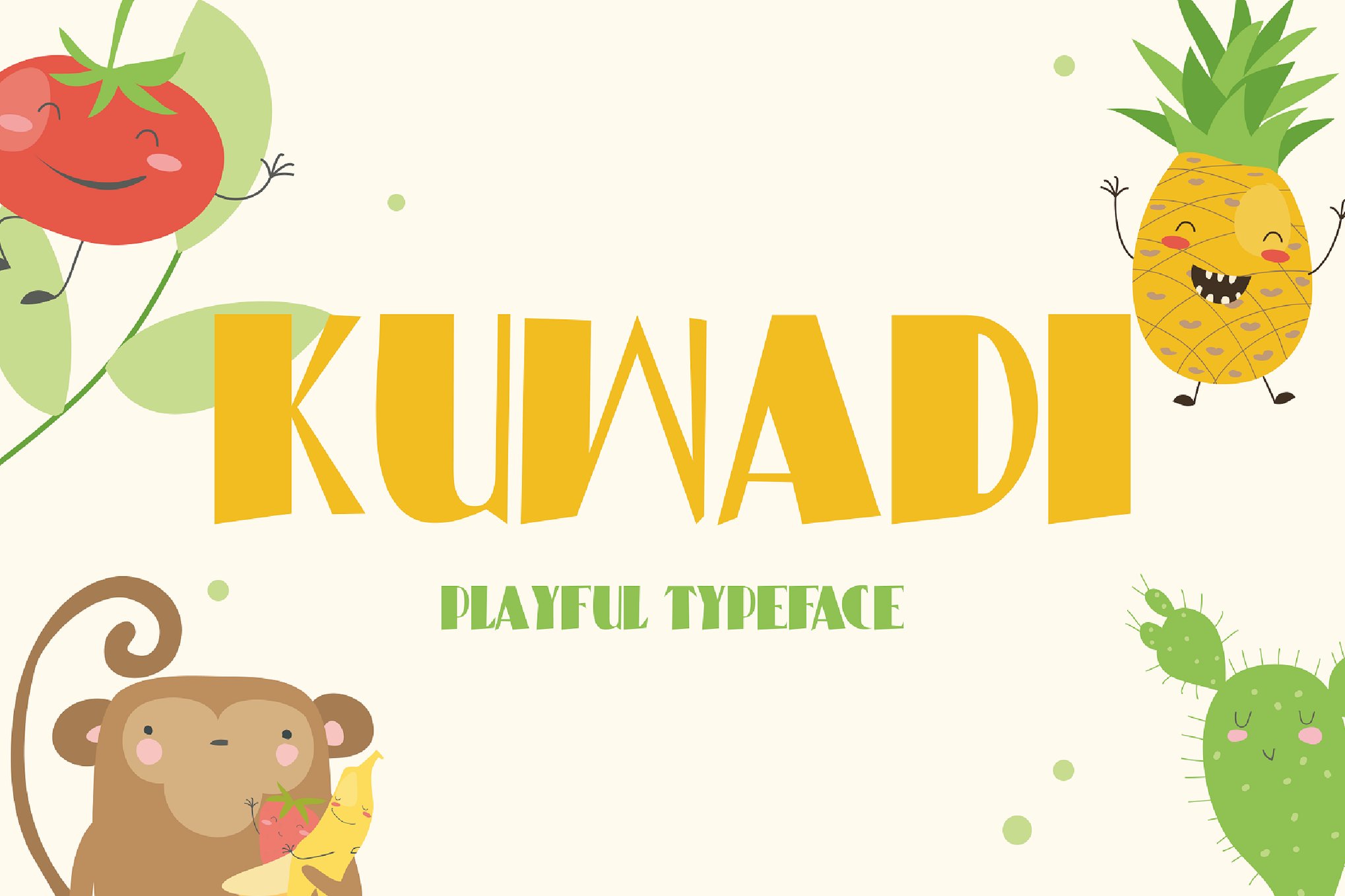
The Top Contenders: A Curated Selection of Playful Typefaces
The current market offers a vast array of Kawaii-inspired fonts, each catering to different facets of the aesthetic—from the bold and energetic to the delicate and whimsical.
1. High-Energy Display Fonts
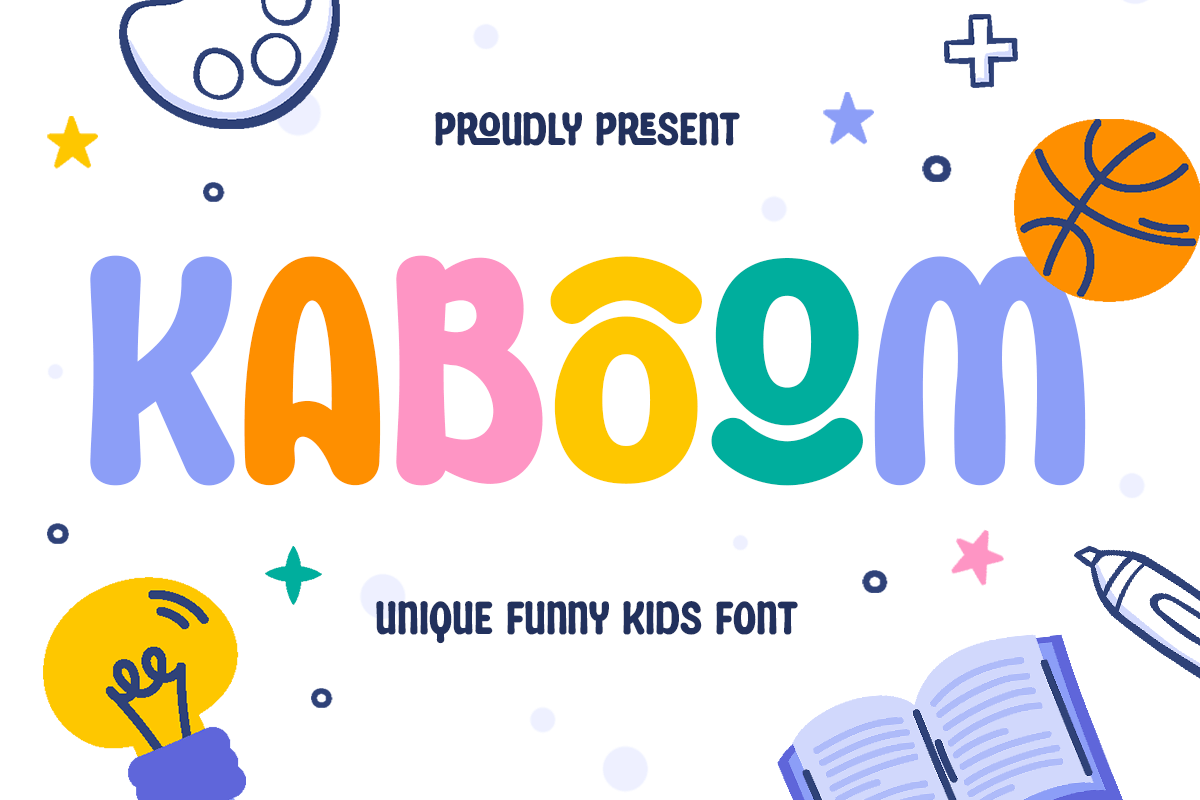
- KABOOM: A masterclass in energy, KABOOM utilizes bold, rounded letterforms that feel both punchy and joyous. It is specifically designed for environments where impact is key, such as cartoon titles, gaming interfaces, and vibrant product packaging.
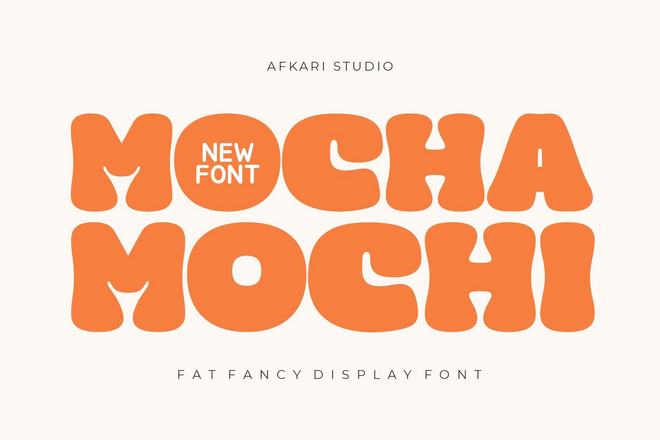
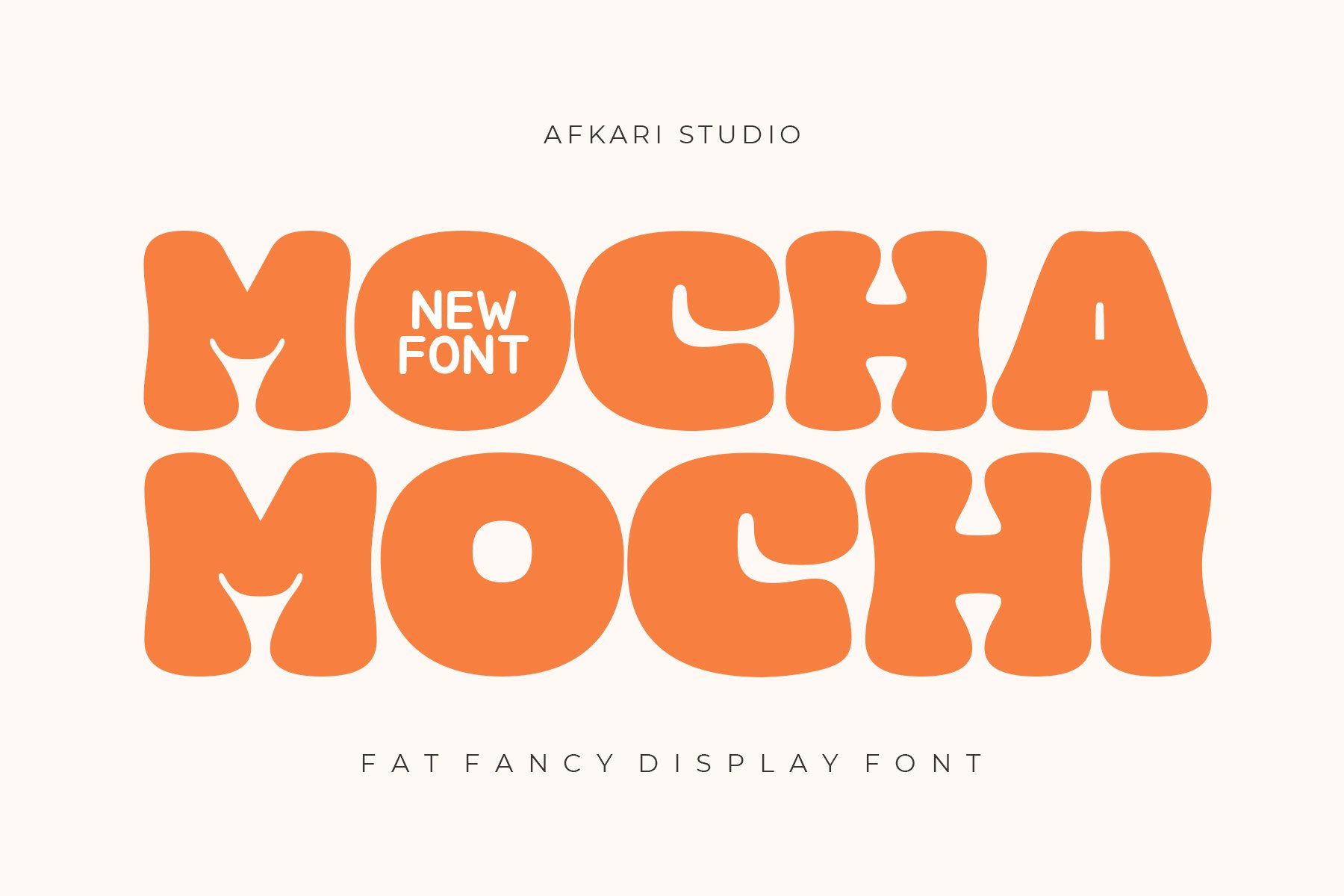
- Mocha Mochi: Inspired by the satisfying texture of Japanese sweets and the comfort of a warm coffee, this "fat" display font is perfect for brands that want to communicate softness and indulgence. Its modern, rounded aesthetic is a favorite for digital marketing campaigns.
2. Whimsical and Handwritten Styles
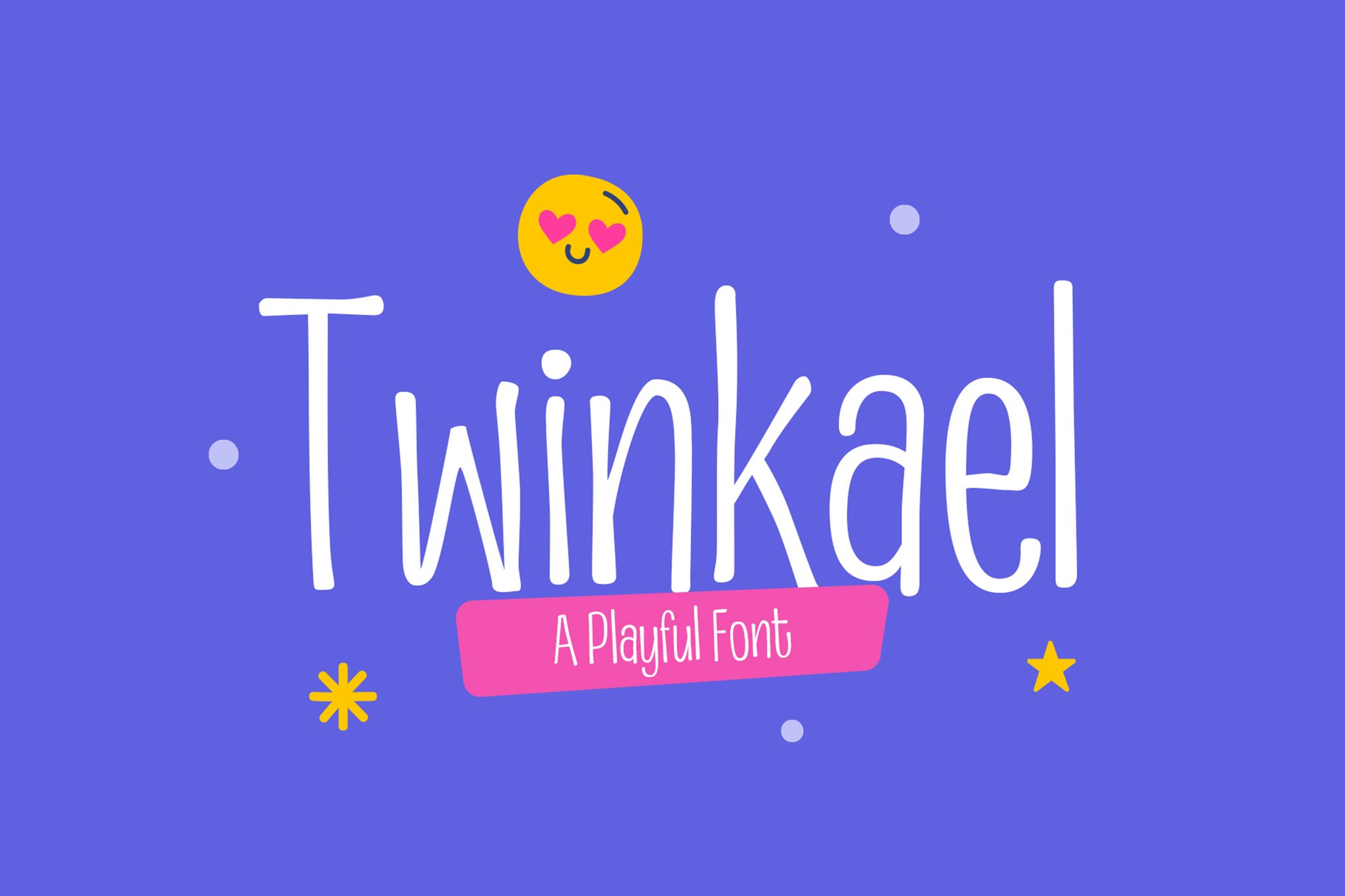
- Twinkael: If you are looking for a font that mimics a personal, handwritten touch, Twinkael is the premier choice. Its tall, slim characters and quirky pen strokes bring an authentic, human feel to greeting cards and boutique branding.
- Ghostoona: For those aiming for a more "childish" and whimsical charm, Ghostoona offers a marker-style aesthetic that works beautifully in animated film titles and children’s literature.
- Maebita: This hand-drawn typeface is designed specifically to handle the contrast between "noisy" visual backgrounds and bold, readable headlines. It is a go-to for designers who need a cute aesthetic without sacrificing professional structure.
3. Faux-Japanese and Thematic Fonts
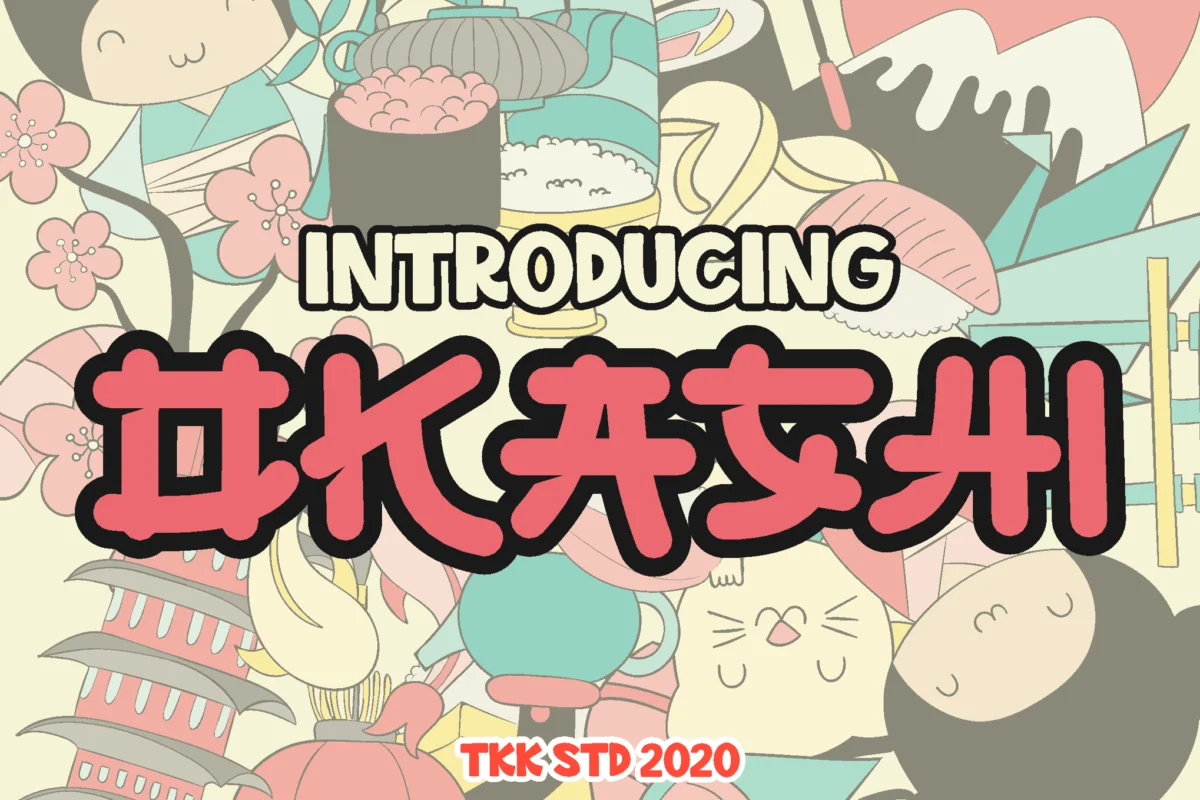
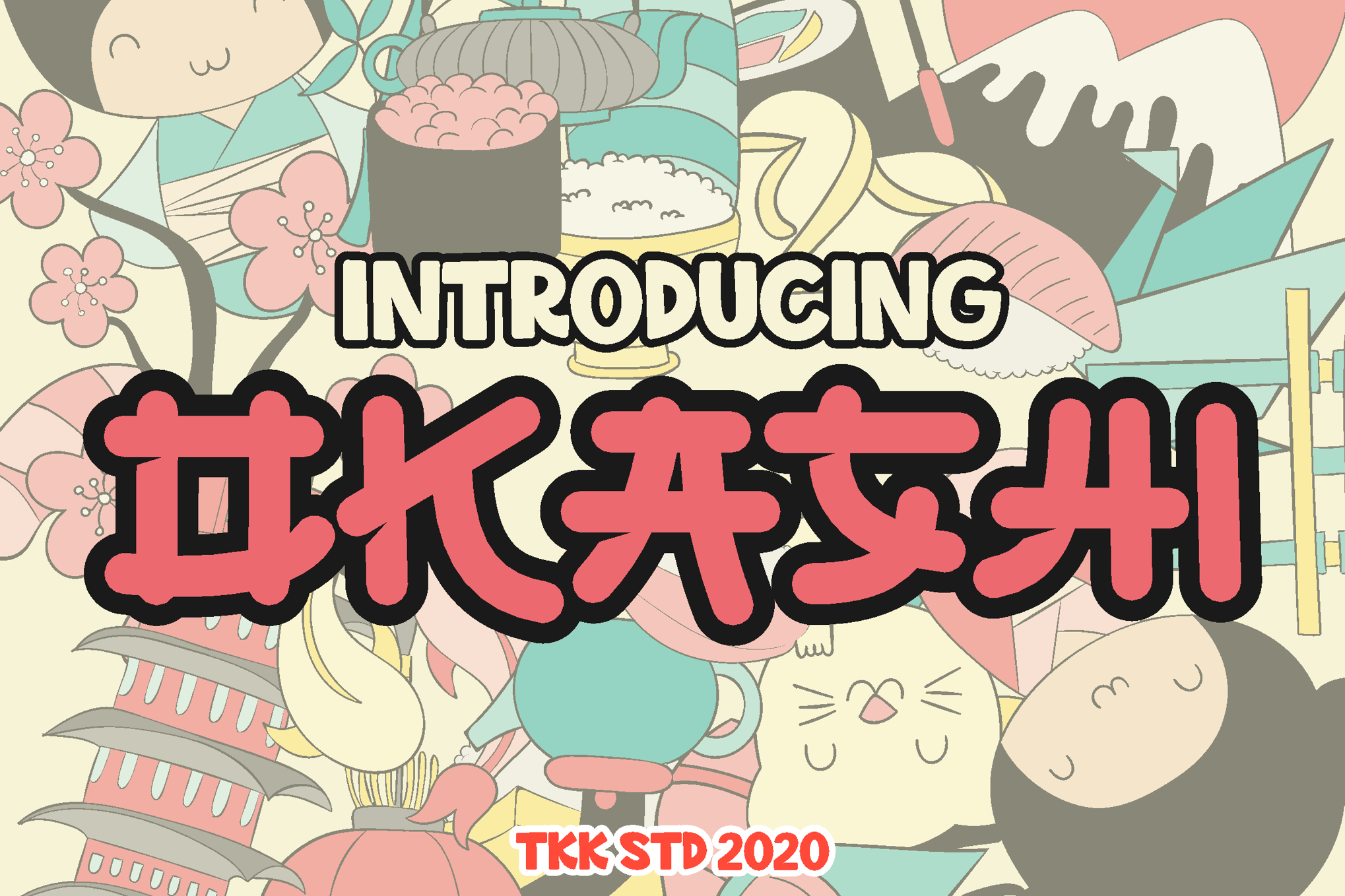
- OKASHI: Drawing direct inspiration from Japanese snack packaging, OKASHI features the bouncy baseline and bubble-text curves synonymous with manga-inspired design.
- GAYANA: Blending traditional Japanese visual sensibilities with a modern, approachable font structure, GAYANA is the industry standard for food branding and thematic event posters that require a memorable, culturally-inspired edge.
- Hikaru Asian: A masterpiece of simplicity, this font provides a clean, adorable, and highly versatile aesthetic suitable for everything from corporate logos to personal blog headings.
4. Layered and Decorative Options
- Calli Cat: Inspired by the patterns of Calico cats, this layered font allows designers to play with color and depth, making it an excellent choice for T-shirt designs, merchandise, and complex social media layouts.
- WARNAI: Offering three distinct styles—regular, vibrant lines, and brush—WARNAI is one of the most flexible options on the market. It allows a single brand identity to maintain consistency while varying the "vibe" of the messaging.
Implications for Future Branding
The shift toward Kawaii typography is not merely a passing fad; it represents a broader movement toward "human-centric" design. As AI-generated content becomes more prevalent, the desire for designs that feel distinctly "made by hand" or "crafted with care" will only intensify.
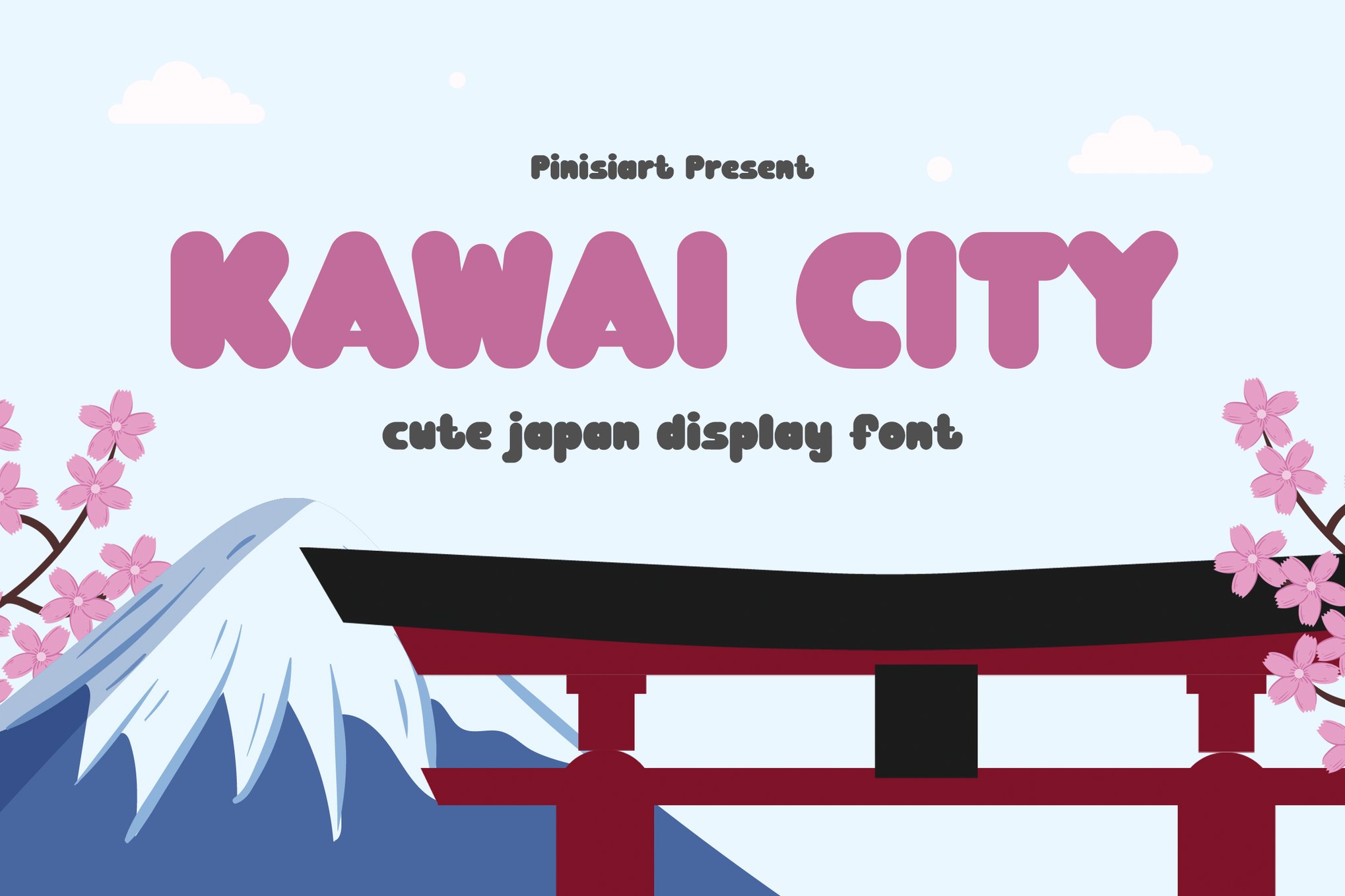
Brands that leverage these fonts are effectively signaling that they are approachable and lighthearted. However, the implication for designers is that these fonts must be used with intent. Because they carry such a strong emotional weight, they are most effective when paired with soft color palettes, rounded illustration styles, and whitespace-heavy layouts.
A Note on Accessibility and Free Resources
While many premium fonts offer advanced OpenType features—such as ligatures, stylistic sets, and extensive multilingual support—the industry has also seen a surge in high-quality free resources. Platforms like AllFreeFonts and BeFonts have curated collections that allow designers to experiment without a significant budget.
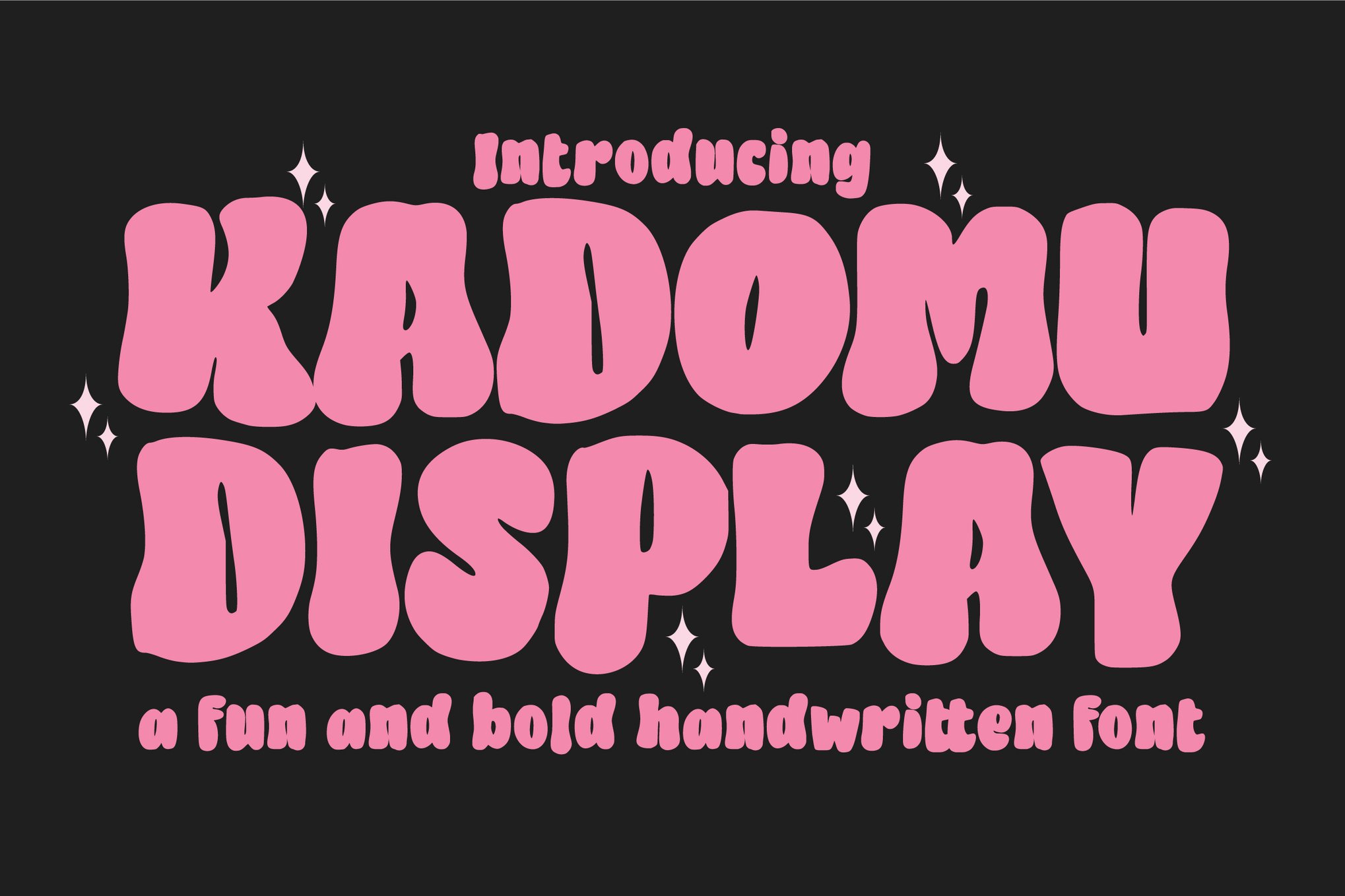
- Free Kawaii Font Family: Perfect for those starting out, this collection offers essential, rounded shapes that are highly readable.
- Mochibop: A standout "font duo" that pairs a bubbly script with a clean sans-serif, offering a professional solution for those who need a balanced hierarchy in their designs.
- BabyKawaii & Kareo Star: These represent the softer side of the spectrum, providing an aesthetic that is perfectly suited for children’s events, party invitations, and merchandise that aims for a "magical" or "dreamy" atmosphere.
Conclusion: Crafting Joy in Design
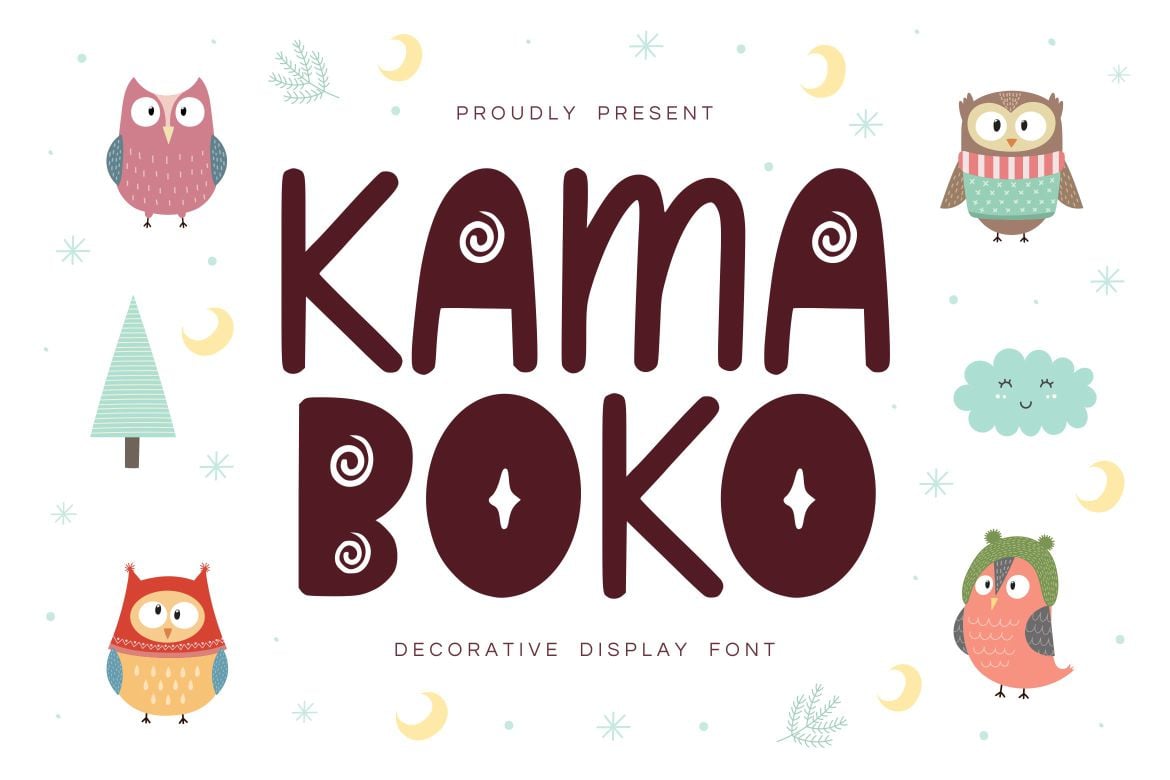
The power of a typeface lies in its ability to speak before a single word is read. Kawaii fonts succeed because they communicate happiness, safety, and playfulness—emotions that are universally sought after. By choosing the right font, whether it is the bold energy of KABOOM or the delicate charm of Michi Kohaku, designers can transform a simple message into a memorable, joyful experience.
As we look toward the future of visual communication, the "cuteness economy" remains a vital force. Whether you are building a brand from the ground up or refreshing a long-standing project, incorporating these playful, rounded, and expressive typefaces is a proven strategy for creating designs that not only look good but feel good.