






In the ever-evolving landscape of digital photography, trends often oscillate between hyper-realistic clarity and nostalgic, stylized warmth. Among these, the "matte" look has emerged as a dominant force in visual culture. Characterized by its soft, cinematic appeal and a signature "faded" aesthetic, the matte style has transcended its origins in film-inspired photography to become a staple for professional photographers, social media influencers, and digital artists alike.
Defining the Matte Aesthetic: The Science of Softness
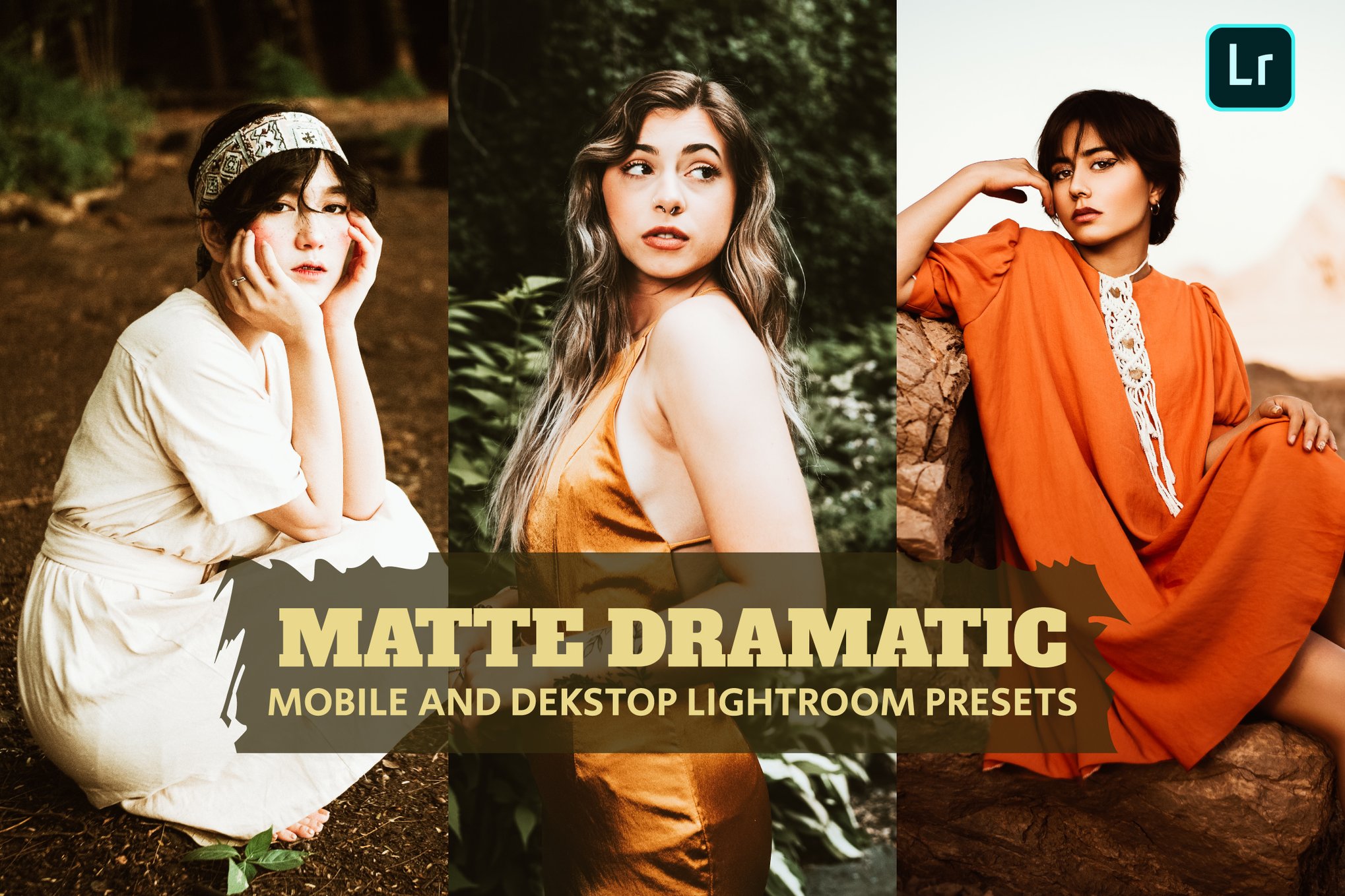
At its core, the matte look is an exercise in tonal control. Unlike standard digital photography, which often prioritizes deep, crushed blacks and high-contrast sharpness, the matte technique purposefully manipulates the tone curve of an image. By lifting the black points (the darkest shadows) on the RGB curve, photographers can effectively reduce the "harshness" of the contrast.
This process—often referred to as "crushing the blacks"—does not actually remove information from the shadows; rather, it introduces a subtle grey or sepia cast to the darkest areas of the frame. This reduction in dynamic range creates a smoother, more atmospheric, and intentionally vintage feel. By softening colors and muting the mid-tones, the technique creates a cohesive, film-like narrative that makes digital images feel tactile and organic.
A Brief Chronology of the Matte Trend
The roots of the matte aesthetic are deeply embedded in the limitations and characteristics of analog film.
- The Analog Era: Before the advent of high-resolution digital sensors, film stocks—particularly those with lower contrast or expired emulsions—naturally produced a "faded" look. Photographers were often limited by the chemical development process, which sometimes resulted in lifted blacks.
- The Early 2010s Digital Revolution: As high-end DSLRs became the industry standard, images became incredibly sharp and clinical. A backlash occurred among fine-art photographers who sought to reclaim the "soul" of film. This led to the early development of "film emulation" techniques in software like Adobe Lightroom and Photoshop.
- The Instagram Age (2015–Present): The rise of mobile photography and Instagram acted as an accelerant for the matte look. Because mobile screens can sometimes display harsh contrast poorly, the matte aesthetic—which provides a more balanced, "creamy" look—became the go-to style for travel, lifestyle, and portrait influencers looking to create a consistent, high-end "grid" aesthetic.
The Role of Presets in Modern Workflow
For the professional photographer, efficiency is paramount. While manually adjusting the tone curve, HSL sliders, and split-toning for every individual image is a viable path, it is rarely practical for high-volume work like wedding or event photography.

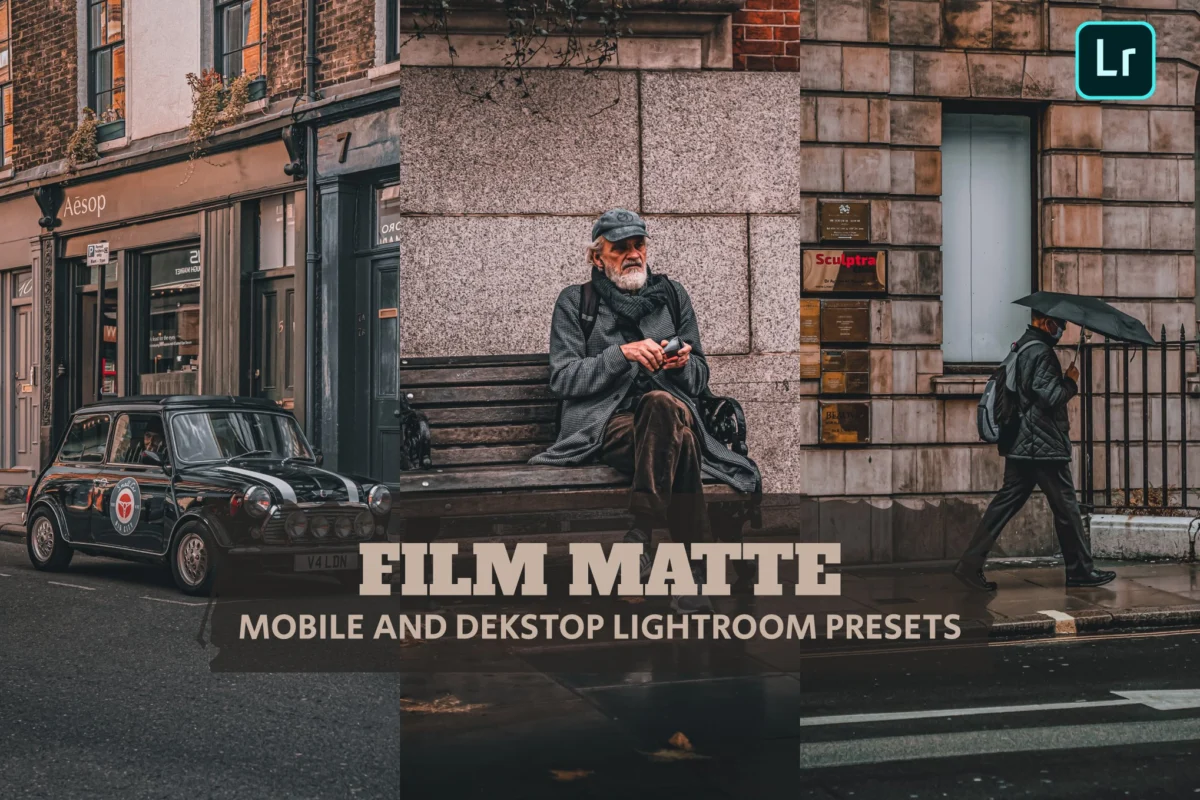
This is where Lightroom presets have revolutionized the industry. A preset is essentially a saved set of metadata instructions that applies specific edits to a raw file. By utilizing a curated collection of matte presets, photographers can ensure visual consistency across an entire set of images, providing a brand-specific look that is instantly recognizable to their clients.
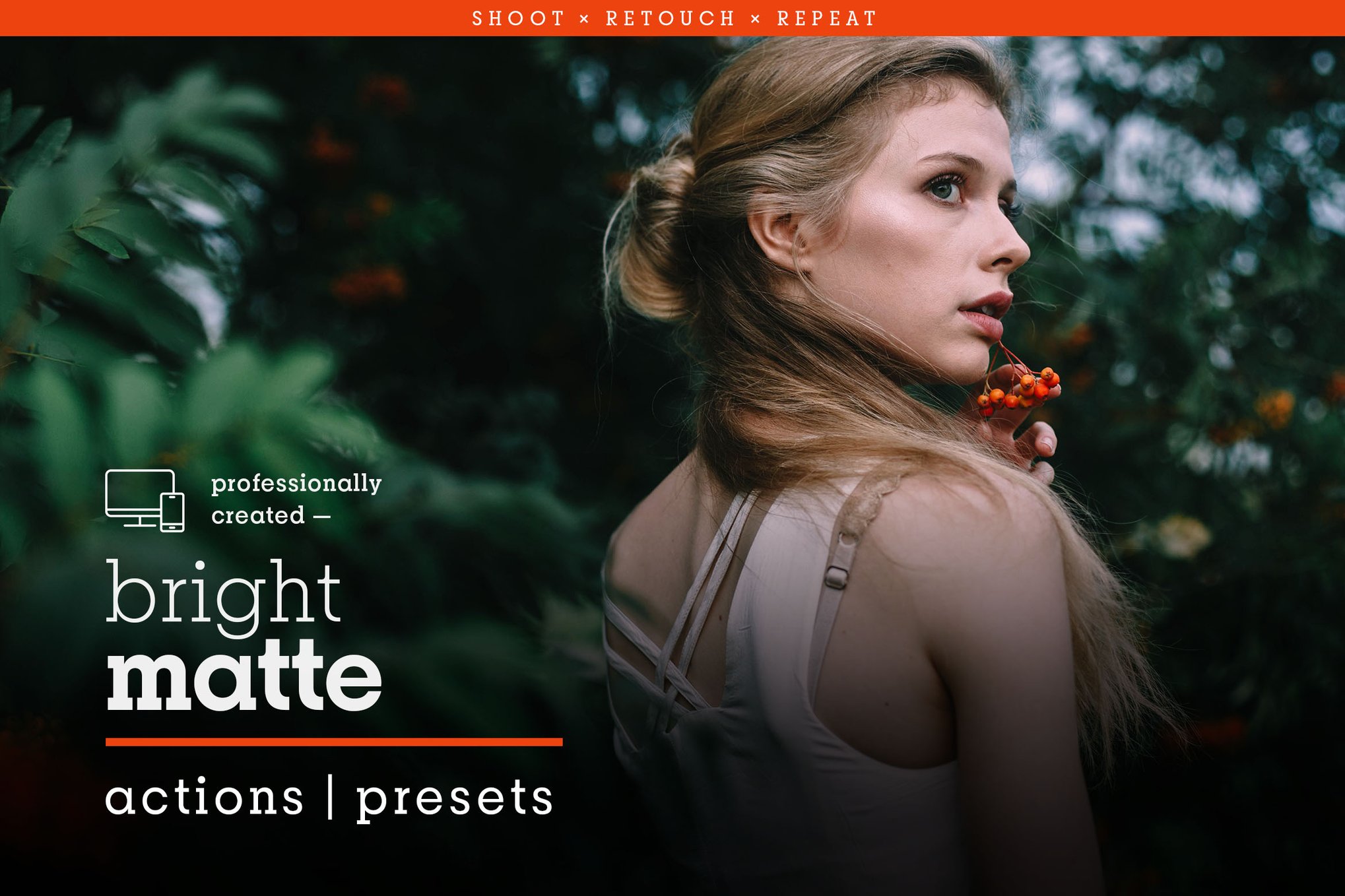
Curated Collection: Professional Matte Presets for Lightroom
Whether you are working on a desktop suite or editing on the go with mobile, the following collections represent the current gold standard for achieving the matte aesthetic.
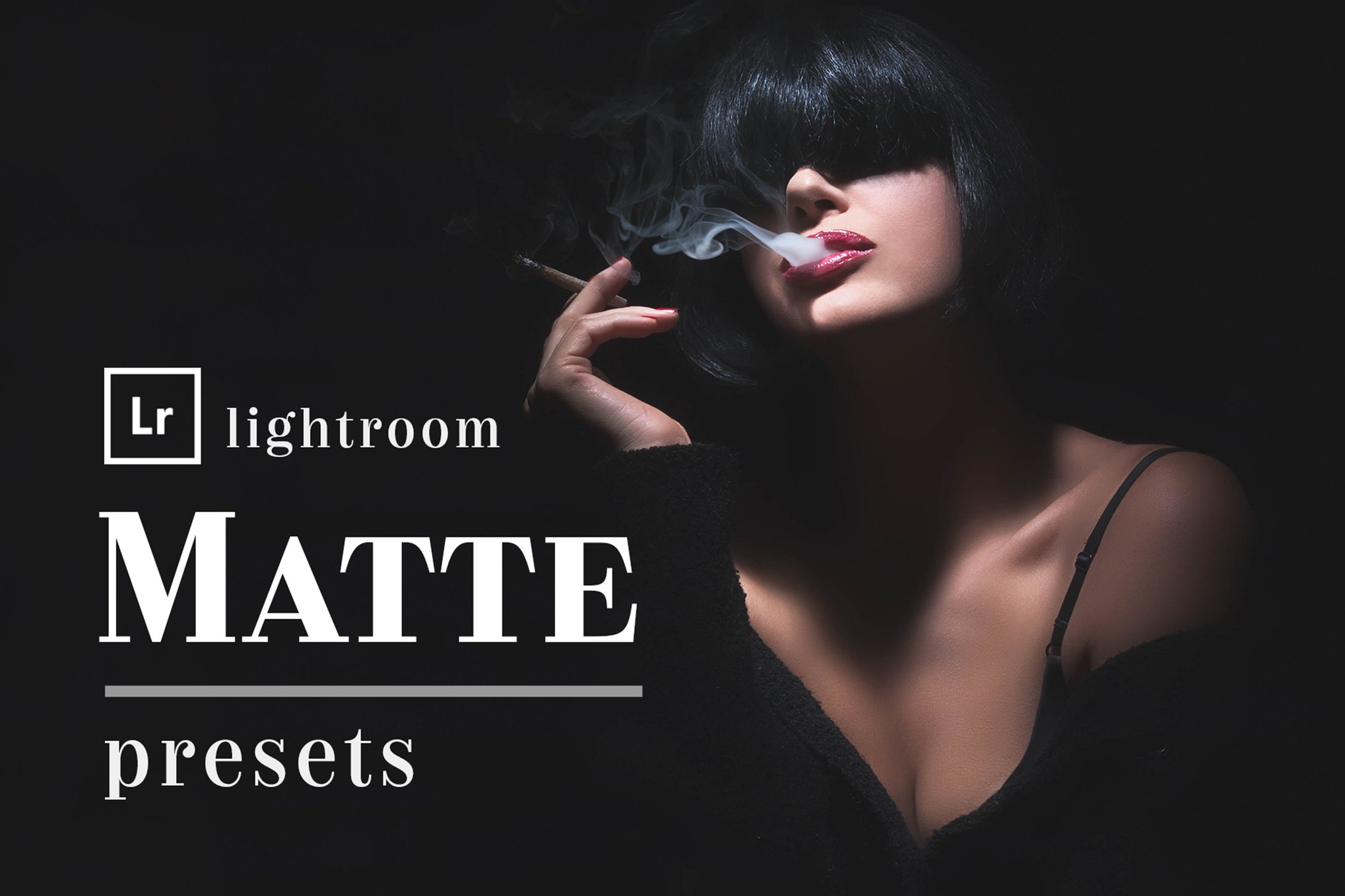
1. The ARTA Collection: Modern Cinematic Versatility
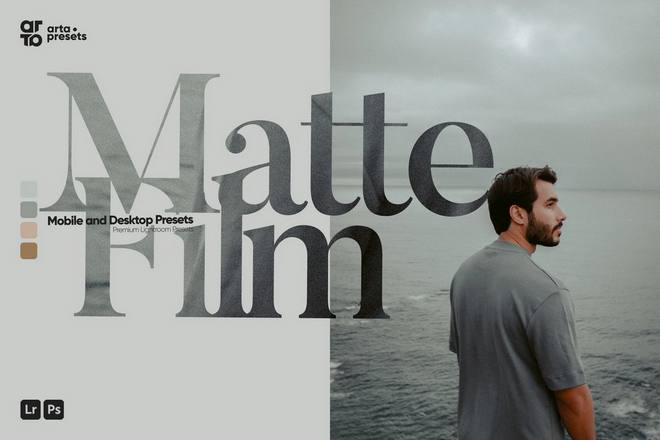
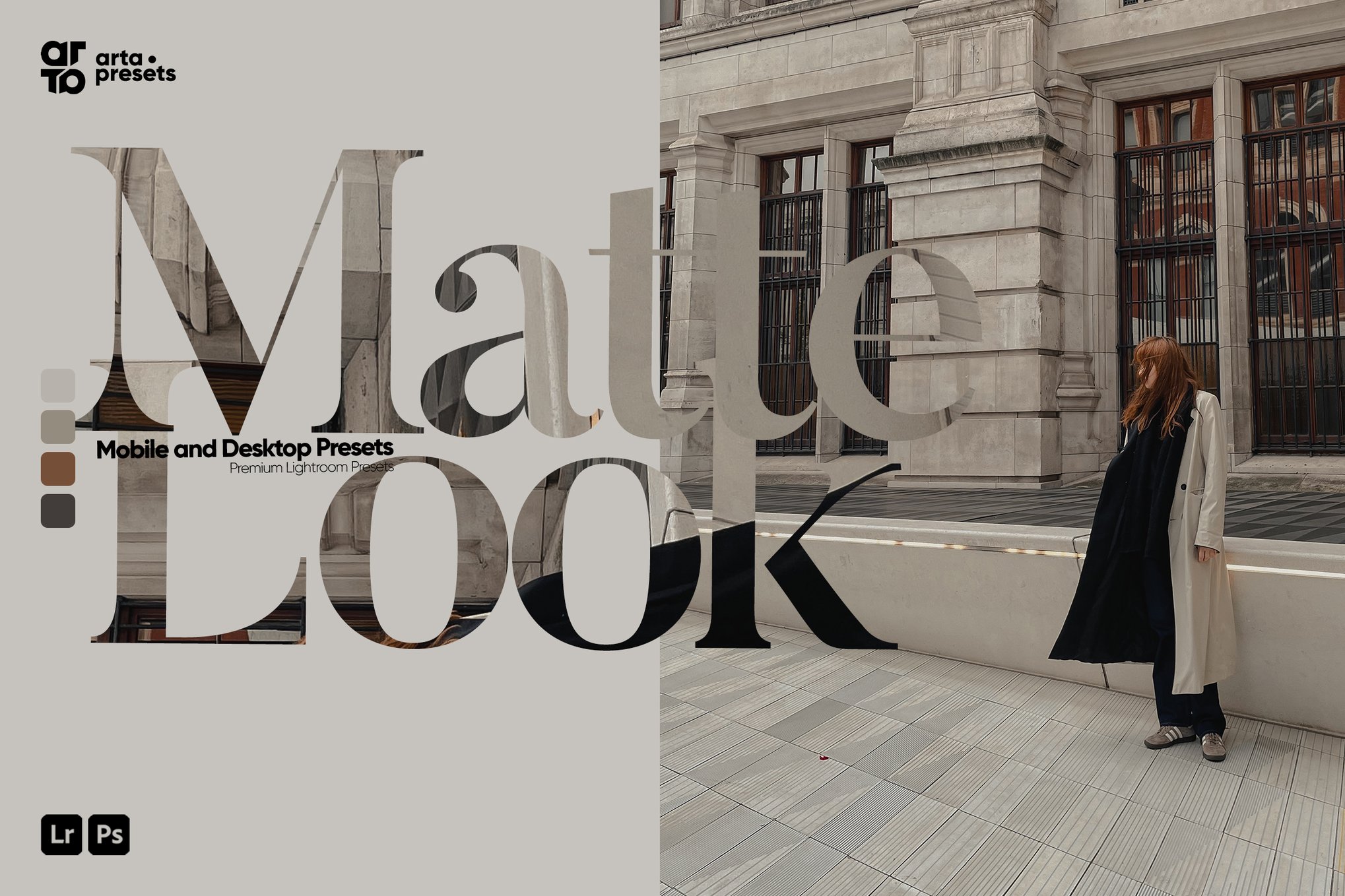
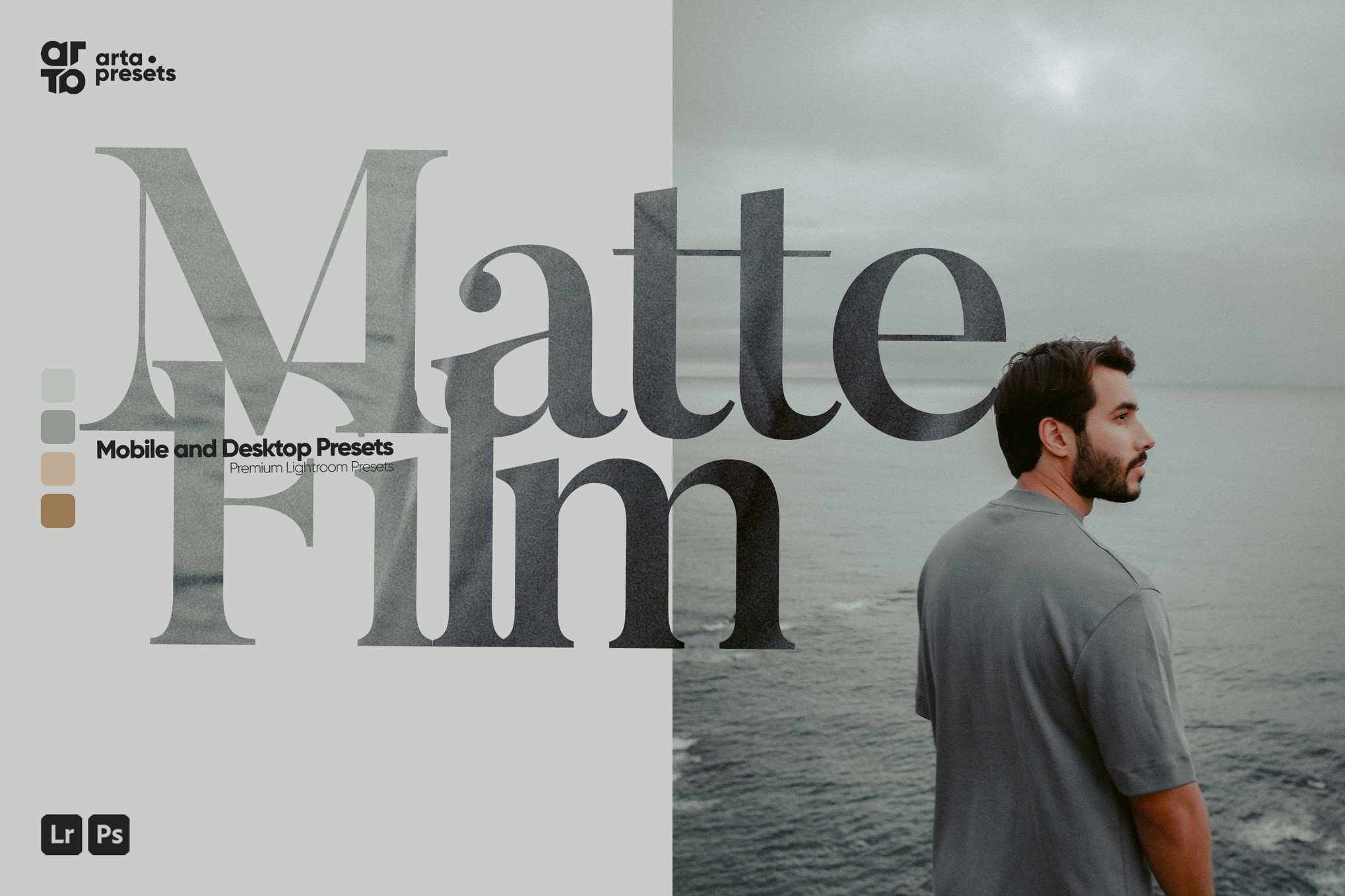
The ARTA Matte Look and Matte Film presets represent a dual-approach to the aesthetic. These packs are engineered for those who need to jump between fashion, travel, and lifestyle photography. They excel at color calibration, ensuring that while the shadows are lifted, the skin tones remain natural—a critical requirement for portraiture.
2. Matte Cinematic & Deep Matte: Sophisticated Calibration
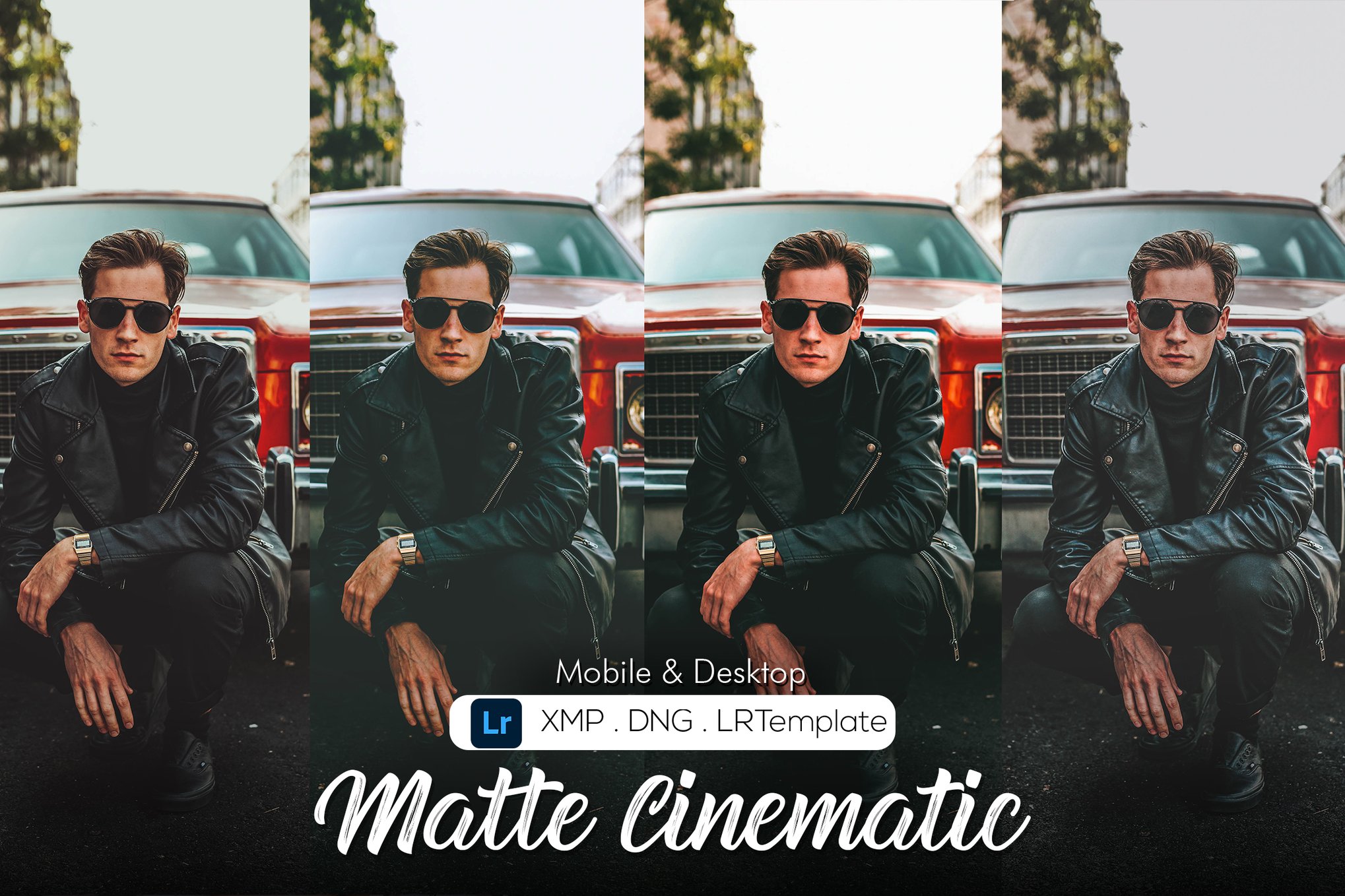
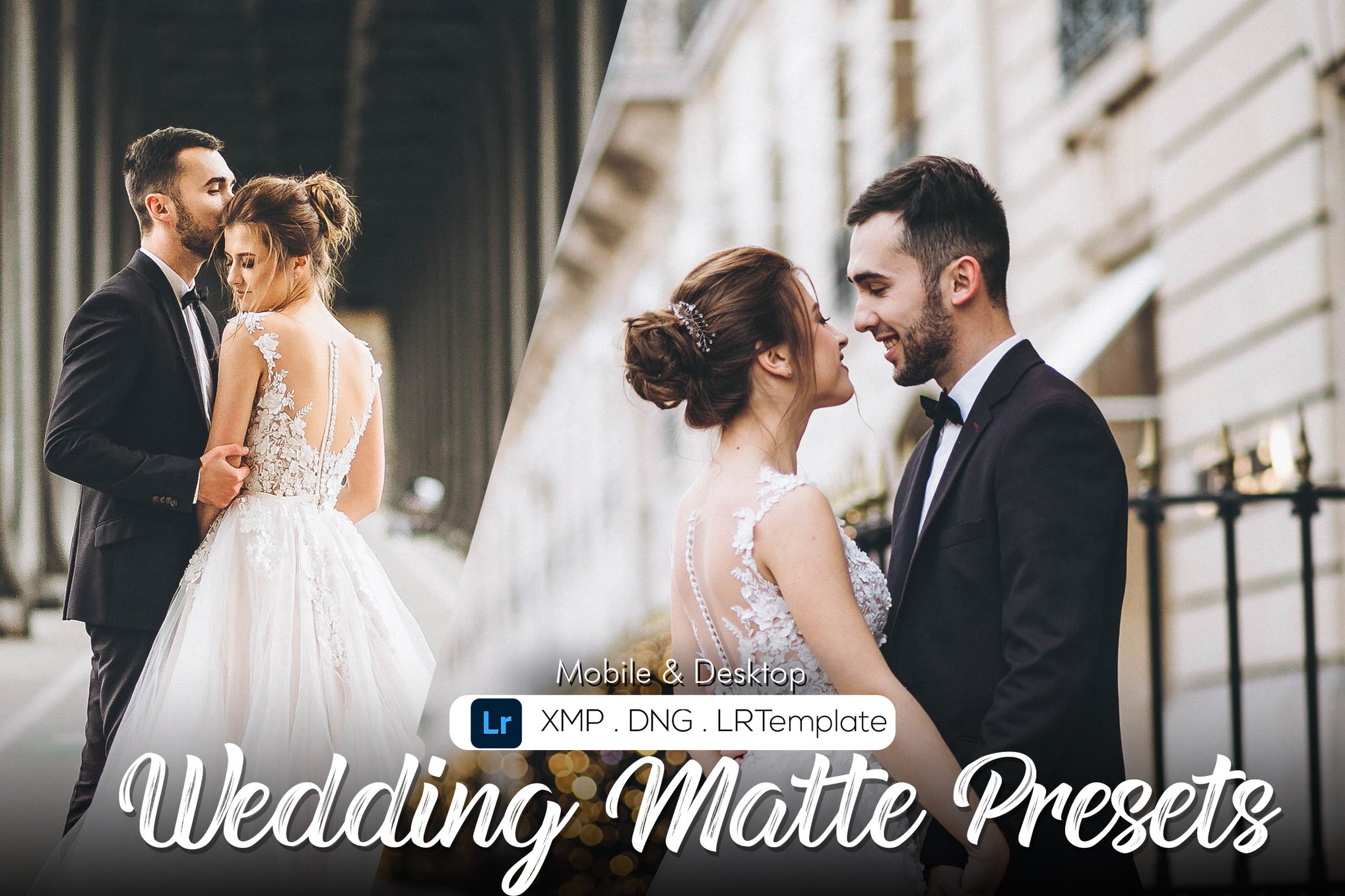
The Matte Cinematic pack uses sophisticated, non-destructive calibration techniques to mimic the color science of cinema cameras. Meanwhile, the Deep Matte bundle—which includes both Photoshop Actions and Lightroom presets—is tailored for wedding photographers who need to add a timeless, emotive quality to their work without sacrificing detail in dark-lit reception scenes.
3. Bright & Airy: The "Bold" Approach
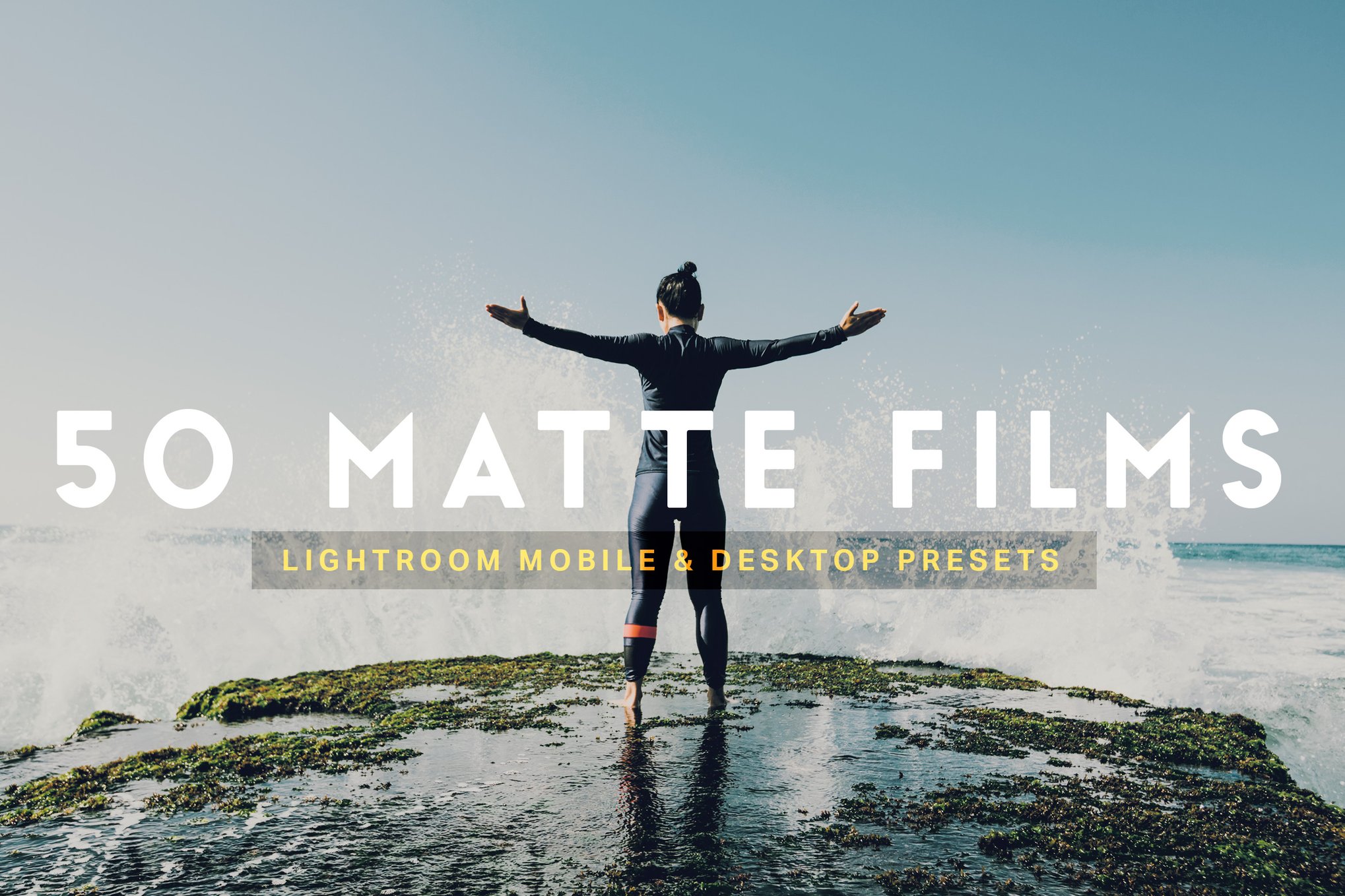
Not all matte looks are dark and moody. The Bright Matte collection challenges the notion that matte must be synonymous with "dim." By maintaining high exposure and vibrant, saturated colors while still applying the characteristic shadow fade, this pack is ideal for bright, sun-drenched outdoor photography.
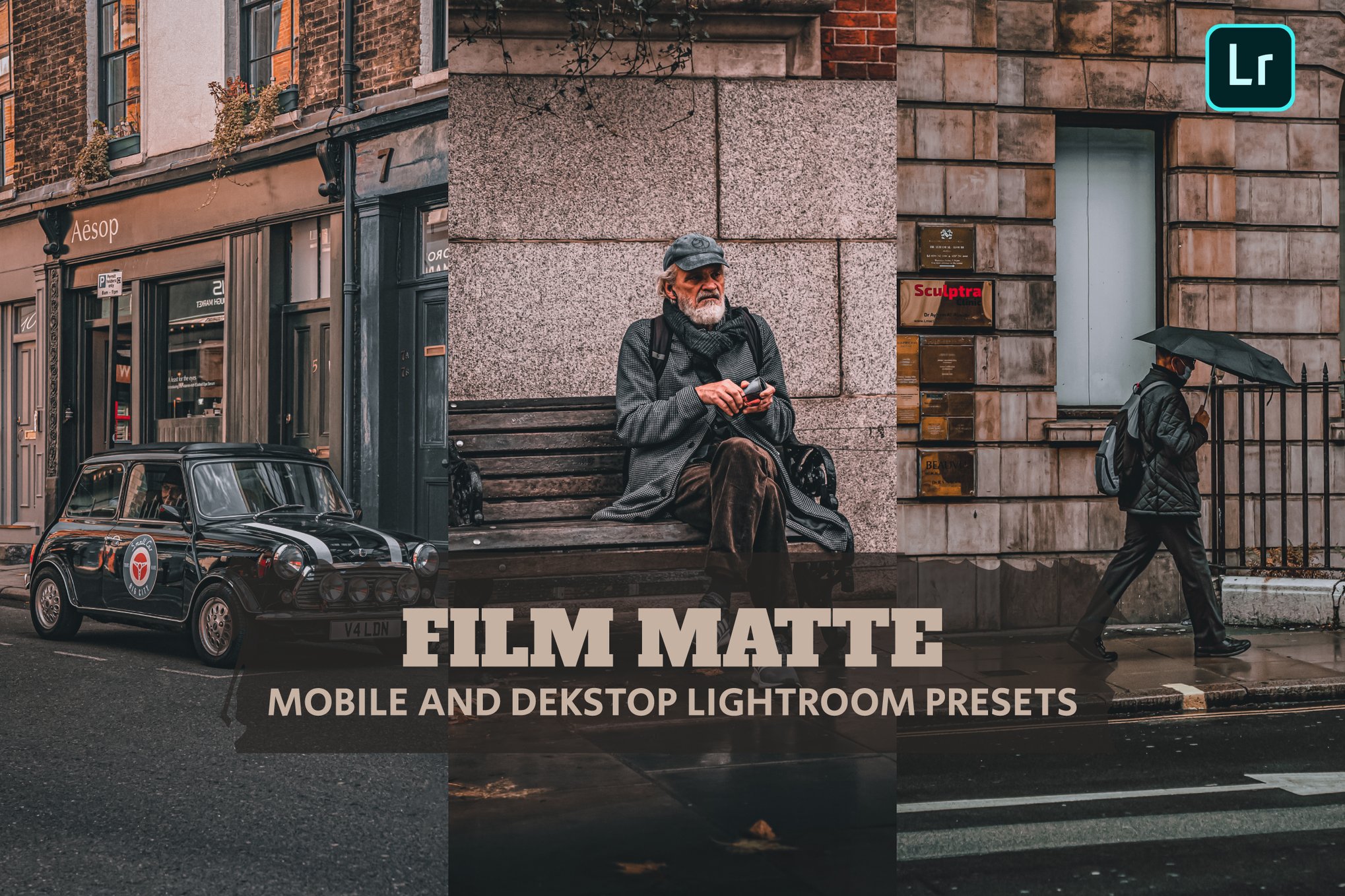
4. Specialized Bundles: From Black & White to "Matte Glue"
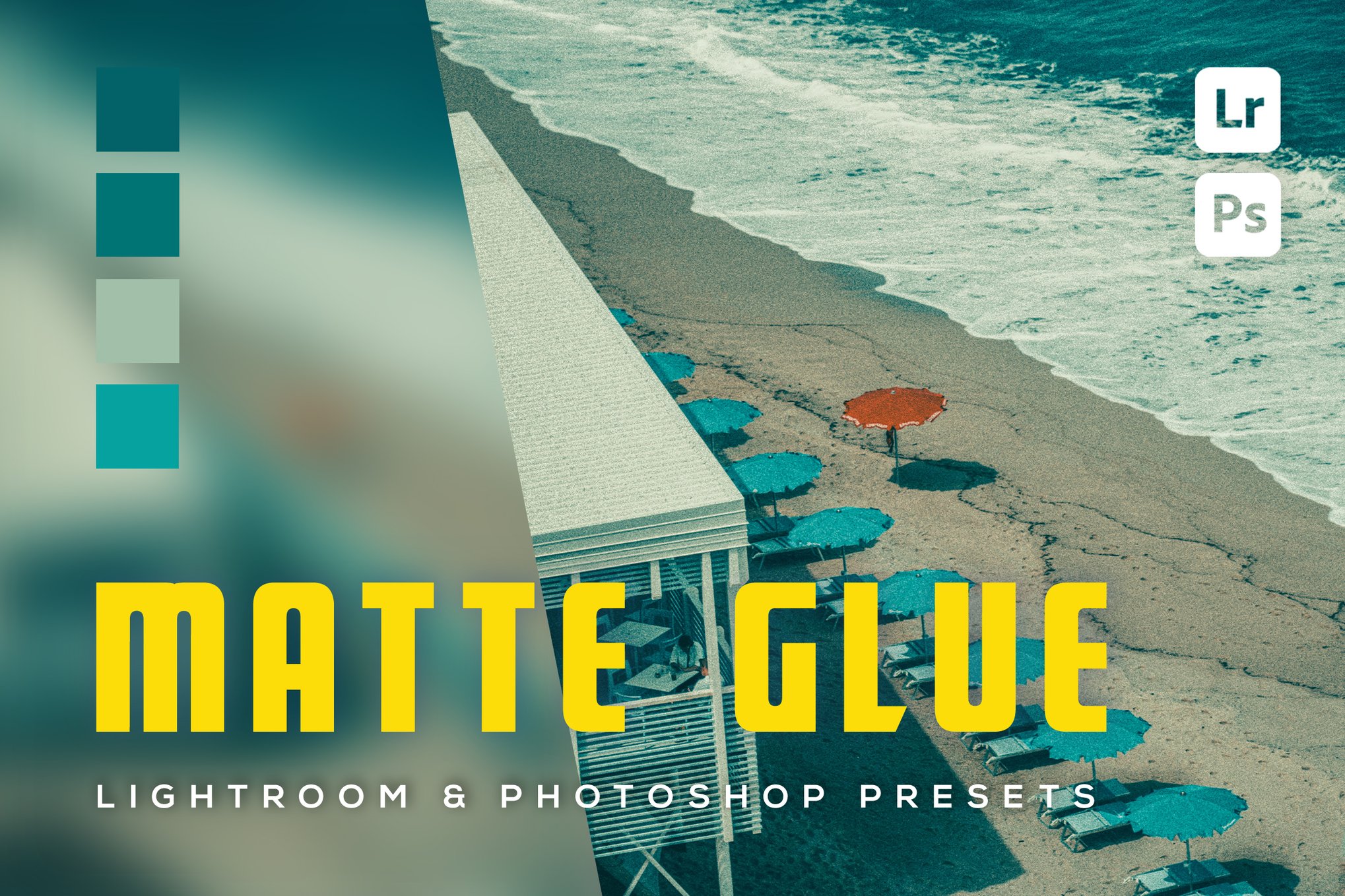
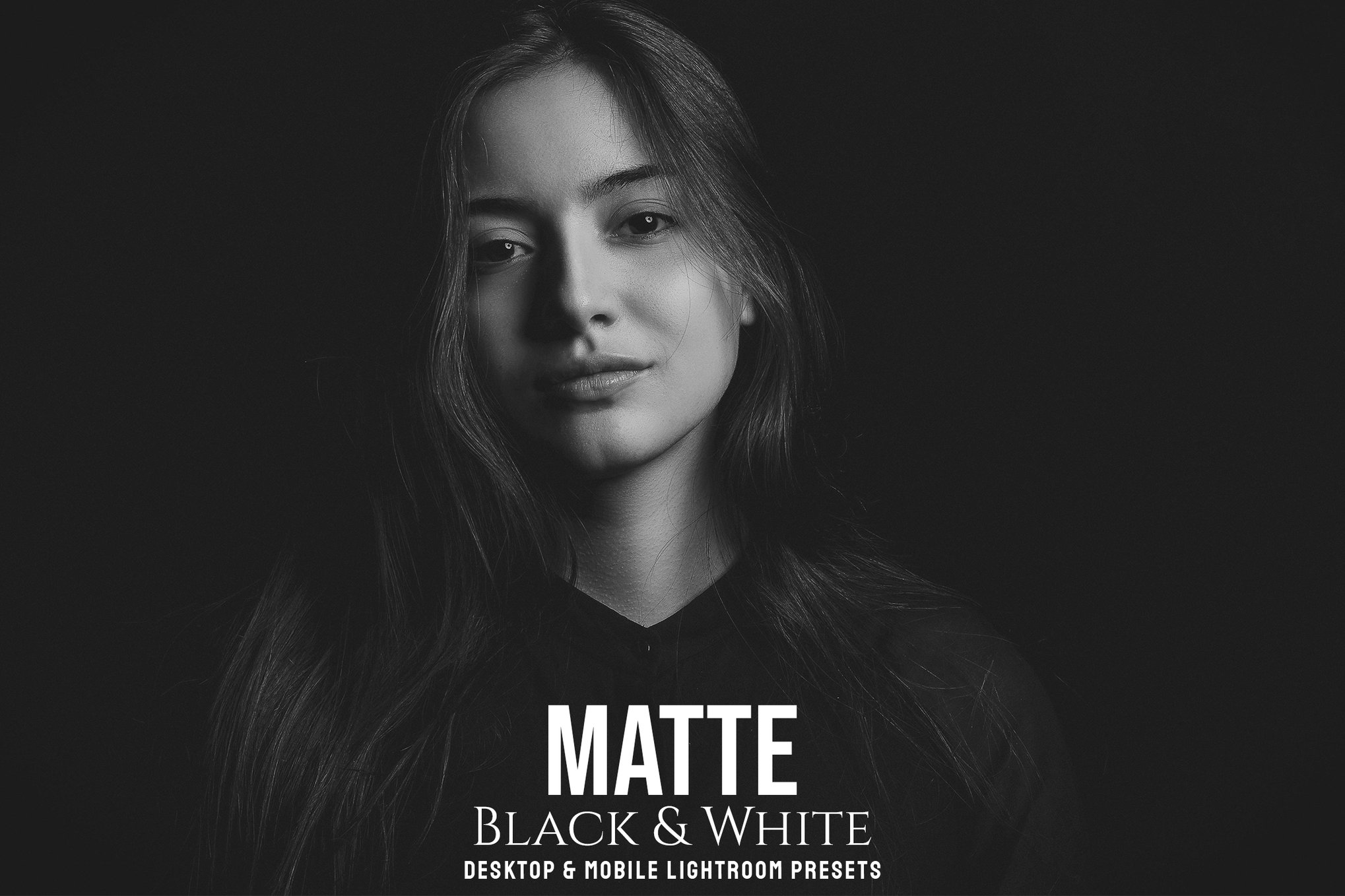
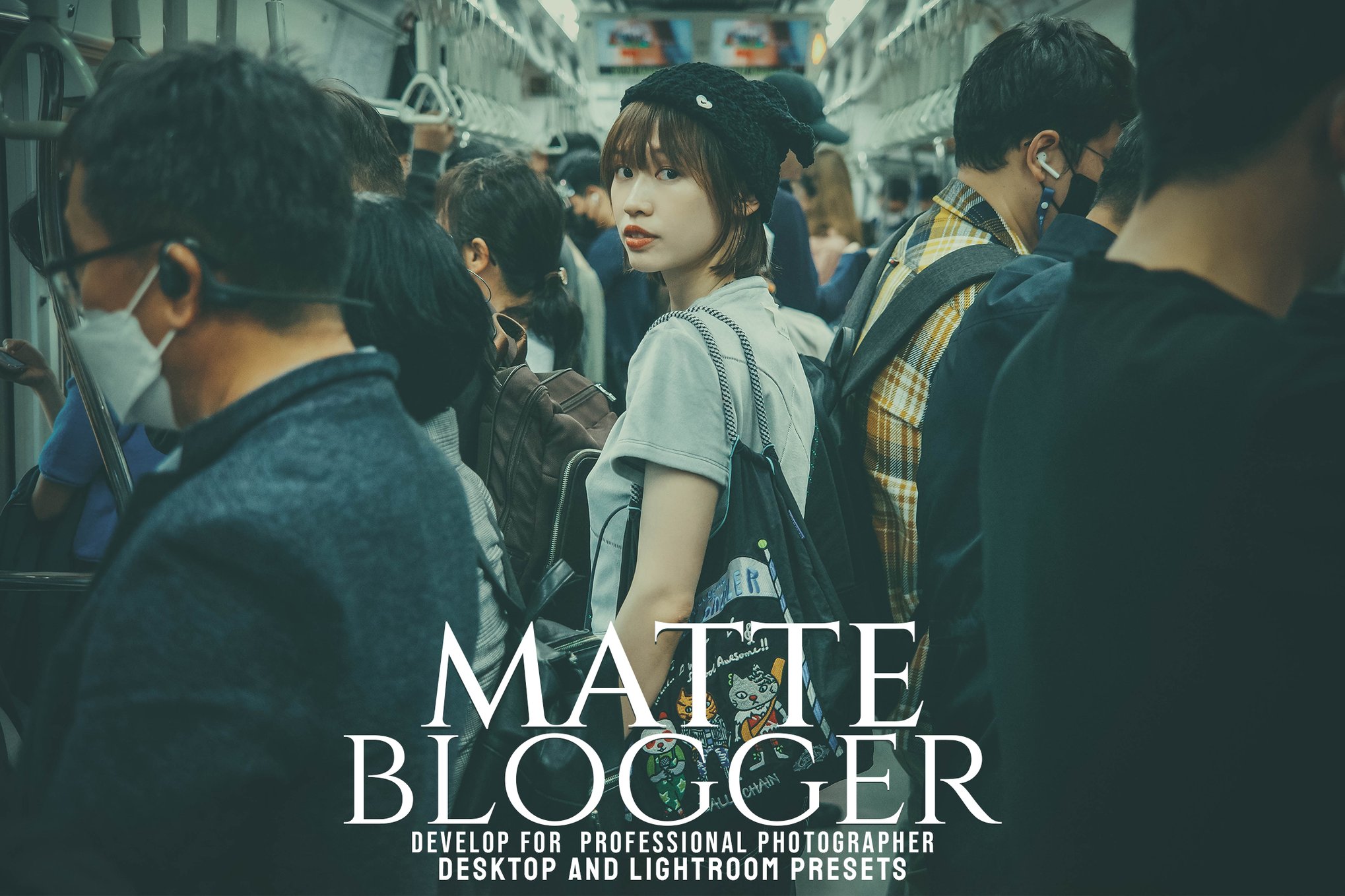
For those seeking specific stylistic niches, the Matte Black & White collection offers a clean, monochromatic finish that feels editorial. The Matte Glue set, on the other hand, is designed to "glue" the elements of a photo together, providing a very distinct, stylized, and cohesive look that is particularly popular in urban street photography.
Supporting Data: Why "Matte" Converts
Data from social media engagement metrics suggest that images with a "softer," less clinical finish often see higher engagement rates on platforms like Instagram. The human eye tends to find high-contrast, over-sharpened images "aggressive." In contrast, the matte aesthetic feels more approachable, relaxed, and authentic.
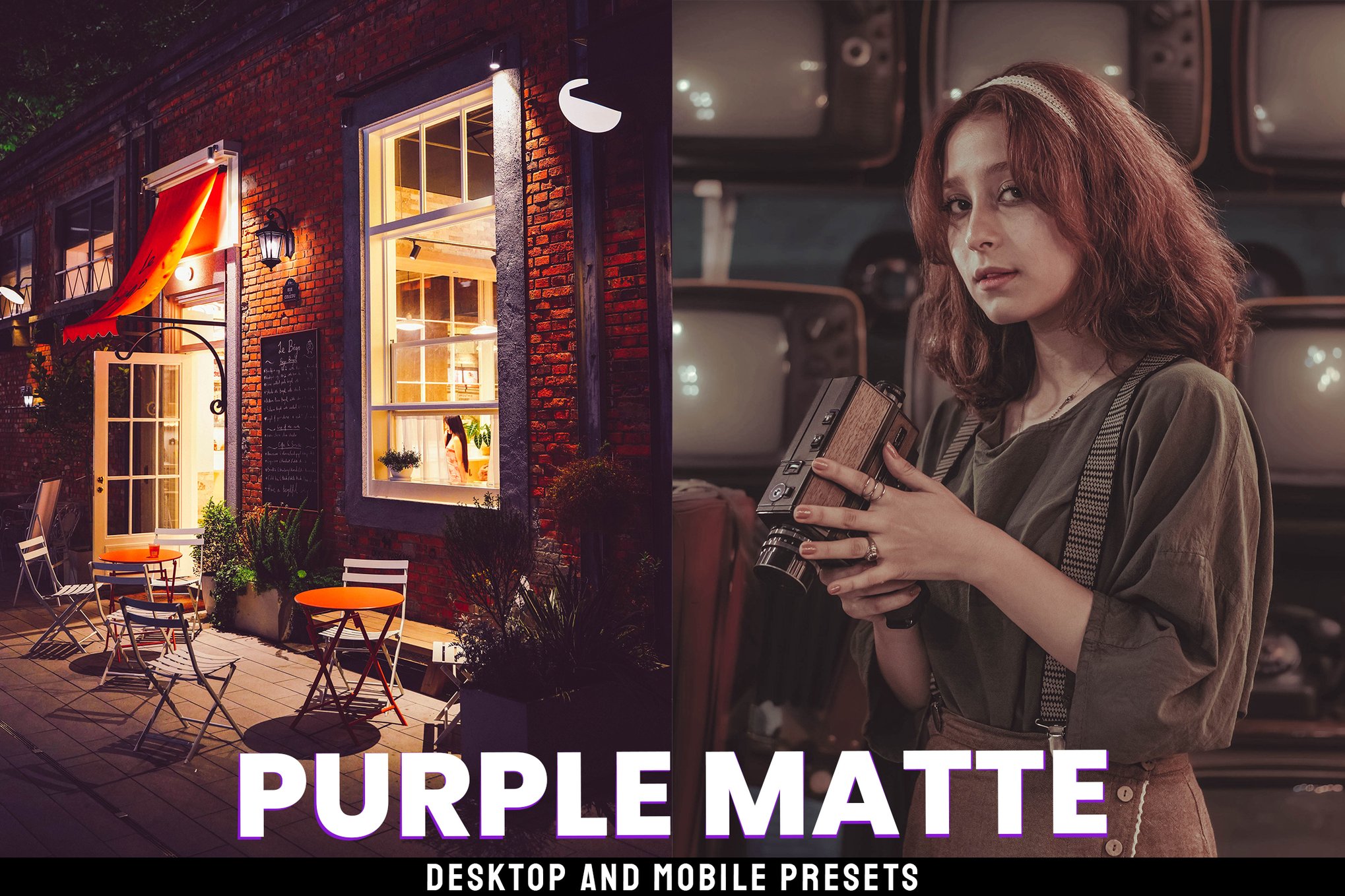
- Consistency: The primary driver for purchasing professional preset packs is the ability to achieve a "brand identity." A photographer who uses a specific matte preset across all their work creates a recognizable signature style.
- Time-Saving: Professional photographers report saving between 40% and 60% of their post-production time by utilizing a base preset before making minor local adjustments.
Industry Expert Responses: The "One-Click" Debate
There is ongoing debate within the professional photography community regarding the "one-click" nature of these presets. Some purists argue that using a preset replaces the artistic labor of post-processing.

However, industry leaders, such as those featured in Adobe’s own community forums, often respond that a preset is a starting point, not a final destination. The consensus among professionals is that a high-quality matte preset provides the "base" of the creative vision, allowing the photographer to spend more time on advanced retouching, such as subject masking, frequency separation, and color grading, rather than repetitive base-level adjustments.
Implications for Future Photography
The future of the matte aesthetic lies in the integration of AI-driven editing. As tools like Lightroom’s "AI Masking" become more advanced, the ability to apply a matte effect selectively—for example, only to the shadows of a background while keeping the subject sharp—will become the new standard.
We are moving away from global adjustments and toward intelligent, context-aware editing. Future matte presets will likely incorporate AI-detected subject recognition to ensure that the "faded" look does not degrade the focus on the primary subject, effectively blending the best of both worlds: the nostalgic, soft look of film and the razor-sharp precision of modern sensor technology.
Conclusion: How to Choose the Right Preset
When selecting a matte preset for your workflow, consider your primary subject matter:
- For Wedding/Portrait: Look for packs that explicitly mention "skin tone protection."
- For Travel/Lifestyle: Look for collections that offer a variety of exposures, as you will likely be dealing with unpredictable lighting conditions.
- For Free-to-Paid Scaling: Start with free options like the Matte Film or Mood presets. These will help you understand how different curve adjustments affect your specific camera sensor’s color profile before you commit to a larger, paid bundle.
Ultimately, the matte look is more than just a trend; it is a creative tool that allows photographers to imbue their work with a sense of time, emotion, and cinematic atmosphere. Whether you are a seasoned professional or an amateur looking to elevate your Instagram feed, the right preset is the key to unlocking a more artistic and professional visual narrative.