








In a move calculated to avert a potential beverage supply crisis, the Indian government has granted a critical extension for mandatory quality certification of aluminium beverage cans. Originally slated for implementation on October 31, the deadline has been pushed to April 2027, providing a vital window for manufacturers to ramp up production and stabilize a market currently grappling with severe supply-side constraints.
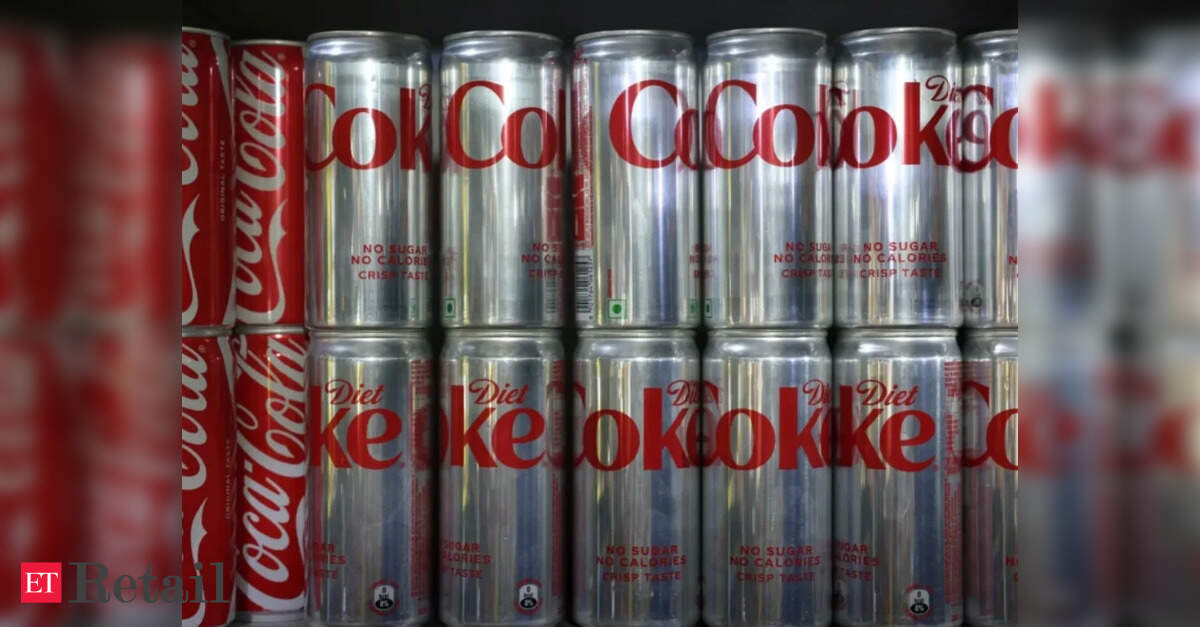
The decision arrives as a major relief for the fast-moving consumer goods (FMCG) and alcoholic beverage sectors, which have faced intermittent shortages of iconic products, including Diet Coke and various premium beer labels. By staggering the implementation deadlines across different business scales, the government aims to balance its commitment to product safety and quality standards with the immediate economic reality of a market struggling to keep pace with surging demand.
Chronology of Regulatory Intervention
The path to mandatory Bureau of Indian Standards (BIS) certification for aluminium cans began in April 2023, when the government issued a Quality Control Order (QCO). The objective was to standardize the industry by enforcing strict technical parameters regarding material composition, structural dimensions, sealing integrity, pressure resistance, and protective internal coatings.
The rollout was intended to ensure that consumers received products that were not only safe but also maintained the freshness and sustainability associated with aluminium packaging. However, the complexity of the certification process—which necessitates rigorous physical inspections of manufacturing facilities, including those located overseas—created a bottleneck.
As the October 31, 2024, deadline loomed, the industry faced a "compliance cliff." Recognizing that a significant portion of the supply chain would be unable to meet these standards in time, the Ministry of Commerce and Industry intervened. The revised roadmap now mandates:
- Large Enterprises: Compliance required by April 1, 2027.
- Small Enterprises: Compliance required by July 1, 2027.
- Micro Enterprises: Compliance required by October 1, 2027.
Supporting Data: The Rising Tide of Aluminium Consumption
The surge in demand for aluminium cans in India is not merely a temporary trend; it represents a structural shift in consumer behavior. Over the last two years, the market share of canned beer and soft drinks has more than doubled, now accounting for over 25% of annual sales in these categories.
Several factors have contributed to this "canned revolution." Consumers are increasingly drawn to the convenience, portability, and superior recyclability of aluminium compared to traditional glass bottles. Furthermore, the aesthetic appeal of sleek, printable aluminium surfaces has made them a preferred medium for brand marketing.
However, domestic production has failed to scale at the same velocity. Industry estimates indicate that while domestic manufacturers had projected an additional output of 600 million cans to meet this rising tide, they have managed to achieve only 50% of that target. This shortfall has forced companies to turn to expensive import channels in the UAE, Sri Lanka, and Southeast Asia. These imported units carry a 25% to 30% price premium, which ultimately squeezes the margins of beverage companies and risks being passed on to the consumer through higher retail prices.
Official Responses and Industry Sentiment
The extension has been met with cautious optimism by industry bodies. Vinod Giri, Director General of the Brewers Association of India, highlighted the precarious nature of the current global supply chain.
"The war [in the Middle East] has added a thick layer of uncertainty over empty can availability worldwide," Giri remarked. He noted that even overseas manufacturers who have already secured BIS certification have found themselves overwhelmed by the sheer scale of India’s burgeoning demand, leaving little surplus for the Indian market.
The Brewers Association has been in constant dialogue with regulators, emphasizing that the timing of this extension is critical. By pushing the deadline to 2027, beer manufacturers can now engage in more accurate long-term planning, ensuring they have sufficient inventory buffers to weather the intense demand fluctuations that characterize the Indian summer—the peak season for beverage consumption.
The Bottleneck: Capacity and Certification Challenges
The underlying issue is twofold: the physical time required to install new manufacturing lines and the administrative time required for BIS certification.
Major domestic suppliers have effectively exhausted their existing capacity. Expanding production is not a plug-and-play process; establishing new, high-speed aluminium can production lines can take up to 12 months from procurement to full operational capacity. The global shortage of machinery and specialized materials, coupled with supply chain disruptions, has made these lead times even more unpredictable.
Furthermore, the BIS certification itself acts as a high barrier to entry. For an overseas manufacturer, the process involves:

- Application Submission: Detailed documentation of manufacturing processes and quality controls.
- Factory Inspection: BIS officials must visit the site to verify that the facility meets Indian standards.
- Testing and Verification: Independent laboratory testing of samples.
- License Grant: Only after these steps are completed can the manufacturer legally export to India.
Given the global nature of the supply chain, the backlog in inspection schedules has meant that many high-quality, international suppliers were effectively sidelined from the Indian market, exacerbating the domestic supply crunch.
Implications for the Future
The six-month extension—effectively pushing the deadline into 2027—serves as a "breathing room" policy. Its implications are far-reaching for stakeholders across the spectrum:
1. For Beverage Brands
The extension allows major players to maintain their current import-heavy sourcing strategies without the immediate fear of regulatory penalties. It provides the necessary time to negotiate better terms with suppliers or to wait for domestic capacity to come online, thereby helping to keep retail prices stable.
2. For Domestic Manufacturers
The extension is a mandate to expand. With a clear timeline until April 2027, domestic can manufacturers are now incentivized to finalize their capital expenditure plans, order new machinery, and fast-track the certification of their new facilities. This period of stability is expected to attract investment into the Indian packaging sector.
3. For the Consumer
In the short term, the risk of "out-of-stock" scenarios for popular beverages has been mitigated. By allowing the supply chain to stabilize, the government has helped ensure that the summer of 2027 will not be marred by the shortages that threatened to disrupt the market this year.
4. For Regulatory Policy
This episode underscores the challenges of implementing "Quality Control Orders" in a rapidly developing economy. While the safety and environmental goals of the BIS certification are universally lauded, the government’s willingness to adjust timelines demonstrates a pragmatic approach to industrial regulation. It signals that while the government is firm on quality, it is also sensitive to the potential for regulatory policy to unintentionally throttle supply chains.
Conclusion
The decision to extend the mandatory BIS certification deadline for aluminium beverage cans is a tactical retreat that serves a strategic purpose. By aligning regulatory expectations with the ground realities of manufacturing lead times and global supply chain volatility, the government has provided a necessary buffer for the beverage industry. As India continues to grow as a consumer market, the challenge will remain to balance the pursuit of high-quality standards with the capacity to meet the relentless demand of a growing, thirsty population. The period between now and April 2027 will be a defining era for the Indian packaging industry, as it attempts to scale up, modernize, and finally, meet international quality benchmarks on its own terms.