








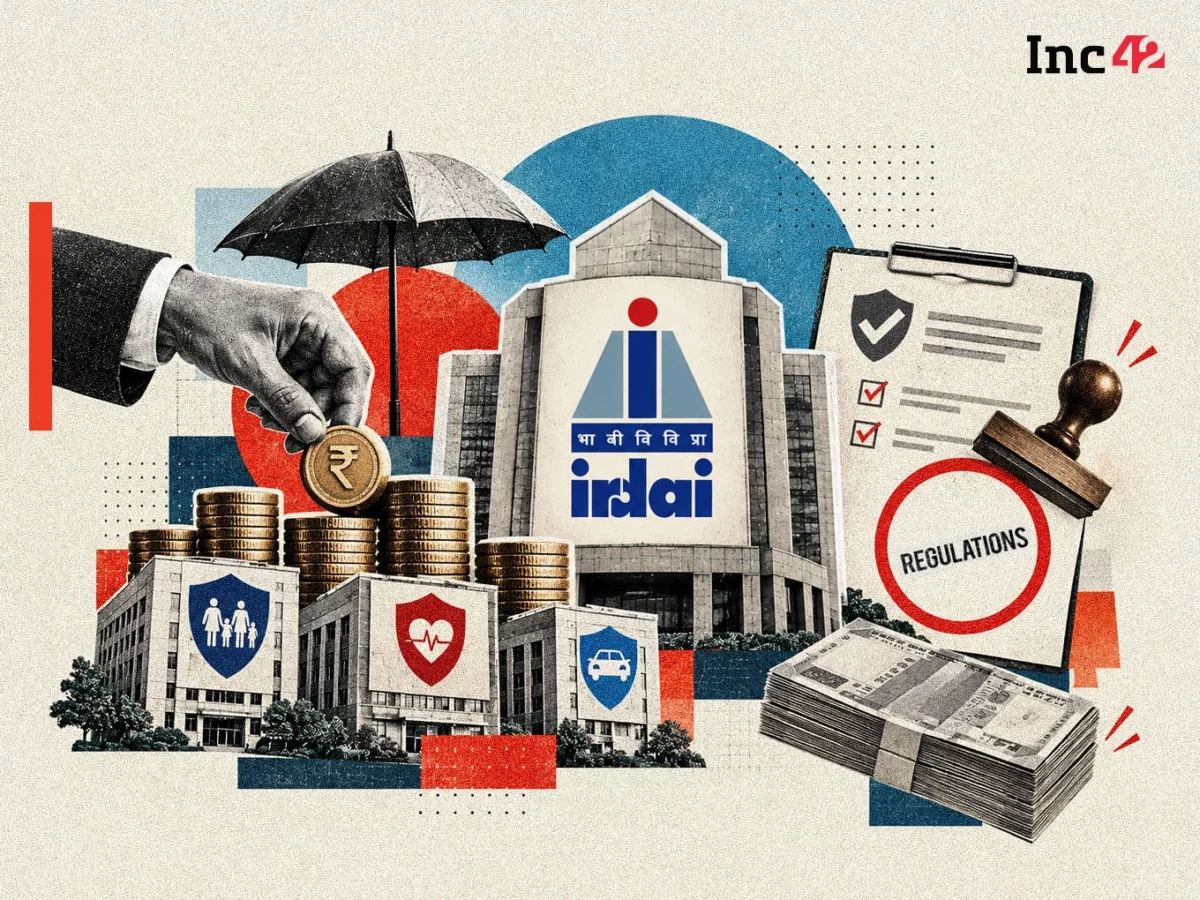
The Indian insurance sector finds itself at a pivotal crossroads. The Insurance Regulatory and Development Authority of India (IRDAI) has set in motion a comprehensive, albeit controversial, plan to "recalibrate" the economics of insurance distribution. With the release of its consultation paper, Recalibrating Economics of Insurance Distribution, the regulator has signaled an intent to impose stricter commission caps and lower expense management limits.
As of October 26, the regulator has extended the window for public feedback to October 31, bowing slightly to industry pressure after receiving over 650 submissions. However, the move has done little to quell the brewing storm within the insurance broking and insurtech communities, who warn that these reforms could inadvertently cripple the very ecosystem they are intended to streamline.
The Core Proposals: Decoding the "Reset"
The IRDAI’s vision, as outlined in its September 23 consultation paper, is rooted in the goal of enhancing insurance affordability and penetration. The regulator has expressed concern over what it perceives as a disproportionate increase in commission payouts compared to the growth in premium collection.
To address this, the IRDAI has proposed:
- Product-wise Commission Caps: A reintroduction of regulated ceilings on the commissions insurers can pay to distributors for specific products.
- Tighter Expense Management Limits: Caps on the overall operating expenses of insurance companies to prevent the pass-through of excessive distribution costs to the end consumer.
- Five-Year Transition: A phased implementation strategy that includes specific incentives for distributors who expand into smaller, Tier-2 and Tier-3 towns.
The regulator envisions these changes taking full effect by January 2027, intending to foster a more "customer-centric" model that prioritizes value over aggressive, high-commission sales tactics.
A Chronology of the Confrontation
The regulatory push has been met with immediate and vocal resistance from industry bodies, primarily the Insurance Brokers Association of India (IBAI).
- September 23: IRDAI releases the consultation paper, inviting comments from stakeholders.
- Early October: Initial industry panic sets in as insurance brokers calculate the potential impact on their bottom lines.
- October 7: The IBAI holds a press briefing, warning of a "revenue collapse" and mass job losses. They formally request a deadline extension until December 31, 2026.
- Mid-October: Insurtech startups, including Coverfox and Quickinsure, join the discourse, highlighting the potential risk to rural and low-income segment penetration. Listed entities like PB Fintech (Policybazaar) experience significant stock market volatility as investors weigh the regulatory risk.
- October 26: IRDAI acknowledges the "significant interest" and "encouraging response" by extending the feedback deadline to October 31.
The Industry’s Defense: Data, Jobs, and Viability
The opposition to the proposed norms is not merely performative; it is backed by detailed economic arguments. The IBAI, representing a sector that supports over 83 lakh people across India, has painted a bleak picture of the post-reform landscape.
The Revenue and Employment Crisis
According to IBAI projections, the proposed caps could trigger a 60-70% revenue collapse across the broking sector. The association warns that this contraction would be catastrophic for employment, estimating the loss of up to 10 lakh jobs.
Evidence of this "pre-emptive contraction" is already visible. Pune-based broker Quickinsure has reportedly shed over 100 jobs, with its founder, Anand Shrikhande, projecting that the industry-wide job losses could exceed 1 lakh if the current draft remains unchanged.
Countering the "Disproportionate Payout" Narrative
A central pillar of the IRDAI’s argument is that while general insurance premiums sourced through brokers grew by 37% between FY23 and FY27, commission payouts surged by 173%. The IBAI has countered this narrative with a two-pronged defense:
- Accounting Reclassification: The industry argues that the 173% figure is misleading. Much of that "increase" stems from the regularization of off-book marketing expenses, which were previously categorized differently. Once accounted for, the growth is far less alarming.
- Operational Efficiency: The IBAI claims that the general insurance industry’s operating expenses currently average 26.5% of gross premiums—comfortably below the existing 30% cap. Furthermore, they highlight that for every ₹100 of premium paid, ₹84.40 is returned to policyholders in claim payouts. This 84.4% claims ratio is significantly higher than the global average of 72-75%, suggesting that the current market structure is already delivering superior value to the consumer.
Implications for Insurtech and Rural Penetration
The debate has transcended traditional broking, drawing in the insurtech sector—a segment that has been the primary driver of digital insurance adoption in India.
Sanjib Jha, founder of insurtech startup Coverfox, has been vocal about the danger these norms pose to rural distribution. "The proposal could impact the viability of distributing insurance to rural and low-income borrowers," Jha noted. Digital platforms operate on thin margins, relying on scale and volume. By capping commissions, the regulator may inadvertently make it economically unviable for these platforms to serve low-ticket-size customers in remote areas, effectively pushing them back into the hands of informal, unregulated agents.
This concern is shared by policy analysts who fear that if the "cost of acquisition" is artificially lowered, digital platforms will retreat to urban, high-premium markets, leaving the rural population underserved and reversing years of progress in financial inclusion.
Official Responses and Next Steps
While the IRDAI remains firm in its mandate to protect policyholders, the extension of the deadline to October 31 suggests a willingness to engage with the industry’s concerns. The IBAI has not only communicated its grievances to the regulator but has also escalated the matter to the Prime Minister’s Office (PMO) and the Finance Ministry.
The association has expressed a desire to collaborate with the IRDAI to address specific market anomalies—such as misselling and unethical remuneration—rather than implementing a blanket policy that risks systemic instability.
"We support the goal of making insurance more affordable," an IBAI representative stated. "However, the proposed sweeping changes threaten the very MSMEs that act as the backbone of insurance distribution in India."
Future Outlook: A Balancing Act
As the October 31 deadline approaches, the industry awaits a signal from the regulator regarding how it intends to incorporate the 650+ comments received. The path forward for the IRDAI is narrow:
- The Case for Calibration: If the IRDAI insists on strict caps, it must provide a clear mechanism for how it expects distributors to maintain profitability without compromising service quality or reducing workforce numbers.
- The Case for Gradualism: The industry is clearly advocating for a more "surgical" approach. By targeting specific products or distribution channels that are prone to misselling, rather than a broad-spectrum cut, the regulator could achieve its goals with less collateral damage.
The sell-off in stocks of listed insurtech majors—including Policybazaar and Turtlemint—reflects the market’s anxiety. Investors are watching closely to see if the final notification will include "carve-outs" for different categories of distributors or if the regulator will proceed with a uniform mandate.
Ultimately, the success of these reforms will not be measured by the reduction in commission percentages, but by whether the insurance penetration rate in India continues to grow. If the cost of distribution is squeezed too tightly, the industry warns that the "human touch"—essential for policy renewals and claim assistance—will vanish, leaving policyholders more vulnerable than ever.
The coming weeks will be critical. The IRDAI must now balance its regulatory authority against the economic reality of the stakeholders it oversees, ensuring that in its quest to "reset" the economics, it does not reset the progress of the entire Indian insurance sector.