








Ranking number one on Google has long been the primary objective of search engine optimization (SEO). However, in the modern digital landscape, the ultimate prize is "Position Zero"—the coveted Google Answer Box. These featured snippets, which appear above traditional organic results, provide users with immediate answers, effectively positioning your content as the ultimate authority on a specific topic.
While the "Answer Box" has been a staple of the search experience for years, the ground is shifting beneath our feet. As we navigate the mid-2020s, the emergence of AI Overviews and conversational search engines has transformed how information is synthesized and presented. This guide explores the mechanics of the Answer Box, the evolution of search, and the strategies required to remain visible in an era where AI is the primary gatekeeper of information.
What Is a Google Answer Box?
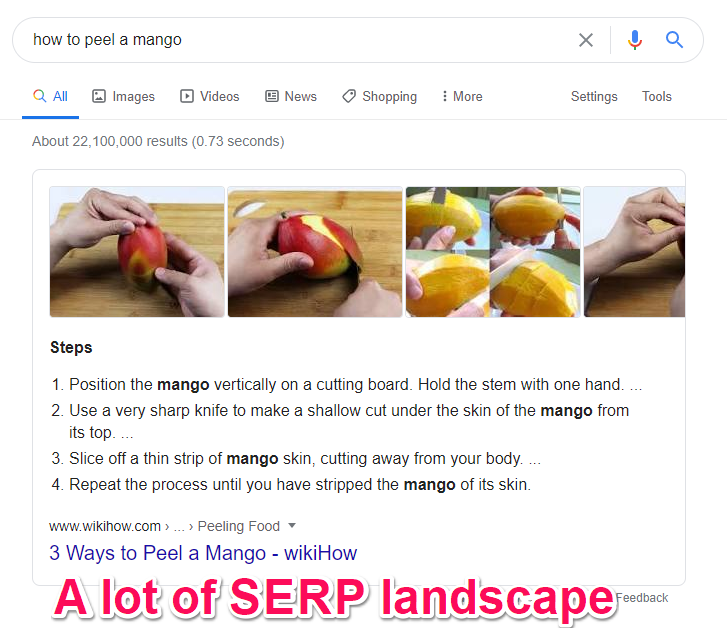
Google’s Answer Box, frequently referred to as "Position Zero," is a specialized search engine result displayed at the very top of the SERP (Search Engine Results Page). Unlike standard blue links, which require a click-through to evaluate, the Answer Box delivers the information directly within the interface.
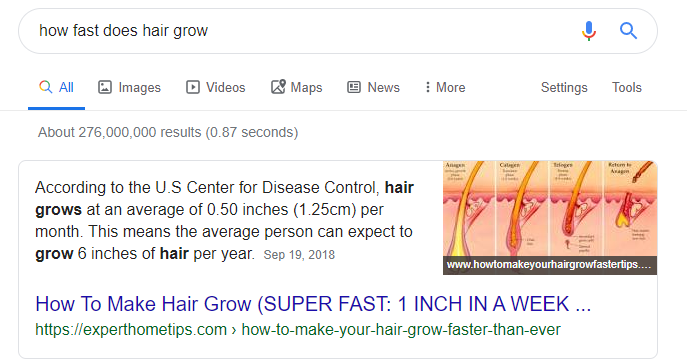
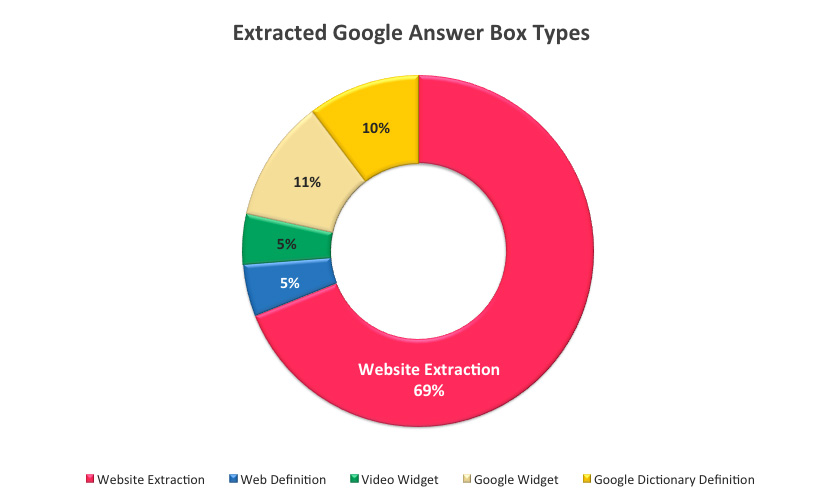
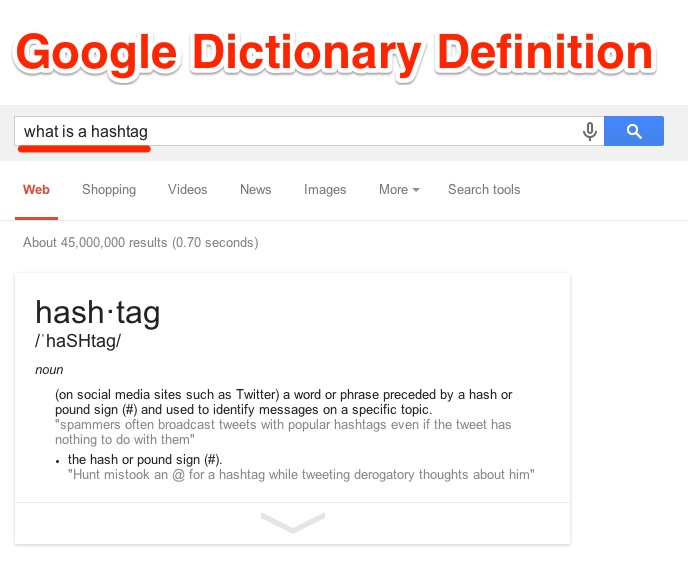
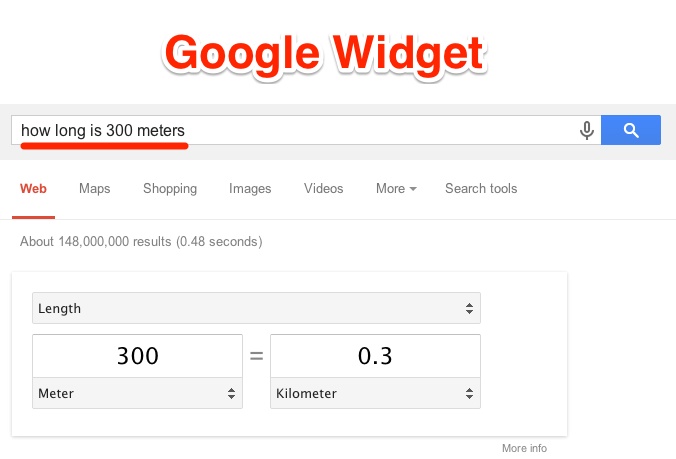
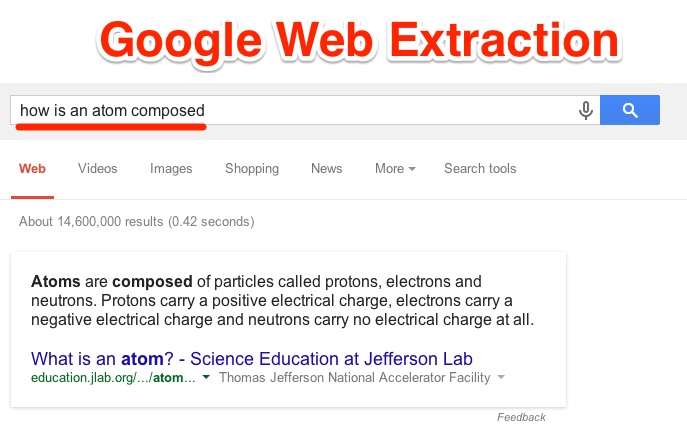
These features are powered by Google’s Knowledge Graph and sophisticated extraction algorithms. Whether it’s a quick definition, a step-by-step tutorial, or a complex calculation, these snippets aim to satisfy user intent without forcing the user to leave the search page. Common formats include:
- Paragraph Snippets: Direct textual answers to "what is" or "how to" queries.
- List Snippets: Ordered or unordered lists that break down steps or items.
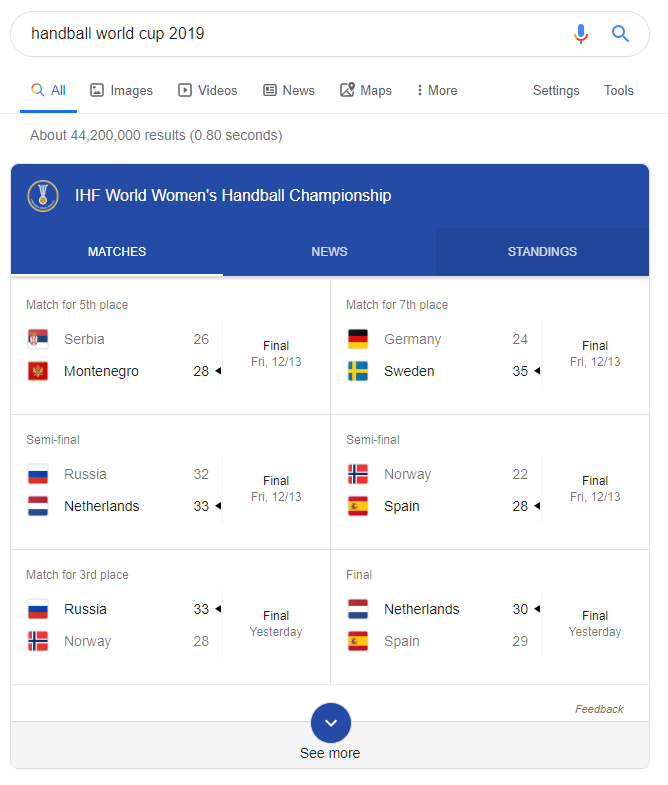
- Table Snippets: Data extracted and formatted into a readable grid.
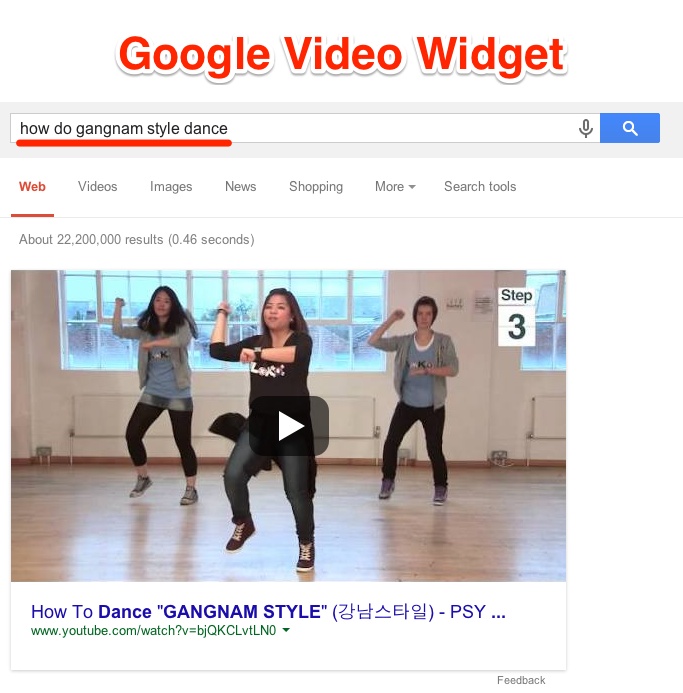
- Video Widgets: Embedded video clips that answer visual or instructional queries.
Being in the Answer Box is more than just a ranking win; it is a display of trust. By providing the "correct" answer, your brand establishes itself as an authority in the eyes of both the user and the search algorithm.
The Evolution: From Static Snippets to AI Overviews
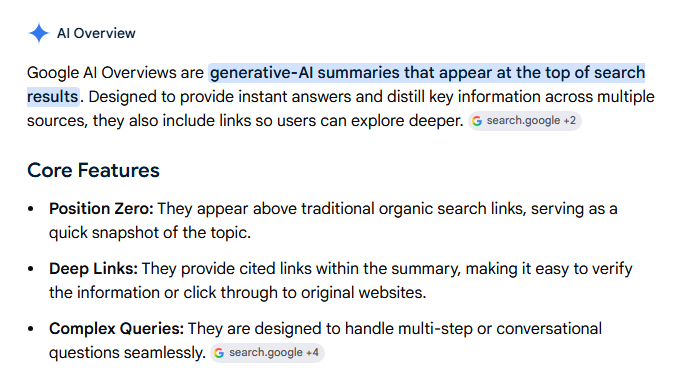
The search landscape of 2026 looks vastly different from the one that existed a decade ago. We have moved from a model of "extraction"—where Google pulls a specific string of text from a page—to a model of "synthesis."
Today, AI Overviews and conversational search agents aggregate information from a multitude of sources to construct a coherent response. In this new era, winning Position Zero is no longer just about optimizing a single HTML paragraph. Instead, AI systems evaluate the holistic reputation of a brand. They analyze mentions across social media, industry forums, news outlets, and third-party reviews to determine which entity is the most trustworthy.
Technical SEO, while still vital, is now a prerequisite rather than a silver bullet. Brands must now focus on "entity authority." If the web collectively discusses your brand as a reliable source, AI engines are statistically more likely to reference your domain when generating answers for complex queries.
Why Position Zero Remains the Holy Grail
Despite the rise of AI, the importance of the Answer Box has not diminished; it has evolved. Securing this position provides several distinct advantages:
- SERP Dominance: By owning the Answer Box, you push competitors further down the page, often out of the immediate view of the user.
- Increased Authority: Appearing in the snippet signals to the user that Google trusts your content above all others.
- Voice Search Readiness: Voice assistants like Siri, Alexa, and Google Assistant rely heavily on these snippets to provide audio responses. If you own the Answer Box, you are the answer provided to the user.
- Traffic and Engagement: While some critics argue that "zero-click" searches harm traffic, the reality is that branded, high-quality answers often drive qualified, high-intent traffic to your site.
How the Algorithm Decides: The Technical Foundation
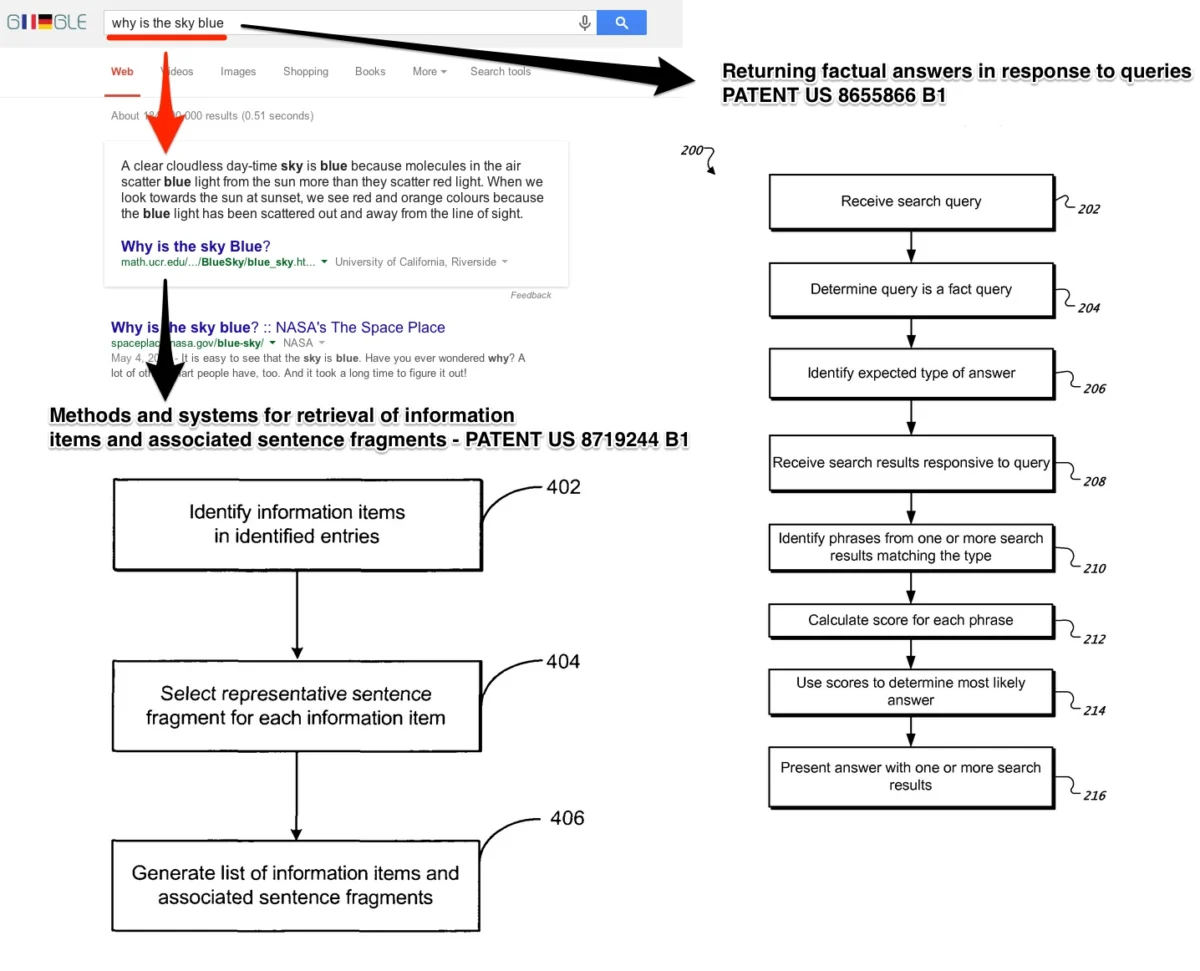
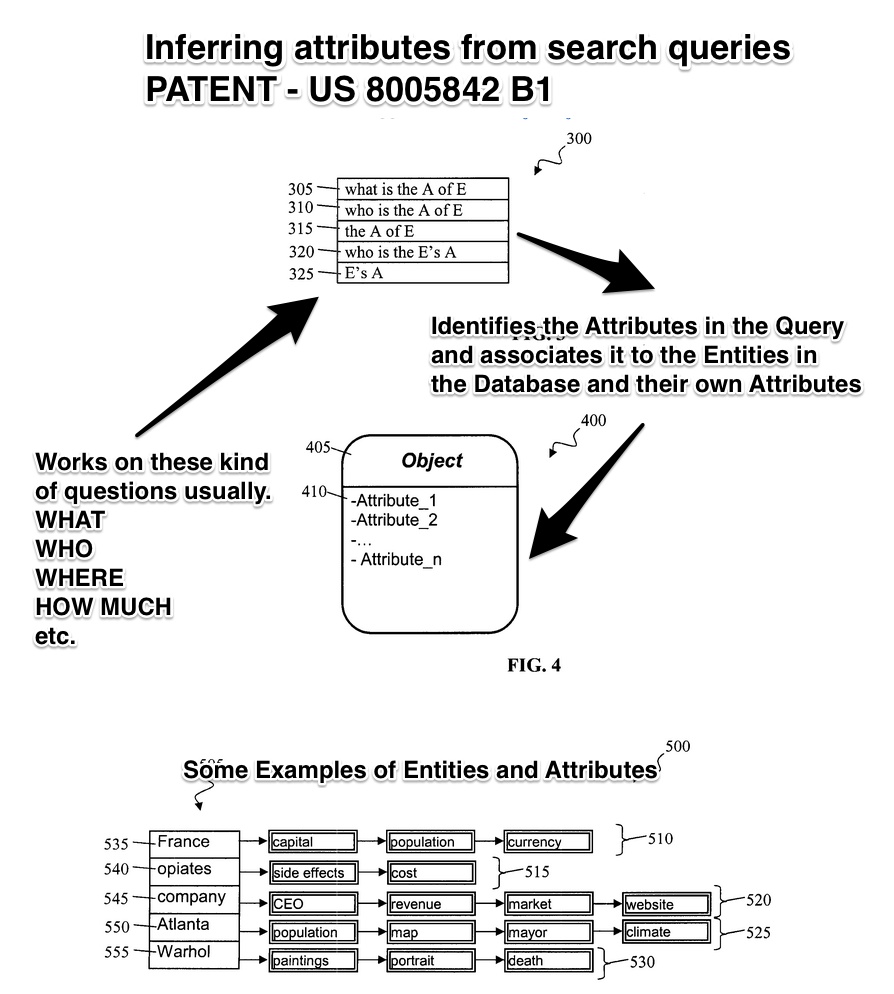
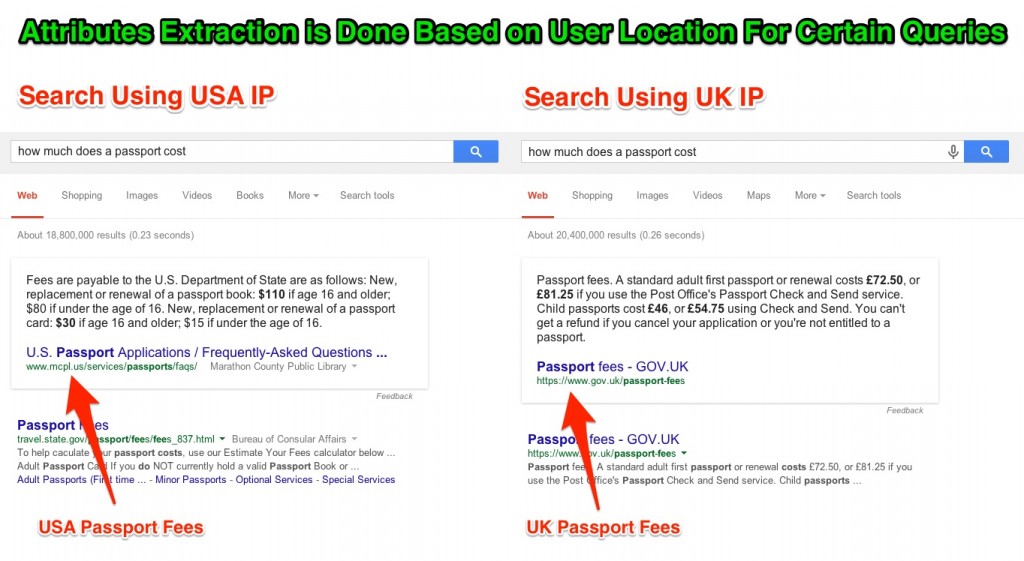
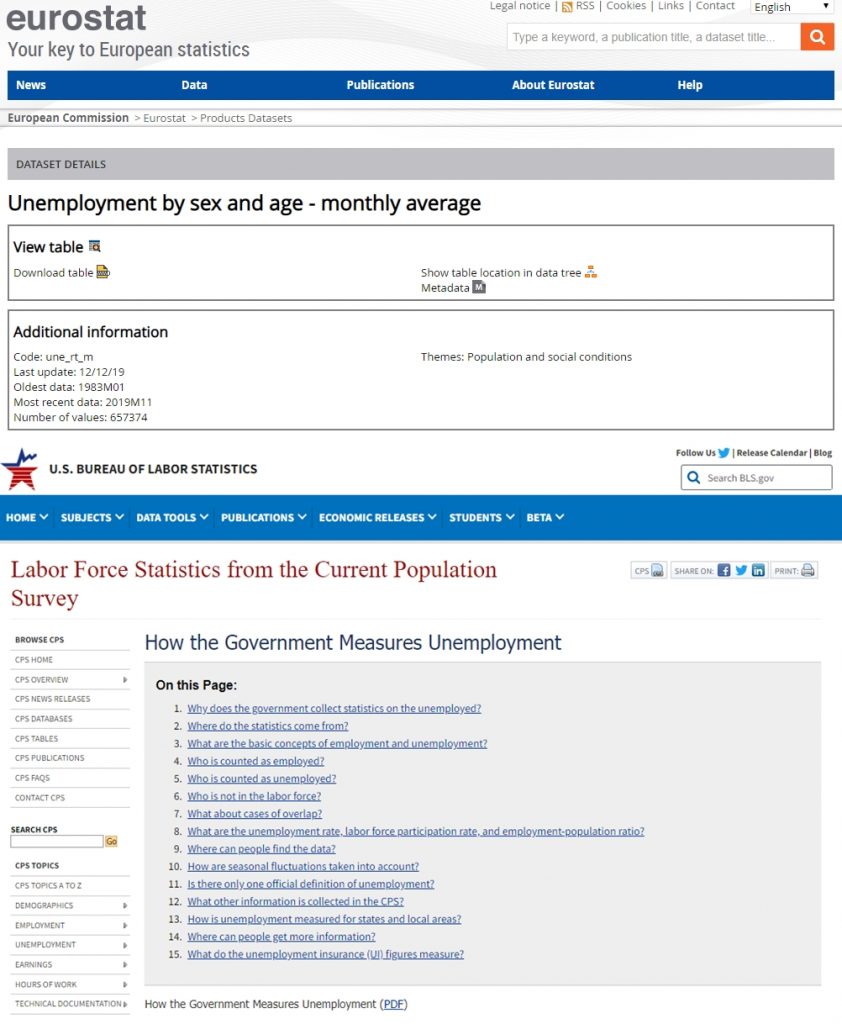
Google’s mechanism for selecting an Answer Box winner is based on complex entity extraction. When a user submits a query, the search engine typically identifies an Entity (e.g., "Ukraine") and an Attribute (e.g., "GDP").
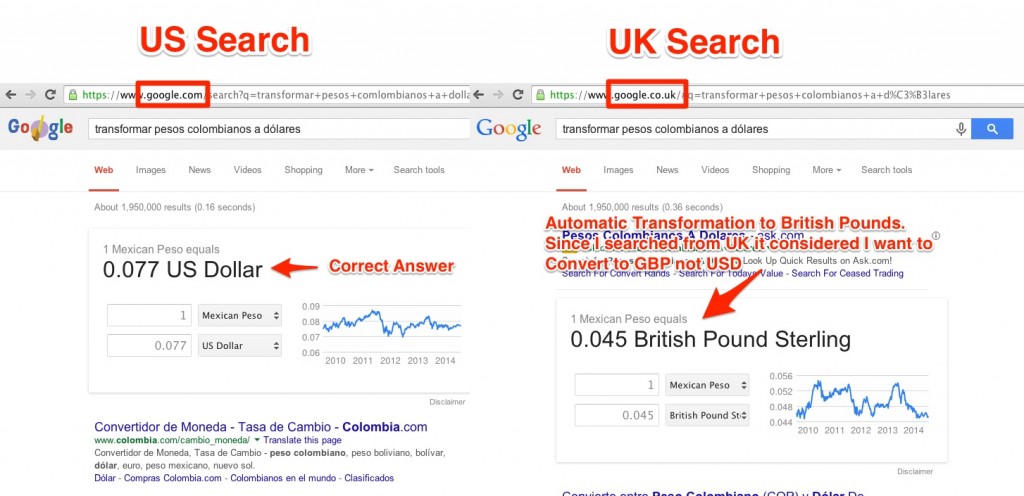
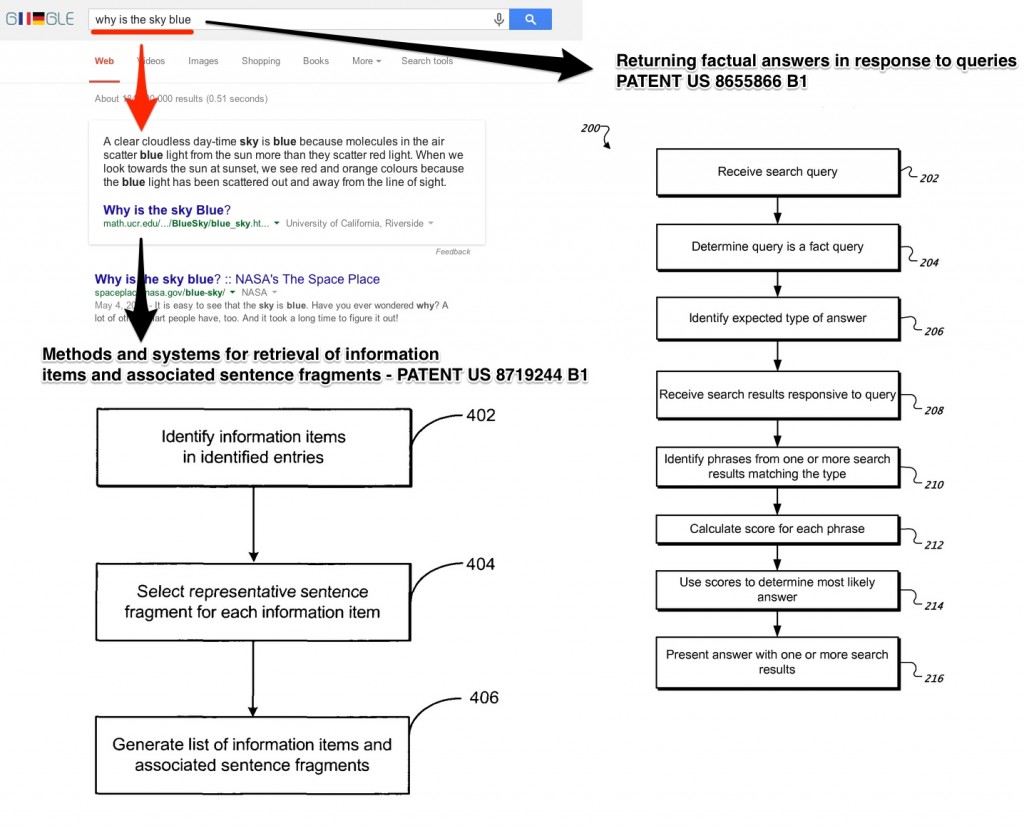
Patents held by Google, such as US8655866 B1, describe the process of identifying factual query fragments and matching them against a database of verified information. Google then ranks potential content based on a proprietary scoring system. To win this, your content must be:
- Concise: Direct answers are preferred.
- Structured: Use clear H2s, bullet points, and tables.
- Context-Aware: Include the question in the header or introductory text.
- Authoritative: .edu or .gov domains often have an edge, but private sector sites can win by establishing deep topical authority.
Strategies for Optimization: A Four-Step Plan
If you want to capture Position Zero, you must shift your content strategy to focus on user intent and structural clarity.
1. Identify Answer-Ready Keywords
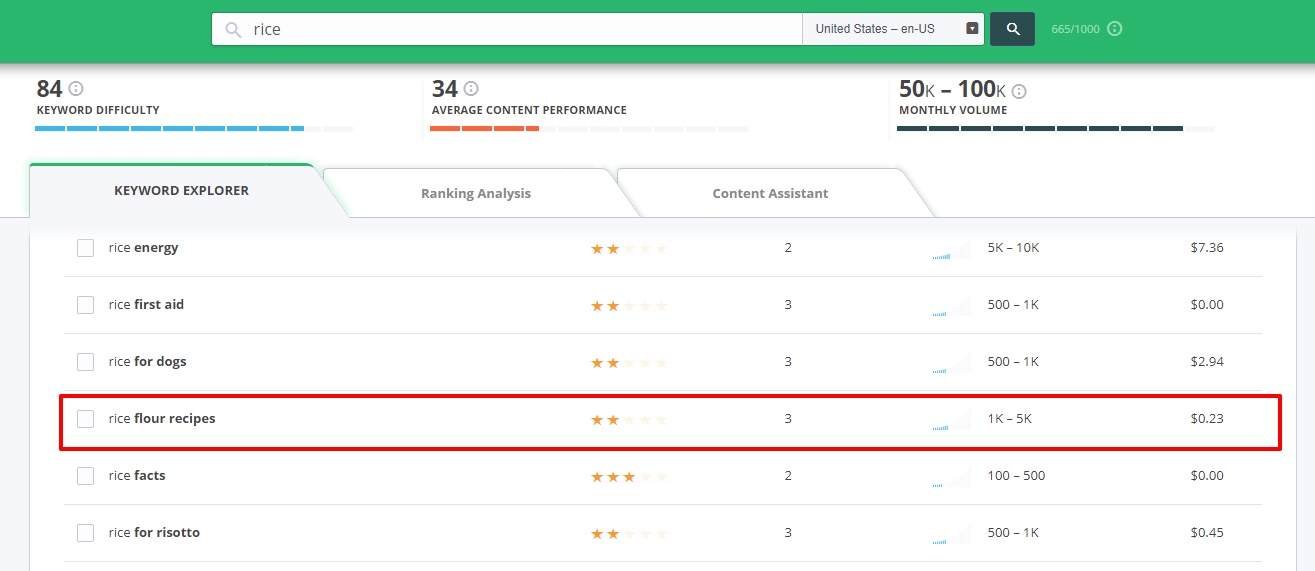
Focus on long-tail, query-based keywords. Use tools like the Content Optimizer to identify high-volume questions in your niche. If you are in the culinary industry, don’t try to rank for "rice." Instead, target "how to cook jasmine rice in a pressure cooker." These specific queries are far more likely to trigger an Answer Box.
2. Segment and Analyze Existing Snippets
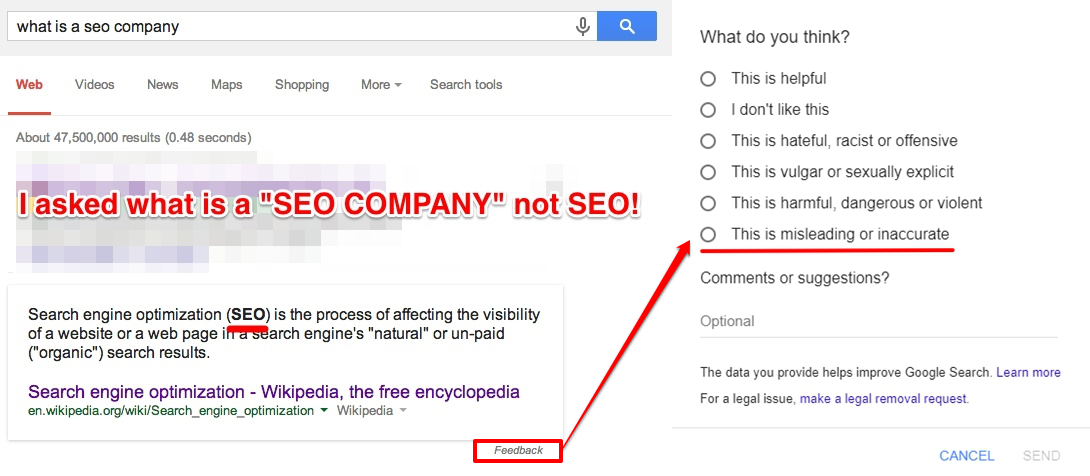
Examine the current landscape for your chosen keywords. If the existing Answer Box is inaccurate or incomplete, you have a prime opportunity. Create a superior, more comprehensive piece of content that addresses the gaps left by the current snippet. Use feedback mechanisms or simply provide a better structure to signal your relevance.
3. Write for Readability and Structure
Google loves order. When crafting content:
- Use
<p>tags for short, punchy answers (40–60 words). - Use
<ul>or<ol>tags for lists. - Use
<table>tags for comparative data. - Keep the most critical information in the first 100 words of the article.
4. Monitor and Iterate
Use Google Search Console to track your progress. Look at queries where your CTR is high and your position is low (1–3). This usually indicates you are appearing in a rich feature. Continuous monitoring is essential, as the AI-driven landscape is volatile; what works today may need refinement tomorrow.
The Role of Topical Authority
A common misconception is that only the "biggest" sites win the Answer Box. Research shows that topical authority is often more important than domain authority. If your site consistently covers a subject in depth—with multiple related articles, internal linking, and consistent updates—Google views you as a subject matter expert.
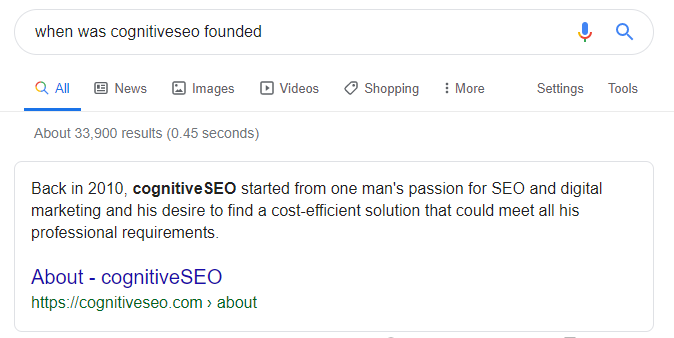
This is where social listening and brand mentions come into play. Using platforms like BrandMentions allows you to track how your brand is discussed across the web. If industry publications and forums reference your site as a source of truth, you build the "off-page" authority that AI models crave.
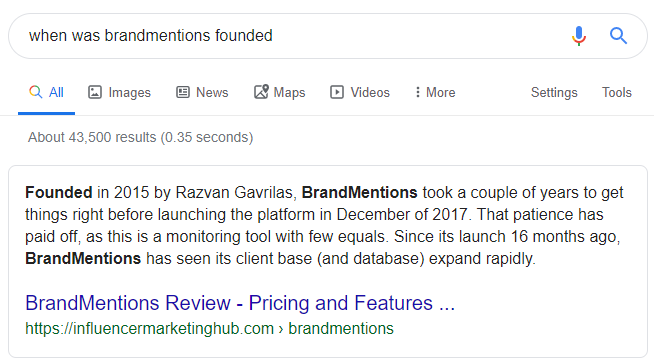
Can You Advertise for Position Zero?
According to Google, the Answer Box is strictly informational. You cannot pay to be placed in a featured snippet. However, as the lines between "organic" and "sponsored" blur, some brands have found that providing comprehensive, helpful content—even for products—can secure them a spot in the snippet.
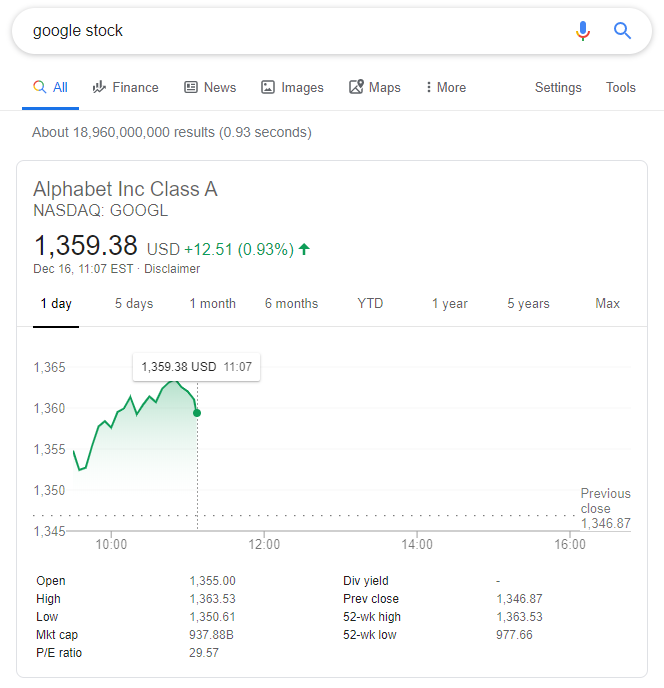
When you provide an unbiased, in-depth guide on "how much X costs," you are serving the user’s intent. If your content is the most helpful on the web, Google will reward it, regardless of whether you are selling that product or service.
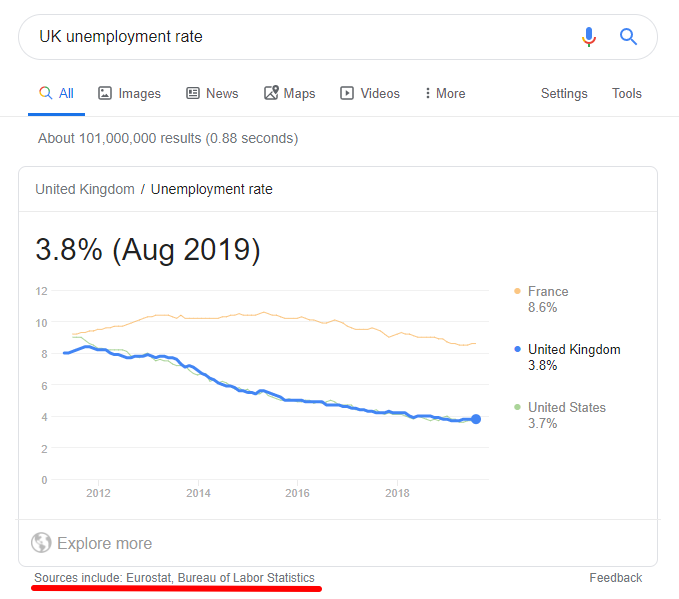
Addressing Failures: When Google Gets It Wrong
It is important to acknowledge that the system is not infallible. Google occasionally displays incorrect or outdated information. This happens because the algorithm sometimes misinterprets context or pulls from "shady" websites that have successfully gamed the system with keyword stuffing.
If you find your site is being associated with incorrect information, or if you simply wish to opt out, you can use the nosnippet meta tag. However, the better approach is to provide feedback to Google directly. The "Feedback" button on the snippet is not just a cosmetic feature; it is part of the machine learning loop that helps Google refine its accuracy.
Conclusion
The pursuit of the Google Answer Box is a journey toward becoming a trusted entity in the digital age. While the mechanics have evolved from simple keyword matching to complex AI synthesis, the core requirement remains the same: provide the most helpful, accurate, and well-structured answer to the user.
In a world increasingly dominated by AI Overviews, your brand’s reputation is its most valuable currency. By focusing on topical authority, structural excellence, and consistent brand presence, you ensure that when the AI looks for an answer, it chooses you. Position Zero is not just a ranking; it is a statement that your brand is the definitive source of truth in your industry.