





In a significant move to bridge the gap between technical SEO and web accessibility, Yoast has officially integrated AI-driven image alt text generation into its ecosystem. Announced today alongside the release of Yoast SEO and Yoast SEO Premium 28.8, the new feature arrives within Yoast WooCommerce SEO 17.0. This development marks a turning point for online merchants who have long struggled with the tedious, yet critical, task of maintaining descriptive, accessible image metadata across large product catalogs.
Main Facts: The Intersection of SEO and Automation
For years, Yoast SEO has provided users with diagnostics to identify "missing alt text"—a common pitfall that negatively impacts both search engine rankings and screen reader accessibility. Previously, identifying the problem was the extent of the assistance; fixing it required manual labor.
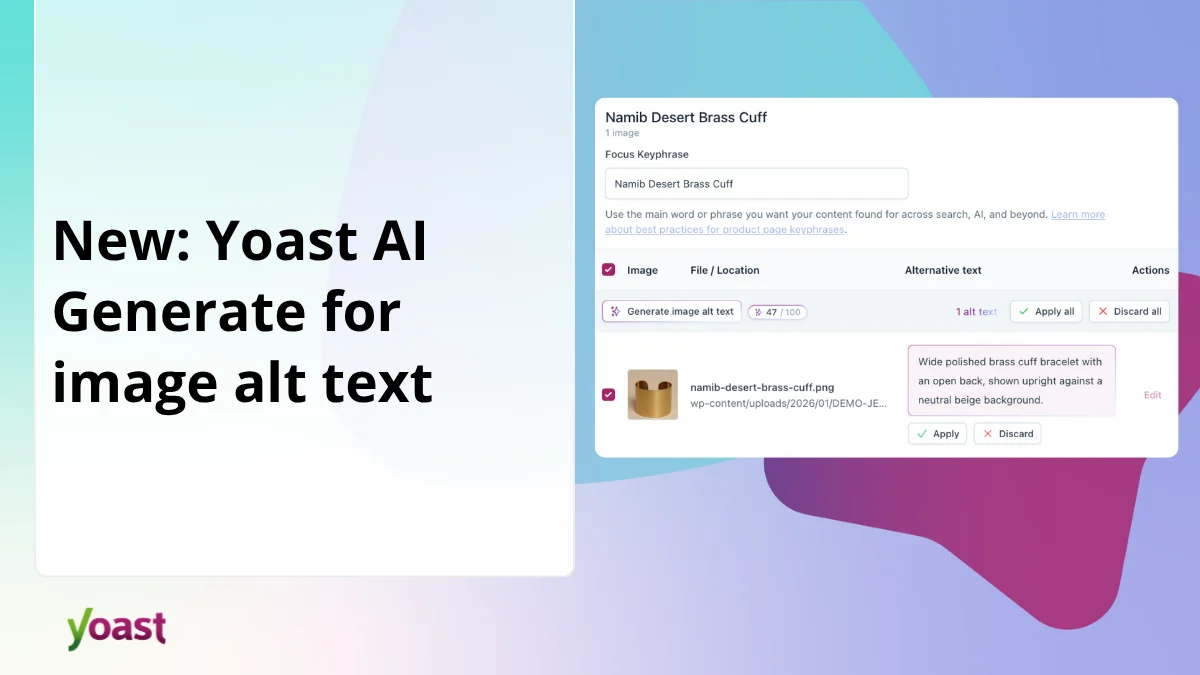
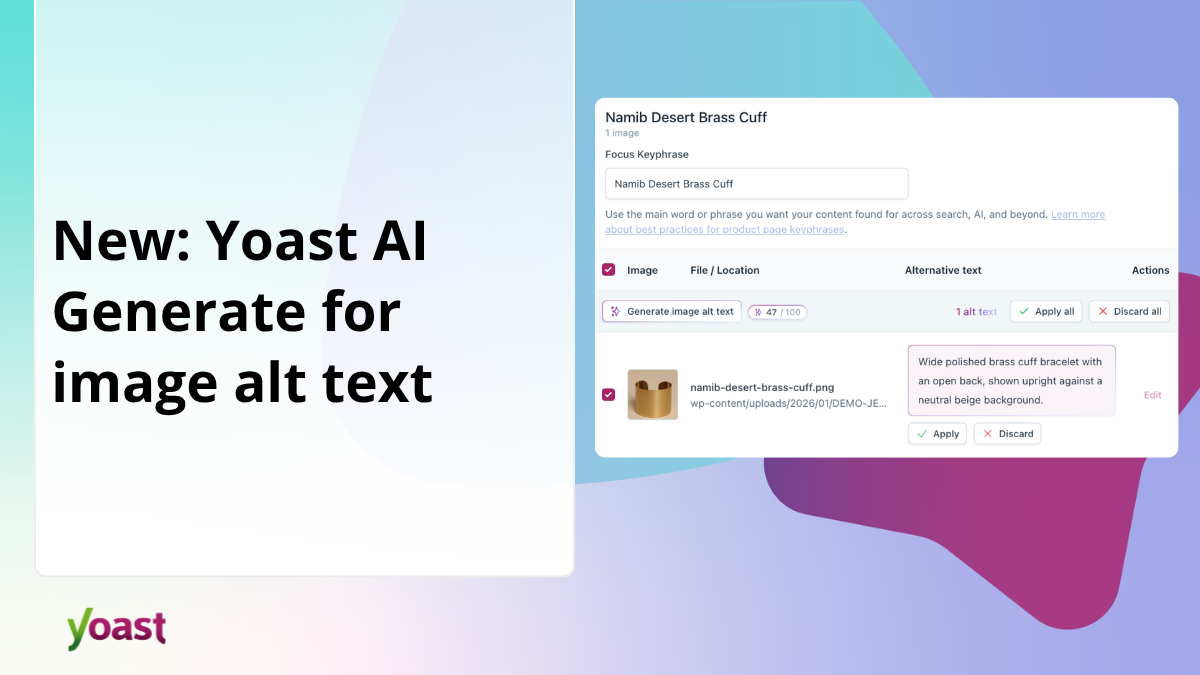
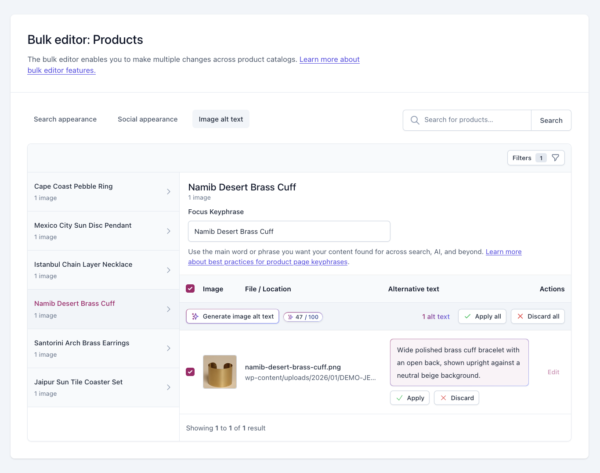
The new Yoast AI Generate for image alt text changes this dynamic. By leveraging the existing product data, the user’s focus keyphrase, and the visual content of the image itself, the tool creates context-aware descriptions. Users are not forced to accept these suggestions blindly; the workflow requires a review stage, allowing store owners to vet, edit, or reject the AI’s output before it is applied to the site’s database.
This update is not a separate paid add-on. Instead, it is bundled directly into the Yoast WooCommerce SEO plugin. It is also available to subscribers of Yoast SEO AI+, ensuring that the feature is accessible to a broad segment of the Yoast user base without shifting pricing structures.
Chronology of the Development
The path to this release reflects a broader industry trend toward integrating Large Language Models (LLMs) into content management systems (CMS).
- Pre-2023: Yoast focused primarily on content readability and keyword density analysis. Alt text was flagged as a "missing" element, but the burden of creation remained entirely with the merchant.
- Early 2024: As AI tools became more accessible, Yoast began experimenting with "Sparks"—their proprietary internal counter for AI usage—to help users generate meta descriptions and social snippets.
- Late 2024: The engineering team prioritized the integration of computer vision and text generation to address the specific "image backlog" problem, which had been identified as one of the most common user pain points in e-commerce stores.
- Today: Yoast WooCommerce SEO 17.0 is released, officially moving the AI image alt text generation out of beta and into the production environment.
Supporting Data: Why Alt Text is No Longer Optional
The business case for this feature is built on a trifecta of legal, technical, and commercial requirements.
1. The Accessibility Mandate
Accessibility is no longer a "nice-to-have" feature; it is a regulatory requirement. With the European Accessibility Act (EAA) and various international standards (WCAG 2.1/2.2) becoming more strictly enforced, e-commerce stores are under increasing pressure to ensure their platforms are usable by individuals with visual impairments. Screen readers—the primary tools for blind or low-vision users—rely entirely on the text content provided in the alt attribute to describe the visual experience of a product.
2. The Rise of "Visual Search"
Search engines are becoming increasingly sophisticated at "seeing" images. However, they still rely on human-provided context to confirm their findings. Google’s algorithms prioritize clear, descriptive alt text as a primary signal for image search rankings. A product labeled "IMG_001.jpg" is effectively invisible to a search engine, whereas a product labeled "men’s brown leather lace-up boots, side view" is highly discoverable.
3. User Experience (UX) Conversion
Beyond SEO, there is the conversion factor. A shopper using assistive technology is often unable to discern if a product matches their requirements without an accurate description. Descriptive alt text acts as a virtual sales assistant, converting a blind or low-vision visitor into a customer by providing the information they need to make an informed purchase.
Official Perspective: Simplifying the Workflow
According to Beth Parker, Product Marketing Manager at Yoast, the motivation behind this release was the sheer volume of "forgotten" images in e-commerce. "Hundreds of images without alt text represent hundreds of missed opportunities," Parker notes. By automating the heavy lifting, Yoast is essentially providing store owners with a tool that clears years of technical debt in a matter of minutes.
The integration is designed to be seamless. Users can access the functionality in two primary ways:
- The Media Library: For targeted fixes on specific images that have been flagged by the plugin.
- Bulk Edit Mode: For power users looking to clear a massive backlog of images across their entire WooCommerce store.
The system uses the "Sparks" counter to track usage, providing transparency into how much of the AI infrastructure is being utilized. This is consistent with Yoast’s strategy of keeping their AI features transparent and integrated within the existing plugin dashboard, rather than hiding them behind complex external API keys.
Implications for the E-commerce Industry
The introduction of this tool has several implications for the digital marketing landscape:
1. Democratization of SEO
Historically, only large enterprises with dedicated SEO teams had the bandwidth to maintain comprehensive metadata for thousands of products. Small and medium-sized businesses (SMBs) were frequently left behind. By automating this process, Yoast is leveling the playing field, allowing smaller shops to compete for image search rankings on equal footing with larger retailers.
2. The Shift to "AI-Assisted" Content Management
We are witnessing a shift from "content creation" to "content curation." The role of the site owner is evolving from writing every word to reviewing and approving AI-generated drafts. This shift is likely to accelerate as tools like this become standard in the WordPress ecosystem.
3. The "Shopify vs. WordPress" Divide
It is notable that this feature is currently exclusive to WooCommerce. While Yoast does offer a version of their SEO plugin for Shopify, the architecture of that platform differs significantly. This move reinforces Yoast’s commitment to the WordPress/WooCommerce community, positioning the plugin as the superior choice for users who want deep, native AI integration without leaving their dashboard.
4. Language Performance and Global Reach
Yoast has confirmed that while the AI features support all languages, performance can vary. This is a critical nuance for international retailers. As AI models continue to evolve, we can expect the accuracy of these descriptions to improve for non-English languages, but currently, it is recommended that store owners in non-English markets perform a thorough review of the generated text to ensure linguistic nuance and cultural relevance are maintained.
Looking Ahead: The Future of Yoast AI
The launch of Yoast WooCommerce SEO 17.0 is likely just the beginning of a broader roadmap. As AI becomes more adept at interpreting visual data, we can expect future updates to potentially include:
- Automatic Image Resizing and Optimization: Tying alt text generation to automatic file compression.
- Contextual SEO Recommendations: Suggesting product categories or meta descriptions based on the visual contents of images.
- Enhanced Accessibility Auditing: Real-time feedback loops that warn users if their generated alt text is too vague or fails to meet specific accessibility criteria.
Conclusion: A Proactive Approach to Maintenance
For the average WooCommerce store owner, the release of Yoast AI image alt text is a significant relief. The persistent notification in the SEO dashboard, which previously served as a source of stress, has now become a gateway to a more accessible and optimized store.
By focusing on the practical, day-to-day needs of e-commerce managers, Yoast has demonstrated a deep understanding of the "invisible" work required to keep a digital storefront running. As the digital landscape becomes increasingly competitive and regulated, those who adopt these automation tools will find themselves not only ahead of the curve in terms of search rankings but also significantly more prepared for the future of inclusive digital commerce.
For those currently running an online store, the recommendation is clear: update to the latest version of Yoast WooCommerce SEO, review your media library, and begin the process of clearing your backlog. The impact on your site’s accessibility and discoverability is immediate, and the effort required has never been lower.