
In a significant strategic shift for its hardware division, Amazon has unveiled a powerful new suite of Android-based tablets headlined by the “Alexa+” integration. The new lineup—consisting of the Alexa Tablet 12 Pro, Alexa Tablet 11, and Alexa Tablet 8—represents a bold attempt to merge the versatility of the Android ecosystem with the deep, context-aware artificial intelligence of Amazon’s refreshed voice assistant. Alongside these productivity-focused devices, the company has updated its Kids Tablet portfolio, aiming to capture the education and entertainment market with robust parental controls and new generative AI features.
Main Facts: The New Hardware Ecosystem
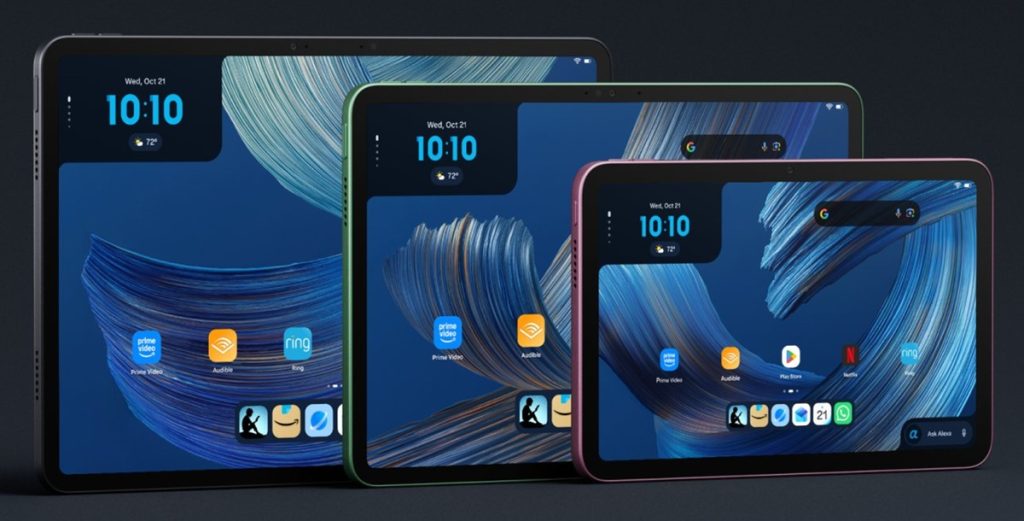
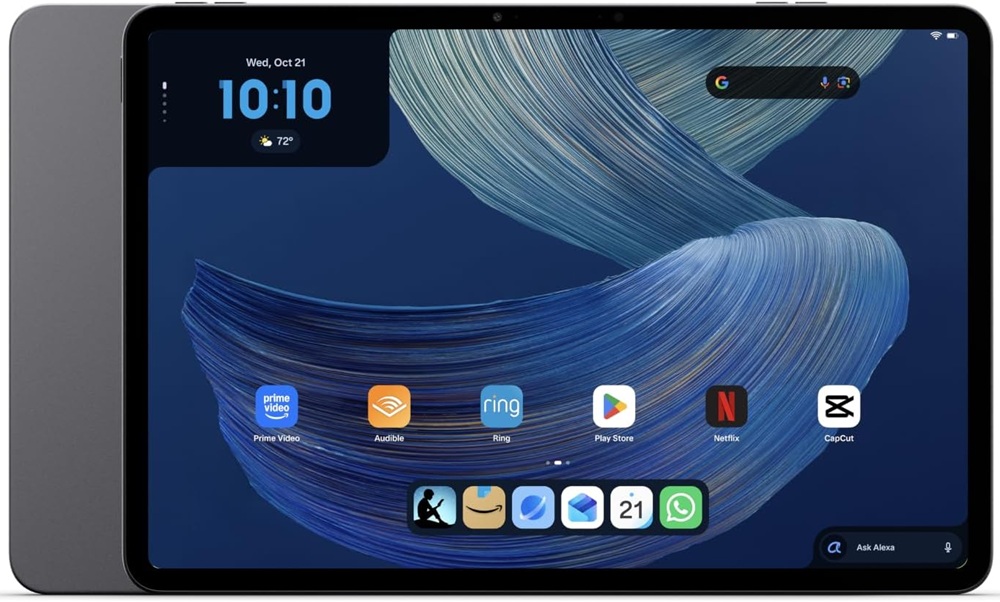
The flagship of the new collection is the Amazon Alexa Tablet 12 Pro, a high-end device designed to compete directly with premium tablets from industry leaders. Encased in a sleek, 6.5mm-thick aluminum unibody, the 12-inch display boasts a 280 PPI density and a 120Hz refresh rate. Perhaps most notable is the option for a "Nanomatte" display, which uses advanced photolithography to eliminate glare without compromising contrast—a direct challenge to traditional matte screen protectors that often wash out colors.
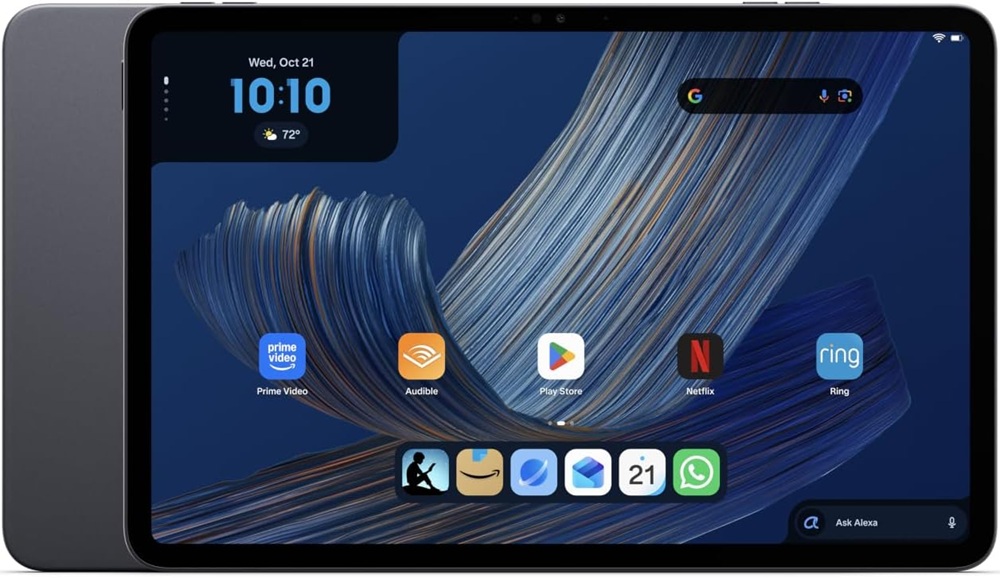
The Alexa Tablet 11 and Alexa Tablet 8 round out the standard lineup. The 11-inch model offers a 2.5K resolution, 90Hz refresh rate, and 8GB of RAM, positioning it as a mid-range powerhouse for media consumption and light productivity. The 8.7-inch Alexa Tablet 8 serves as the ultra-portable entry point, maintaining an all-aluminum build while offering up to 14 hours of video playback. All three tablets run on a 4nm octa-core processor, which Amazon claims delivers a nine-fold increase in graphics performance compared to their previous tablet generations.
Chronology of the Launch
The development of this new hardware marks a culmination of Amazon’s multi-year pivot toward integrating generative AI into consumer hardware.
- Mid-2026: Leaks began circulating regarding a shift in Amazon’s tablet strategy, moving away from the proprietary Fire OS toward a more open Android-based interface with full Google Play Store support.
- Early October 2026: Amazon formally announces the Alexa+ ecosystem, confirming the inclusion of advanced on-screen intelligence features.
- October 14, 2026: Official ship date for the United States, Mexico, Canada, and Japan (Kids Tablets).
- October 19, 2026: International expansion of shipping to the United Kingdom, Germany, France, Italy, and Spain.
This aggressive global rollout schedule suggests that Amazon is positioning these devices for the upcoming holiday shopping season, aiming to secure shelf space at major retailers like Best Buy and Target well ahead of Black Friday.
Supporting Data: Specifications and Capabilities
The Nanomatte Advantage
The display technology on the 12 Pro is a significant engineering feat. By using precision-etched textures at the sub-pixel level, Amazon has solved the "graininess" problem associated with traditional matte screens. This allows the tablet to be used in direct sunlight without the reflective distractions that plague glass-only displays.
Productivity Suites
To justify the "Pro" moniker, Amazon has introduced the Alexa Tablet Pro Pen and Pro Keyboard. The pen, a USI 2.0 active stylus, features 4,096 levels of pressure sensitivity and magnetic wireless charging. When paired with the Nanomatte display, it provides a tactile sensation that mimics paper, a feature often cited by creative professionals as a primary reason for choosing premium tablets. The magnetic keyboard removes the friction of Bluetooth pairing, allowing for seamless multi-window multitasking—a core pillar of the tablet’s new productivity-focused Android software.
The "Alexa+" Intelligence Layer
The core differentiator of these devices is "Alexa+," a contextual AI layer that can "see" the screen. By opting into On-Screen Intelligence, users can query the tablet about its current contents. For instance, a user viewing a complex spreadsheet or a travel itinerary can ask Alexa to summarize data or cross-reference dates with their calendar. To mitigate privacy concerns, Amazon has implemented a visual indicator that illuminates whenever the system is analyzing on-screen content, and the feature remains strictly opt-in.
Official Responses and Strategic Vision
Amazon’s leadership has emphasized that these tablets represent a departure from their budget-friendly roots. By supporting Google Play, Amazon is acknowledging that consumers want the full range of Android applications—YouTube, Gmail, and Slack—without the restrictions of previous Fire OS iterations.
"Our goal was to create a device that doesn’t force a choice between a dedicated e-reader, a work-from-anywhere laptop, and a media consumption device," a spokesperson noted during the press briefing. By introducing a dedicated "Kindle Reading Mode" that strips away distractions and adjusts blue light, Amazon is essentially cannibalizing its own entry-level Kindle sales to create a more "all-in-one" premium hardware experience.
Implications for the Tablet Market
1. The Death of the "Walled Garden"
For years, Amazon tablets were locked into the Amazon Appstore. The shift to a full Android experience with native Google Play Store support is a seismic change. It signals that Amazon is willing to sacrifice control over the app ecosystem to drive higher hardware sales. This move makes the Alexa Tablet 12 Pro a viable alternative to the iPad Pro and the Samsung Galaxy Tab S series.
2. Generative AI for Children
The introduction of "Storybuilder" in the Kids Tablet lineup is perhaps the most forward-thinking aspect of the release. By allowing children to use voice prompts to generate characters and plots for digital books, Amazon is moving toward an interactive, generative educational model. This changes the role of the tablet from a passive media player to an active creative tool. The inclusion of rigorous parental controls—which extend to the Google Play Store—ensures that the "openness" of Android does not expose children to inappropriate content.

3. The Future of Smart Home Control
With Alexa+ built-in, these tablets act as mobile command centers for smart homes. Because the tablets are portable, they serve as a dynamic interface that can follow the user from room to room, unlike fixed smart displays like the Echo Show. This integration suggests that Amazon intends to make the tablet the primary "remote control" for the connected home.
Market Positioning and Conclusion
The pricing strategy for this new lineup is competitive, targeting the mid-to-high-end market segment:
- Alexa Tablet 12 Pro: Starting at $599.99
- Alexa Tablet 11: Starting at $349.99
- Alexa Tablet 8: Starting at $199.99
The Kids Tablets, ranging from $149.99 to $249.99 depending on the size and age-appropriate configuration, continue Amazon’s dominance in the family-focused tech sector. By bundling a one-year Kids+ subscription, Amazon is essentially subsidizing the hardware cost to lock users into a long-term service ecosystem.

In summary, the new Amazon Alexa Tablet lineup is a clear signal that the company is done playing the role of a budget-tablet manufacturer. With high-end aluminum aesthetics, advanced Nanomatte display technology, and a sophisticated AI-integrated Android experience, Amazon is challenging the status quo of the mobile computing market. Whether these devices can successfully lure power users away from the established iPad and Android incumbents will depend on how seamlessly the "Alexa+" features integrate into the daily workflows of professional users. However, for the average consumer and families, the combination of hardware quality and software flexibility makes this the most compelling tablet launch from Amazon in over a decade.