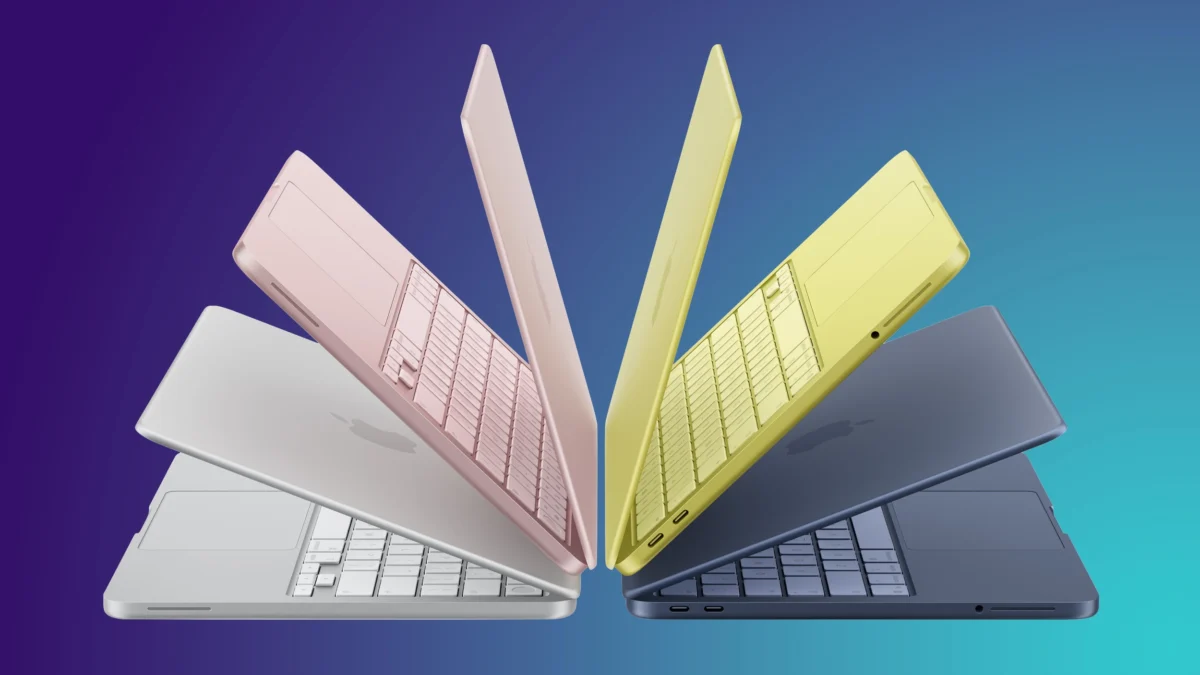
In a landscape defined by cooling consumer demand and supply chain volatility, Apple has once again demonstrated its unique capacity to navigate economic headwinds. According to the latest preliminary data from Counterpoint Research for the third quarter of 2026, the global personal computer market is experiencing a significant contraction, with total shipments plummeting by 21% year-over-year to just 57 million units. Yet, amidst this widespread downturn, Apple has managed to tighten its grip on the industry, effectively increasing its global market share—a feat largely attributed to the successful launch and sustained appeal of the MacBook Neo.
The State of the Industry: A Macroeconomic Retrenchment
The PC industry is currently weathering a perfect storm. The third quarter of 2026 has been characterized by a sharp decline in hardware spending, driven by a combination of rising production costs and cautious consumer sentiment. As inflationary pressures persist, the cost of high-performance memory modules and specialized components has surged, creating a ripple effect that has pushed retail prices for laptops and desktops to levels that many households find difficult to justify.
Counterpoint Research’s analysis suggests that the current downturn is not merely a seasonal fluctuation but a systemic correction. Consumers, faced with broader economic uncertainty, are increasingly opting to extend the lifecycle of their current devices rather than investing in new hardware. While business fleet refreshes and a steady stream of migrations from legacy Windows environments have provided a necessary floor for the market, these factors have proven insufficient to stave off the industry-wide contraction.
Apple’s Resilience: The MacBook Neo Effect
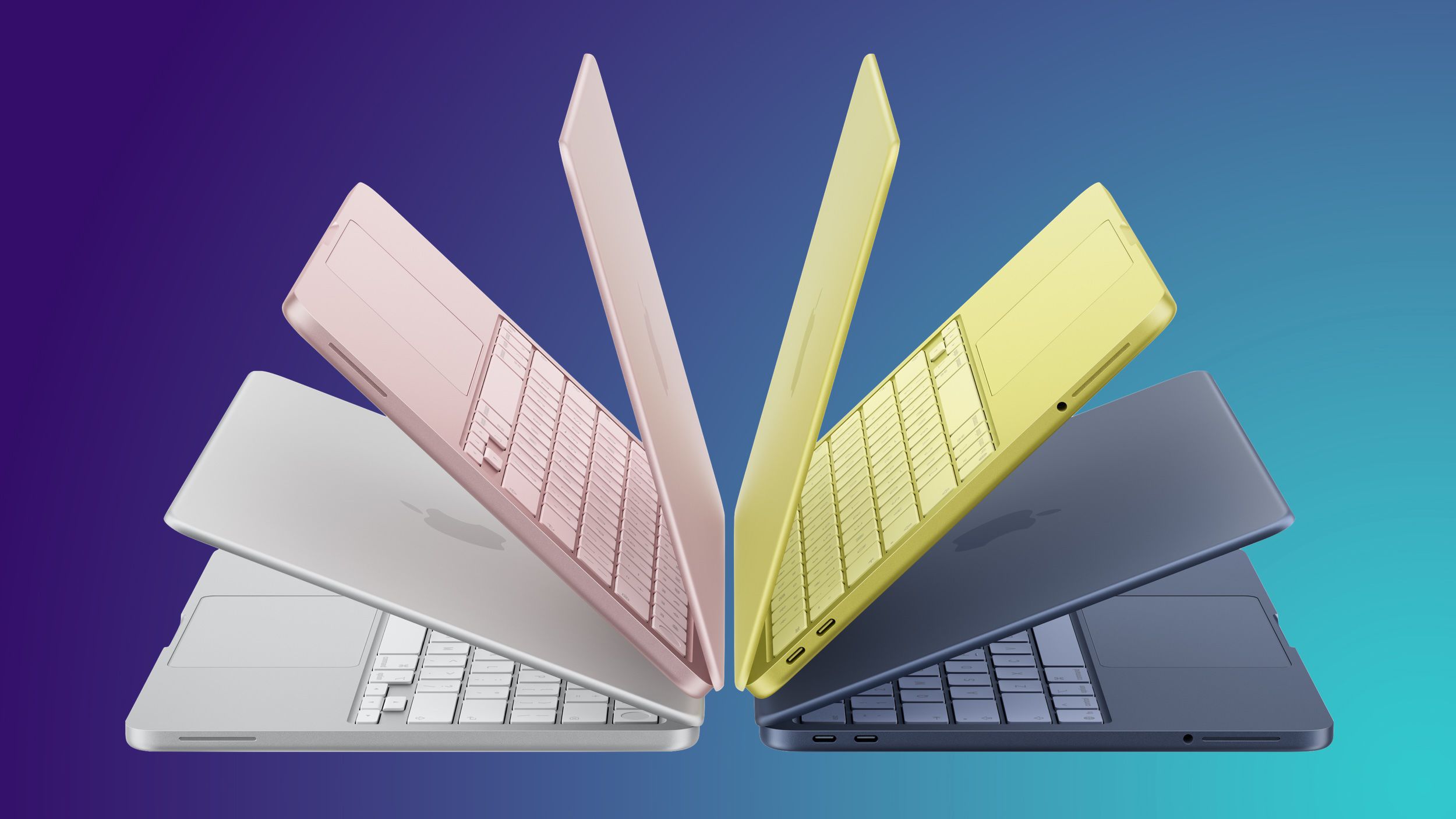
While Apple was not immune to the cooling demand—recording 5.6 million Mac shipments, an 11% decrease from the same period in 2025—its performance relative to its competitors was nothing short of defensive excellence. Because the overall market contracted by a staggering 21%, Apple’s relative stability allowed it to expand its market share from 8.7% to 9.8%.
Central to this resilience is the MacBook Neo. Released earlier this year, the device has acted as a critical anchor for Apple’s hardware division. By balancing high-end performance with a design language that resonates with both creative professionals and the general consumer base, the MacBook Neo has effectively insulated Apple from the worst of the market’s decline. Analysts point to the device’s specialized architecture and the efficiency of Apple Silicon as key factors that have maintained demand, even as competitors struggle to convince users that a hardware upgrade is necessary.
Chronology of the Q3 2026 Market Shift
The trajectory of the third quarter reveals a clear hierarchy of endurance within the PC sector.
- Early July: Initial industry forecasts predicted a decline, but supply chain bottlenecks and inflationary pressures exceeded early estimates, leading to widespread inventory adjustments across major manufacturers.
- August: As retail prices for premium hardware climbed, demand for mid-tier Windows laptops began to evaporate. However, Apple’s marketing efforts for the MacBook Neo gained momentum, signaling a decoupling of Apple’s sales performance from the general industry trend.
- Late September: As the quarter drew to a close, it became clear that the major PC vendors were facing double-digit declines. Lenovo, the long-standing market leader, saw its shipments drop by 23%, while HP suffered a significant 31% contraction. Dell, rounding out the top three, experienced a 25% decline.
- October: Counterpoint Research released its definitive preliminary report, cementing the reality that while the tide was going out on the PC market, Apple was positioned more securely than its rivals.
A Comparative Analysis: The Competitive Landscape
The disparity between the industry leaders and the rest of the pack is stark. As of the end of the third quarter, the rankings for global PC shipments remain largely unchanged, though the gap between them has shifted in terms of percentage.
The "Big Four" and the Challenger
Lenovo continues to hold the top spot with a 26.3% market share, though its 23% shipment decline highlights the vulnerability of a broad-portfolio strategy in a shrinking market. HP follows with an 18.1% share, having faced the most severe contraction among the leaders at 31%. Dell sits in third with 13.3% and a 25% decline.
Apple, maintaining its fourth-place position, has clearly benefited from a more focused product strategy. By targeting the premium segment of the market, Apple has captured a demographic less sensitive to price fluctuations than the mass-market consumer base.
Interestingly, ASUS has emerged as the only other major vendor to mirror some of Apple’s success. By recording a more modest 7% decline, ASUS has secured a 9.2% market share, putting it within striking distance of Apple. The success of both Apple and ASUS suggests that in a down market, brand loyalty and specific niche-product optimization are the primary drivers of survival.
Implications for the Future: Looking Toward 2027
The outlook for the remainder of 2026 remains sobering. Counterpoint Research anticipates a further 27% year-over-year decrease in global PC shipments for the fourth quarter. This suggests that the holiday season may not provide the "bounce" that manufacturers traditionally rely upon to clear inventory.
However, the longer-term forecast for 2027 offers a glimmer of stability. Projections indicate that shipment volumes will likely remain broadly flat compared to 2026. For Apple, this creates a potential window of opportunity. If the company can continue to iterate on the MacBook Neo and maintain its high brand equity, it is well-positioned to maintain—or even expand—its 9.8% share of the market as the industry enters a period of stagnation.
Strategic Synergies: The Ecosystem Advantage
It is impossible to analyze Apple’s PC success in isolation from its broader ecosystem. As noted in recent reports, Apple’s smartphone division is simultaneously breaking records, with the iPhone claiming a 22% share of a similarly shrinking smartphone market.
The strategy is clear: Apple is building a unified user experience that makes it difficult for consumers to leave the ecosystem. When a user is deeply integrated into the iOS/macOS environment—utilizing features like Universal Control, iCloud sync, and seamless cross-device communication—the decision to upgrade a laptop becomes an extension of a larger technology lifestyle rather than a standalone purchase.
This ecosystem advantage provides a "moat" that is becoming increasingly difficult for PC rivals to cross. While companies like Lenovo and HP are forced to compete primarily on hardware specifications and price points, Apple is competing on the value of the platform. The MacBook Neo is not just a laptop; it is the cornerstone of a digital infrastructure that keeps users tethered to Apple, regardless of the macroeconomic climate.
Final Outlook: The New Normal
The third quarter of 2026 will likely be remembered as the point where the PC market hit its "new normal." The era of rapid, pandemic-fueled growth has definitively ended, replaced by a more mature, cyclical market defined by high stakes and high expectations.
For Apple, the challenge moving forward will be to manage the inevitable saturation of its target demographic. While the MacBook Neo has been a successful catalyst, the company will eventually need to introduce new innovations to keep the momentum alive in a 2027 that promises no significant growth. Nevertheless, for now, Cupertino’s strategy of premium positioning and ecosystem integration remains the gold standard for survival in an industry facing its most difficult chapter in years.
As the industry pivots toward a future of flat growth and high competition, the success of the MacBook Neo serves as a reminder that even in a shrinking market, there is always room for a product that defines its own value proposition. The coming months will be telling, but for the moment, Apple has secured its position as the most resilient player in the personal computing space.