











For over two decades, the WordPress ecosystem has been defined by a singular, human-centric paradigm. Developers have meticulously crafted user interfaces, optimized navigation menus, and refined form submissions, all under the assumption that a person—sitting at a browser—is the primary driver of site activity. However, a seismic shift is underway. As AI agents evolve from simple chatbots into autonomous operators, they are beginning to interact with WordPress not through visual cues, but through direct, machine-to-machine communication.
This evolution requires a fundamental rethink of how we build, secure, and scale the web. The future of WordPress development is no longer just about the "pageview"; it is about creating "agent-ready" infrastructure that can securely and efficiently facilitate automated workflows.
The Paradigm Shift: From Human Users to Autonomous Agents
In the traditional web model, users possess an innate ability to "figure things out." If a button is mislabeled or a form field is confusing, a human can intuitively adjust their behavior, reread instructions, or retry an action. AI agents, by contrast, lack this heuristic flexibility. They require clearly defined inputs, structured outputs, and predictable, programmatic pathways.
The Divergence of Interaction Models
The difference between human and agent interactions is best illustrated by contrasting their operational requirements:
- Navigation vs. Capability Discovery: Humans rely on menus and visual layouts. Agents require an API-driven "discovery" process where they can query the system to understand what capabilities (or "tools") are available to them.
- Forms vs. Structured Data: While humans fill out forms, agents require JSON-based, structured inputs that leave no room for ambiguity.
- Visual Feedback vs. Programmable Responses: A "success" page is meaningless to an agent. Agents require structured error codes and machine-readable confirmations that verify an action’s outcome.
Unlike traditional web crawlers—which primarily index content—AI agents take action on behalf of a user. They can manage inventory, generate draft posts, execute financial transactions, or trigger complex server-side workflows. This shift in function necessitates a transition from "content-first" design to "capability-first" design.
Chronology: The Evolution Toward an Agent-Ready Web
The path toward agent-ready WordPress has been a gradual buildup of API maturity and infrastructure standardizations:

- The Rise of the REST API: The introduction of the WordPress REST API laid the groundwork, allowing developers to decouple the front-end from the back-end. This was the first major step toward making WordPress a "headless" platform capable of communicating with non-human consumers.
- The Emergence of Specialized Tooling: With the advent of the Model Context Protocol (MCP) and dedicated WordPress adapters, the barrier to connecting AI models directly to WordPress databases has lowered significantly.
- Modern Infrastructure APIs: Hosting providers, such as Kinsta, began introducing robust infrastructure-level APIs. This allows developers to manage hosting environments, clear caches, and handle server operations programmatically, bypassing the need for manual dashboard intervention.
Supporting Data: The Security and Performance Gap
The integration of AI agents is not without risk. Research from the 2025 Identity Security Landscape by CyberArk indicates that 68% of organizations currently lack adequate identity security controls for AI. This statistic serves as a stark warning: as we empower agents to perform tasks within our WordPress instances, we are effectively expanding the "attack surface" of our applications.
Furthermore, performance metrics shift when moving from human to machine traffic. While a human might trigger one or two requests per minute, an agent can initiate dozens of API calls in a matter of seconds. Without proper rate-limiting and architectural planning, these automated workflows can easily overwhelm database resources, leading to latency that degrades the experience for human visitors.
Official Perspectives: The Role of the Abilities API
The WordPress "Abilities API" has emerged as a cornerstone for this transition. By allowing developers to define specific, granular actions that an agent can perform, the API acts as a secure intermediary. Instead of granting an AI agent administrative privileges, developers can use the Abilities API to expose only the specific functions required for a task—such as "create_draft" or "fetch_inventory"—without granting the agent full access to the site’s underlying data.
"The goal is not to force AI into every corner of the site," notes industry expert Carlo Daniele. "The goal is to stop assuming that the browser is the only interface. By building in a way that respects both human and machine needs, we ensure that a site remains robust regardless of how the user arrives at the destination."
Implications for Modern Agencies
For digital agencies, the implications of this shift are profound. During the discovery phase of a new project, the question "What can a user do on this site?" must now be paired with "What should an agent be permitted to do?"
Architectural Considerations for Future-Proofing
Agencies should prioritize the following during architecture reviews:
- Permission Scoping: Every automated task should operate under the principle of least privilege. If an agent is designed to summarize posts, it should not have the capability to delete pages or modify global settings.
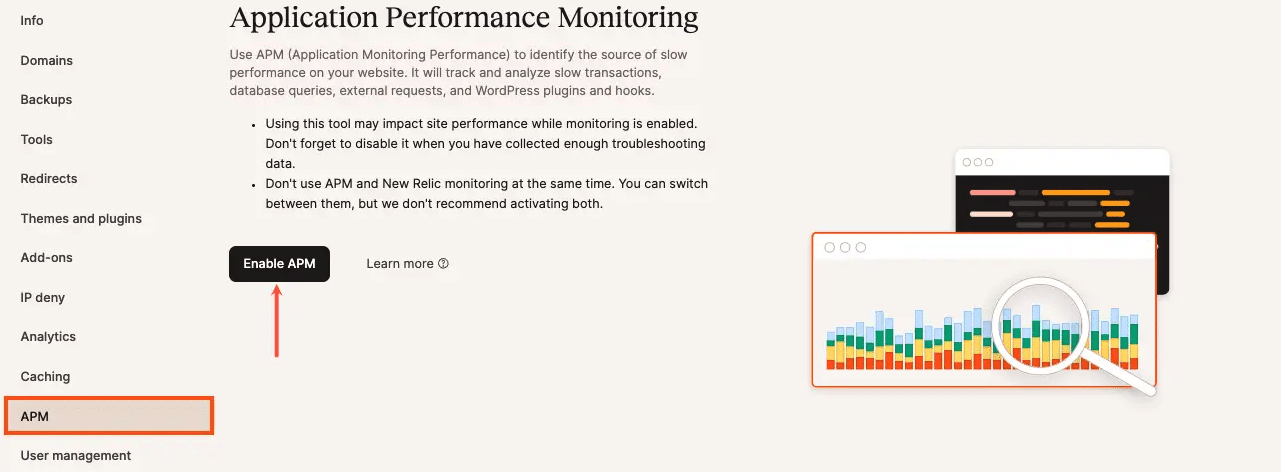
- Observability and Logging: Because agent errors occur "under the hood," traditional error tracking is often insufficient. Developers must implement comprehensive APM (Application Performance Monitoring) tools to trace the lifecycle of an agent’s request, ensuring that every action is logged and retrievable.
- Idempotency: When designing API endpoints for agents, ensure they are idempotent. If an agent experiences a timeout and sends the same request twice, the system should be smart enough to recognize the duplicate and avoid creating redundant orders, posts, or database entries.
- Graceful Degradation: Even as we build for machines, the human-readable web remains the primary interface for most users. Ensure that API-first workflows do not strip away the contextual information needed for human accessibility.
The Hosting Layer as a Machine Interface
A critical, often overlooked aspect of this evolution is the hosting infrastructure itself. The shift toward "Infrastructure as Code" means that the hosting environment should be as accessible to agents as the WordPress application.
Through the use of MCP servers, developers can now grant AI agents the ability to perform hosting-level operations—such as checking environment health, managing plugin updates, or cloning staging sites—programmatically. This level of automation can drastically reduce the overhead for agencies managing hundreds of sites. However, it necessitates a rigorous approach to API security. Credentials must be stored in secure vaults, and API tokens should be rotated and scoped to specific, time-bound tasks.
Conclusion: Building for a Dual-Audience Future
We are entering an era where the "WordPress site" is no longer just a digital billboard; it is an active, functional service layer. The challenge for developers in the coming years will be to balance the intuitive, visual needs of the human visitor with the rigid, high-speed, and automated requirements of the AI agent.
The sites that thrive in this environment will be those that prioritize modularity, security, and observability. By treating agent-readiness as a core component of the development lifecycle rather than an afterthought, developers can ensure that WordPress remains the foundational architecture of the web, whether the visitor is a person or a machine.
As we move forward, the mantra remains simple: design for the human, build for the agent, and secure for both. The browser is still the heart of the experience, but the veins that power the system are increasingly made of API calls, structured data, and intelligent, automated agents.



