The initial promise of AI website building was simple: describe your business in a few sentences, hit "generate," and watch as a polished, professional homepage materializes in seconds. In 2026, that threshold has been crossed—almost any modern AI tool can deliver a functional, attractive site from a prompt. However, the true test of these platforms is not the initial launch; it is the "Day 100" test. What happens when you need to restructure a complex section, pivot your branding, or scale your site by adding new pages that must maintain a cohesive identity?
As the technology matures, the landscape of AI-driven web development has bifurcated into three distinct architectural philosophies. Understanding these approaches is no longer a niche concern for developers; it is a critical strategic decision for every business owner, marketer, and entrepreneur.
The Three Pillars of AI Website Architecture
When you submit a prompt to an AI, the resulting output is dictated by the tool’s underlying architecture. In 2026, we see three primary models:
1. The Hosted Ecosystem (The "Walled Garden")
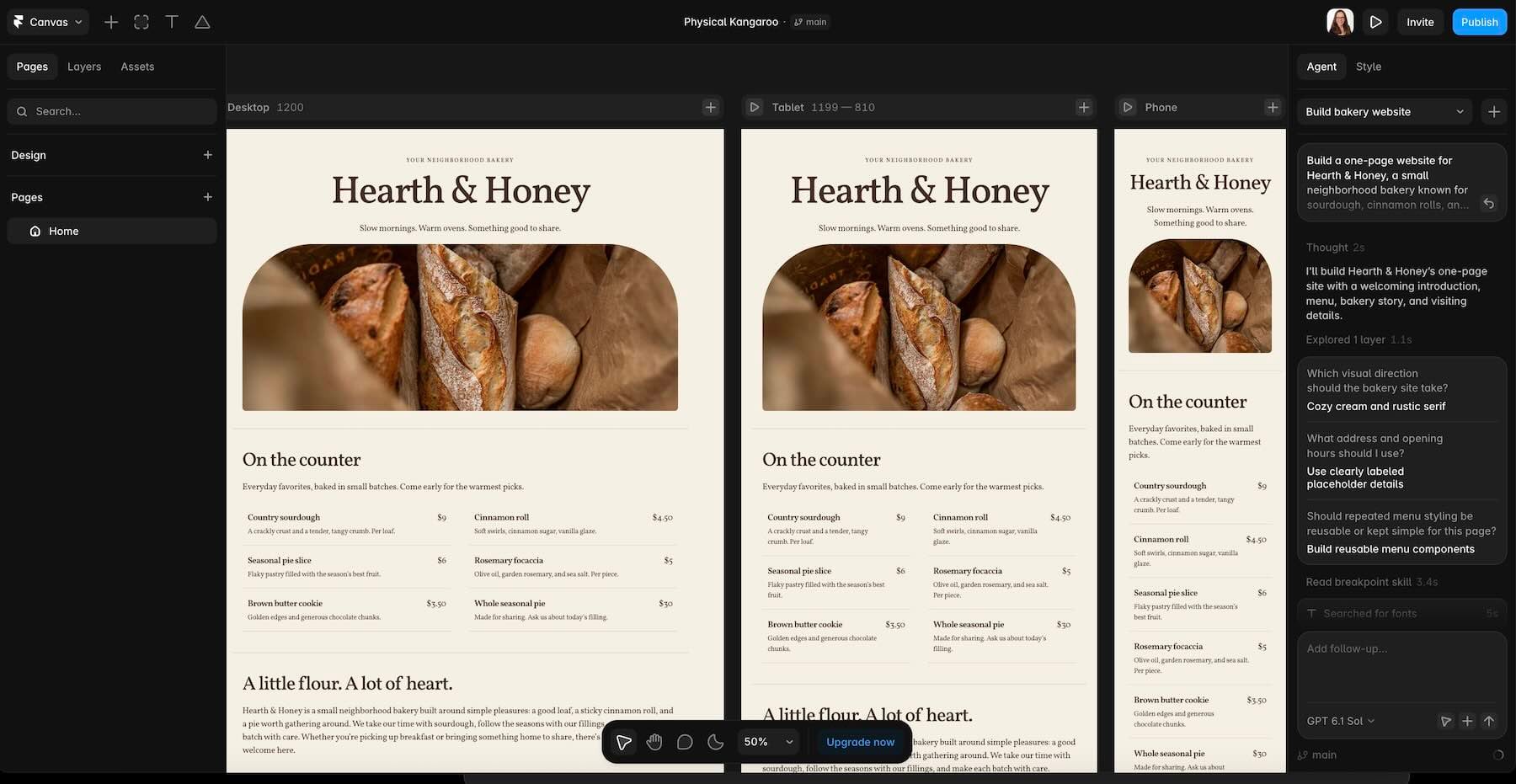
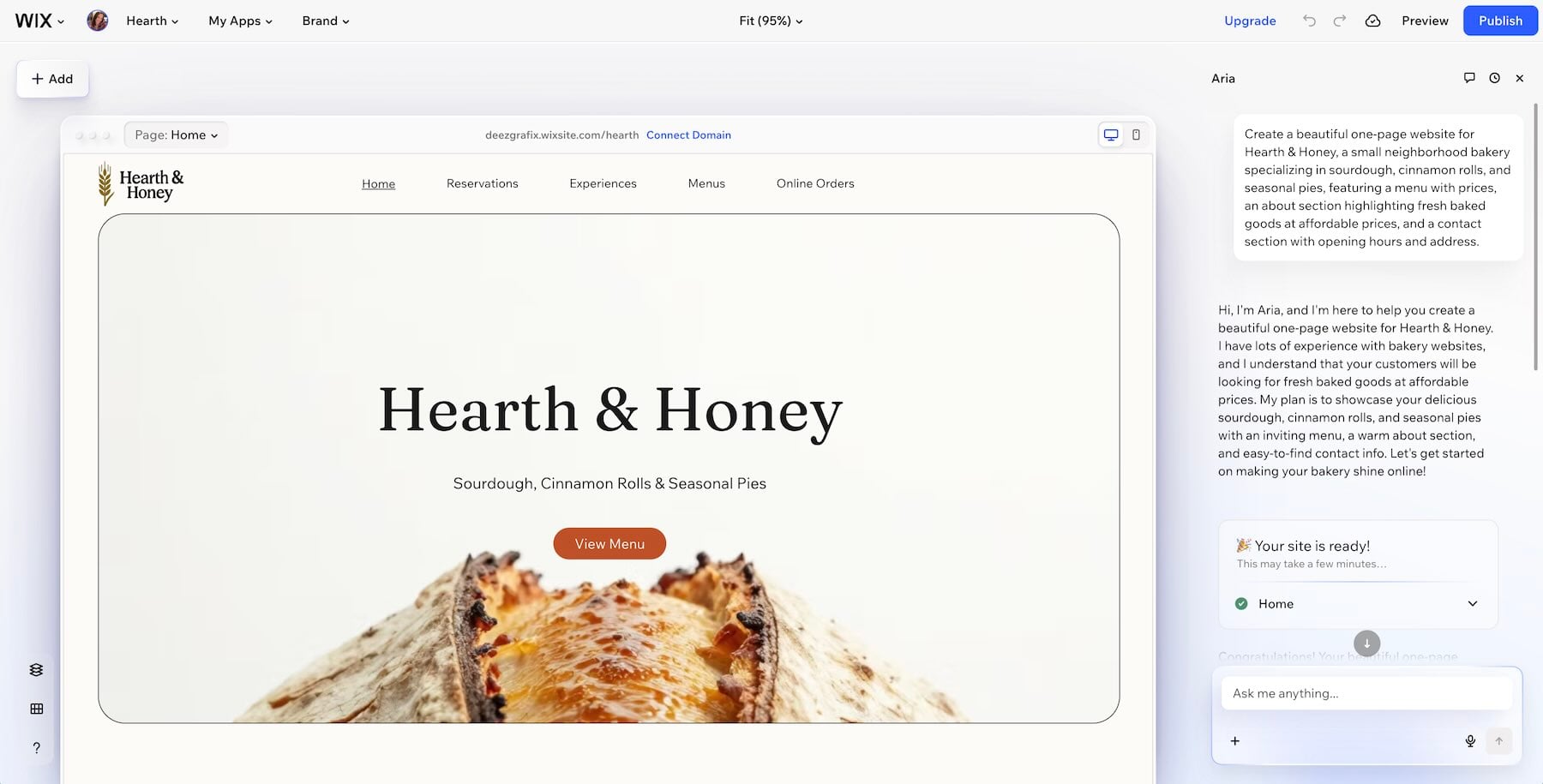
Platforms like Wix Harmony, Hostinger AI Website Builder, and Framer represent the most convenient path to entry. These services combine hosting, domain management, and a proprietary visual editor into a single, seamless package. They are the "all-in-one" solution where the software, the server, and the design tools are inseparable.
2. The Codebase Generator (The "Developer’s Bridge")
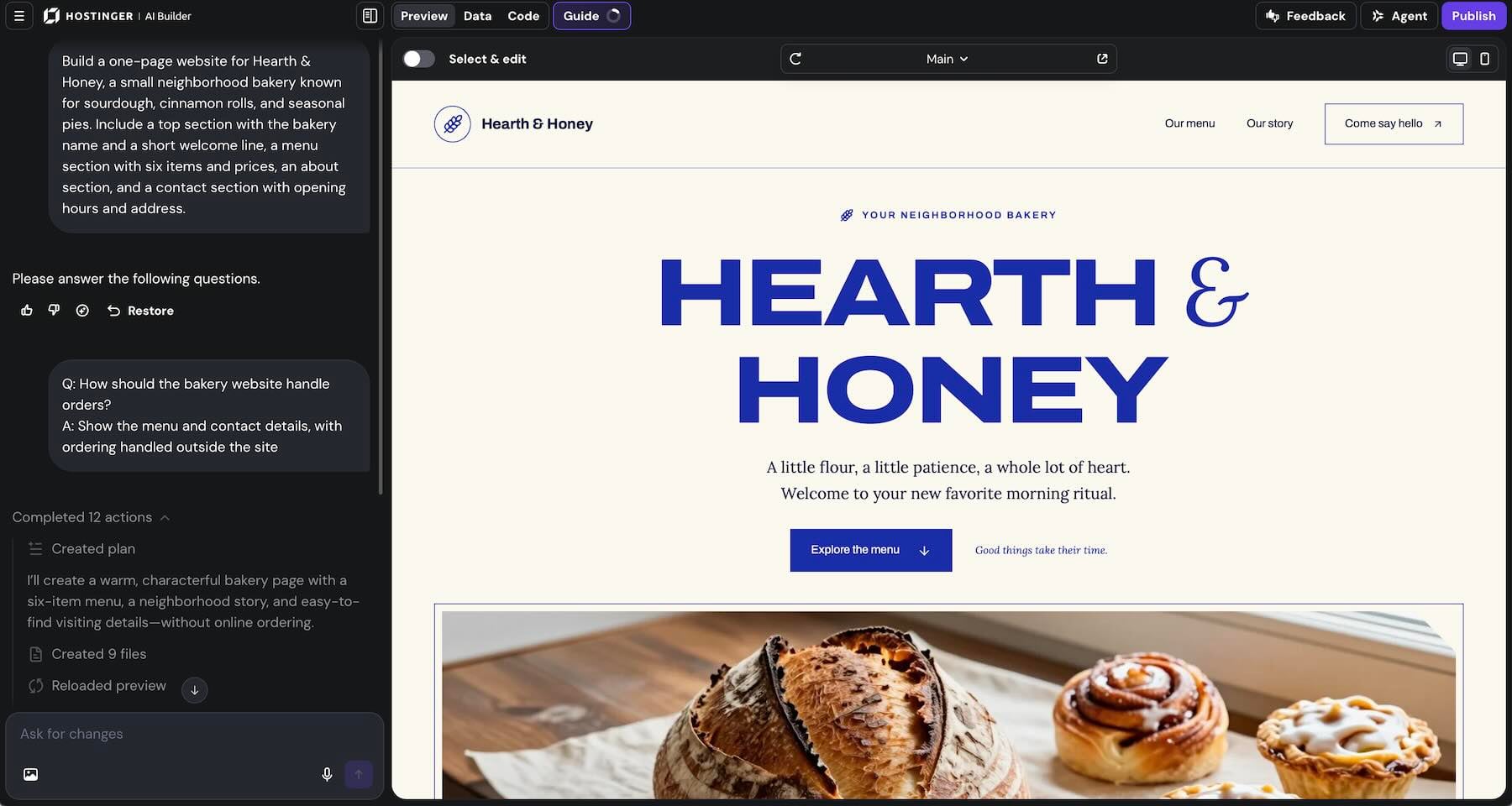
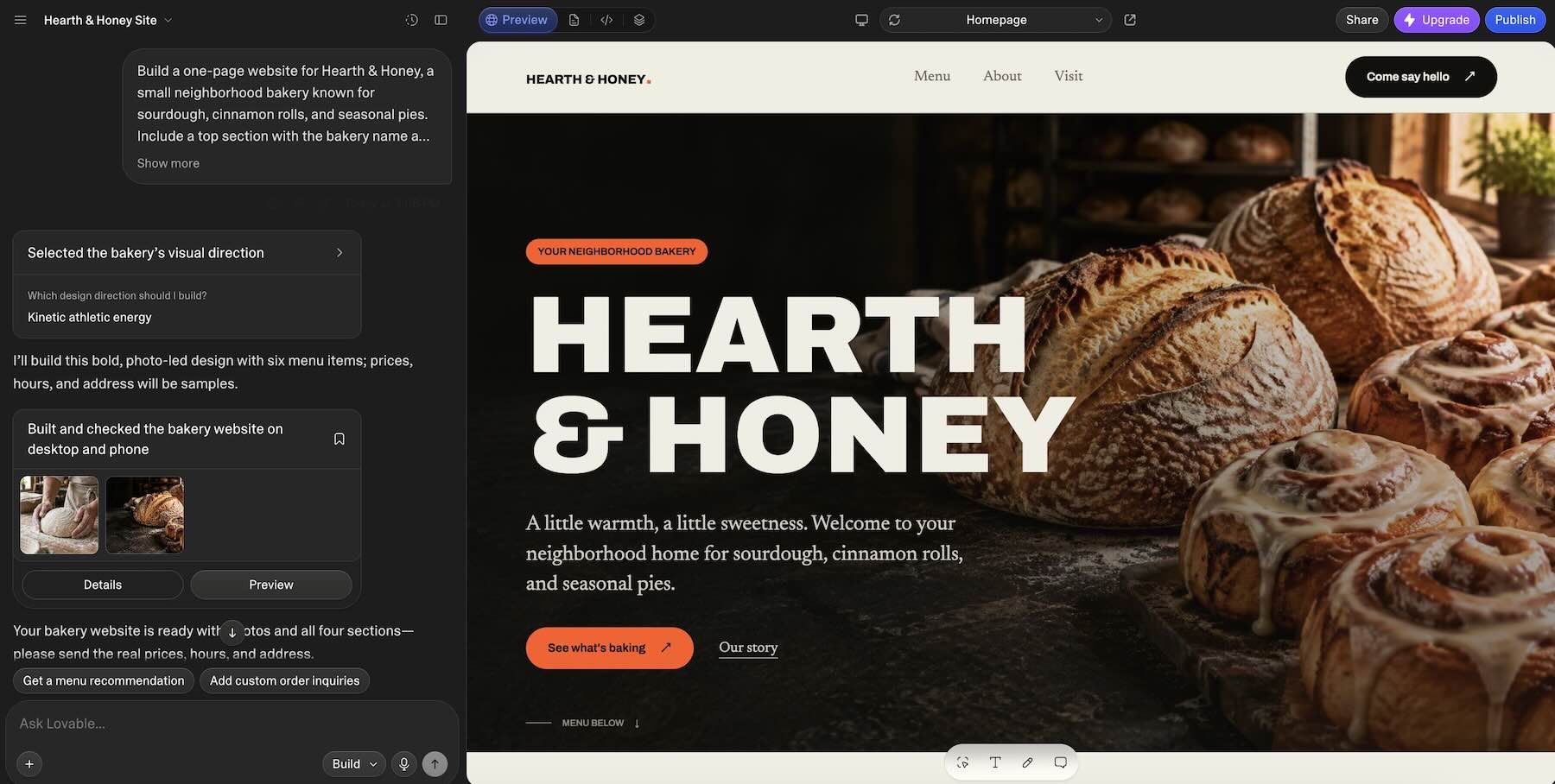
Tools such as Lovable, Bolt, and v0 represent a shift toward professional-grade production. Instead of locking you into a platform, these tools generate an actual codebase—a software project that can be exported, pushed to GitHub, and deployed on independent infrastructure. This approach offers unparalleled flexibility for custom web applications and interactive dashboards.
3. The Visual-Integrated Agent (The "Hybrid Editor")
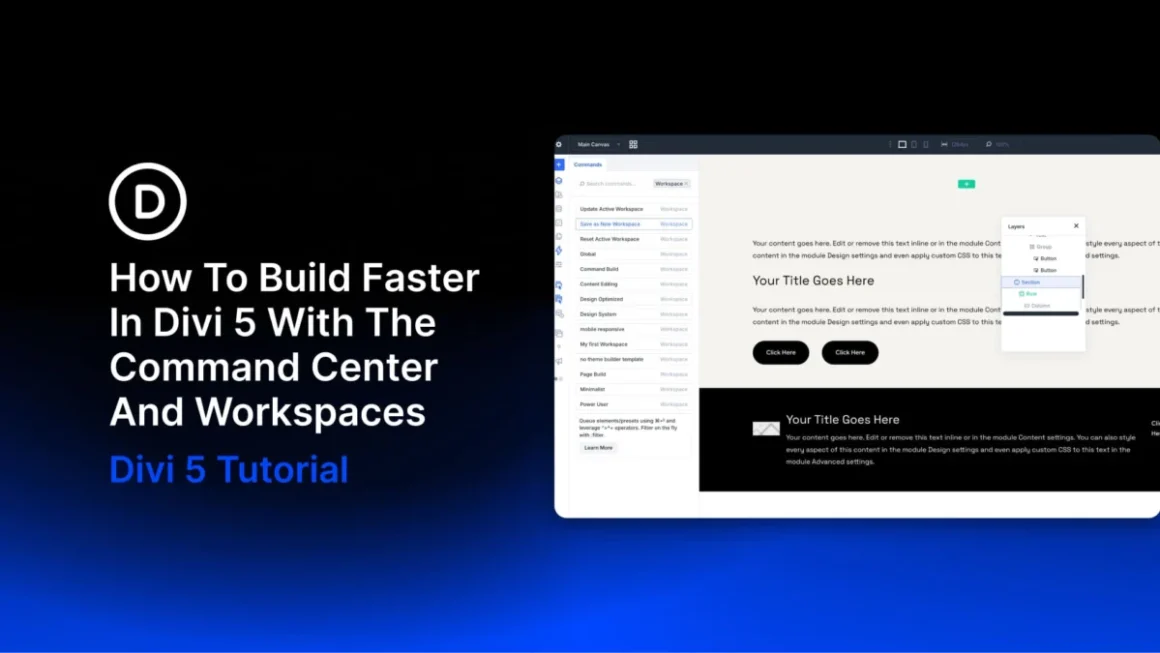
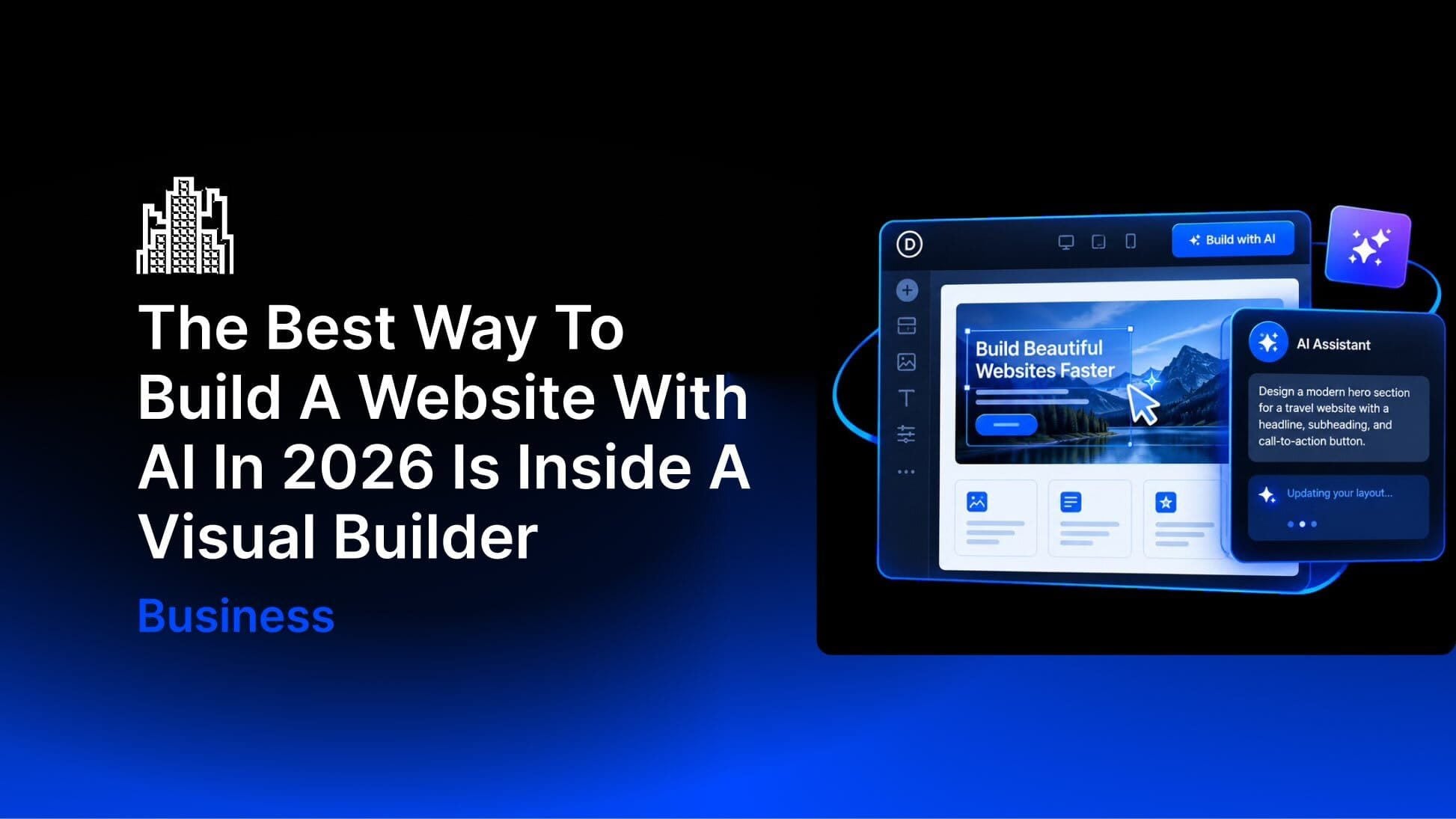
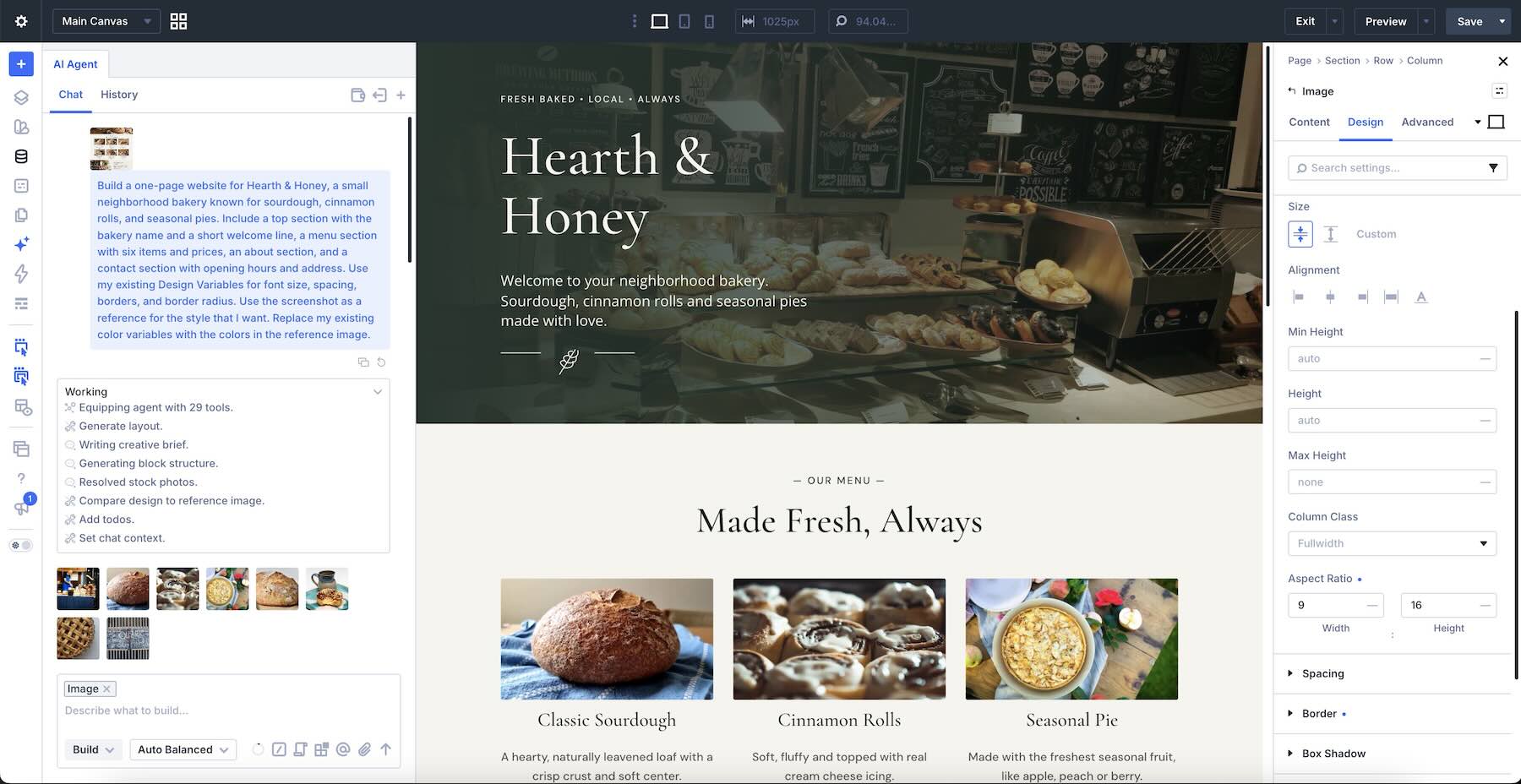
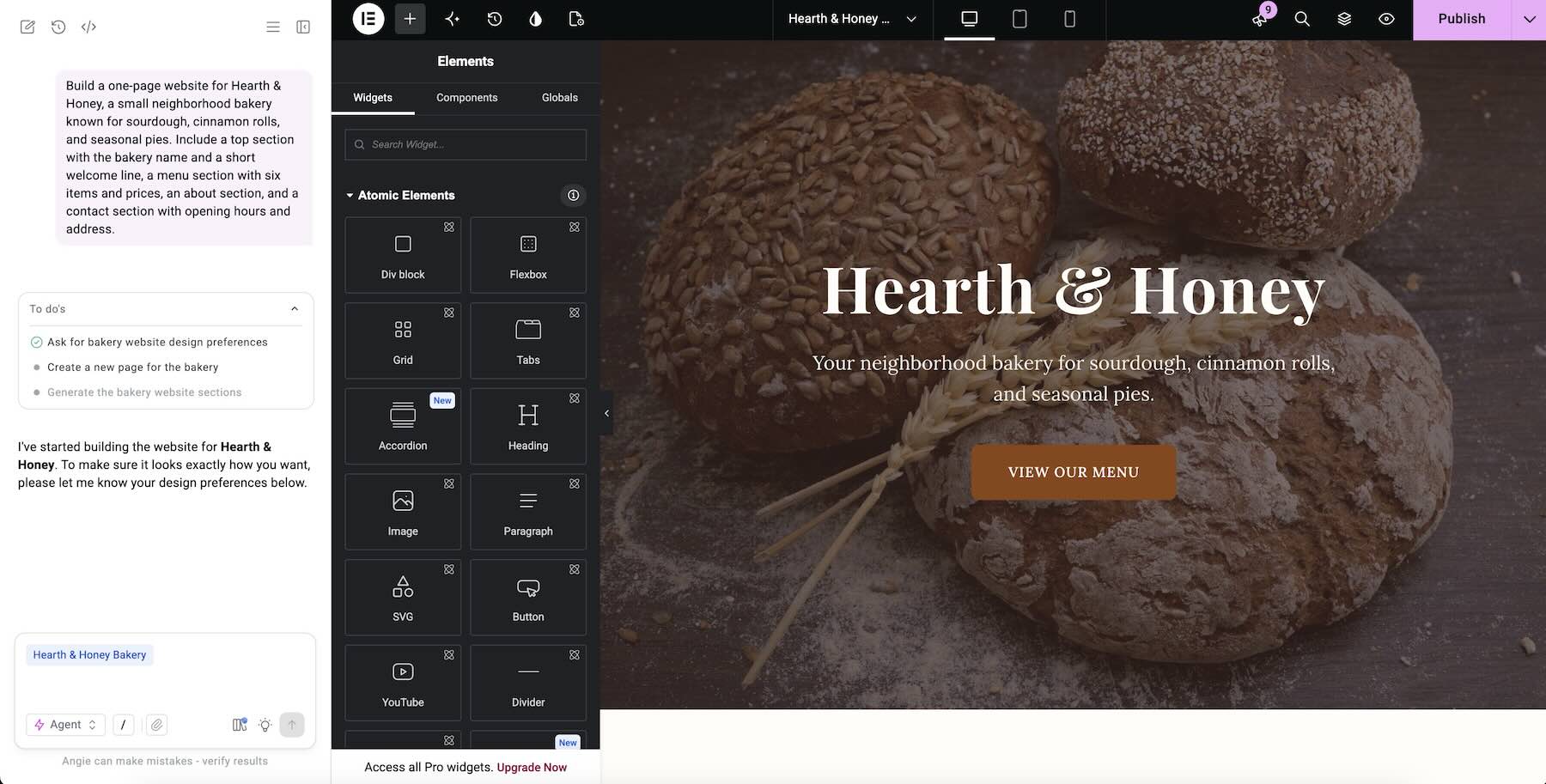
The third category, led by innovations like Divi 5’s AI agents and Elementor’s "Angie," embeds AI directly into an existing, mature visual editing environment. Here, the AI acts as a sophisticated assistant within a framework like WordPress, generating native elements that remain fully editable by human hands without requiring further AI intervention.
Chronology: From Static Templates to Generative Agents
The evolution of website building has moved at breakneck speed. Historically, businesses relied on static templates—rigid structures that were difficult to customize without CSS knowledge.
- 2023–2024: The "Prompt-to-Page" era. The first generation of AI builders focused on aesthetic generation. Users could create a pretty homepage, but they were often stuck with whatever the AI produced. Editing the output was frequently impossible or required regenerating the entire page.
- 2025: The shift toward "SaaS-Integrated AI." Platforms began allowing users to move elements around, but the underlying infrastructure remained proprietary. Users realized that while they could build quickly, they were "locked in" to the hosting provider.
- 2026: The era of "Agentic Intelligence." Today’s tools, specifically in the WordPress ecosystem, have evolved from simple content generators to "agents" that understand design systems, global variables, and structural hierarchies. They don’t just build; they participate in the maintenance of the site.
Supporting Data: Why Portability and Control Matter
For many small businesses, the convenience of a hosted, AI-only platform is a blessing. However, as organizations scale, the cost of migration becomes a significant technical debt.
Internal data and industry analysis suggest that businesses that rely on "black box" platforms—where the code cannot be exported—face a 70% higher cost of rebranding or redesigning after three years of operation. Conversely, platforms that leverage native elements (like the Divi 5 environment) allow for a 40% reduction in time spent on routine updates.
Comparative Feature Breakdown
| Feature | Hosted (Wix/Framer) | Codebase (Lovable/v0) | Integrated (Divi/Elementor) |
|---|---|---|---|
| Ease of Setup | High | Moderate | Moderate |
| Customization | Limited to UI | Unlimited (Code) | High (Visual) |
| Data Portability | Low | High | High |
| Learning Curve | Low | High | Moderate |
| Best For | Landing Pages | Web Apps/SaaS | Business Sites |
Implications of Choosing Your Foundation
Choosing a platform is not merely a design choice; it is an infrastructure commitment.
If your goal is to launch a simple landing page for a seasonal campaign, the hosted, "all-in-one" model is undeniably superior. It removes the friction of server management and security updates. However, the implication is that you are renting your digital real estate. If the platform updates its editor or changes its pricing model, you have little recourse but to comply.
For developers and startups building complex SaaS products, the codebase approach is essential. The ability to track changes via GitHub and manage your own database and API endpoints is the gold standard for technical control. Yet, the implication here is that the site is never "finished." It requires a technical team—or a high degree of technical literacy—to maintain the dependencies and deployment workflows.
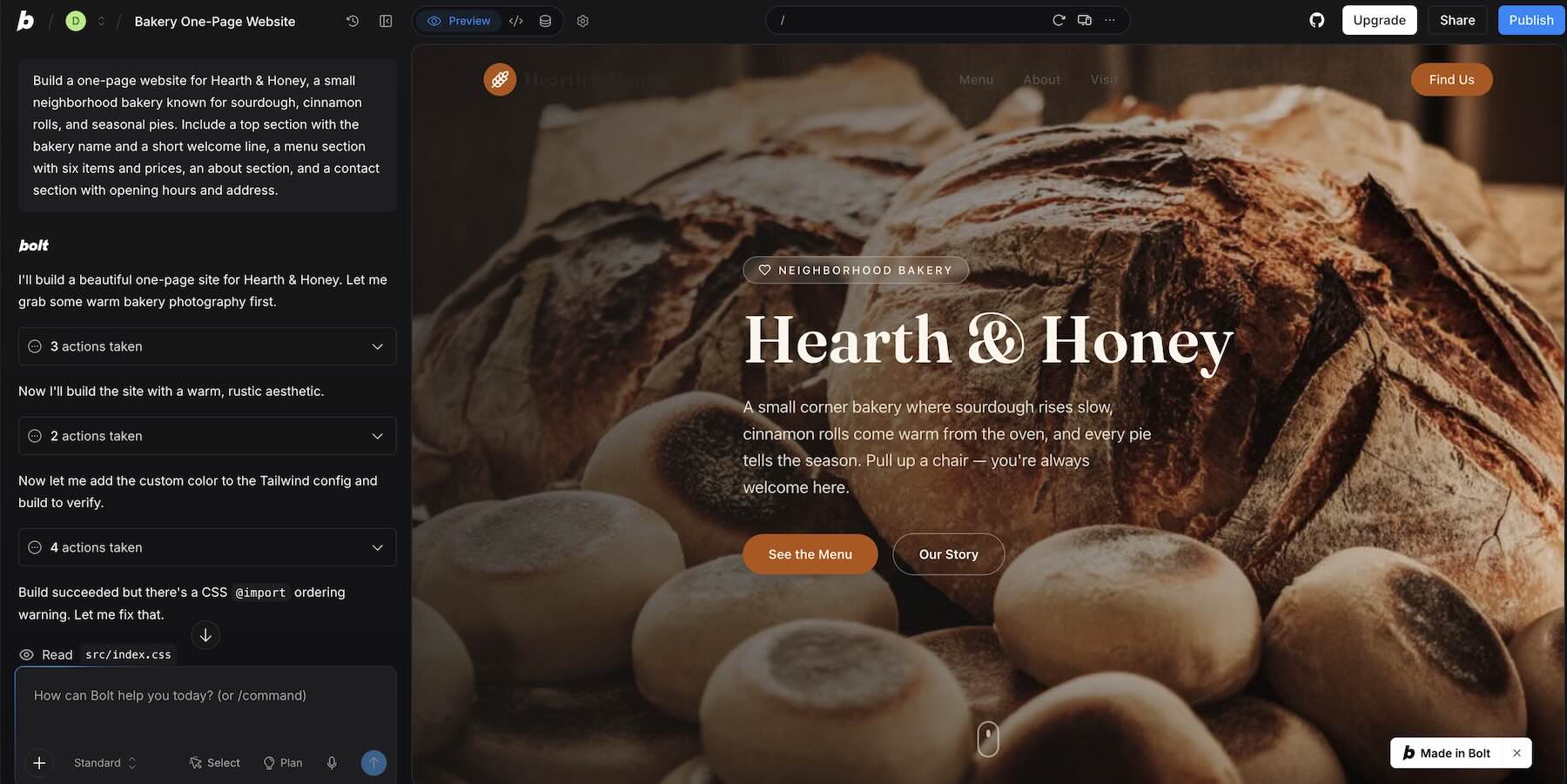
The "middle ground" offered by visual builders with integrated agents is currently emerging as the sweet spot for the vast majority of small-to-medium businesses. By using WordPress as the core, these users maintain full ownership of their data, their hosting, and their content, while using AI to handle the heavy lifting of layout generation and design system management.
A Case Study: The "Hearth & Honey" Workflow
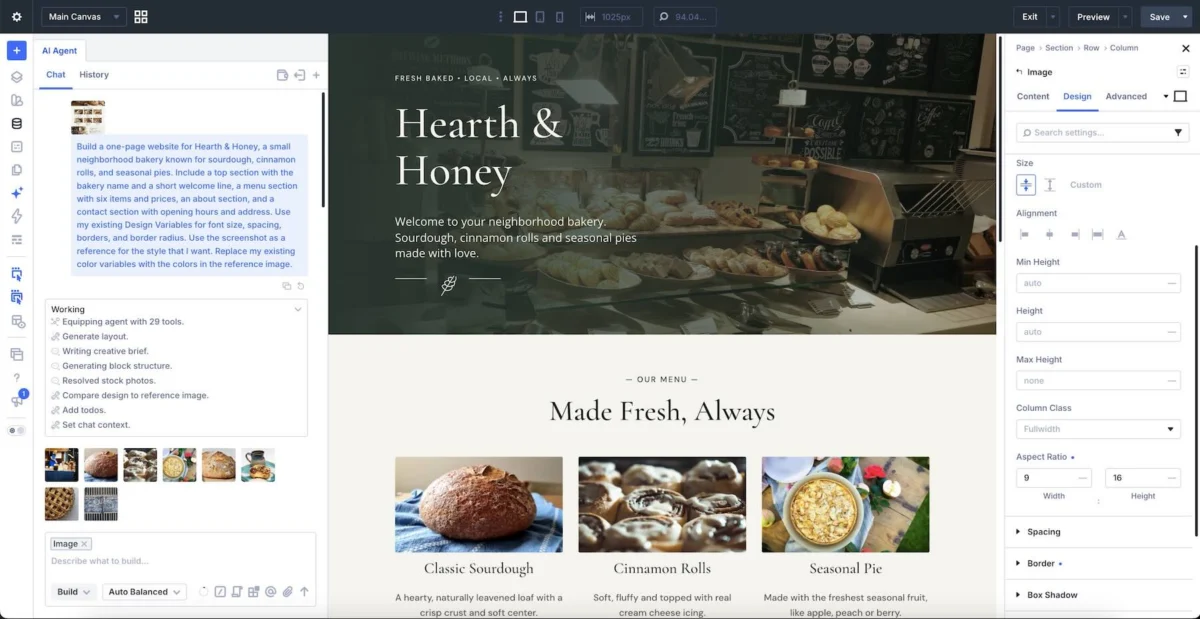
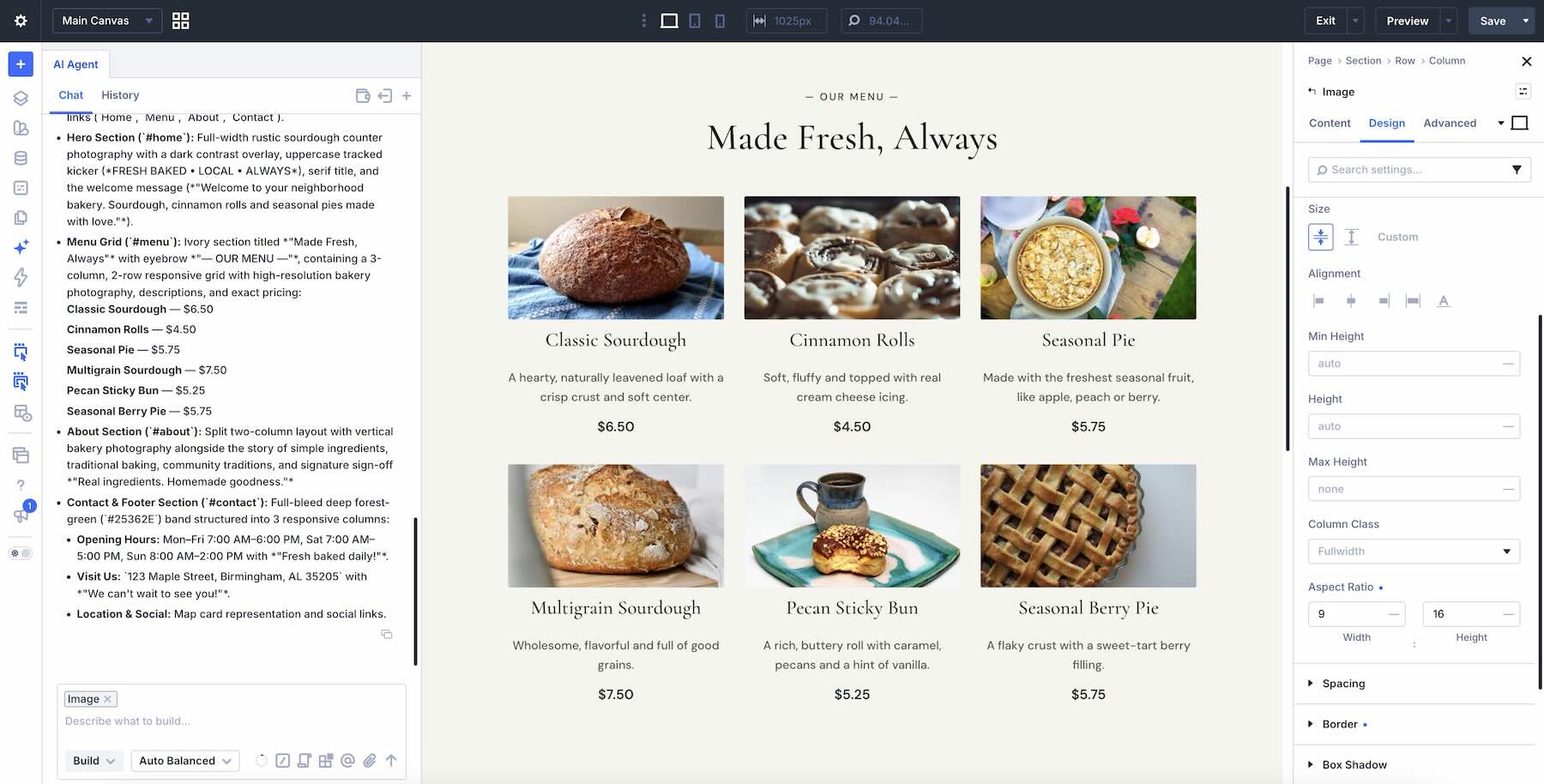
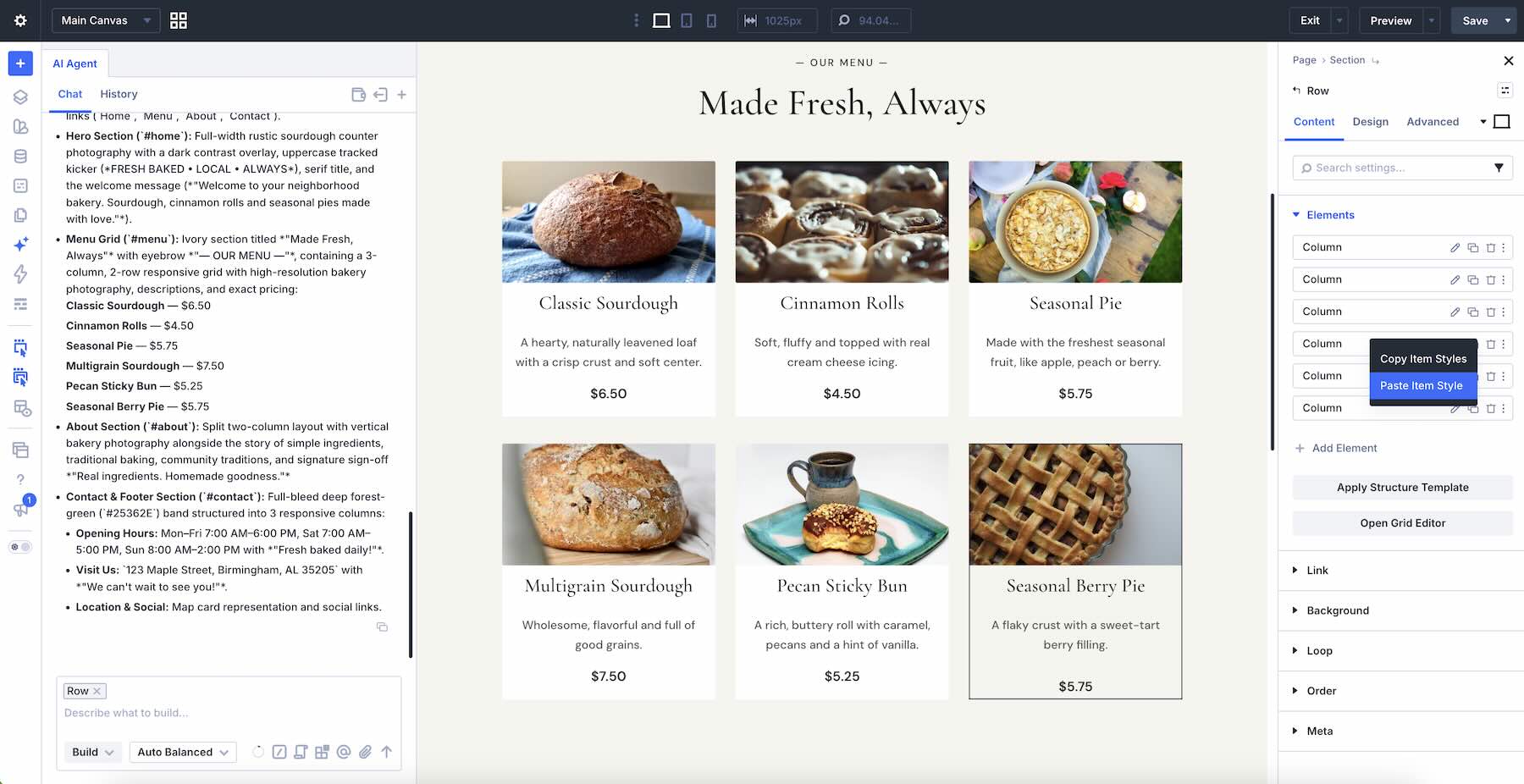
To illustrate the practical impact of these architectural differences, consider a neighborhood bakery, Hearth & Honey.
The Setup
The owner wants a site that is easy to update—changing daily bread specials, adding seasonal pies, and updating contact info—without needing to hire a developer.
The AI-Integrated Process
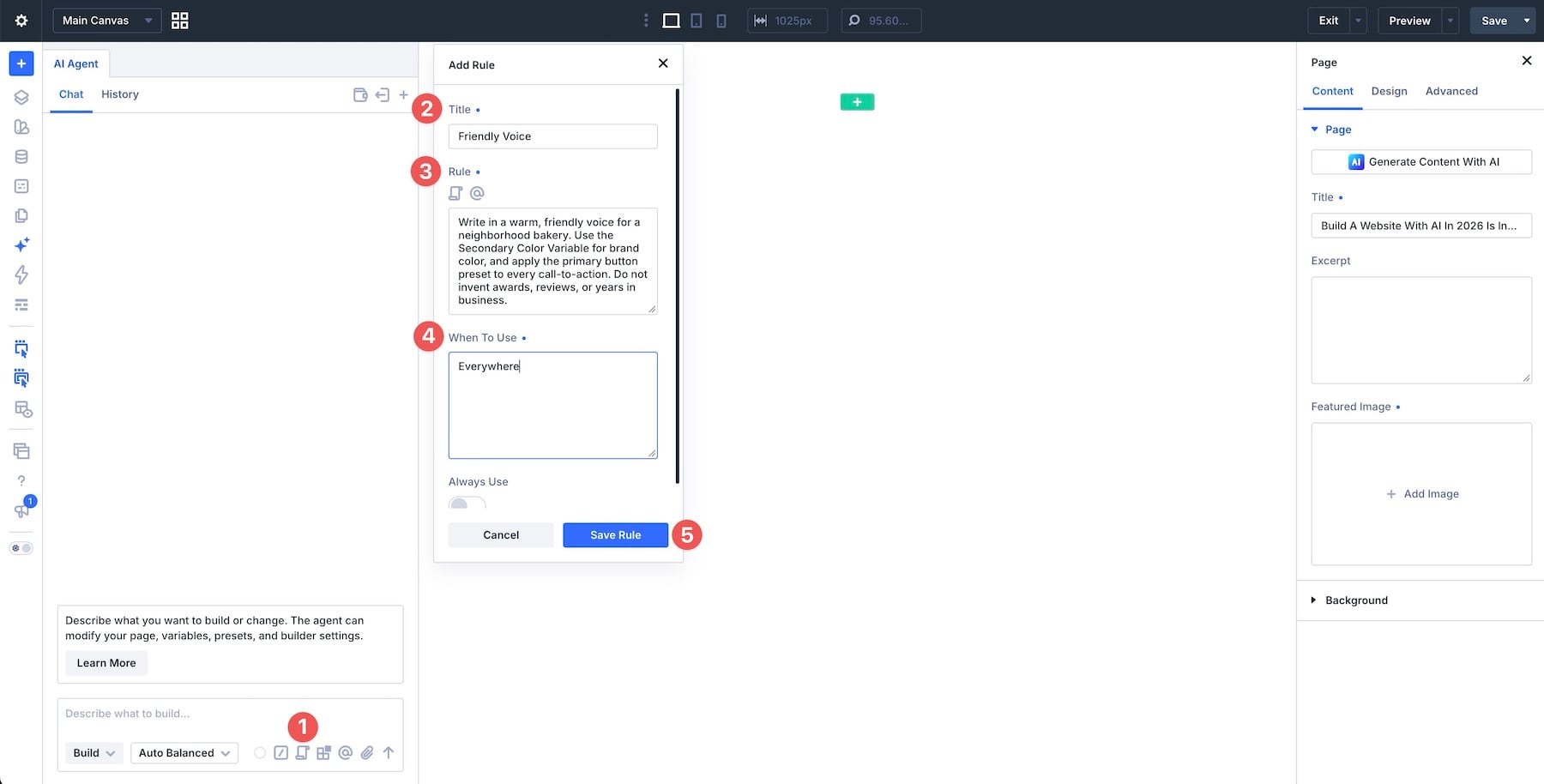
Using Divi 5’s AI agents, the owner defines "Rules." These are persistent instructions: Use our Primary Color variable, stick to our specific font sizing, and keep the tone warm and friendly.
When the owner decides to pivot the branding to a "deep green" aesthetic, they don’t have to manually update 50 pages. They instruct the AI agent: "Update the Primary Color Variable to a deep green and apply it everywhere." Because the agent understands the site’s Design Variables, it performs a sitewide update in seconds.
Critically, when the agent completes a task, it doesn’t leave the owner with a "black box." It leaves them with standard website modules. If the AI makes a slight error in padding or alignment, the owner can simply click and drag the element to fix it manually. This creates a symbiotic relationship: AI for the heavy lifting, human for the final polish.
Official Perspectives: The Future of Agentic Web Design
Industry experts argue that we are moving away from "AI as a Creator" toward "AI as a Collaborator."
"The most successful AI tools of the future won’t be the ones that replace the user," says one lead developer at Elegant Themes. "They will be the ones that respect the user’s autonomy. By working within the visual builder, we ensure that the user is never ‘locked out’ of their own website. Whether the AI builds the page or the human builds the page, the end result is the same—a standard, editable, portable website."
This sentiment is echoed across the WordPress community. The integration of "Angie" in Elementor and "Divi AI Agents" suggests that the future of web design is not about replacing the builder, but about empowering the builder with a tireless, context-aware partner.
Final Verdict: Building for the Long Term
When selecting an AI builder, look past the initial "wow" factor of the first generated page. Ask yourself:
- Who owns the code? Can I move this if I want to?
- Is it editable? If the AI stops working tomorrow, can I still update my site?
- Does it support a system? Can I define global styles that propagate across the entire site?
The ultimate winner in the AI website building race will not be the tool that creates the fastest page, but the one that makes the most sustainable, manageable, and adaptable website. By choosing a solution that treats AI as a tool for collaboration rather than a replacement for manual control, businesses can ensure their digital presence grows with them for years to come.
In 2026, the question is no longer "Can AI build this?" The question is "Can I live with what it built, and can I improve it when the time comes?" If the answer is yes, you have chosen the right foundation.