





In the hyper-competitive landscape of modern e-commerce, the inbox has become a battlefield. Brands fight for attention, often resorting to aggressive discounting, high-frequency promotional blasts, and sophisticated automation funnels. Yet, for many businesses, these tactics yield diminishing returns. While the transactional metrics—open rates, click-throughs, and conversion—might look healthy on paper, the underlying relationship with the customer remains fragile.
The most successful brands today are pivoting away from this "list-as-a-target" mentality. Instead, they are embracing a paradigm shift: treating email not as a distribution channel for coupons, but as a dedicated space for community building.
The Core Distinction: List vs. Community
To understand the evolution of modern marketing, one must first distinguish between a "list" and a "community." A list is a static database—a collection of email addresses gathered through lead magnets, purchases, or site registrations. It is, by definition, a one-directional asset.
A community, conversely, is a group of individuals who share an identity, a purpose, or a deep-seated connection to a brand’s ethos. In a community, the brand acts as a facilitator rather than a broadcaster. The gap between these two states is not dictated by software or budget; it is dictated by intent.
When a brand operates solely on a transactional framework—prioritizing cart abandonment flows and "win-back" sequences—it signals to the subscriber that their value is tied entirely to their wallet. While this infrastructure is necessary for business health, it is insufficient for business longevity. The brands that achieve long-term growth are those that treat the inbox as a relationship-first channel. They have realized that revenue is merely the byproduct of a strong, authentic connection.
The Anatomy of an Insider Experience
Building community in an inbox does not require expensive loyalty programs or complex gated portals. It requires a shift in narrative. The goal is to make the subscriber feel like an "insider"—someone privy to the soul of the business rather than just the marketing department’s output.
1. Radically Transparent Storytelling
Instead of broadcasting a product launch, successful brands share the "why." They explain the problem they were trying to solve, the iterations that failed, and the specific hurdles faced during development. This behind-the-scenes transparency transforms a product from a commodity into a project that the community has invested in emotionally.
2. The Power of Founder-Led Communication
In an era of AI-generated copy and highly polished brand voices, the raw, unvarnished email from a founder stands out. Simple, plain-text emails—lacking heavy graphics or elaborate templates—often achieve higher engagement because they feel human. They invite a personal connection that a glossy marketing newsletter simply cannot replicate.
3. Creating a Feedback Loop
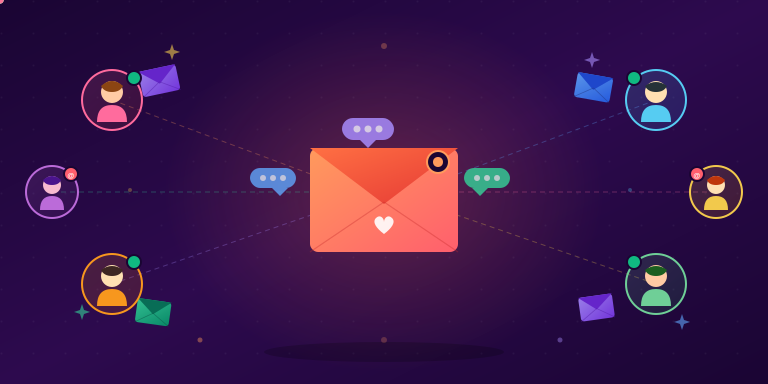
Community is defined by reciprocity. Most brands talk; few listen. By embedding simple, low-friction questions at the end of an email—such as, "What is one challenge you’re currently facing?" or "What should we create next?"—brands can open a dialogue. When a founder takes the time to reply to these messages, the recipient transitions from a passive subscriber to a brand advocate.
Developing a Recognizable Brand Voice
Identity is the glue that holds a community together. If a brand’s email content is indistinguishable from its competitors, it cannot foster a sense of belonging. A strong voice is not just about the vocabulary used; it is about the brand’s perspective on the world.
To build this, brands must ask themselves:
- What do we stand for, and what do we actively oppose?
- What are our non-negotiables in the industry?
- How do we communicate our values consistently, regardless of whether the email is promotional or educational?
When a subscriber can identify a brand’s email before even opening it, the brand has achieved a level of resonance that creates "stickiness." This emotional loyalty is what ensures customers stay when a competitor offers a cheaper alternative or a more aggressive discount.
Metrics That Matter: Moving Beyond Open Rates
When measuring the success of a community-building strategy, traditional e-commerce metrics are often misleading. A high click-through rate does not necessarily equate to a high level of brand affinity. To gauge true community health, marketers should look toward "participation" metrics.
Reply Rates
The most potent indicator of a successful community is the reply rate. If your subscribers feel comfortable writing back, you have successfully moved beyond a transactional relationship. A high reply rate is a leading indicator of brand loyalty.
Forward Rates
When a subscriber forwards an email to a friend, they are providing a personal endorsement. It is the digital equivalent of word-of-mouth marketing. Tracking the frequency of forwards provides clear evidence of which content resonates deeply enough to be shared.
Referral-Driven List Growth
If your audience is growing because your existing subscribers are recommending your brand, you have reached the pinnacle of community building. This organic growth is significantly more sustainable and cost-effective than paid acquisition.
Unsubscribe Patterns
Rather than fearing unsubscribes, use them as a diagnostic tool. A surge in unsubscribes after a specific type of content helps refine the brand’s voice. Conversely, consistently low unsubscribe rates on non-promotional content demonstrate that your audience views your emails as valuable, not intrusive.
The Role of Infrastructure
While the human element is paramount, the technical infrastructure must support the strategy. Tools like Omnisend allow brands to manage the heavy lifting of automation—ensuring that transactional emails are efficient—while providing the segmentation capabilities needed to nurture relationships.
Segmentation allows for personalization. By tailoring content based on user behavior and preferences, a brand can ensure that the "insider" feeling is maintained at scale. When the technical foundation is strong, the brand is freed from the mechanical grind of email marketing, allowing for more time to be spent on creative, human-centric engagement.
Implications for the Future of E-commerce
The shift toward community-led email marketing is not merely a trend; it is a structural necessity. As privacy regulations tighten and the cost of customer acquisition (CAC) via paid advertising continues to climb, owned channels like email are becoming the most valuable assets a business possesses.
Brands that ignore this shift and continue to treat their email lists as simple "lead buckets" will find their margins under pressure and their customer base increasingly fickle. Conversely, those that invest in building genuine relationships will find that their email list is not just a marketing channel—it is a moat.
In conclusion, the most successful brands of the next decade will not be those with the most sophisticated algorithms or the highest send frequencies. They will be the brands that make their subscribers feel seen, heard, and valued. By treating the inbox as a living, breathing community rather than a digital billboard, businesses can secure the most precious resource in the modern economy: the undivided attention and genuine trust of their customers.
For those looking to build their own community-driven email strategy, utilizing advanced platforms like Omnisend can bridge the gap between technical efficiency and meaningful human connection. New users can leverage code FOUNDR50 for 50% off their first three months, providing a starting point to turn their subscribers into a long-term community.