




In an era defined by rapid technological inflation and volatile global supply chains, the landscape of home entertainment has shifted dramatically. Gaming, once considered an accessible hobby for the masses, has seen its entry barriers skyrocket. Between the introduction of restrictive import tariffs and a global shortage of high-performance semiconductor components driving up memory prices, the "next-gen" experience has become a luxury item. As we look at the console market in 2026, the question of affordability is no longer just about the sticker price on the box; it is a complex equation of total cost of ownership, library longevity, and the hidden tax of digital-only ecosystems.
The State of the Market: A Chronology of Rising Costs
The current gaming crisis did not happen overnight. To understand the 2026 landscape, we must look back at the trajectory of the past few years.
2024: The Turning Point. The industry saw a massive shift with the launch of the PlayStation 5 Pro. Initially retailing at $700, the console served as a harbinger of a new pricing tier. By mid-2025, persistent chip shortages and rising logistics costs forced retail prices upward.
2025: The Resale Crisis. As supply failed to meet demand, secondary markets exploded. Major retailers, faced with inventory depletion, saw "gray market" prices for consoles like the PS5 Pro climb past the $1,400 mark. Consumers hoping to play marquee titles like Grand Theft Auto VI found themselves priced out of the hardware required to run them at their peak graphical settings.
2026: The New Normal. Today, we face a reality where even "budget" consoles are priced at a premium. The standard console experience now demands a significant financial commitment, forcing gamers to re-evaluate what it means to be a "mainstream" player.
The Upfront Price Paradox: Why $500 Isn’t Actually Cheap
For the average consumer, the sticker price is the first filter. However, in 2026, that filter is deceptive. Sony and Microsoft have pivoted heavily toward digital-only hardware, effectively creating "walled gardens" that dictate the value of a player’s library.
The Death of the Used Market
The discless PlayStation 5 Digital Edition, currently retailing for $600, and the Xbox Series S, at $500, represent the industry’s push toward total digital control. By removing the physical disc drive, these manufacturers have eliminated the secondary market. A player can no longer purchase a pre-owned game at a discount, nor can they trade in games to offset the cost of new ones.
The Cost of Digital Exclusivity
When you are restricted to first-party digital storefronts, you are at the mercy of their pricing algorithms. With major titles now launching at the $80 price point—a $10 increase from the standard of two years ago—the long-term cost of gaming on these systems is staggering. While subscription services like PlayStation Plus and Game Pass offer a library of content for $10 to $23 per month, this "rental" model means that the moment a player stops paying, their access to the library vanishes. For those on a tight budget, these recurring costs can become a financial trap.
The Nintendo Anomaly: A Niche for the Frugal?
Nintendo continues to occupy a unique space in the market. The Nintendo Switch 2, priced at $500, remains a competitive, albeit expensive, option. Its saving grace, however, is the retention of physical media. The ability to buy, sell, and trade physical cartridges provides a safety net that digital-only systems lack.
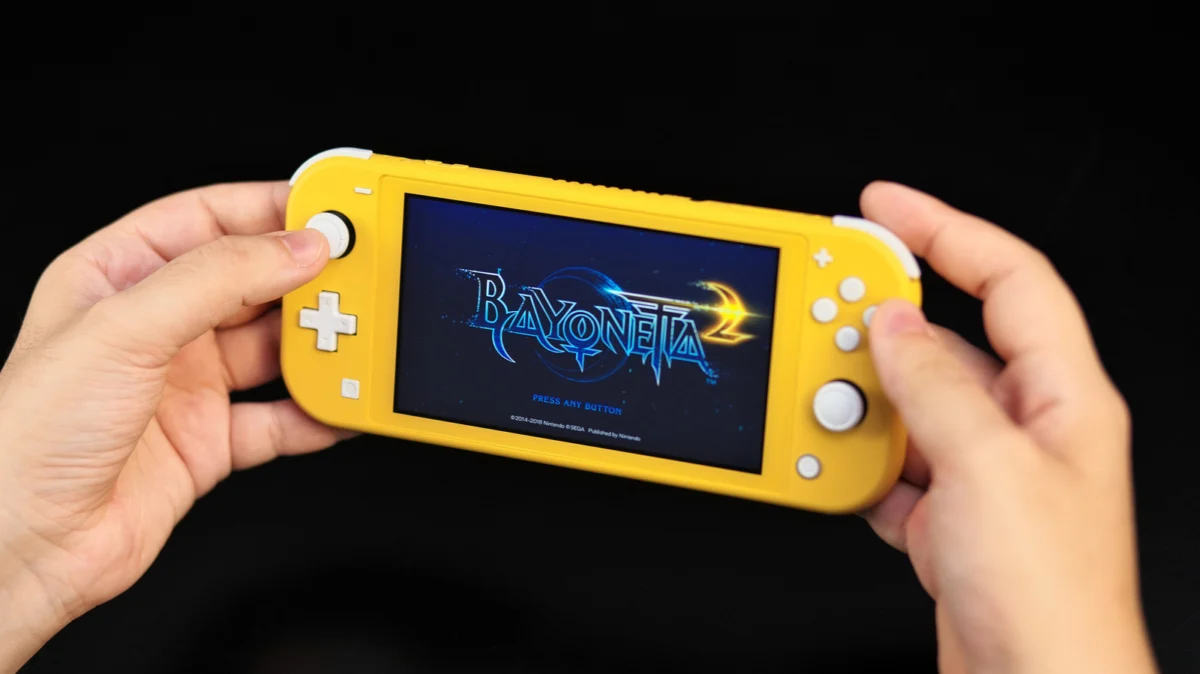
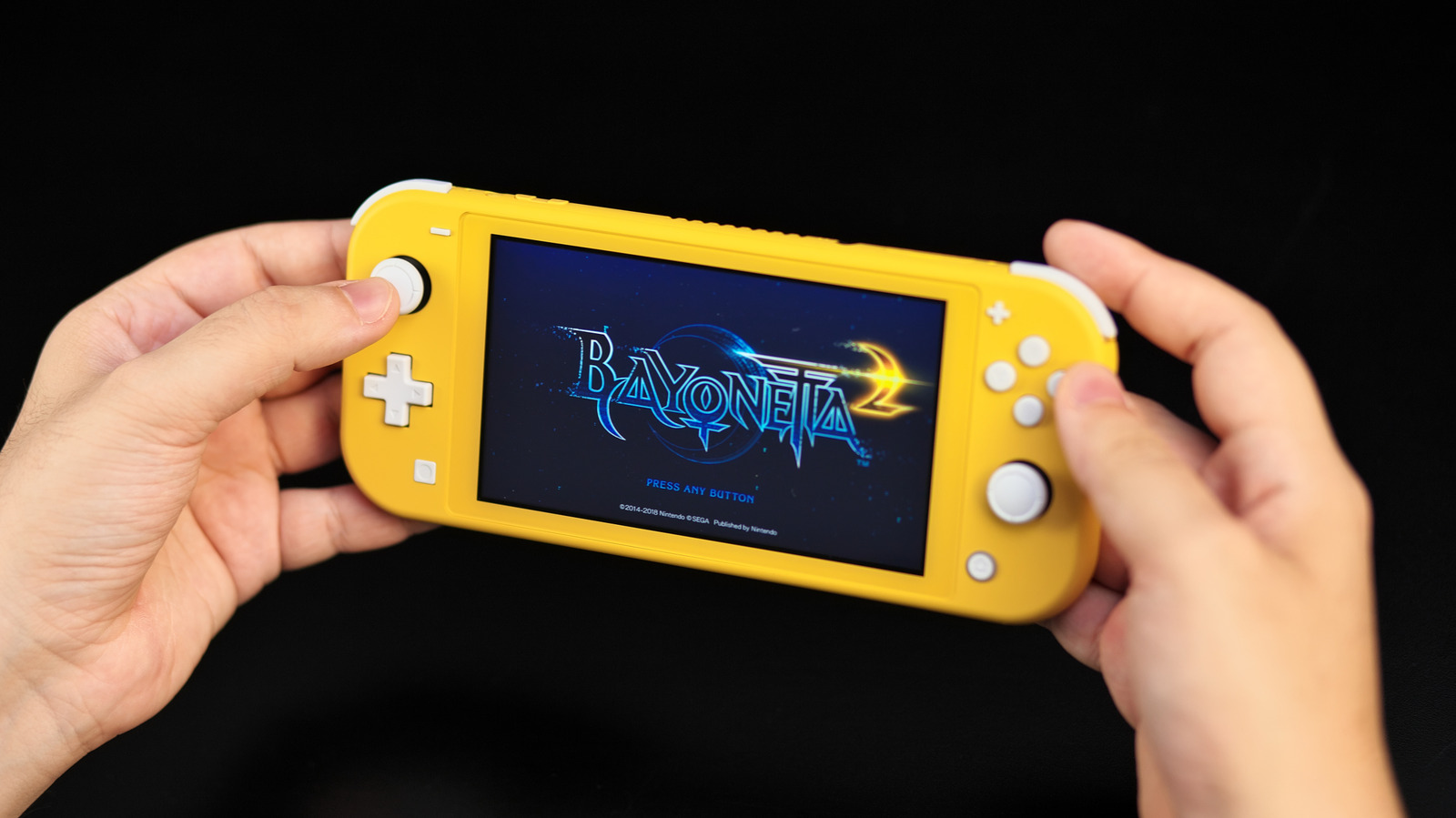
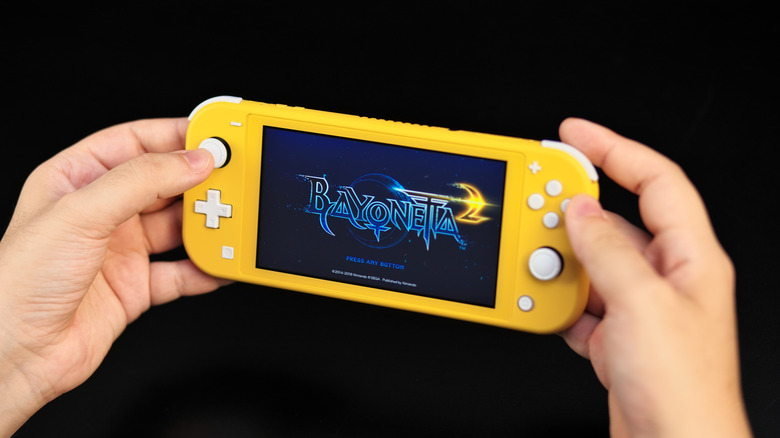
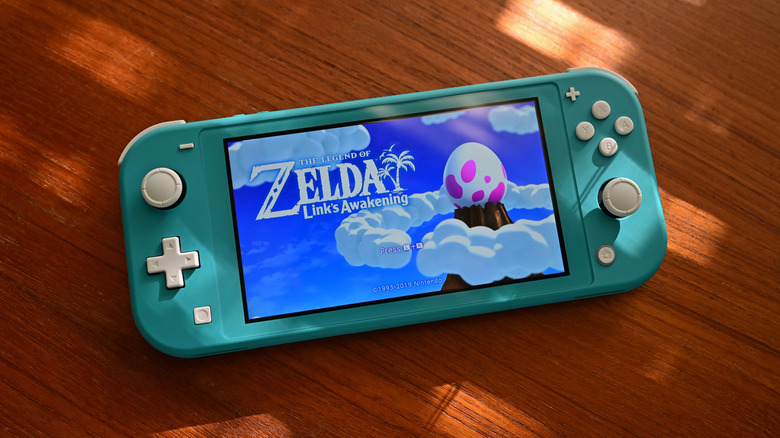
For those whose budget simply cannot accommodate $500, the Nintendo Switch Lite remains the industry’s most viable "budget" entry point at $230. While it is undeniably a legacy device—unable to play Switch 2 exclusives and incapable of docking to a television—it provides access to a decade of high-quality software. For the consumer who values the experience of gaming over the fidelity of the graphics, the Switch Lite offers a massive library of indie gems like Hades, Portal, and Undertale at a price point that doesn’t require a bank loan.
Handheld PCs: The Long-Term Value Proposition
If the upfront cost is high, why are handheld PCs like the Valve Steam Deck OLED ($789) and the ASUS ROG Ally X ($1,000) gaining traction? The answer lies in the "Total Cost of Ownership."
The Steam Ecosystem Advantage
Unlike consoles, PC gaming is governed by an open, competitive marketplace. Stores like Steam and GOG operate in a landscape where frequent, aggressive discounting is the norm. A game that stays at full price for years on a console storefront will often see a 75% discount on Steam within 12 to 18 months of release. For a gamer who intends to build a large, permanent collection, the savings on software will eventually bridge the gap between the high initial cost of the hardware and the lower cost of a console.
The "Free" Factor
Handheld PCs also benefit from a robust ecosystem of free-to-play titles. While console users have access to these as well, the PC platform offers a broader range of titles that can be played without the need for additional online subscription services, which are often required for multiplayer on PlayStation and Xbox. Titles such as The Finals, Rocket League, and Genshin Impact provide hundreds of hours of gameplay with zero entry cost.
Beyond Gaming: The Productivity Argument
There is also the functional argument. A console is a single-purpose appliance; it is designed to play games and consume media. A handheld PC, however, is a full-featured computer. With a portable dock and a keyboard, these devices can handle word processing, web browsing, and light content creation. For students or remote workers on a budget, the ability to consolidate their computing and gaming needs into one device adds significant value to the purchase price.
Implications for the Industry: The Growing Digital Divide
The current state of the market suggests a growing digital divide. We are moving toward a future where "entry-level" gaming is reserved for those who can afford the high cost of modern hardware, while a massive tier of legacy hardware (like the original Switch) is being phased out.
The Role of Resellers
The rampant price gouging by resellers, as seen with the PS5 Pro, is a symptom of a larger supply chain failure. Manufacturers have been unable to stabilize production, leaving the consumer vulnerable to market manipulation. Industry analysts suggest that until semiconductor manufacturing capacity increases significantly, these price spikes will continue to define the "new" hardware launch cycle.
Official Responses and Future Outlook
While industry giants like Sony and Microsoft remain tight-lipped on specific plans to combat third-party price gouging, the trend toward subscription-based "Game-as-a-Service" models appears to be their chosen path forward. By focusing on recurring revenue, they hope to subsidize the hardware, yet the consumer is the one who bears the burden of the monthly payments.
Final Verdict: Where to Spend Your Money in 2026
For the gamer looking to spend the least amount of money in 2026, the advice is clear but requires compromise:
- If you are a casual player: The Nintendo Switch Lite ($230) is the undisputed champion of low-cost entry. Accept that you are buying into a "frozen" ecosystem with no access to future titles, and enjoy the vast library of titles that defined the 2017–2025 era.
- If you are a collector: Avoid digital-only consoles. The Nintendo Switch 2 ($500) allows for physical ownership, which remains the only way to insulate yourself from rising digital costs.
- If you are a power user: Save for a Handheld PC. While the $700–$1,000 price tag is daunting, the long-term savings on software and the versatility of a PC architecture provide a better "value-per-hour" metric than any closed console ecosystem.
In conclusion, the era of "cheap" gaming is effectively over. The price of admission has risen, and the days of picking up a console for $200–$300 are unlikely to return in the near future. As a consumer, the smartest strategy is to look past the box on the shelf and consider the lifetime cost of the games you intend to play. In 2026, the most expensive console is often the one that locks you into a system where you never truly own your library.