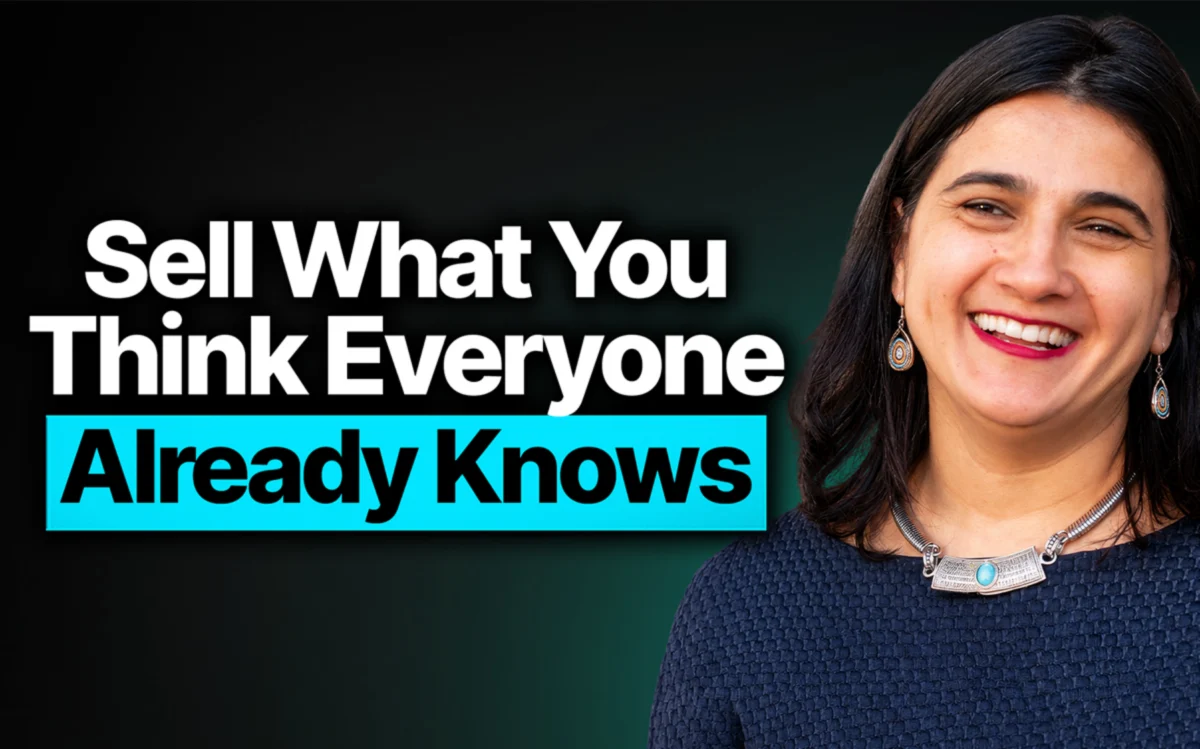
In the modern digital economy, relying on a single traffic source or communication channel is a precarious strategy for any service-based business. Algorithms change overnight, ad costs fluctuate, and consumer attention fragments. However, veteran journalist, author, and media entrepreneur Natasha Tynes has engineered a resilient lead-generation ecosystem that defies these vulnerabilities.
Drawing on approximately 25 years of extensive experience in journalism, publishing, and media, Tynes has built a diversified digital architecture that transforms passive readers into high-ticket clients. In a recent episode of the Niche Pursuits podcast, Tynes sat down with the host to dissect the mechanics of her multi-channel authority machine—revealing how platforms like Substack, LinkedIn, YouTube, and paid communities can be harmonized into a single, cohesive revenue funnel.
Main Facts: The Blueprint of Tynes’ Digital Media Business
At the core of Tynes’ business model is the integration of content creation with high-value professional services, including coaching, ghostwriting, and media consulting. Rather than chasing vanity metrics or relying on a solitary funnel, she employs a cross-pollination strategy where each digital platform serves a distinct psychological and commercial purpose.
- The Core Asset: An organically grown email list of approximately 3,000 subscribers hosted on Substack.
- The Channels: A synchronized mix of Substack (for direct audience relationships), LinkedIn (for B2B professional networking), YouTube (for long-form discovery and trust-building), and an emerging paid community.
- The Monetization Engine: High-ticket service offerings rather than low-margin hourly freelancing, supported by decades of established media credibility.
- The Standout Preference: If forced to choose only one platform to market her business, Tynes identifies LinkedIn as her primary revenue driver due to its immediate proximity to decision-makers.
Chronology: From Traditional Journalism to Digital Entrepreneurship
To understand how Tynes constructed her current lead-generation framework, it is necessary to examine the evolution of her career trajectory—a transition that mirrors the broader shifts in the media and publishing industries over the last quarter-century.
Phase 1: Building Foundational Credibility (Late 1990s – 2010s)
Before establishing her modern digital business, Tynes spent decades embedded in traditional journalism, writing, and media production. This era established her deep domain expertise, editorial discipline, and professional network. This 25-year foundation acts as the bedrock for her current thought leadership; every piece of content she publishes today is backed by real-world reporting and publishing experience.
Phase 2: Embracing Digital Platforms and Organic Growth
As the media landscape shifted toward creator-led business models, Tynes began diversifying her online footprint. Instead of focusing exclusively on a personal website, she deliberately established roots across multiple ecosystems:
- Substack was adopted to capture direct, algorithm-free relationships with her most engaged readers through a newsletter format.
- LinkedIn was leveraged to tap into a professional network actively seeking writing, editorial, and strategic communication services.
- YouTube was integrated to capture search traffic and allow potential clients to hear her voice, observe her communication style, and absorb her ideas in a dynamic video medium.
Phase 3: Systematizing the Multi-Channel Funnel
In the current phase of her business, Tynes has moved beyond mere content creation to build a deliberate funnel. She structures her publishing schedule and platform roles so that a prospective client can enter her ecosystem from any direction—whether through a viral LinkedIn post, a YouTube video recommendation, or a shared Substack article—and smoothly progress toward a commercial relationship.
Supporting Data & Mechanics: How the Content Funnel Operates
Tynes’ strategy challenges the common internet-marketing dogma that creators must focus on a single platform until they reach massive scale. Instead, her system thrives on tiered commitment levels and deliberate platform differentiation.
1. The Substack Engine: Balancing Free and Paid Audiences
Tynes’ email list sits at around 3,000 subscribers, all acquired organically without paid advertising. She maintains a hybrid model featuring both free and paid content tiers:
- The Free Tier: Acts as a low-friction entry point for new audiences, allowing prospective clients to sample her writing style and expertise without financial commitment.
- The Paid Tier: Serves heavily invested followers who desire deeper access, exclusive insights, or specialized resources, generating recurring subscription revenue while strengthening brand loyalty.
Rather than treating the newsletter merely as a media product, Tynes views it as the central nurture mechanism for her coaching and ghostwriting pipeline. Because service-based purchases often require prolonged consideration, the weekly newsletter provides the repeated exposure necessary to build trust over weeks or months.
2. LinkedIn: Shortening the Distance to the Sale
While Substack provides deep, long-form connection, LinkedIn acts as a high-speed professional bridge. The platform places Tynes directly in front of executives, entrepreneurs, and professionals who frequently require high-level writing and media services.
Crucially, LinkedIn minimizes friction. A potential client can read a post, inspect Tynes’ profile credentials, initiate a direct message conversation, and move into a sales call without ever leaving the platform environment.
3. YouTube as a Discovery and Trust-Building Tool
Video introduces an entirely different dimension to Tynes’ personal brand. By utilizing YouTube, she allows prospective clients to spend extended time with her ideas while observing her communication skills firsthand. Even if a viewer does not convert immediately, YouTube acts as an upper-funnel discovery engine that eventually feeds traffic back to her Substack, LinkedIn profile, or main website.
4. Creating Multiple Levels of Commitment
The architecture of Tynes’ business can be visualized as a progression of engagement tiers:
- Discovery: Encountering a piece of content on YouTube, LinkedIn, or via shared Substack links.
- Nurturing: Subscribing to the free newsletter and consuming periodic insights.
- Community Participation: Engaging in upcoming paid community spaces for a more interactive experience.
- High-Ticket Conversion: Inquiring about individualized ghostwriting, coaching, or media consulting services.
Official Insights & Strategic Implications
Tynes’ methodology offers critical lessons for modern entrepreneurs, freelancers, and agency owners navigating digital marketing. Her experiences highlight several broader implications for service providers:
Quality Over Quantity in Audience Sizing
A central takeaway from Tynes’ business model is that raw audience size can be deeply misleading. While consumer creators often obsess over hundreds of thousands of passive followers, a service provider can build a highly lucrative business with a relatively modest audience—such as a targeted list of 3,000 subscribers—provided those individuals possess high buying intent and alignment with the services offered. One high-value client relationship secured through LinkedIn or a targeted newsletter often outweighs thousands of casual views.
Platform Specialization vs. Omnipresence
When asked which platform she would keep if restricted to only one, Tynes unhesitatingly points to LinkedIn. This decision underscores a vital strategic rule: creators should evaluate platforms not by their total user base, but by their proximity to revenue. Because LinkedIn organically clusters professionals with commercial budgets and immediate business needs, it outranks broader entertainment or discovery networks for her specific business model.
The Death of the Linear Funnel
Tynes’ ecosystem proves that modern buyers rarely follow a straight line from ad to purchase. A prospective client might discover her via a YouTube video in January, follow her on LinkedIn in February, subscribe to Substack in March, and finally reach out for ghostwriting services in June. Recognizing this non-linear customer journey allows businesses to build interconnected content hubs rather than isolated landing pages.
Conclusion
Natasha Tynes’ transition from a traditional 25-year journalism career to a diversified digital entrepreneur demonstrates the power of treating content as a bridge to high-ticket services. By strategically synchronizing Substack, LinkedIn, YouTube, and community-building efforts, she has created a resilient lead-generation engine that endures algorithmic shifts and captures clients at various stages of commitment. For modern professionals, her approach serves as a masterclass in building authority, respecting the buyer’s journey, and prioritizing platforms that sit closest to revenue.