





Welcome to the July edition of DEV, your essential monthly deep dive into the evolving WordPress ecosystem. This month, we are moving past the post-launch glow of WordPress 7.0 and peering into the horizon of 7.1, examining major shifts in support infrastructure, and assessing how the industry is maturing around new hosting paradigms like EmDash.
As always, we’ve balanced the heavy technical lifting with a curated selection of industry insights and the necessary "nonsense" that makes the life of a developer sustainable.
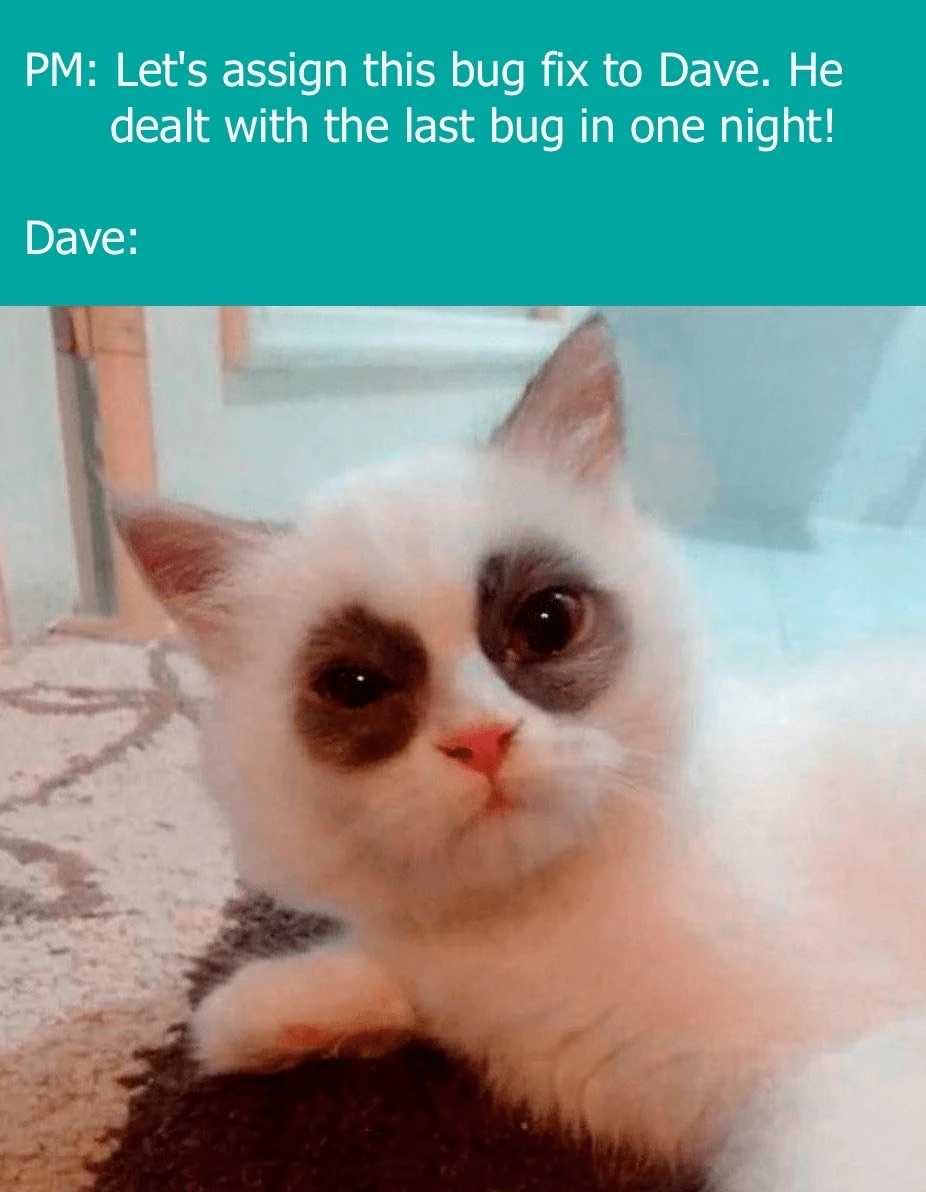
The "Dave" Paradox: Why Expertise is a Double-Edged Sword
If you’ve spent any time in the trenches of web development, you likely recognize the "Dave" phenomenon. It is the inescapable cycle of the high-performing developer: you solve a complex issue in the dead of night, expecting the quiet satisfaction of a job well done. Instead, you are immediately rewarded with a promotion into the "blast radius" of the next, even more complex crisis.
In the WordPress world, this is a rite of passage. Resolve a persistent WooCommerce checkout bottleneck? Congratulations, you are now the unofficial Head of Payments. Successfully untangle a labyrinthine DNS migration? You are now the "Domain Whisperer," destined to be summoned for every future propagation hiccup. Respond to a client email with lightning speed? You’ve just signed an implicit contract promising 24/7 live-chat accessibility.
As we navigate this month’s updates, remember that while you may be the go-to person for everything, the goal of modern tooling—including the updates discussed below—is to automate the mundane so you can reclaim your sleep schedule.
WordPress 7.1: The Road to August 2026
While WordPress 7.0 is still fresh in the community’s collective consciousness, the machinery behind 7.1 is already humming. The release cycle is a relentless engine, and the roadmap for 7.1 suggests that the second half of 2026 will be defined by refinement and stability.
The Release Squad: A New Command Structure
The WordPress project has officially appointed Anne McCarthy as the Release Lead for 7.1. This marks a significant milestone for McCarthy, who steps into the role with a clear mandate to guide the community through the next major version.
Supporting her are a team of seasoned veterans tasked with ensuring the release remains on track for its scheduled August 19, 2026 launch—a date that strategically aligns with the conclusion of WordCamp US. The official squad includes:
- Release Coordination: Benjamin Zekavica and Krupa Nanda.
- Tech Leads: Aki Hamano and Joe Dolson.
- Triage & Testing: A dedicated team of leads focused on quality assurance and bug squashing.
Implications for Your Workflow
The proximity of the 7.1 release to WordCamp US means that developers should prepare for a high-intensity summer. Staging environments will be critical. With the official Roadmap to 7.1 now live, teams should begin auditing their plugin compatibility and block editor custom extensions immediately. Expect a continued focus on performance, block-level stability, and, notably, the eventual phasing out of the Classic Block in the inserter, as contributors lean further into the modern editing experience.
Bridging the Gap: Branded Email Integration for Hub Tickets
One of the most persistent challenges for agencies and freelance developers is the "Client Inbox Disconnect." You can provide a state-of-the-art client portal, yet there will always be a client who, six months later, replies to a stale email thread with an urgent request to "change the button to blue."
The Logic of "Meet Them Where They Are"
"I thought I sent that via email" is not a scalable business model. To solve this, the latest update to Hub Tickets introduces direct branded email integration.
Instead of forcing clients to adopt new habits or navigate a ticketing system that feels foreign to them, you can now connect a professional, branded support address (e.g., [email protected]). The system automatically ingests these emails, turning them into structured, trackable tickets within The Hub.
Why This Matters for Scalability
- Centralized History: Your team gains access to the full conversation, status tracking, and internal notes without the client ever needing to log into a portal.
- Reduced Friction: By removing the barrier of a proprietary login, you increase the likelihood that client communication remains professional and documented.
- Efficiency: This bridges the gap between casual email and professional helpdesk infrastructure, allowing your team to maintain a clean workflow while providing a frictionless experience for the client.
EmDash Hosting: From "Crunchy" to Polished
Every revolutionary technology goes through a "crunchy" phase—that initial period where the vision meets the harsh reality of diverse edge cases. It has been over a month since EmDash was introduced to WPMU DEV’s Unlimited Hosting, and the transition has been a lesson in rapid iteration.
The Refinement Process
The team has spent the last 30 days listening to developer feedback, addressing performance bottlenecks, and polishing the hosting experience. Key improvements include:
- Performance Optimization: Faster environment provisioning for EmDash instances.
- Stability Patches: Squashing bugs identified by early adopters during site deployment.
- Workflow Integration: Making the experience of managing EmDash feel native to the existing Hub ecosystem.
The Industry Perspective
WP Mayor’s Mark Zahra recently reviewed the EmDash implementation, highlighting the primary advantage for builders: it eliminates the need for separate infrastructure. By allowing EmDash to coexist with WordPress sites in The Hub, developers benefit from shared backups, security protocols, and centralized dashboard management. As the platform matures, we expect to see more template support, turning the "Wild West" of new hosting into a paved, well-signposted highway.
Industry Insights: The State of the Web
The landscape of development is shifting rapidly under the influence of AI and changing search behaviors. Here are the critical resources and trends you shouldn’t miss:
- The AI Management Burden: While AI was promised to reduce busywork, many developers are finding that "managing" multiple AI assistants has become a full-time job in itself. Read more on navigating burnout in the age of AI-driven development.
- Setting Boundaries: When a client hires a secondary provider, the risk of becoming "free tech support" is high. Establishing clear scope-of-work boundaries is more important than ever. Learn how to navigate these transitions professionally.
- Plugin Discovery: AI search is fundamentally changing how users find plugins. To stay relevant, developers must optimize their assets for AI-driven recommendations. See how you can ensure your plugin is discoverable.
- Farewell to the Classic Block: The inevitable phasing out of the Classic Block from the inserter continues, marking the final stage of the Gutenberg transition.
Coffee Break: The Necessary Nonsense
Development is not just about code—it is about the community and the small moments of levity that keep us going.
- For the Distraction-Prone: A new "Distraction-Free Writer" plugin has hit the scene. While the tool is excellent for front-end editing, as we’ve learned, the true distractions usually originate from inside our own brains.
- Tech History: If you recognize your first computer in Steve’s Old Computer Museum, consider this your official notification that your knees are likely starting to make "startup sounds" when you stand up.
- Community Highlights: We highly recommend reading the story behind the WCEU 2026 Wapuus, a reminder of the human element in our digital community.
- Finally: For those who need a moment of joy, witness the cutest bark on the internet. Sometimes, the best way to handle a deployment issue is to step away, grab a coffee, and remember that even the most "formidable" dogs are just looking for a snack.
Thank you for joining us for this month’s deep dive. If you enjoyed this blend of technical insight and industry culture, share this newsletter with your favorite WordPress enthusiast. Stay tuned, keep your staging sites ready, and we’ll see you next month.